
How Do Turtles Transmit Salmonella and How Can You Prevent It?
Published on: July 26, 2026 | Last Updated: July 26, 2026
Written By: Matthew The
If you own a turtle or are considering one, you might worry about Salmonella risks, but with the right knowledge, you can enjoy your pet safely and confidently.
Over the years with my tortoises Austen and Bronte, I have seen how simple habits keep both pets and people healthy.
This article explains transmission routes, symptom recognition, and prevention steps in an easy-to-follow guide.
What is Salmonella and How Do Turtles Carry It?
Salmonella is a type of bacteria that can cause stomach cramps, diarrhea, and fever in people. Many turtles naturally carry Salmonella in their guts without ever getting sick themselves, making them silent carriers. From my time caring for Austen, my Russian Tortoise, I’ve seen how healthy-looking turtles can still shed bacteria in their droppings. It’s a common trait in reptiles, not a sign of poor health. That’s how I tell if my turtle is sick—watching for changes in appetite, activity, or droppings. If anything seems off, I contact a reptile-savvy veterinarian.
Turtles pick up Salmonella from their environment, like contaminated water or food. Even well-cared-for pets like my Greek Tortoise, Bronte, can harbor these bacteria because it’s part of their normal gut flora. Their shells and skin might look clean, but bacteria can linger there too. I always remind fellow owners that a turtle’s gentle nature doesn’t mean they’re germ-free. Essential salmonella prevention tips for turtle owners include washing hands thoroughly after handling turtles or cleaning their enclosures. Also, keep the tank and any equipment away from kitchen areas and food preparation spaces to avoid cross-contamination.
- Salmonella lives in a turtle’s digestive system and is shed in feces.
- Turtles don’t show symptoms, so you can’t tell if they’re carriers just by looking.
- Contaminated habitats, like water bowls or substrates, help spread the bacteria.
How Salmonella Spreads from Turtles to Humans
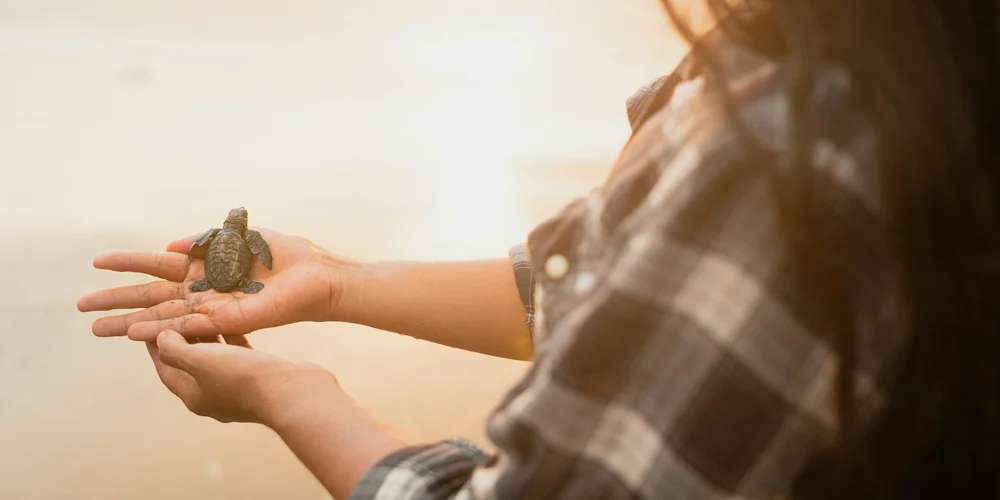
Salmonella spreads easily when you touch a turtle or anything in its environment. Direct contact with your pet, like holding Orwell my Box Turtle, can transfer bacteria to your hands if you don’t wash up right away. I’ve learned that even a quick pat can leave germs behind, especially if the turtle has been in its enclosure recently. Proper hygiene practices are essential when handling any reptile.
Indirect contact is just as risky. Surfaces like countertops, toys, or sinks become contaminated when turtles roam or when you clean their tanks. For example, after Bronte explores my desk, I wipe it down thoroughly to avoid any unseen traces. Bacteria can survive for hours, making cross-contamination a real concern.
- Handle your turtle and then touch your face or food without washing hands.
- Clean tanks or habitats and spread germs to other household items.
- Allow turtles in areas where food is prepared, increasing exposure risk.
Young children, elderly folks, and those with weaker immune systems are more vulnerable. Always supervise interactions to prevent accidental ingestion of bacteria, like when little hands go from turtle to mouth. I advocate for gentle handling and immediate hygiene to keep everyone safe and happy with their shelled friends.
Symptoms of a Salmonella Infection from Turtles
When Salmonella strikes, your body sends clear signals that something is off. Common symptoms include diarrhea, fever, and stomach cramps that can feel like a persistent, unwelcome guest. I recall a time when I felt unusually tired after handling my turtles without proper handwashing-it was a gentle nudge to be more vigilant.
- Diarrhea that may be bloody or watery
- Fever often accompanied by chills
- Abdominal cramps that come in waves
- Nausea or vomiting, making it hard to keep food down
- Headaches and general fatigue, leaving you drained
Symptoms typically appear 6 hours to 6 days after exposure and can last 4 to 7 days. If you experience severe dehydration or high fever, seek medical help promptly to avoid complications. Most people recover without treatment, but listening to your body is key.
Who is Most at Risk for Turtle-Related Salmonella?
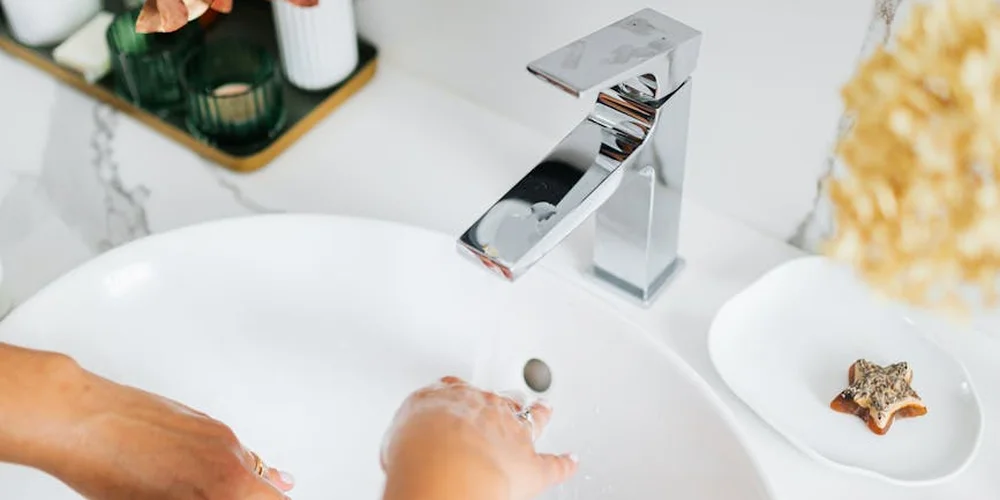
Certain groups face higher risks because their immune systems are more vulnerable. Young children, older adults, and those with weakened immunity are especially susceptible to severe infections. In my experience caring for turtles like Bronte, I’ve seen how easily germs can spread if we’re not careful.
- Children under 5 years old, who often explore with their hands and mouths
- Elderly individuals, as aging can slow immune responses
- People with chronic illnesses, such as diabetes or HIV
- Pregnant women, due to changes in immune function
Always supervise interactions and prioritize hygiene to protect everyone involved. Simple habits like handwashing can dramatically reduce the chance of illness.
Special Considerations for Families with Young Children
Kids are naturally curious and may not grasp the importance of cleanliness around pets. Children under 5 are at the highest risk because they frequently touch their faces and may not wash hands thoroughly. I’ve watched my young niece giggle while petting Orwell, my box turtle, and it reminds me to step in with gentle guidance.
- Teach kids to wash hands with soap for 20 seconds after touching turtles or their habitat
- Keep turtle enclosures out of reach, like on a high shelf, to prevent unsupervised contact
- Avoid letting children kiss or snuggle turtles, as saliva can spread bacteria
- Model safe handling by showing how to touch turtles gently and then clean up right away
By making hygiene fun, like singing a handwashing song, you turn safety into a habit. Encouraging respect for animals helps kids enjoy pets without unnecessary risks. Remember, turtles like Austen deserve care that keeps both them and your family healthy.
Essential Hygiene Practices to Prevent Salmonella Transmission
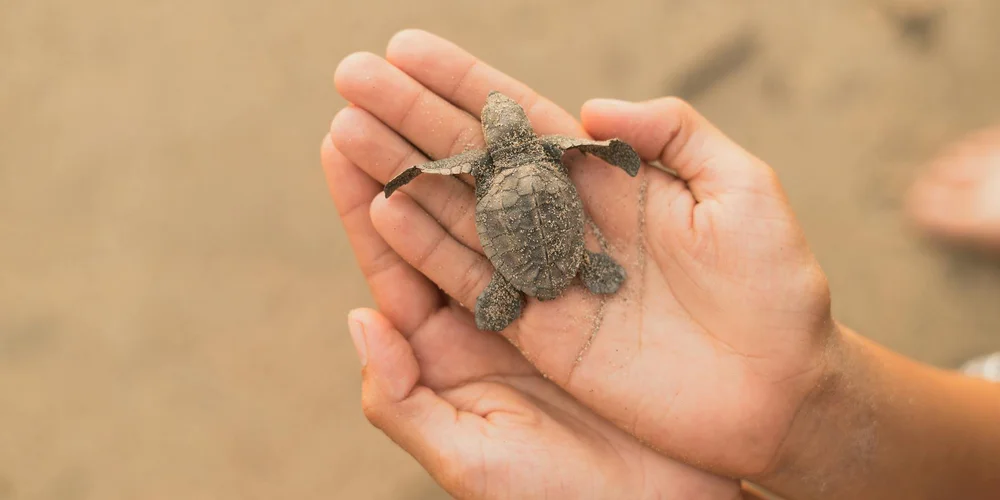
Keeping your turtle healthy starts with simple, consistent habits that protect both of you. I’ve learned from caring for Austen, Bronte, and Orwell that a clean routine makes all the difference in preventing Salmonella spread. Turtles can carry bacteria without any signs, so your daily actions are key to safety. Make sure to follow safe turtle handling practices to minimize the risk.
- Always wash your hands thoroughly after any contact with your turtle or its habitat.
- Keep turtle supplies separate from human items to avoid cross-contamination.
- Wear gloves during deep cleaning sessions for an extra layer of protection.
- Avoid letting turtles roam in areas where food is prepared or eaten.
These steps might seem small, but they build a shield against illness over time.
Handwashing and Personal Care After Handling Turtles
Handwashing is your first defense against Salmonella. I make it a ritual to scrub my hands with soap and warm water for at least 20 seconds after handling any of my tortoises. The gentle lather and rinse feel reassuring, washing away any unseen risks.
- Wet your hands under running water-cool or warm works fine.
- Apply soap and rub vigorously between fingers, under nails, and up to your wrists.
- Rinse completely and dry with a clean towel or air dryer.
- Repeat this after feeding, cleaning, or simply touching your turtle’s shell.
If soap isn’t handy, use an alcohol-based sanitizer as a backup, but water and soap are best.
Cleaning and Disinfecting Your Turtle’s Habitat
A clean home for your turtle means fewer bacteria lurking around. I schedule weekly deep cleans for Austen’s and Bronte’s enclosures, using a mix of diligence and care to keep their spaces safe. This is part of a guide on how to clean a turtle tank properly. Follow the steps below to ensure a thorough, safe cleaning. Start by removing your turtle to a temporary container—this keeps stress low and focus high.
- Remove all substrate, decorations, and food bowls for scrubbing.
- Use a reptile-safe disinfectant, like diluted bleach (1 part bleach to 10 parts water), and let it sit for 10 minutes before rinsing well.
- Rinse everything with fresh water until no chemical smell remains to protect your turtle’s sensitive skin.
- Dry items fully before reassembling the habitat to prevent mold growth.
Daily, spot-clean waste and leftover food to maintain a fresh environment.
When to Seek Medical Attention for Salmonella Symptoms
Salmonella symptoms can appear suddenly and range from mild to severe. If you experience diarrhea, fever over 101°F, or stomach cramps that last more than a day, it’s time to call your doctor. Trust your body’s signals-they’re your best guide.
- Watch for dehydration signs, like dry mouth or reduced urination, which need prompt care.
- High-risk groups, such as young children, older adults, or those with weak immune systems, should seek help sooner.
- Mention your turtle exposure to your healthcare provider for accurate diagnosis.
Early treatment can prevent complications, so don’t hesitate to reach out.
FAQs
Which turtle species are most commonly associated with Salmonella transmission?
Small aquatic turtles, such as red-eared sliders, are frequently linked to Salmonella outbreaks due to their popularity as pets. These species can shed bacteria in their feces even when they appear healthy. To care responsibly, many owners turn to a complete feeding guide that explains what red-eared sliders eat and how often to feed them. A good feeding guide helps ensure balanced nutrition while minimizing risk to people and pets.
How is salmonella transmitted from turtles to humans?
Salmonella spreads through direct contact with turtles or their habitats, like touching the animal or cleaning its tank. Bacteria can transfer to hands and then to the mouth if proper handwashing is not practiced.
What are the common symptoms of a Salmonella infection from turtles?
Symptoms often include diarrhea, fever, and stomach cramps that typically begin 6 hours to 6 days after exposure. Most infections resolve within a week, but severe cases may lead to dehydration and require medical care.
How can turtle owners minimize the risk of Salmonella transmission?
Owners should wash hands thoroughly with soap and water after any contact with turtles or their environments. Additionally, keep turtle supplies separate from household items and avoid allowing turtles in areas where food is prepared. When cleaning the enclosure, use a reptile-safe disinfectant and follow the product’s directions. Rinse thoroughly and let the enclosure dry before returning the turtle to its habitat.
Should children under a certain age avoid handling turtles to reduce Salmonella risk?
Yes, children under 5 years old are at higher risk and should avoid handling turtles to prevent infection. If interaction occurs, ensure close supervision and enforce immediate handwashing to reduce exposure. This topic is part of the Safe Turtle Handling for Children: Complete Guide. It provides practical steps for safe interaction and handling around kids.
Your Guide to Safe and Happy Turtle Keeping
To keep everyone safe, always wash your hands thoroughly with soap after handling your turtle or anything in its habitat. A clean environment for your shelled friend is your first and best defense against germs.
Caring for a pet turtle is a long-term commitment to their health and your family’s safety. Staying informed and attentive to their needs ensures many joyful years with your unique companion. Knowing which health issues to watch for helps you act quickly if problems arise. Regular observation and timely veterinary care can prevent minor issues from becoming serious.
Further Reading & Sources
- Pet Turtles: A Source of Germs | FDA
- Multistate outbreak of turtle-associated salmonellosis highlights ongoing challenges with the illegal sale and distribution of small turtles – PMC
- Salmonella Outbreak Linked to Small Turtles – August 2024 | Salmonella Infection | CDC
- A Review of the Public Health Challenges of Salmonella and Turtles – PMC
Matthew is a dedicated turtle enthusiast and conservationist with over 15 years of experience in reptile care. Known affectionately as "The Leatherback" among his peers, he combines his passion for turtles with a commitment to educating pet owners on responsible turtle care and environmental stewardship.
Safe Handling Techniques