
How to Build a Secure Outdoor Enclosure for Aquatic Turtles
Published on: February 15, 2026 | Last Updated: February 15, 2026
Written By: Matthew The
You want to give your aquatic turtle the joy of a natural summer habitat, but the fear of escapes, predators, and murky water can make the project feel overwhelming.
I’ve built several outdoor ponds for my own turtles over the years, and I can tell you from experience that a little thoughtful planning upfront creates a safe, thriving ecosystem your turtle will love.
This guide will walk you through choosing the right location, essential construction materials, creating clean and healthy water, and, most importantly, foolproof predator-proofing and security measures.
Planning Your Turtle Pond’s Foundation
Getting the foundation right is the most critical step in building a home your turtle will thrive in for years. I learned through trial and error with my own turtles, Austen and Bronte, that a well-planned foundation prevents countless problems down the road.
Choosing the Ideal Pond Size
A cramped pond is a sad pond. Your turtle needs space to swim, explore, and exhibit natural behaviors.
- For smaller species like Mud Turtles: Aim for at least 4 feet by 6 feet.
- For larger sliders and cooters: Start at 6 feet by 8 feet or larger.
- For multiple turtles: Add a minimum of 2 extra square feet of surface area per additional turtle.
My Russian tortoise, Austen, enjoys a smaller land area, but my aquatic friends demand much more swimming room. When in doubt, always choose the larger size; your turtle will use every inch. To choose the perfect tank size, assess your aquatic turtle’s adult dimensions and swimming habits. The shape of the tank also matters—opt for a long, open layout that promotes natural swimming and space to explore.
Pond Depth for Safety
Depth is a safety feature. It needs to allow for proper swimming while preventing any chance of escape.
- Create a shallow ramp or beach area for easy entry and exit.
- The main swimming area should be at least 1.5 to 2 times the length of your turtle’s shell.
- For most common aquatic species, this means a depth of 18 to 24 inches is perfect.
A depth gradient is essential, as it allows weaker swimmers to rest and bask without struggling.
Essential Materials List
Using the right materials from the start ensures durability and, most importantly, the health of your turtle.
- Pond Liner: Use a 45-mil EPDM rubber liner. It’s flexible, durable, and fish-safe.
- Non-Toxic Sealants: Look for 100% silicone sealants labeled as aquarium-safe.
- Durable Mesh: Heavy-duty stainless steel or PVC-coated hardware cloth for predator guards.
- Underlayment: A protective felt or sand layer beneath the liner to prevent punctures.
Never compromise on liner quality; a leaky pond is a headache you don’t want.
Drainage Plan Considerations
Stagnant water breeds bacteria and mosquitoes. A simple drainage plan keeps the environment healthy.
- Plan a very slight slope in your pond’s base toward one corner.
- Install a bottom drain connected to a filter system for easy water changes and cleaning.
- Alternatively, use a powerful submersible pump and hose to manually drain water away from the enclosure.
Good drainage mimics a natural, flowing water system and makes your maintenance routine infinitely easier.
Constructing a Predator-Proof Enclosure
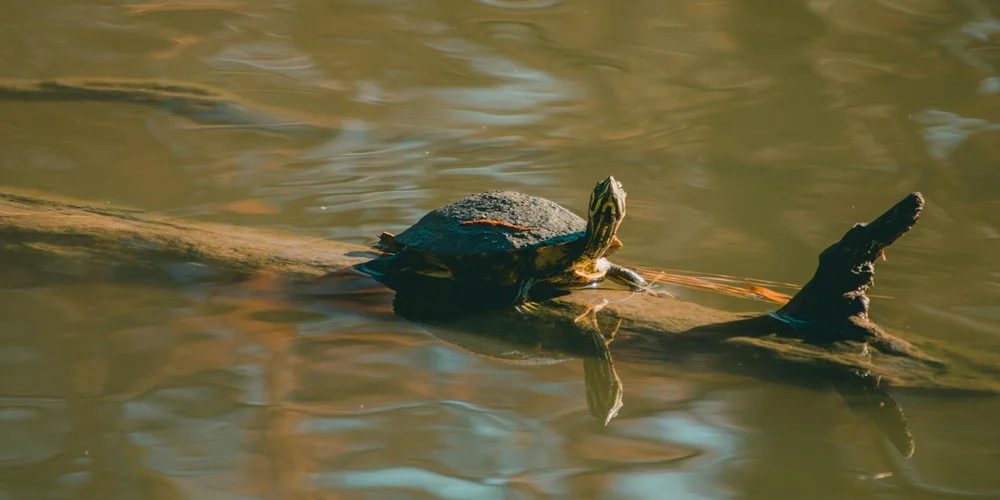
An open pond is an invitation for raccoons, herons, and curious cats. After a close call with a neighborhood raccoon, I became obsessive about predator-proofing my own turtle enclosure. It’s not just about building a fence; it’s about creating a fortress.
Installing Buried Edging
Predators are clever diggers. The first line of defense starts underground.
- Excavate a trench that is at least 12 inches deep around the entire perimeter of your pond.
- Bend the bottom 12 inches of your fencing material at a 90-degree angle outward, creating an “L” shape.
- Place this L-shaped footer into the trench and backfill it firmly with soil and rocks.
This buried apron prevents even the most determined digger from getting a foothold underneath your fence.
Predator-Proof Fencing Options
The fence itself needs to be tall, strong, and impossible to climb.
- Hardware Cloth: PVC-coated, 1/2 inch mesh. It’s rigid, rust-resistant, and animals can’t pull it apart.
- Welded Wire Mesh: A sturdy, cost-effective option with small openings.
- Height: Your fence should be a minimum of 18-24 inches tall above ground.
I used PVC-coated hardware cloth for my enclosure, and its smooth surface has successfully deterred countless climbing attempts. Choose a material with openings too small for a raccoon’s paw to reach through.
Building a Secure Gate
The gate is often the weakest point. Its latch must be complex enough to outsmart clever paws.
- Build a sturdy gate frame from weather-resistant wood or metal that matches your fence height.
- Attach the same mesh material securely to the frame.
- Install two heavy-duty latches: a simple slide bolt and a more complex locking carabiner or spring-loaded latch placed high and low on the gate.
Double latching is non-negotiable; raccoons have been known to figure out simple slide bolts.
Additional Predator Deterrents
Layers of security make your enclosure virtually impenetrable.
- Motion-Activated Lights: These startle nocturnal predators like raccoons and opossums.
- Overhead Netting: A strong bird netting stretched over the top protects against herons and hawks.
- Secure Hiding Spots: Provide underwater caves and dense plant cover so turtles can hide if threatened.
Adding motion-sensor lights was a game-changer for my peace of mind during the night.
Creating a Healthy Aquatic Environment
Your turtle’s water is their entire world, so its quality dictates their health. I’ve found that crystal-clear water starts with choosing a filter rated for double your pond’s actual volume. Turtles are messy, and a filter that’s just adequate will quickly become overwhelmed. That’s why many owners look for the best filter for an aquatic turtle tank and ask why it matters. A good filter keeps ammonia and nitrates in check and makes maintenance easier.
Water Filtration System Selection
For my 100-gallon pond with Bronte and Orwell, I use a canister filter designed for a 200-gallon aquarium. Canister or pressurized pond filters work best because they offer multi-stage mechanical, chemical, and biological filtration. This trio removes waste, neutralizes toxins, and hosts beneficial bacteria.
- Calculate your pond’s total water volume (Length x Width x Depth x 7.5).
- Select a filter with a gallon-per-hour (GPH) turnover rate that can process the entire pond volume at least four times per hour.
- Prioritize filters with easy-to-clean pre-filters to handle turtle waste.
Aeration System Setup
Stagnant water becomes depleted of oxygen, which is stressful for turtles. An air pump connected to an air stone or bubbler keeps the water oxygen-rich and helps prevent surface film. I run a small, weatherproof air pump 24/7 in my setup, and the turtles often play in the bubbles.
- Place the air stone at the pond’s deepest point for maximum circulation.
- Use an outdoor-rated power source and check airline tubing regularly for kinks or blockages.
- Aeration also supports your filter’s beneficial bacteria, which need oxygen to thrive.
Pond Pump Installation
A submersible pump is the heart of your water movement system. Position the pump away from the basking area to create a gentle current that doesn’t disrupt your turtle’s rest. I have mine tucked in a corner, flowing towards the filter intake.
- Ensure the pump’s intake is shielded with a pre-filter sponge to protect small turtles and prevent clogging.
- Secure all tubing and cords to the pond’s edge to prevent curious turtles from dislodging them.
- Choose an energy-efficient pump designed for continuous operation.
Maintaining Water Quality and Controlling Algae
Clear water is a sign of a balanced ecosystem. Weekly partial water changes of 25-30% are the single most effective habit for maintaining pristine water parameters. This manually removes nitrates that fuel algae growth.
- Use a water conditioner to remove chlorine and chloramines from tap water during changes.
- Test water weekly for ammonia, nitrite, nitrate, and pH. Turtles are hardy, but they feel poor water quality.
- Control algae by limiting direct sunlight duration and adding fast-growing aquatic plants like Anacharis, which compete with algae for nutrients.
Designing Essential Basking and Land Areas
A proper dry area is not a luxury; it’s a physiological necessity for shell drying and thermoregulation. Watching Austen methodically climb onto his basking platform every morning reaffirms how vital this space is.
Basking Platform Construction
The platform must be sturdy, easy to exit, and positioned just above the waterline. I built my main platform from slate tiles stacked on bricks, providing a large, flat, heat-radiating surface. The ramp is a crucial element-it must have a rough texture for traction.
- Use natural materials like slate, river rocks, or driftwood. Avoid treated woods or sharp-edged plastics.
- Ensure the ramp has a very gentle slope. A steep ramp is difficult for many turtles to climb.
- Attach the platform securely so it doesn’t shift or sink under the weight of your turtle.
UVB Lighting Placement
Sunlight through glass does not provide UVB, so an artificial source is mandatory for indoor setups and highly recommended for shaded outdoor ones. A linear fluorescent UVB tube should be placed 12-18 inches above the basking spot, parallel to the platform’s longest side. This creates a wide, even gradient of UV exposure.
- Use a reflector behind the bulb to direct all available UVB downward.
- Replace UVB bulbs every 6-12 months, as their output diminishes long before the bulb stops lighting.
- Protect all electrical fixtures from rain and splashing with waterproof covers.
Shading Options
While turtles need warmth, they must be able to escape it. Providing a shaded corner on the basking area or in the water prevents overheating and offers a sense of security. Orwell, my box turtle, particularly appreciates having a plant overhang to retreat under.
- Plant tall, sturdy marginal plants at one end of the basking area to cast natural shade.
- Create a partial cover using a small piece of wood or a terracotta pot placed on its side.
- Ensure part of the water is also shaded, giving your turtle a cool retreat without leaving the water.
Incorporating Safe Plants
Live plants serve multiple purposes: they filter water, provide cover, and offer enrichment. Choose non-toxic, sturdy plants that can withstand occasional nibbling and climbing. My turtles enjoy resting on the broad leaves of water lettuce. Are live plants beneficial in turtle habitats? They are, when you choose non-toxic, sturdy species and maintain them well.
- Floating Plants: Water Hyacinth, Water Lettuce, and Duckweed (though it grows rapidly).
- Submerged Plants: Anacharis and Hornwort, which help oxygenate the water.
- Marginal Plants: Dwarf Papyrus and Sweet Flag planted around the edges for vertical interest and shade.
Implementing Safety and Maintenance Systems
Electrical Safety Measures for Outdoor Equipment
Outdoor ponds need equipment like filters and heaters, which means dealing with electricity near water. You must use a Ground Fault Circuit Interrupter (GFCI) outlet for every single piece of electrical equipment. I learned this the hard way years ago when a faulty pump on a standard outlet tripped my entire house’s power. A GFCI will cut power in a fraction of a second if it detects any imbalance, preventing a potential disaster. Always run cords through conduit to protect them from curious wildlife and the elements, and ensure all connections are elevated well above the waterline.
Weatherproofing Techniques for Seasonal Durability
Your enclosure faces sun, rain, and wind every day. To make it last, you need to think like a builder. I treat all wooden structures with a pet-safe, water-sealing stain, reapplying it every other year to prevent rot and warping. For any metal components, like hinges or latches, use stainless steel to avoid rust. A simple, sloped roof over a section of the pond provides crucial shade for the turtles and protects equipment from direct rainfall. Don’t forget to secure loose items; a sudden storm can turn an unsecured filter lid into a projectile.
Establishing a Weekly and Monthly Maintenance Schedule
Consistency is the secret to a clean, healthy pond. A chaotic schedule leads to stressful, massive cleanings. Here is the routine I follow with my own turtles.
- Weekly Tasks: Skim debris from the water surface. Check and clean the pre-filter sponge. Test water pH and ammonia levels. Visually inspect all equipment is running smoothly.
- Monthly Tasks: Perform a 25-30% water change. Thoroughly clean the main filter media in pond water (never tap water, as it kills beneficial bacteria). Scrub algae from the pond walls. Inspect the entire enclosure for any wear, tear, or damage.
Seasonal Care Adjustments for Temperature Changes
Turtles are ectotherms, so their world revolves around temperature. My Russian Tortoise, Austen, starts slowing down his eating when nighttime temperatures consistently drop below 60°F, which is my cue to begin seasonal preparations. In autumn, I increase feeding to help them build fat reserves and install a pond heater to prevent a complete freeze. During summer heatwaves, I add extra shade and ensure their pond has deep, cool areas to retreat to. You must observe your local climate and your turtles’ behavior—they will tell you what they need. This is especially important when it comes to managing nighttime heat for turtles.
Understanding Long-Term Care Requirements
Budgeting for Ongoing Maintenance Costs
An outdoor pond is a living system with recurring expenses. Beyond the initial build, you should budget for electricity to run pumps and filters, water conditioner for changes, replacement filter media, and high-quality food. I set aside a small fund each month for unexpected repairs; a pump can burn out or a liner can get punctured. It’s far less stressful to have the money ready than to scramble when something breaks. Think of it as a subscription to your turtle’s wellness. Put simply, this is part of the ultimate cost-benefit analysis of owning a turtle. The ongoing care and stable habitat deliver long-term value beyond the upfront price.
Checking Local Legal and Welfare Guidelines
This is a step many hobbyists overlook, but it’s critical for your turtle’s security. Many municipalities have specific regulations about fencing height, pond depth, and even which turtle species are permitted outdoors. I once had to modify my entire enclosure plan after discovering a local code requiring a locking gate. Furthermore, animal welfare guidelines often stipulate minimum space requirements and predator-proofing standards. A quick call to your local animal control or fish and wildlife department can save you from future legal trouble.
When Indoor Enclosures Might Be Necessary
As much as turtles thrive outdoors, there are times when bringing them inside is the safer, kinder choice. You need a backup indoor habitat ready for extreme weather events, like blizzards or hurricanes, or if your turtle is ill and needs closer observation. My box turtle, Orwell, had a respiratory infection one winter, and having his indoor tank ready allowed me to keep him warm and administer medication easily. If you travel frequently or live in an area with rapidly fluctuating weather, an indoor setup becomes a non-negotiable part of responsible ownership.
Monitoring Turtle Behavior and Health Indicators
Your turtles communicate their well-being through their actions. You are their first line of defense. Watch for these key signs daily. If you notice any concerning changes, consult a veterinarian who treats reptiles.
- Positive Signs: Active swimming and basking. A strong appetite. Clear, bright eyes. Smooth shell without soft spots or discharge.
- Concerning Signs: Lethargy or refusing to enter the water. Swollen eyes or bubbles from the nose. Loss of appetite. Spending all day hidden. Any of these warrant a closer look and potentially a vet visit.
I spend a few quiet moments each evening just watching Bronte and Austen; this simple habit has helped me catch minor issues before they became major health crises. Your attentive eye is the most valuable tool in your long-term care kit.
FAQs
What is the ideal size for a turtle pond enclosure?
The ideal size varies by species, but for most aquatic turtles, aim for a minimum of 6 feet by 8 feet to provide ample swimming space. Always choose a larger size if possible to support natural behaviors and accommodate multiple turtles comfortably. To ensure you are providing the right habitat, read our guide on enclosure sizes for turtles and tortoises.
How deep should a turtle pond enclosure be to prevent escape?
The main swimming area should be at least 18 to 24 inches deep to discourage climbing out while allowing proper swimming. Incorporate a gently sloped ramp or beach area to facilitate easy entry and exit without aiding escapes.
What materials are best for building a turtle pond enclosure?
Opt for a 45-mil EPDM rubber liner as it is durable, flexible, and safe for aquatic life. Use PVC-coated hardware cloth for fencing to resist rust and prevent predators from penetrating the enclosure.
How do you prevent turtles from escaping a pond enclosure?
Install a fence that is at least 18-24 inches tall with a buried L-shaped footer to block digging attempts. Secure all gates with dual latches and consider adding overhead netting to deter climbing and aerial escapes.
What temperature and lighting does a turtle pond enclosure need?
Maintain a basking spot temperature of 85-90°F and provide full-spectrum UVB lighting for essential vitamin D3 synthesis. Keep water temperatures between 75-80°F, using heaters or shade as needed to stabilize conditions.
Your Turtle Pond Journey Concludes Here
From my time caring for Orwell, my box turtle, I’ve seen that a predator-proof fence and clean, well-filtered water form the foundation of a safe outdoor home. To diagnose your turtle’s habitat, run through a quick checklist—perfect lighting, proper heat, clean water, and secure enclosure. Add ample basking spots and regular maintenance to keep your turtles thriving in their new environment.
Your commitment to responsible pet ownership ensures these amazing creatures live full, healthy lives. Stay curious and keep exploring turtle care resources to grow alongside your pets. This essential guide to caring for land and aquatic turtles offers practical tips on habitats, diets, and enrichment. It helps you tailor care to both land and water environments.
Further Reading & Sources
- Amazon.com: Outdoor Turtle Habitat
- 14 Easy Steps to Make an Outdoor Turtle Enclosure Even If You Know Nothing – The Turtle Hub
- 4 Ways to Build an Outdoor Turtle Enclosure – wikiHow
- Outdoor Habitats for turtles
Matthew is a dedicated turtle enthusiast and conservationist with over 15 years of experience in reptile care. Known affectionately as "The Leatherback" among his peers, he combines his passion for turtles with a commitment to educating pet owners on responsible turtle care and environmental stewardship.
Aquatic Turtles