
How Dietary Fiber Supports Your Turtle’s Healthy Digestion
Published on: August 25, 2026 | Last Updated: August 25, 2026
Written By: Matthew The
If you’ve ever noticed your turtle seeming sluggish or struggling with digestion, you’re not alone-many owners worry about issues like constipation or nutrient absorption, which fiber directly addresses.
In this article, we’ll cover the types of fiber, their digestive benefits, best food sources, and practical feeding tips.
What Exactly Is Dietary Fiber and Why Do Turtles Need It?
Dietary fiber is the indigestible part of plant foods, the structural component that gives plants their shape. Think of it as the skeleton of the plants your turtle eats, the part that their bodies can’t break down into simple sugars for energy. This plant material comes in two main forms that are vital for reptiles. Soluble fiber, like pectin, dissolves in water to form a gel-like substance inside the gut. Insoluble fiber, including cellulose and hemicellulose, does not dissolve; it remains relatively intact, adding bulk.
For a turtle, this isn’t just roughage. Fiber is fundamental for maintaining a healthy gut, promoting proper hydration, and ensuring smooth digestion. The right balance of fiber acts like a internal broom, sweeping food through the digestive tract at the correct pace. It helps absorb and retain water in the intestines, which is crucial for preventing dehydration and ensuring stools are formed and pass easily, a common concern for captive turtles.
From my years with my herbivorous Russian and Greek tortoises, Austen and Bronte, I’ve seen this firsthand. When their diet is rich in high-fiber leafy greens and grasses, their digestion is steady and predictable, much like their calm personalities. My omnivorous box turtle, Orwell, also needs that fibrous foundation from his vegetables to balance the protein in his diet. Without it, his system becomes sluggish. A fiber-rich diet is non-negotiable for their long-term wellness.
How Fiber Works Inside a Turtle’s Digestive System

Once ingested, fiber begins its crucial work. Insoluble fiber primarily influences gut motility-the rhythmic, wave-like contractions that push food along. By adding bulk to the digesta, it stimulates the intestinal walls to contract more effectively, preventing food from sitting stagnant. This keeps everything moving, regulating transit time so nutrients can be absorbed without the food rotting inside the gut.
In the large intestine and cloaca, a remarkable process called hindgut fermentation occurs. Here, beneficial gut microbes break down the soluble fiber, releasing valuable fatty acids that the turtle can use for energy. This fermentation supports a balanced gut microbiota, the community of good bacteria essential for health. The fiber directly affects fecal bulk and consistency; too little leads to small, hard stools, while the right amount creates well-formed droppings.
Fiber also plays a subtle role in nutrient and mineral absorption. Imagine fiber in the gut as a slow-release sponge; it doesn’t block absorption but can help moderate it, preventing mineral overloads. It ensures that nutrients are not rushed through the system, giving the turtle’s body adequate time to extract what it needs. Importantly for shell health, a turtle’s diet and nutrition balance rely on this absorption, since calcium and other minerals must be available for shell formation. Thus, proper diet and nutrition directly influence shell health. A properly functioning, fiber-fed digestive system is the cornerstone of a healthy, active turtle.
Best Natural Fiber Sources for a Healthy Turtle Diet
Feeding your turtle the right fibrous foods can transform their digestive health and overall vitality. I always start with fresh, leafy greens because they mimic the natural forage my tortoises would find in the wild. Over the years, I’ve seen how a fiber-rich diet keeps shells strong and digestion smooth.
- Dandelion greens: These are a powerhouse of fiber and calcium, and my Russian Tortoise, Austen, eagerly munches on them daily.
- Collard and mustard greens: Low in oxalates and high in roughage, they’re safe staples for most species.
- Kale and turnip greens: Use these in rotation to avoid oxalate buildup, which can interfere with nutrient absorption.
- Squash and carrots: When chopped finely, they add crunch and fiber, especially loved by my Greek Tortoise, Bronte.
- Romaine lettuce and endive: Hydrating and fibrous, but skip iceberg lettuce as it offers little nutritional value.
Comparing fruits to vegetables reveals key differences in fiber content and risks. Vegetables generally provide more consistent fiber with lower sugar, making them the better choice for daily meals. For instance, collard greens have about 4 grams of fiber per 100g, while an apple might have 2-3 grams but comes with higher natural sugars that can lead to diarrhea or weight gain if overfed. I limit fruits like berries or melons to occasional treats for my box turtle, Orwell, to keep his energy balanced.
- Always wash produce thoroughly to remove pesticides that could harm your pet.
- Chop foods into small, manageable pieces based on your turtle’s size-tiny bites prevent choking.
- Introduce new items slowly; I watch for any changes in behavior or stool to ensure tolerance.
- Tailor selections to species: Herbivores like Russian tortoises need 80-90% plant-based fiber, while omnivores like box turtles benefit from a 50-70% mix with added protein.
Tailoring Fiber Intake to Your Turtle’s Species and Age
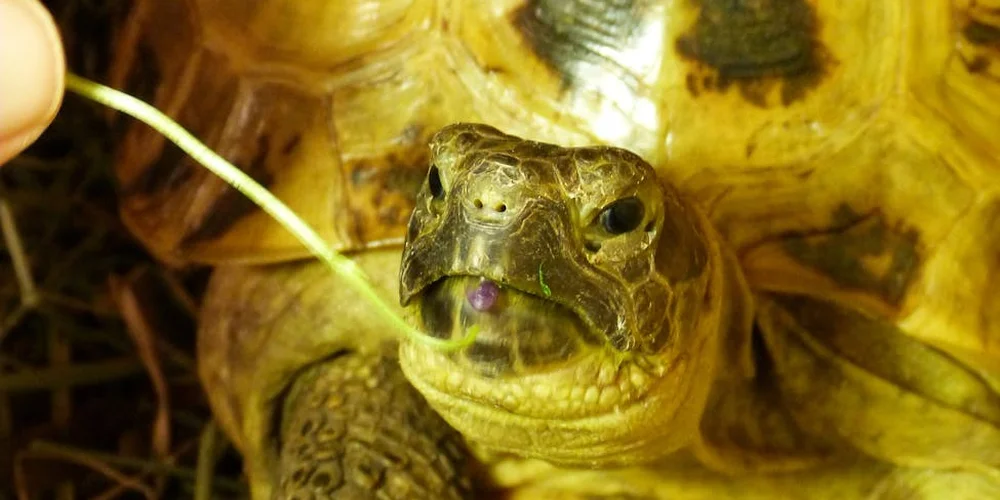
Getting fiber right means considering your turtle’s biology and life stage. Herbivorous turtles, such as Russian and Greek species, thrive on high-fiber diets that support their slow, deliberate digestion. In contrast, omnivores like box turtles need a balanced approach where fiber aids gut health without overshadowing protein needs. I’ve noticed how Austen, my gentle Russian, stays content with ample greens, while Orwell, the reserved box turtle, prefers variety.
- Herbivorous turtles: Require diets with 70-90% fibrous plants to prevent issues like impaction and promote natural grazing.
- Omnivorous turtles: Aim for 40-60% fiber from greens and vegetables, complemented by insects or lean proteins for energy.
General daily fiber guidelines help maintain a healthy energy balance. For adult herbivores, fiber should make up 20-30% of their intake, while omnivores do well with 10-20%. Adjust for age: Juveniles need more protein for growth, so I slightly reduce fiber for young tortoises like when Bronte was smaller. Active turtles might require more calories, but fiber remains crucial to avoid digestive slowdowns-I monitor weight and activity to fine-tune portions.
Sharing from my experience, Austen’s steady personality matches his love for fibrous dandelion greens, which keep his digestion reliable. With Orwell, I blend leafy greens with protein sources, ensuring his fiber intake supports his intelligent, curious nature without causing lethargy. Observing your turtle’s responses over time is the best way to personalize their diet for lifelong health. Consider using a complete safe list of vegetables turtles can eat as a quick reference. It helps you plan varied, safe greens alongside the fiber-forward approach you’re already using.
Potential Health Issues from Too Much or Too Little Fiber

Getting the fiber balance wrong for your turtle is like trying to walk on a tightrope; too far in either direction can lead to a fall. I learned this the hard way with Orwell, my box turtle, when a diet too low in fiber left him lethargic and struggling with digestion.
When fiber is too low, digestion slows to a crawl. Food sits in the gut, leading to constipation and potential impaction, a serious blockage. Your turtle might stop eating, become inactive, or strain without producing waste. Understanding how turtles digest and excrete waste can help you recognize when something is wrong.
On the flip side, an excessive amount of roughage can cause its own problems. Too much fiber can sweep everything through the gut too quickly, preventing proper absorption of water and essential nutrients. This can result in diarrhea and dehydration, leaving your turtle weak and its shell looking sunken.
Signs of Fiber-Related Trouble
Watch your turtle closely. You are their first line of defense. Here are the red flags:
- Lack of appetite for more than a few days.
- No bowel movements for a week or longer.
- Runny, unusually smelly, or discolored stool.
- Lethargy and lack of interest in their environment.
- Visible straining or signs of discomfort.
If you notice any of these signs persisting, it’s time to consult a reptile-savvy veterinarian. They can provide a definitive diagnosis and treatment plan, which is far safer than guessing at home.
Preventing Common Ailments
The best medicine is always prevention. A balanced, fiber-appropriate diet is your strongest shield against many common reptile health issues, from metabolic bone disease to chronic gut problems. Think of fiber as the regulator that keeps the entire digestive engine running smoothly and efficiently.
When and How to Supplement Fiber in Captive Turtle Diets

Most of the time, a varied diet of fresh greens and vegetables provides all the fiber a turtle needs. But life in captivity isn’t always perfect, and sometimes they need a little help. If your turtle is stubborn about greens, offer chopped greens and vegetables in smaller, more accessible pieces. With patience and consistent offering, you can help get a stubborn turtle to eat greens.
I only consider supplementation in specific situations, like when a turtle is recovering from illness and has a poor appetite, or during winter when fresh, high-quality produce is harder to find. Older turtles, like my Greek tortoise Bronte, sometimes also benefit from a gentle fiber boost to keep things moving.
Natural Sources vs. Commercial Supplements
You have two main paths to increase fiber intake.
- Natural Sources: This is always my first choice. I add more fibrous greens like endive, dandelion greens, and opuntia cactus pads to their regular meals.
- Pros: Most natural, provides other nutrients, encourages natural foraging behavior.
- Cons: Requires a reliable source of fresh produce, can be seasonal.
- Commercial Supplements: These are powders, like pure psyllium husk or specific reptile-formulated products.
- Pros: Highly concentrated, convenient, shelf-stable, easy to dose.
- Cons: Easy to over-supplement, doesn’t provide the enrichment of whole foods.
Safely Introducing Fiber Supplements
If you and your vet decide a supplement is needed, introduce it slowly to avoid shocking their system.
- Consult your veterinarian for the correct product and dosage for your specific turtle species and size.
- Start with a half-dose mixed thoroughly into a very small amount of their favorite moist food.
- Observe them for the next 24-48 hours. Watch their appetite, energy, and waste output.
- If all seems well, you can gradually work up to the full recommended dose, but never exceed it.
- Use supplements as a temporary aid, not a permanent replacement for a poor diet. The goal is always to fix the core diet first.
FAQs
How much dietary fiber should a turtle consume daily?
Fiber intake varies by species and age, but adult herbivorous turtles typically need 20-30% of their diet as fiber, while omnivores require 10-20%. Adjust portions based on your turtle’s activity level and health to maintain optimal digestion. To create a balanced diet for your omnivorous turtle, pair fiber with protein-rich foods and a variety of vegetables and fruits. This approach supports digestion and overall health.
Do different turtle species have different fiber requirements?
Yes, herbivorous species like Russian tortoises thrive on high-fiber diets of 70-90% plants, while omnivores such as box turtles do well with 40-60% fiber from greens. For Eastern box turtles specifically, a complete diet guide can help you balance greens, insects, and occasional fruit. This approach supports steady nutrition and long-term health. Always tailor the diet to your turtle’s natural eating habits for best health.
Can too much dietary fiber cause health issues in turtles?
Excessive fiber can lead to diarrhea and dehydration by speeding up gut transit and impairing nutrient absorption. Reading turtle poop using a quick turtle poop visual guide can help you spot these changes early and protect your pet’s health. Monitor your turtle for signs like watery stools or lethargy and adjust their diet promptly to avoid complications.
Your Turtle’s Happy Gut Checklist
Fiber keeps your turtle’s digestive system moving smoothly and helps prevent common issues like constipation. Offer a variety of leafy greens, safe grasses, and occasional high-fiber veggies to create a balanced, gut-friendly diet.
Caring for a turtle is a long-term commitment that rewards you with a unique and fascinating companion. This essential guide for land and aquatic turtles helps you navigate their distinct needs. It covers housing, diet, and health to keep them thriving. Keep asking questions and seeking out reliable care information, because your dedication truly makes all the difference in their quality of life.
Further Reading & Sources
- What Do Turtles Eat?|Deltona Animal Medical Center
- Effects of Dietary Fiber and Its Components on Metabolic Health – PMC
- What Do Turtles Eat? 15 Foods They Love the Most
- The diet and digestive energetics of an Australian short-necked turtle, Emydura macquarii – ScienceDirect
Matthew is a dedicated turtle enthusiast and conservationist with over 15 years of experience in reptile care. Known affectionately as "The Leatherback" among his peers, he combines his passion for turtles with a commitment to educating pet owners on responsible turtle care and environmental stewardship.
Common Turtle Foods