
Turtle Habitats: Wild and Pet Environments
Published on: May 30, 2026 | Last Updated: May 30, 2026
Written By: Matthew The
Creating a comfortable home for a turtle can feel like a puzzle, especially when you’re not sure how to mirror their natural world.
I’ve spent years caring for my own shelled companions-Austen, Bronte, and Orwell-and learned that a proper habitat is the foundation of their health and happiness. Whether they roam forests or bask in your living room, turtles thrive in spaces that respect their instincts.
This article covers: wild turtle ecosystems, types of pet enclosures, essential habitat elements, and common setup mistakes to avoid.
Understanding Turtle Habitats: From Wild to Home
Observing my Russian tortoise, Austen, methodically patrolling his enclosure often reminds me of the complex ecosystems his wild cousins inhabit. A turtle’s habitat isn’t just a place to live; it’s an entire world that dictates their health, behavior, and longevity. The transition from a sprawling forest floor or a sun-drenched pond to a controlled home environment is significant, and our job is to bridge that gap with care and understanding.
Key Elements of a Wild Turtle’s World
Wild turtles thrive in places that provide for all their fundamental needs in one location. These areas are dynamic, offering a buffet of resources that change with the seasons.
- Ample Space: Territories are vast, allowing for foraging, basking, and hibernation.
- Clean Water Sources: Ponds, streams, and lakes provide hydration and, for aquatic species, a primary residence.
- Diverse Land Areas: Sandy banks for egg-laying, soft soil for burrowing, and rocky outcrops for sunning.
- Natural Temperature Gradients: Sunlit spots for warmth and shaded, cool areas for retreat.
- Abundant Food & Hiding Places: A mix of native plants, insects, and secure spots from predators.
Decoding Turtle Habitat Needs
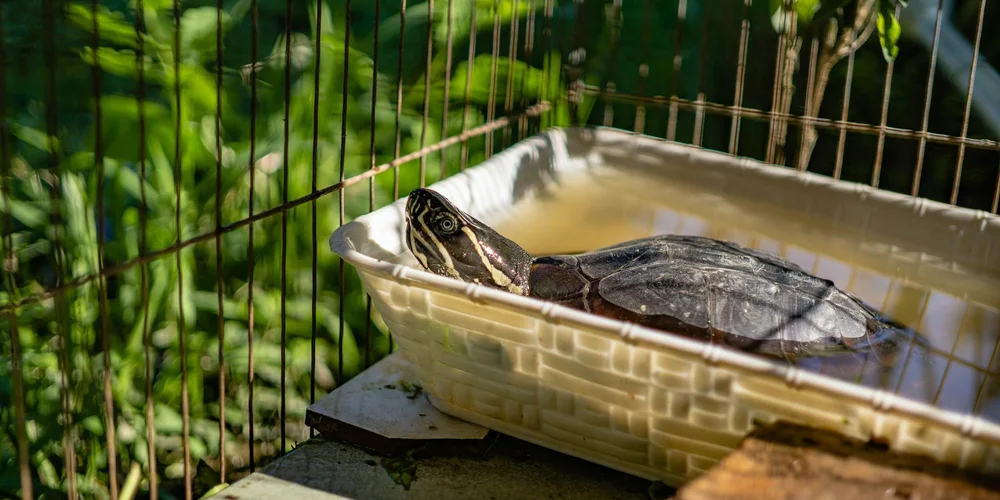
Recreating the essence of the wild at home is our greatest responsibility. Every choice we make, from tank size to substrate, directly impacts their well-being. My Greek tortoise, Bronte, taught me that a content turtle is one that can express its natural behaviors freely and safely.
The Core Components of a Pet Turtle Habitat
Think of building a habitat as assembling a puzzle where every piece is vital.
Space & Enclosure
A common mistake is starting too small. Your turtle’s enclosure should be the largest you can possibly manage, as cramped quarters lead to stress and health decline. It’s important to know the right size enclosure for your reptile. A good rule is 10 gallons of tank space per inch of shell length for aquatic turtles, and a minimum of a 4×2 foot enclosure for a small tortoise like mine.
The All-Important Water Area
For semi-aquatic and aquatic species, water is their living room. The water must be deep enough for your turtle to swim and flip over comfortably, preventing drowning. I learned this the hard way with a shallow bowl early on. A powerful filter is non-negotiable to keep their water pristine, as turtles are messy eaters.
- Water depth: 1.5 to 2 times the shell length for swimmers.
- Filtration: Use a canister filter rated for 2-3 times the tank’s volume.
- Water quality: Test regularly for ammonia, nitrites, and nitrates.
The Essential Basking Zone
Every turtle, even my primarily terrestrial ones, needs a dry, warm spot to completely dry off and regulate their body temperature. Proper basking is critical for shell health and digestion, as it allows them to process the nutrients from their food. Bronte will sit for hours under her lamp after a meal, a picture of pure contentment.
- Provide a sturdy platform or rock that is easy to climb onto.
- Use a dedicated basking lamp to create a hotspot of 90-95°F.
- Ensure the basking area is entirely out of the water and bone-dry.
Lighting: Beyond Just Illumination
Sunlight is a wild turtle’s best friend, and we must replicate its two most important components. A UVB light is not optional; it’s as crucial as food and water, enabling your turtle to synthesize vitamin D3 and absorb calcium for a strong shell. Without it, metabolic bone disease is a real and heartbreaking risk.
- UVB Light: Essential for 10-12 hours a day. Replace bulbs every 6-12 months as their output degrades.
- Heat Lamp: Maintains the basking area temperature and provides a day/night cycle.
Substrate & Hiding Places
The ground your turtle walks on and the places it hides in provide security and enrichment. Choosing the right substrate can prevent impaction and encourage natural digging behaviors. For my box turtle Orwell, a deep layer of coconut coir and sphagnum moss allows him to burrow and maintain the humidity he needs.
- Safe Substrates: Coconut coir, cypress mulch, organic topsoil.
- Hides: Provide multiple hiding spots using half-logs, cork rounds, or plant pots to reduce stress.
Temperature & Humidity Gradients
A habitat should not be one uniform temperature. Creating a thermal gradient—a warm side and a cool side—allows your turtle to self-regulate its body temperature, just as it would in nature. Turtles still need warmth at night, so nighttime heat management matters. I use ceramic heat emitters on one end of the enclosures to maintain ambient temperatures without light at night. A practical nighttime heat management guide can help you set safe temperatures after lights out.
Setting Up Your Pet Turtle’s Home
Choosing the Right Water and Filtration
Clean water is the heart of your turtle’s aquatic world. I learned this the hard way with my first turtle, Orwell, when cloudy water led to a minor shell infection. You need a filter rated for at least twice the volume of your turtle’s tank to handle their significant waste output. It’s crucial to choose the right filter for your turtle’s aquatic environment. A powerful canister filter has been my personal savior for keeping the water pristine for my Russian and Greek tortoises’ soaking areas.
Water quality directly impacts your turtle’s health and vitality. I test the water weekly with a simple kit to monitor pH, ammonia, and nitrite levels. Investing in a robust filtration system is the single best thing you can do to prevent common health issues and reduce your cleaning frequency. My canister filter runs 24/7, providing both mechanical and biological filtration that mimics a natural, flowing environment.
Creating the Perfect Basking and Dry Area
Turtles are solar-powered creatures who need a completely dry spot to thermoregulate. My tortoise, Bronte, will spend hours soaking up warmth on her slate platform. Your basking area must be large enough for the turtle to exit the water entirely and comfortably sprawl out under the heat and UVB lamps. I use a combination of smooth river rocks and a floating dock to create a secure, easy-to-climb sanctuary.
The right lighting setup is non-negotiable for shell and bone health. You need two separate lamps positioned over the basking dock. A reptile-specific UVB bulb is essential for enabling your turtle to metabolize calcium, preventing metabolic bone disease. I pair this with a simple basking bulb to create a hotspot of around 90-95°F, which my turtles gravitate towards after a swim.
- Platform Material: Use slate, cork bark, or a commercial turtle dock. Avoid anything abrasive.
- Heat Gradient: The basking spot should be 15 degrees warmer than the water temperature.
- Safety First: Ensure all lamps are securely fastened to prevent falls or burns.
Maintaining a Thriving Turtle Habitat
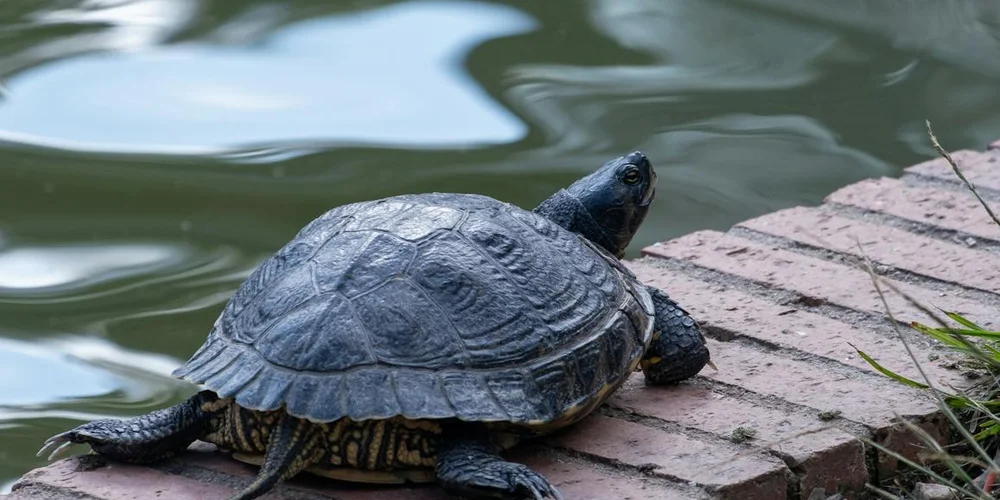
Consistency is the secret to a healthy habitat. I treat Saturday mornings as “tank day” for my crew. A partial water change of 25-50% every week is far more effective and less stressful for your turtle than a full, infrequent breakdown. I use a gravel vacuum to siphon out waste from the substrate while refreshing the water, a routine that keeps the environment stable for my pets.
Habitat maintenance goes beyond just cleaning the water. You must become a diligent observer of your setup. Check your filter for clogs weekly and replace UVB bulbs every six months, as their invisible output diminishes long before the light bulb itself burns out. I mark these dates on my calendar because it’s easy to forget, and your turtle’s health depends on it.
- Daily: Remove uneaten food and spot-clean visible waste.
- Weekly: Perform a partial water change and test water parameters.
- Monthly: Deep clean the filter media in tank water (not tap water) to preserve beneficial bacteria.
- Semi-Annually: Replace the UVB bulb and inspect all equipment for wear.
Troubleshooting Common Habitat Issues

Even with the best setup, things can go a little sideways. Don’t panic; most habitat hiccups have simple, straightforward fixes. I’ve dealt with my fair share of murky water and finicky heaters over the years.
Algae Overgrowth
Green water and slimy surfaces are a common frustration. Algae thrives on two things: excess nutrients and too much light. My tank went through a serious green phase until I adjusted these factors.
- Reduce lighting duration to 8-10 hours a day.
- Perform more frequent, smaller water changes to remove waste.
- Consider adding an algae-eating crew like nerite snails, which are safe with turtles.
- Don’t overfeed! Uneaten food is a major nutrient source for algae.
Persistent Unpleasant Odors
A healthy turtle habitat shouldn’t smell bad. A foul odor almost always points to a filtration or cleaning issue. I learned this the hard way with my first inadequate filter. To keep your turtle tank clean and odor-free, establish a simple routine: regular filter checks, weekly water changes, and spot-cleaning as needed. A reliable filtration system and consistent maintenance really matter.
- Check that your filter is powerful enough for your tank’s gallon capacity.
- Clean or replace filter media regularly, but never all at once to preserve beneficial bacteria.
- Remove any uneaten food and waste promptly after feeding.
- Ensure your basking area is completely dry; a constantly damp platform can grow mold.
Substrate Problems
The material you line the bottom of the habitat with can cause issues. I strongly advise against using small, easily swallowed gravel. My box turtle, Orwell, once gave me a scare this way.
- If you use substrate, choose large, smooth river rocks or bare-bottom tanks for easy cleaning.
- Fine sand can sometimes cause impaction if ingested in large quantities.
- For terrestrial turtles, ensure their substrate holds burrows without collapsing.
Inconsistent Water and Basking Temperatures
Turtles are ectotherms and rely on their environment to regulate their body temperature. An incorrect temperature gradient is a fast track to health problems. I use two separate thermometers to monitor this constantly.
- Verify your water heater’s wattage is sufficient for the volume of water.
- Check that your basking lamp is the correct type and wattage to achieve a surface temperature of 90-95°F.
- Ensure the lamp is positioned at a safe but effective distance from the basking spot.
- Keep the habitat away from drafty windows or air vents.
Enriching Your Turtle’s World
Providing more than just the basics is what separates a good habitat from a great one. Enrichment reduces stress, prevents boredom, and encourages natural behaviors. Watching my tortoises explore a new arrangement is one of my greatest joys.
Sensory and Food-Based Enrichment
Make mealtime fun and engaging. Foraging is a deeply ingrained natural behavior for all turtles. I hide pieces of dandelion greens for my Greek tortoise, Bronte, to find.
- Scatter food items around the enclosure instead of using a single bowl.
- For aquatic turtles, use a feeding rock or place food in different areas of the tank.
- Offer novel, safe foods like edible flowers (hibiscus, nasturtiums) or different types of leafy greens.
- For omnivorous species, offer live prey like feeder fish or crickets to stimulate hunting instincts.
Physical Habitat Enrichment
Change the landscape to spark curiosity. A dynamic environment gives your turtle choices and control over its surroundings. My Russian tortoise, Austen, loves having different paths to explore.
- Rearrange decor, rocks, and logs every few weeks to create a “new” territory.
- Create visual barriers with plants or decorations to make the space feel larger and more secure.
- Provide different substrates to walk on, like a flat stone, a patch of sphagnum moss, and bark.
- Add a “dig box” filled with organic soil or coconut coir for burrowing species.
Encouraging Natural Behaviors
Think about what your turtle would do in the wild and try to replicate those opportunities. A turtle that can express its natural instincts is a happy, healthy turtle. I ensure all my turtles have what they need to behave naturally.
- Provide a shallow water dish large enough for soaking for terrestrial turtles.
- Include hiding places on both the warm and cool sides of the enclosure.
- For semi-aquatic turtles, ensure the water area is deep enough for proper swimming and diving.
- Offer cuttlebone for them to gnaw on, which helps maintain beak health and provides calcium.
Outdoor Habitats for Pet Turtles
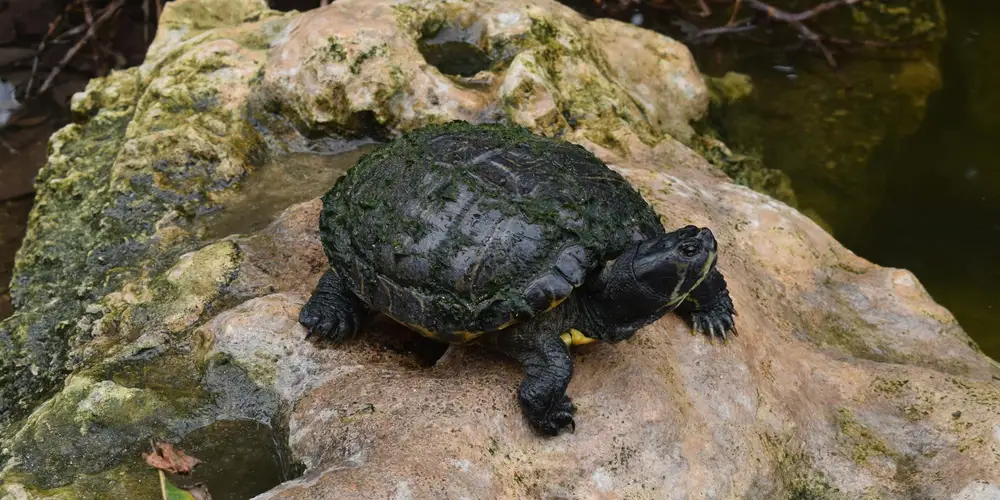
Creating an outdoor space for your turtle can feel like giving them a mini-vacation in nature, but it requires careful planning to keep them safe and happy. I’ve found that outdoor habitats let my turtles, like Austen and Bronte, bask in real sunlight and explore more naturally, which boosts their overall well-being. Based on my years of caring for turtles, I’ll walk you through the essentials to make this a rewarding experience for both of you.
Key Benefits of Outdoor Enclosures
Outdoor setups offer unique advantages that indoor tanks can’t match, especially for species like Russian or Greek tortoises. Natural sunlight provides essential UVB rays that help turtles metabolize calcium, reducing the risk of shell deformities. Here’s why I often move my turtles outside during warmer months:
- Enhanced physical activity from exploring varied terrain
- Improved mental stimulation through exposure to natural elements like breezes and sounds
- Better shell health due to direct sun exposure
- Opportunities for natural behaviors, such as digging and foraging
Essential Elements for a Safe Outdoor Habitat
Safety is non-negotiable, as outdoor environments pose risks like predators or extreme weather. Always include a secure, predator-proof enclosure with a lid to prevent escapes and protect from birds or raccoons. From my experience with Orwell, my box turtle, I focus on these must-haves:
- Sturdy fencing buried at least 6 inches deep to stop digging out
- Shaded areas using plants or hides to prevent overheating
- Fresh water source, like a shallow dish, for drinking and soaking
- Varied substrate, such as soil and sand, to mimic their wild terrain
Step-by-Step Guide to Building an Outdoor Habitat
Setting up an outdoor space doesn’t have to be complicated if you follow a clear plan. Start by choosing a location with partial sun and shade to balance basking and cooling needs. Here’s how I’ve successfully created habitats for my turtles:
- Select a level, well-drained spot away from heavy foot traffic
- Construct a frame using weather-resistant wood or plastic, ensuring walls are at least twice the turtle’s length high
- Add a mix of substrates-I use topsoil for digging and smooth stones for texture
- Incorporate live plants like clover or dandelions for enrichment and occasional snacks
- Install a secure mesh top and check for gaps regularly to maintain safety
Personal Experience: My Turtles’ Outdoor Adventures
Watching Austen, my Russian tortoise, slowly navigate through clover patches reminds me how outdoor time enriches their lives. Bronte, the Greek tortoise, often spends hours sunbathing gracefully, and I’ve noticed her shell colors brighten over time. Orwell, being more reserved, prefers hiding under logs, but his curiosity peaks when he encounters new scents. These moments highlight why advocating for animal welfare means providing spaces where they can express natural behaviors.
Common Mistakes to Avoid
Even with good intentions, small oversights can lead to big problems. Never leave turtles unsupervised outdoors for long periods, as weather can change rapidly and stress them. Based on trial and error, steer clear of these pitfalls:
- Using toxic plants or pesticides that could harm if ingested
- Overlooking humidity needs-some species require moist areas to prevent dehydration
- Skimping on enclosure size; aim for at least 4 square feet per small turtle
- Forgetting to provide hiding spots, which reduces stress from overexposure
FAQs
What is a pet turtle habitat?
A pet turtle habitat is a controlled home environment designed to meet all of a turtle’s biological and behavioral needs. It typically includes areas for swimming, basking, and hiding, along with proper lighting and temperature controls. Understanding the specific space and habitat requirements is crucial for any pet turtle owner.
Where can I find a pet turtle habitat for sale?
You can purchase pet turtle habitats from major pet supply stores, online retailers like Amazon or Chewy, and specialty reptile shops. Many local pet stores and custom enclosure builders also offer a range of options to suit different species and budgets. If you’re looking to buy turtles, PetSmart and PetCo often stock beginner-friendly species. Always verify the health of the animal and check local regulations before purchase.
What is a pet turtle habitat kit?
A pet turtle habitat kit is a pre-assembled package that includes basic essentials for starting an enclosure, such as a tank, filter, and basking dock. These kits provide a convenient foundation but often need supplemental items like specific UVB bulbs or additional decor for a complete setup.
How do I set up a pet turtle habitat?
Start by selecting an appropriately sized enclosure and installing a water area with a filter and heater for aquatic species. Then, add a dry basking zone with UVB and heat lamps, and incorporate safe substrates and hiding spots to mimic natural conditions.
Your Journey in Turtle Care
Focus on replicating wild habitats with proper lighting, space, and temperature to support your turtle’s health. Drawing from my years with Austen, my Russian tortoise, I’ve found that a well-setup environment prevents common issues and fosters natural behaviors.
Embrace responsible ownership by committing to lifelong learning about turtle care needs. As I continually adapt for Bronte and Orwell, your dedication ensures a thriving, happy life for your shelled friend.
Further Reading & Sources
- -Aquatic Turtle Habitat Guidelines – Central Mississippi Turtle Rescue
- The Ultimate Guide to Turtles and Tortoises
- Natural Habitats of Turtles and Tortoises
- Housing Box Turtles | VCA Animal Hospitals
Matthew is a dedicated turtle enthusiast and conservationist with over 15 years of experience in reptile care. Known affectionately as "The Leatherback" among his peers, he combines his passion for turtles with a commitment to educating pet owners on responsible turtle care and environmental stewardship.
Freshwater vs. Saltwater