
Setting It Straight: 9 Turtle Habitat Myths That Could Hurt Your Pet
Published on: March 15, 2026 | Last Updated: March 15, 2026
Written By: Matthew The
You might be worrying if the common advice you’ve heard about turtle habitats is actually putting your pet at risk, and that concern is completely valid-I’ve seen firsthand how well-intentioned myths can harm turtles like my own Austen, Bronte, and Orwell over the years.
In this article, we’ll tackle myths on tank size, substrate choices, lighting needs, temperature control, humidity levels, diet errors, water quality, cleaning routines, and social behaviors to ensure your turtle thrives.
Why Turtle Care Myths Can Sink Your Pet’s Health
Believing common turtle care myths is like navigating with a faulty map; you might think you’re on the right path, but you’re steadily leading your pet toward preventable health issues.
Misinformation directly translates to poor water quality, nutritional deficiencies, and stress-related illnesses that can shorten your turtle’s life.
I learned this the hard way with my box turtle, Orwell. Early on, I was told a shallow water dish was sufficient for hydration. I soon noticed his shell seemed dull and he was less active. A vet visit revealed the start of shell rot, a condition spurred by inadequate soaking opportunities and humidity. That small, well-intentioned mistake cost us both stress and a vet bill.
A proper habitat isn’t just a luxury; it’s the bedrock of shell integrity, immune function, and overall vitality, allowing them to live for decades, not just years.
Myths About Your Turtle’s Tank Setup and Space
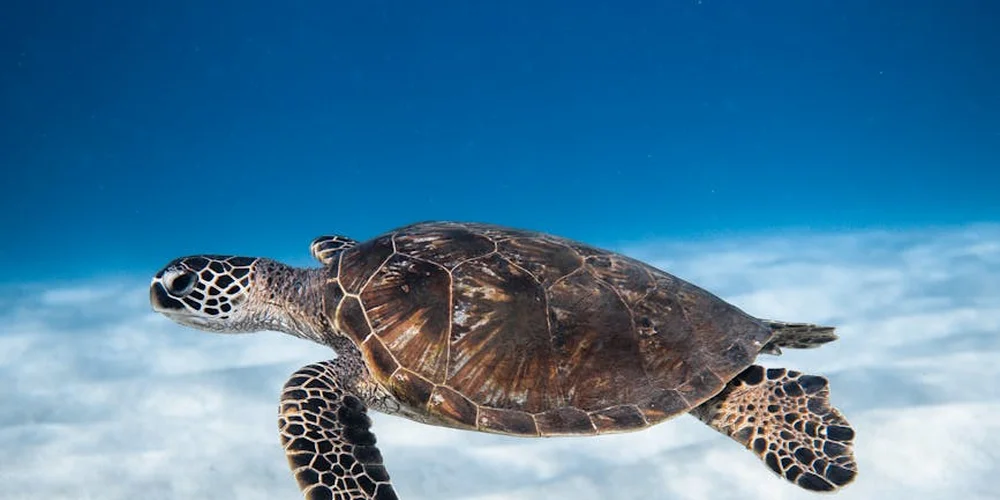
A pervasive and dangerous myth is that turtles are content in small, cramped enclosures.
Turtles are active explorers who require ample space to swim, walk, dig, and simply exist without constant frustration.
Overcrowded tanks create a cascade of problems. They lead to heightened aggression, where tank mates may nip at each other’s limbs and tails. Stagnant, quickly polluted water becomes a breeding ground for bacteria and shell infections. Perhaps most cruelly, it severely limits their natural behaviors, causing chronic stress that weakens their entire system.
Use this simple guide to determine the minimum enclosure size for your aquatic or semi-aquatic turtle. The general rule is 10 gallons of water capacity per inch of shell length. For the tank’s footprint, bigger is always better. However, when it comes to determining the appropriate size for any turtle or tortoise enclosure, there might be additional factors to consider.
- For a 4-inch turtle: Start with a 40-gallon breeder tank.
- For a 6-inch turtle: A 75-gallon tank is a good minimum.
- For turtles over 8 inches: You are looking at 125-gallon tanks or larger, or better yet, a custom-built pond.
Choosing between a tank and a pond setup often comes down to species and climate. Smaller aquatic turtles like sliders and painted turtles can thrive in large indoor aquariums. For larger species or if you have the space and a suitable climate, an outdoor pond is unparalleled. It provides natural sunlight, vast swimming room, and a more complex environment. My Russian and Greek tortoises, Austen and Bronte, live in a large, secure outdoor pen for most of the year, which has done wonders for their shell health and demeanor.
Lighting and Heating Misconceptions That Weaken Shells
Many turtle owners believe placing their pet’s tank by a sunny window provides enough UVB light. I made this assumption years ago with my first turtle, Orwell, and noticed his shell started to soften. Window glass effectively filters out the essential UVB rays necessary for your turtle to synthesize vitamin D3 and absorb calcium. Without it, their bodies cannot properly utilize the calcium in their diet, no matter how much you provide.
The Critical Roles of UVB and Heat Lamps
Think of UVB lighting and heat lamps as two pillars of your turtle’s health. They perform distinct, non-negotiable jobs. UVB lighting specifically enables vitamin D3 synthesis and calcium metabolism, which is essential for healthy bones and shells. That’s why setting it up correctly from day one is critical.
- UVB Lighting: This specialized light enables your turtle to produce vitamin D3, which acts like a key, unlocking the calcium in their system for proper bone and shell development.
- Heat Lamps (Basking Lamps): These provide a hot, dry area for your turtle to completely dry off. This warmth is vital for raising their internal body temperature to efficiently digest food and regulate their metabolism.
How Improper Lighting Leads to Metabolic Bone Disease
Metabolic Bone Disease (MBD) is a slow, painful condition I’ve sadly seen in rescues. It’s a direct result of a calcium deficiency, often caused by inadequate UVB exposure.
- Their shells become soft, pliable, and may even pyramid or become misshapen.
- They can develop swollen limbs and have difficulty walking or swimming.
- In severe cases, it can lead to fractures and permanent deformity.
Providing a high-quality UVB lamp, replaced every 6-12 months as its output diminishes, is your strongest defense against this debilitating disease.
Creating a Proper Temperature Gradient
A uniform tank temperature is a common mistake. Turtles are ectotherms; they rely on their environment to control their body temperature. Nighttime temperatures can still affect them, so a nighttime heat management approach is important. A nighttime heat management guide helps keep turtles within safe temperature ranges around the clock.
- Basking Area: This spot, directly under the heat lamp, should be significantly warmer, typically between 85-95°F, depending on the species.
- Water/Aquatic Area: The main body of water should be cooler, generally in the 75-80°F range.
- Ambient Air: The air temperature in the rest of the tank should fall between the basking and water temperatures.
This gradient allows your turtle to self-regulate, moving between warm and cool areas as its body needs, which is fundamental to its daily well-being.
Water Quality Myths That Pollute Your Turtle’s Home
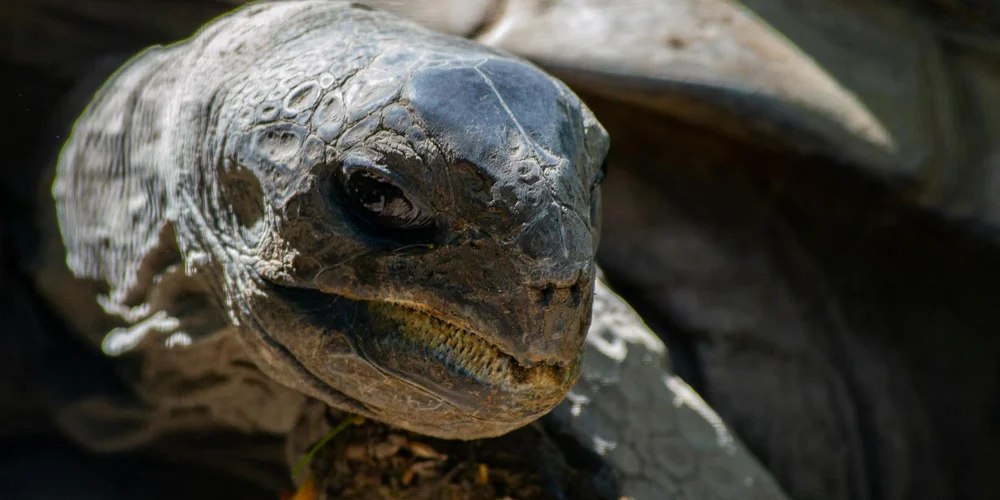
A common belief is that any aquarium filter will suffice for a turtle tank. After a frustrating algae bloom in Bronte’s enclosure, I learned this isn’t true. Turtles are messier than fish, producing more waste, so their filtration needs are exponentially greater. You need a filter rated for two to three times the actual volume of your tank to keep the water pristine. That’s why choosing the best filter for an aquatic turtle tank is important. A high-capacity, efficient filter helps keep ammonia and nitrate levels in check, protecting your turtle’s health.
Why Cleaning and Feeding Schedules Are Paramount
Water quality isn’t just about the filter; it’s about your entire maintenance routine.
- Feeding in a Separate Container: I feed my turtles in a small, separate tub. This simple habit prevents tons of food waste and debris from decomposing in their main habitat.
- Regular Partial Water Changes: Even with a powerful filter, siphoning out 25-50% of the water weekly is non-negotiable for removing dissolved wastes that filters can’t catch.
- Filter Maintenance: Clean your filter media in old tank water during water changes, not tap water, to preserve the beneficial bacteria.
Consistency in your cleaning schedule prevents the buildup of ammonia and nitrites, which are toxic to your turtle.
Proper Water Temperature Requirements
Just like the air, water temperature is critical for health. Water that is too cold can slow your turtle’s metabolism, leading to lethargy and poor digestion. An aquatic heater with an adjustable thermostat and a guard is essential to maintain a stable, species-appropriate water temperature, typically between 75-80°F for most common pet turtles. Note that the ideal water temperature can vary by species, so check the recommended range for your turtle. Different species may require warmer or cooler water, so tailor your setup to your turtle’s specific needs. I use two smaller heaters in Austen’s large tank for more even heat distribution.
The Dangers of Poor Filtration Systems
An underpowered or poorly maintained filter doesn’t just create cloudy water. It creates a hazardous environment.
- Shell and Skin Infections: Bacteria and fungus thrive in dirty water, leading to shell rot and skin ailments.
- Respiratory Infections: Poor water quality increases ammonia levels, which can irritate and damage their respiratory system.
- General Stress and Illness: Living in filthy water is chronically stressful for a turtle, suppressing their immune system and making them susceptible to a host of other diseases.
Investing in a robust, canister-style filter was the single biggest improvement I ever made for my turtles’ aquatic health and happiness. When I compared canister vs internal filters for turtle habitats, I learned how crucial flow, media choices, and upkeep are. That insight still guides my filtration decisions today.
Basking Area and Habitat Feature Fallacies
I once thought my Russian tortoise, Austen, would be fine just climbing on a smooth river rock to dry off. This is a dangerous assumption, as a proper basking dock is non-negotiable for a turtle’s health. They need a completely dry, stable platform under their heat lamp to properly thermoregulate and dry their shell, preventing nasty fungal and bacterial infections.
The Truth About Basking Docks
- Turtles are ectotherms; they rely on external heat to power their digestion and immune system.
- A proper dock must be large enough for the turtle to sit entirely out of the water.
- It should have a textured, non-slip surface and be easy for the turtle to climb onto.
- Position it securely directly under a dedicated heat lamp.
Many owners overlook the need for a secure hiding spot, assuming their turtle is always “out and about.” Providing a hiding place is one of the simplest and most effective ways to reduce chronic stress in your turtle. My Greek tortoise, Bronte, retreats to her hide to feel safe, much like we close a door for privacy.
Why Hiding Spots Matter
- Hides offer a secure retreat from perceived threats, lowering stress hormones.
- Reduced stress directly supports a stronger immune system.
- A turtle without a place to hide can become anxious, leading to a suppressed appetite.
A habitat that only meets basic survival needs is a boring one. Environmental enrichment is not a luxury; it’s a key component of behavioral health. I’ve watched my box turtle, Orwell, spend hours investigating a new log or pile of leaves, which keeps his mind active and prevents stereotypical behaviors.
Simple Enrichment Ideas
- Rearrange décor periodically to create a “new” environment.
- Offer food in puzzle feeders or scatter it for them to forage.
- Add turtle-safe items like smooth stones, cork bark, and leaf litter to explore.
The substrate, or bedding, you choose is more than just floor covering. Using the wrong substrate, like cedar shavings or fine sand, can lead to impaction or respiratory issues. I learned this the hard way and now stick to safer, more natural options.
Safe Substrate Choices
- For most tortoises: A mix of organic topsoil and coconut coir holds burrows well.
- For box turtles: A deep layer of leaf litter over soil mimics their forest floor home.
- Avoid: Cedar, pine, gravel, and calcium sand, which pose ingestion risks.
Nutrition and Supplementation Misunderstandings
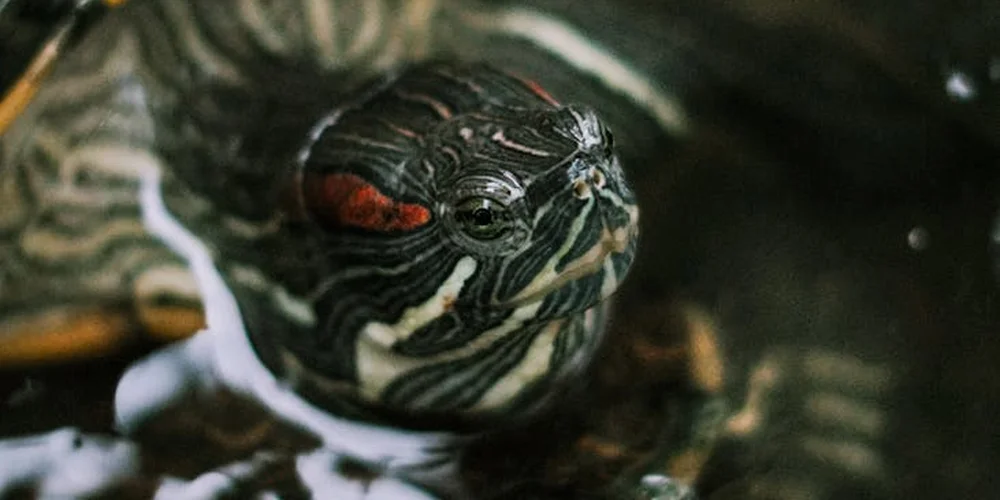
It’s a common belief that a bag of commercial turtle pellets provides a complete diet. Relying solely on basic commercial food is like a human eating only cereal; it misses vital nutritional complexity. A varied diet is the cornerstone of a long, healthy life for your shelled friend, so it’s essential to understand the pros and cons of commercial diets versus homemade options.
Building a Varied Diet
- Use high-quality commercial pellets as a base, not the entire meal.
- Incorporate fresh, dark leafy greens like dandelion greens and endive.
- Offer appropriate vegetables and, for some species, occasional protein like earthworms.
Calcium is the building block of a strong shell and skeleton. Without proper calcium supplementation, turtles can develop Metabolic Bone Disease (MBD), a painful and debilitating condition. I dust the food for all my tortoises with a calcium powder at nearly every feeding to prevent this.
The Role of Calcium
- Calcium is vital for nerve function, muscle contraction, and blood clotting.
- A calcium deficiency causes soft shells, deformities, and fractures.
- Always use a pure calcium carbonate powder without added phosphorus.
Calcium alone isn’t enough; it needs a partner to be used effectively. Vitamin D3 acts as the key that allows a turtle’s body to absorb the calcium from its gut. In the wild, they synthesize D3 from sunlight, but in captivity, we must provide it through their diet or UVB lighting.
The Calcium and D3 Partnership
- The turtle consumes calcium from its food or supplement.
- Vitamin D3, produced from UVB exposure or provided in the diet, is activated in the body.
- This active D3 allows the calcium to be absorbed into the bloodstream.
- The calcium is then transported to build and maintain bones and shell.
Feeding a Russian tortoise the same diet as a Box Turtle is a recipe for health problems. Species-specific dietary differences are dramatic and must be respected. My herbivorous Austen thrives on weeds and greens, while my omnivorous Orwell needs his worms and berries.
Key Dietary Differences
| Species Type | Primary Diet | Example Foods |
|---|---|---|
| Herbivores (e.g., Russian, Greek Tortoises) | >90% plants, high fiber | Broadleaf weeds, mulberry leaves, opuntia cactus |
| Omnivores (e.g., Box Turtles, Sliders) | Mix of plants and protein | Greens, vegetables, earthworms, insects, limited fruit |
Species-Specific Habitat Mistakes
Many new turtle keepers believe a habitat is a habitat, but that assumption can lead to serious health issues for your shelled friend.
Treating all turtles the same is one of the fastest ways to create an unsuitable and stressful environment.
Aquatic vs. Semi-Aquatic Lifestyles
The needs of a fully aquatic red-eared slider and a semi-aquatic box turtle are worlds apart.
- Red-eared sliders are powerful swimmers that require deep, clean water for swimming and diving.
- Box turtles, like my Orwell, are primarily land-dwellers who need a spacious terrestrial area with shallow water for soaking.
- Forcing a box turtle into a mostly aquatic setup can lead to drowning and shell rot.
The Critical Role of Humidity
Humidity is not a one-size-fits-all setting.
Getting the humidity wrong can directly impact shell health and respiratory function.
- Russian tortoises (like Austen) originate from arid climates and require low humidity with excellent ventilation.
- Box turtles need moderate to high humidity levels to support healthy skin and prevent pyramiding of the shell.
- I maintain Orwell’s humidity by misting his enclosure daily and providing a deep, moist substrate he can burrow into.
Personal Enclosure Experiences
My three turtles live in three distinct setups tailored to their natural histories.
Bronte, my Greek tortoise, thrives on a dry, rocky terrain with a tight-fitting hide.
Observing their natural behaviors in a proper habitat is the most rewarding part of turtle keeping.
Austen prefers to dig and requires a deeper substrate, while Orwell spends his days patrolling the perimeter of his forest-floor enclosure.
Recognizing When Your Turtle’s Habitat Needs Improvement
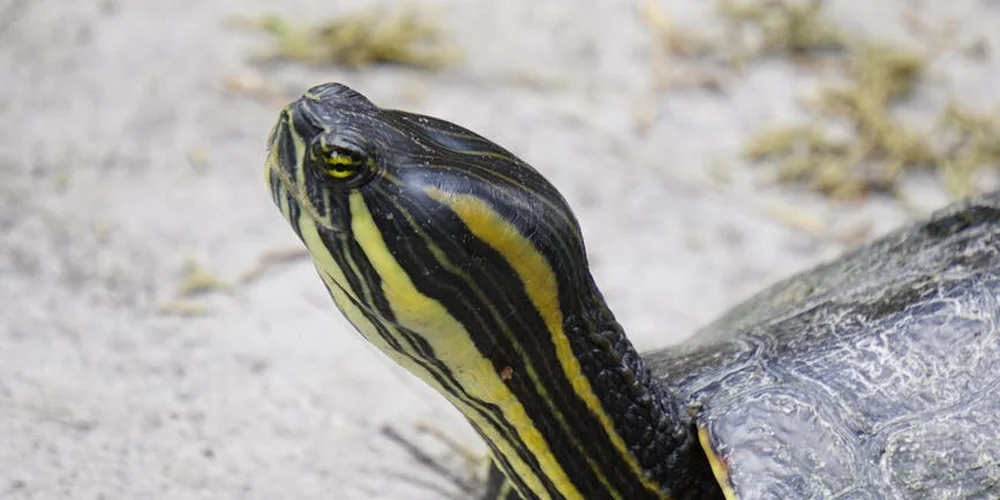
Your turtle is constantly communicating its comfort level; you just need to know how to listen.
Behavior is the most honest feedback you will ever get about your habitat setup.
Interpreting Behavioral Cues
Look for actions that seem out of the ordinary for your particular turtle’s personality.
- Constant attempts to climb the walls (glass surfing) often indicate stress or an enclosure that is too small.
- A sudden lack of appetite can be a sign of incorrect temperatures or general discomfort.
- Hiding more than usual might mean your turtle feels exposed and needs more secure hiding spots.
Subtle Signs of Discomfort
Beyond obvious sickness, watch for these quieter signals.
Small, persistent changes in routine are often the first indicator that something is off.
- Spending all its time in the water bowl (for a semi-aquatic species) could mean the ambient humidity is too low.
- Consistently sitting in the coolest corner of the tank suggests the basking area is too hot.
- Pacing a specific area might show a desire for more space or different terrain.
Regular Habitat Assessment
Make a simple weekly checklist to quickly scan your turtle’s world.
- Temperature Gradient: Is the basking spot hot and the cool end genuinely cool?
- Water Quality: Is the water clear and free of odor? Aquatic turtles are very messy.
- Equipment Function: Are all lamps, heaters, and filters operating correctly?
A five-minute daily observation session can tell you more than any manual ever could.
The Art of Ongoing Adjustment
Turtle care is not a “set it and forget it” hobby.
Seasons change, turtles grow, and equipment ages.
I frequently adjust the height of my heat lamps with the changing seasons and replace UVB bulbs on a strict schedule, long before they burn out.
Being a proactive keeper means anticipating your turtle’s needs before problems arise.
FAQs
How often should I handle my pet turtle?
Limit handling to essential activities like tank maintenance to minimize stress. Always wash your hands thoroughly before and after contact to prevent bacterial transmission.
What are the signs of a healthy turtle?
A healthy turtle displays clear eyes, a firm shell, and regular activity levels. It should have a consistent appetite and normal waste production without signs of lethargy. If you’re wondering how to tell if your turtle is sick, look for sudden changes in activity, appetite, or waste. Early detection is important for proper care.
Can turtles recognize their owners?
Turtles can learn to associate their owners with feeding times and may show reduced shyness. However, they do not form emotional bonds like mammals and primarily respond to routine and food cues. To understand turtle body language, watch for color changes in the skin or shell that accompany attention or stress. Subtle coloration shifts can signal interest, comfort, or reluctance during interactions.
Your Turtle’s Path to a Thriving Life
Based on my years with steady Austen and graceful Bronte, always prioritize a spacious habitat, proper UV lighting, and a balanced diet tailored to your turtle’s species. Avoiding common misconceptions ensures your pet avoids preventable health issues and enjoys a vibrant, active lifestyle.
Responsible turtle ownership means committing to their long lifespan and continuously updating your care knowledge through trusted resources. Ethical considerations should guide your decision to keep a turtle. They help ensure you can provide a suitable habitat, diet, and long-term care. Stay engaged with the pet community and always advocate for animal welfare to provide the best life for your shelled companion.
Further Reading & Sources
- Turtle – Wikipedia
- 10 Common Turtle Myths
- 11 Turtle Myths & Misconceptions to Stop Believing | PangoVet
- -Aquatic Turtle Habitat Guidelines – Central Mississippi Turtle Rescue
Matthew is a dedicated turtle enthusiast and conservationist with over 15 years of experience in reptile care. Known affectionately as "The Leatherback" among his peers, he combines his passion for turtles with a commitment to educating pet owners on responsible turtle care and environmental stewardship.
Turtle Myths and Misconceptions