
Are Turtles Predators or Prey? Their Surprising Dual Role
Published on: January 18, 2026 | Last Updated: January 18, 2026
Written By: Matthew The
You might picture a turtle peacefully munching on lettuce, but the real story of their place in nature is far more complex and fascinating. They aren’t just one or the other; their role shifts dramatically depending on their species, size, and life stage.
This article will guide you through the surprising duality of turtles, covering their varied diets, unique hunting strategies, defensive adaptations, and overall importance to a healthy environment.
The Dual Nature of Turtles: Predators and Prey in the Ecosystem
Turtles wear many hats in nature’s food web, shifting roles based on age, species, and habitat. They often start life as tiny prey but grow into predators that shape their environments. In food chains, young turtles might munch on plants or small creatures, placing them low on the trophic ladder, while adults can hunt larger prey or control vegetation, moving up the levels. This flexibility helps ecosystems stay balanced and resilient.
As keystone species in wetlands and aquatic areas, turtles keep things in check. Their feeding habits prevent overpopulation of snails or insects, and their eggs and juveniles provide meals for birds and mammals. By digging burrows or moving seeds, they support plant growth and water quality. I’ve seen this dynamic in my own backyard with Austen and Bronte; their gentle grazing on weeds and occasional insect snacks mimic how turtles maintain habitat health in the wild, especially when provided with proper substrate for digging and nesting.
- Young turtles often eat algae or small invertebrates, acting as primary consumers.
- Adults may prey on fish or amphibians, serving as secondary or tertiary consumers.
- Their eggs and hatchlings are vital food sources for raccoons, herons, and foxes.
From caring for Austen, my Russian Tortoise, I notice his steady nibbling on dandelions helps control plant spread, much like wild tortoises do. Bronte, my Greek Tortoise, with her graceful movements, reminds me how turtles’ foraging can aerate soil and disperse seeds. These small actions add up, making turtles indispensable in their niches.
What Turtles Eat: Diets Across Species and Habitats
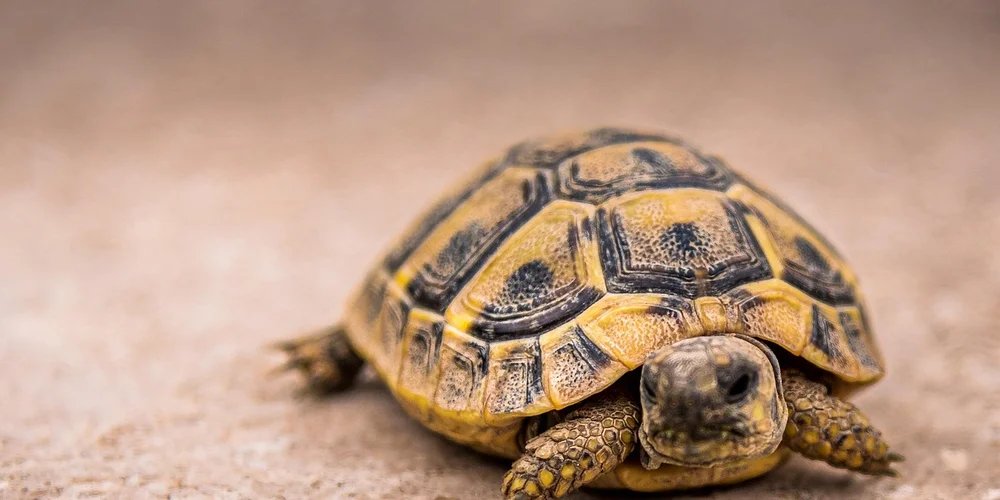
Turtle diets vary wildly, from plant-based feasts to meaty hunts, depending on where they live. Omnivorous species, like many box turtles, enjoy a mix of fruits, veggies, and protein, while carnivorous ones target live prey. Herbivorous tortoises stick to greens, and their choices influence everything from insect populations to plant diversity. Understanding this helps you provide better care for pet turtles.
Common prey items include snails, insects, worms, and small fish, which turtles hunt with surprising speed. In aquatic settings, they might stalk prey in murky waters, whereas terrestrial turtles forage on land for berries or grubs. Insects, spiders, and worms are especially important protein sources for many turtles. A simple protein guide can help keepers balance these foods across species and life stages. This diversity means turtles adapt their feeding to what’s available, ensuring they thrive in various conditions.
- Omnivorous turtles: Eat plants, fruits, and animals-examples include red-eared sliders and box turtles.
- Carnivorous turtles: Focus on meat like fish, crustaceans, or insects-snapping turtles are a classic case.
- Herbivorous turtles: Graze on grasses, leaves, and flowers-many tortoise species fit this profile.
Feeding behaviors differ too; aquatic turtles often lie in wait to ambush prey, while land-dwellers actively search for food. I’ve watched my pets show these traits, with Orwell, my box turtle, demonstrating how environment shapes diet. Offering a range of foods mirrors their natural habits and supports their well-being. Understanding the aquatic-versus-terrestrial diet difference helps explain why their menus look different in captivity. Aquatic turtles generally rely more on protein from water-dwelling prey, while land turtles eat more greens, fruits, and terrestrial fare.
Omnivorous Turtles: Balancing Plant and Animal Matter
Omnivorous turtles, such as box turtles, thrive on a varied diet that includes fruits, vegetables, and protein sources. This balance provides essential nutrients and keeps them engaged during meals. In the wild, they might eat berries, mushrooms, and insects, adapting to seasonal changes. For pet owners, replicating this mix prevents boredom and promotes health.
From my experience with Orwell, I’ve learned that variety is key. He enjoys chopped apples and leafy greens but perks up for mealworms or earthworms. I rotate his food to include calcium-rich veggies and occasional protein, watching his intelligent, reserved nature come out as he explores new tastes. This approach helps mimic his natural diet and prevents nutritional gaps.
- Include fruits like melons or berries for vitamins and hydration.
- Add vegetables such as kale or carrots for fiber and minerals.
- Offer protein sources like insects or cooked eggs in moderation.
Orwell’s picky eating taught me to observe his preferences and adjust portions. By providing a diverse menu, I support his overall vitality and mimic the foraging he’d do in the wild. This care routine emphasizes animal welfare by respecting their innate behaviors.
Carnivorous and Herbivorous Tendencies
Carnivorous turtles, like many aquatic species, excel at hunting in water, where they target fish, frogs, or crustaceans. Their sharp senses and quick strikes make them effective predators in ponds and rivers. Imagine the sudden splash as a turtle snaps up a small fish, its movements fluid and precise. This hunting helps control prey populations and maintains aquatic balance.
Herbivorous turtles, such as certain tortoises, focus on grazing plants, grasses, and flowers. Their slow, methodical chewing supports seed dispersal and soil health. In captivity, providing a diet rich in fibrous greens mimics their natural foraging and prevents obesity. I’ve seen how Austen and Bronte, with their gentle grazing, contribute to a mini-ecosystem in their enclosure.
- Carnivorous examples: Snapping turtles hunt fish and invertebrates in murky waters.
- Herbivorous examples: Desert tortoises eat cacti and grasses in arid regions.
- Sensory details: The rustle of leaves as a tortoise browses, or the ripple of water from a hunting turtle.
Using sensory language, picture the cool, clear pond where a carnivorous turtle waits, or the sun-warmed field where a herbivore nibbles greens. This variety in diets highlights turtles’ adaptability and the importance of habitat-specific care. Advocating for their welfare means offering diets that match their natural tendencies, reducing stress and promoting longevity. Learn more about feeding aquatic turtles in our practical guide for feeding turtles in a pond.
Common Predators of Turtles: Threats in the Wild and at Home
- Wild predators such as raccoons, coyotes, foxes, and birds of prey frequently target turtles, especially vulnerable eggs and juveniles. I’ve seen how persistent raccoons can be near wetland areas where wild turtles nest.
- Pet turtles face unexpected risks from household pets like curious dogs or cats, and even urban wildlife that might sneak into yards. After a scare where my dog got too interested in Orwell’s enclosure, I reinforced all habitats with secure lids.
- Promoting conservation means respecting predator-prey dynamics while safeguarding turtles through ethical enclosures and habitat preservation. Supporting local wildlife groups helps balance ecosystems without harming any animals.
Adaptations That Help Turtles Evade Predators
- Their sturdy shells act as a natural shield against bites and claws, though strength varies by species. Austen’s Russian tortoise shell has withstood minor scrapes from garden tools.
- Camouflage colors let turtles blend into soil or foliage, making them nearly invisible to sharp-eyed hunters. Bronte’s golden-brown markings mimic dried leaves in her outdoor pen.
- Behavioral tactics include retreating into shells, hiding under debris, or moving slowly to avoid drawing attention. Orwell will freeze for minutes if he senses movement, a trick that saved him from a stray cat once.
Watching my turtles, I notice how Austen tucks in completely when startled, while Bronte prefers burrowing into soft substrate. Their patience reminds me that stillness can be a powerful defense.
Feeding Your Pet Turtle: Mimicking Natural Diets for Health
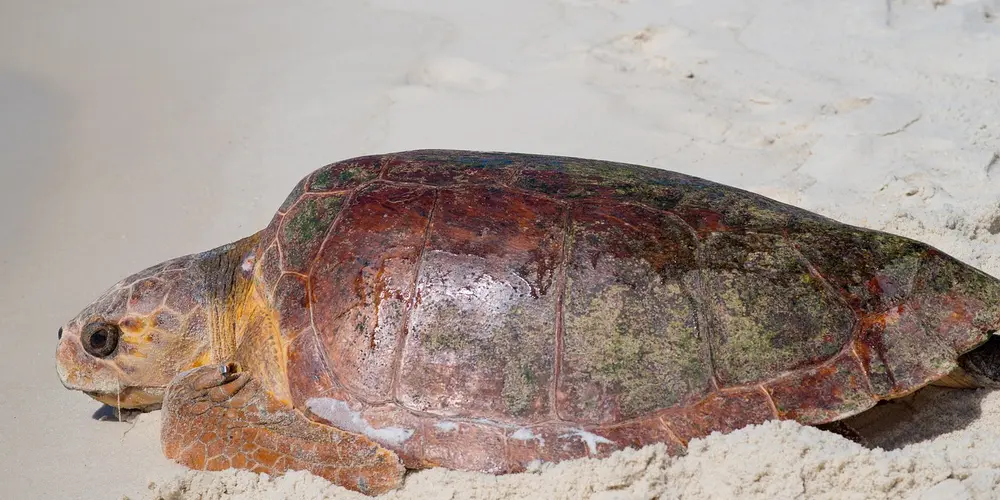
Replicating wild diets ensures your turtle gets essential nutrients for growth and immunity. Start with these steps for balanced meals:
- Base meals on dark leafy greens like collard greens or kale, which offer vitamins and fiber.
- Incorporate protein sources such as snails, earthworms, or high-quality commercial pellets for shell and muscle health.
- Add variety with safe vegetables like squash or carrots, but keep fruits occasional to prevent sugar overload.
Safe food options include dandelion greens, aquatic plants, and calcium-dusted insects to support strong shells. I rotate these for Austen and Bronte to keep meals exciting.
Avoid human foods like bread, dairy, or processed snacks that lead to obesity or digestive stress. Even a small piece can disrupt their delicate systems, as I learned when Orwell refused eat after a treat mishap.
Sourcing and Preparing Turtle Food
- Source live prey ethically from trusted breeders or grow your own insects to avoid pesticides and disease. I raise mealworms in a separate container, ensuring they’re gut-loaded with nutrients.
- Choose fresh vegetables from organic farms or your garden, rinsing them thoroughly to remove chemicals. Local farmers’ markets often have turtle-safe produce I use for weekly meals.
To enrich mealtime, I scatter food in Bronte’s enclosure so she forages like in the wild. Mixing textures and colors-like red lettuce with green pellets-keeps her engaged and healthy.
Building a Safe Habitat: Protecting Pet Turtles from Predators
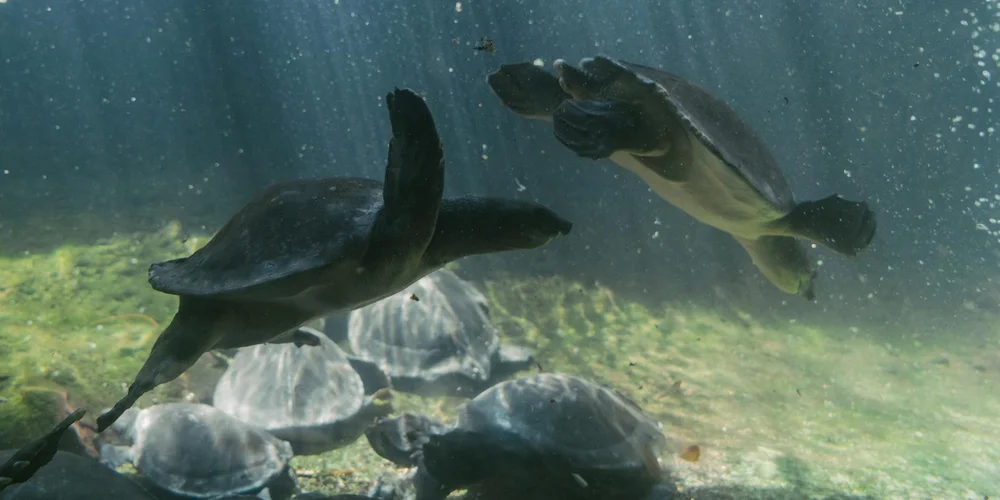
Creating a secure home is your first line of defense in keeping your turtle healthy and stress-free. A proper habitat does more than just contain them; it actively protects them from perceived threats, allowing their true personalities to shine.
Steps for Secure Enclosures
Whether your turtle lives inside or ventures outdoors, security is non-negotiable.
For Indoor Enclosures
- Use a tank with a securely fitted, locking screen top to prevent escapes and deter other household pets.
- Ensure all heat and UVB lamps are firmly anchored well above the screen to prevent burns or fires.
- Select a tank stand or furniture that is incredibly sturdy and cannot be easily rocked or tipped over.
For Outdoor Enclosures
- Build walls that extend at least 12-18 inches deep into the ground to stop digging predators like raccoons.
- Use a sturdy, locking lid made of hardware cloth to protect from birds of prey and cats.
- Position the enclosure in a partially shaded area to provide natural temperature regulation and cover.
Reducing Stress with Natural Hiding Spots
Turtles are hardwired to seek shelter when they feel exposed. By mimicking the nooks and crannies of the wild, you give your turtle the power to control its own stress levels. I’ve seen my Russian tortoise, Austen, immediately relax when he can wedge himself into a snug half-log. My box turtle, Orwell, prefers to burrow under a deep layer of moist sphagnum moss. Offer a variety of options: flat rocks to slide under, commercial turtle hides, and even safe, pesticide-free plants to create visual barriers. This isn’t just decoration; it’s essential for their mental well-being.
Advocating for Biodiverse, Well-Being Focused Habitats
A safe habitat goes beyond predator-proofing. I advocate for creating a living space that stimulates natural behaviors and supports a tiny, contained ecosystem. This means using live, turtle-safe plants like spider plants or dandelions that they can nibble on. It means providing a substrate they can dig in, like a coconut coir and topsoil mix. A habitat that allows for foraging, digging, and exploring isn’t just more interesting for you to watch; it directly contributes to your turtle’s physical health and emotional contentment, making them more resilient animals.
Monitoring Your Turtle’s Behavior and Health
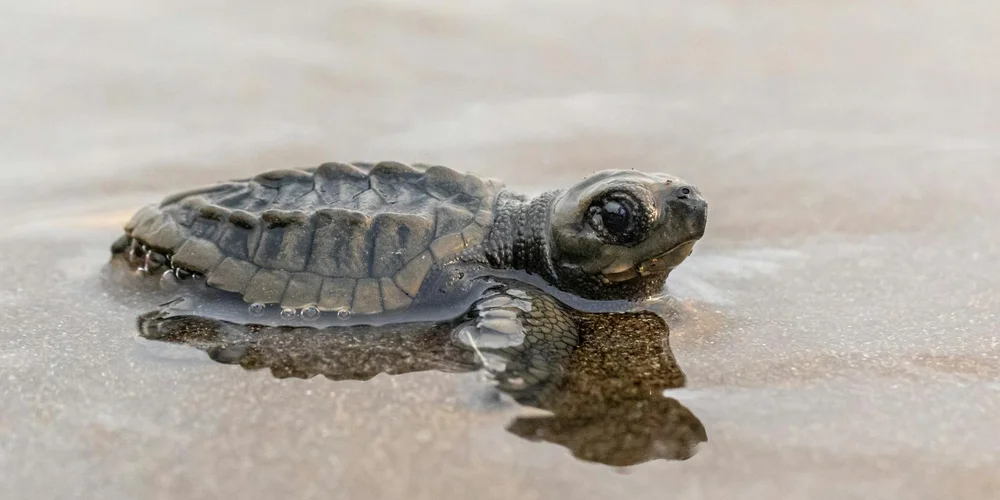
Your turtle communicates its state of mind through its actions. Learning to read these subtle cues is your most powerful tool in ensuring its long-term welfare.
Spotting Signs of Predator Stress or Dietary Imbalances
A stressed or unhealthy turtle will show you, if you know what to look for.
- Hiding Excessively: While hiding is normal, a turtle that never emerges for basking or food may feel perpetually threatened.
- Lethargy and Lack of Appetite: A sudden disinterest in food or movement can signal stress or illness.
- Improper Shell Growth: A pyramid-shaped or overly soft shell often points to a diet too high in protein or lacking proper calcium and UVB light.
Observations from My Turtles’ Personalities
My own turtles have taught me so much about their individual tells. My graceful Greek tortoise, Bronte, is usually a voracious eater, so when she turns down her favorite clover, I know something is wrong. It’s my signal to check the enclosure temperature and her overall demeanor. Conversely, my reserved box turtle, Orwell, has a habit of gently tapping his shell against the glass when he’s hungry-a behavior I’ve learned is his unique way of communicating. Paying attention to these personal quirks helps you distinguish between a minor off-day and a sign of a serious problem, allowing for quicker, more informed care.
FAQs
What are the most common predators of pet turtles?
Household pets like dogs and cats can pose risks to pet turtles, especially if enclosures are not secure. Urban wildlife such as raccoons or birds may also target them if they are kept outdoors. To keep turtles safe, it’s essential to separate fact from myth when it comes to their habitat. Setting It Straight: 9 Turtle Habitat Myths that could hurt your pet debunks common beliefs and offers practical enclosure tips.
What do pet turtles typically eat in captivity?
Pet turtles thrive on a varied diet that includes dark leafy greens and protein sources like insects or worms, especially for aquatic turtles. Offering a mix of vegetables and occasional fruits helps mimic their natural omnivorous or species-specific feeding habits.
How does a turtle’s size influence its vulnerability to predators?
Smaller turtles and hatchlings are more susceptible to predation due to their softer shells and limited mobility. As turtles grow larger and their shells harden, they become better equipped to defend against potential threats.
What prey items are essential for a growing turtle’s health?
Calcium-rich foods like snails or dusted insects support strong shell and bone development in young turtles. Incorporating live prey can also encourage natural foraging behaviors and provide mental stimulation.
Can turtles switch between being predators and prey throughout their lives?
Yes, many turtles start as prey for larger animals but may become predators as they mature and their diet expands. This role shift helps maintain ecological balance by controlling prey populations and providing food sources for other species.
A Final Thought on Turtles in Your Care
Remember, your pet turtle carries the instincts of both hunter and hunted, which directly shapes its needs for a balanced diet and a secure habitat. Providing a variety of appropriate foods and a safe enclosure with proper hiding spots honors this natural duality.
Caring for a turtle is a long-term commitment to understanding its wild origins and complex role in nature. Let this knowledge inspire you to keep learning, ensuring your shelled friend thrives under your thoughtful guardianship for years to come.
Further Reading & Sources
- Turtle Predators: What Eats Turtles? – A-Z Animals
- Sea Turtle Predators – An Expert Overview – The State of the World’s Sea Turtles | SWOT
- What Animals Eat Turtles? | 10 Turtle Predator | Box Turtles
- Do Sea Turtles have any Natural Predators? – Dolphins And You
Matthew is a dedicated turtle enthusiast and conservationist with over 15 years of experience in reptile care. Known affectionately as "The Leatherback" among his peers, he combines his passion for turtles with a commitment to educating pet owners on responsible turtle care and environmental stewardship.
Understanding Turtle Behavior