
How to Prepare Your Turtle for Its First Vet Visit
That first vet trip with your turtle might stir up worries about stress, handling, or the unknown, but I’ve found with my own shelled friends like Austen that a little prep turns anxiety into a calm, manageable experience.
We’ll cover gathering your turtle’s history, preparing a safe travel carrier, handling tips for transport, and what to expect during the vet examination.
Finding the Right Reptile Vet
What to Look for in a Reptile Vet
Essential Qualifications
Start by searching for veterinarians who explicitly mention reptiles or exotic pets in their practice details. I always check for certifications from organizations like the Association of Reptilian and Amphibian Veterinarians, which signals dedicated expertise.
- Seek out clinics with staff trained in reptile care, as handling species like my Russian Tortoise Austen requires specific techniques to avoid stress.
- Ask questions such as, “What percentage of your patients are turtles?” and “Can you describe your experience with shell health issues?” to gauge their familiarity.
Scheduling Your Turtle’s First Appointment
Book the visit during your turtle’s active hours, typically mid-morning when they are alert but not overly stressed. From caring for Bronte, my Greek Tortoise, I’ve found that avoiding feeding right before the trip reduces mess and anxiety. Common feeding mistakes to avoid include feeding too close to travel time. Overfeeding before a trip can increase mess and stress.
- When calling, clearly state your turtle’s species, age, and any symptoms, like changes in appetite or shell discoloration, to help the vet prepare.
- Mention if it’s a routine check-up or an urgent concern, so the clinic can allocate enough time for a thorough examination.
Gathering Essential Information and Supplies
Creating a Turtle Health Profile
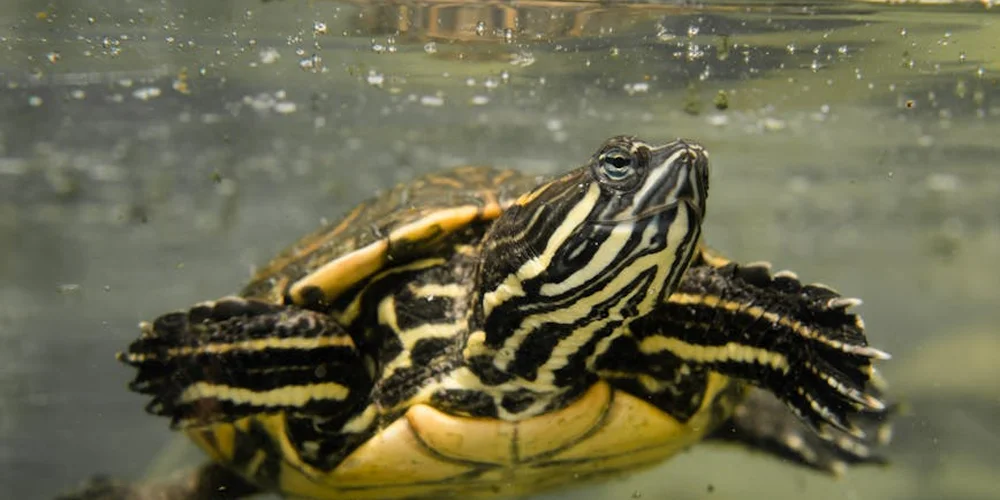
Document key details in a simple notebook or digital file for easy reference. Keeping a log helped me track Orwell’s weight fluctuations, which alerted me to potential health issues early on.
- Note the species, approximate age, sex if known, and the primary reason for the visit, such as a yearly wellness exam or specific ailment.
- Record daily observations: appetite levels, weight in grams, behavior shifts like lethargy or aggression, and any visible symptoms over the past week.
Preparing Your Turtle’s Medical History
Compile a summary of your turtle’s care routine to share with the vet. I include notes on UVB lighting schedules and calcium supplements, as these are vital for shell and bone health in tortoises like Bronte. This complements the essential setup and care guide I follow for my turtle’s habitat.
- List the diet specifics-brands of food, frequency of feeding, and any treats-along with enclosure details like temperature gradients and humidity levels.
- Document any current medications, past injuries, or environmental changes that might affect your turtle’s well-being.
Packing for the Vet Visit
Assemble a go-bag with essentials to keep your turtle comfortable and aid the vet’s assessment. Bringing a fresh fecal sample is crucial – it allows for quick parasite testing without a follow-up visit. When it’s time to transport your turtle to the veterinarian, use a secure, well-ventilated carrier to minimize stress. Keep the journey calm and avoid jostling during the trip to the clinic.
- Pack a secure carrier lined with soft towels, recent photos of the shell from different angles, and videos of typical behavior to show normal basking or movement.
- Include a small container for the stool sample, collected within 24 hours, to ensure accurate results during the appointment.
Monitoring Your Turtle’s Health Before the Visit
Conducting a Pre-Vet Health Check
Giving your turtle a gentle once-over at home helps you gather useful information for the vet. I do this with my own turtles, Austen and Bronte, every few weeks just to stay on top of things. This routine check builds a baseline for what’s normal for your specific pet.
- Steps for shell examination and carapace inspection: Start with clean, dry hands. Gently feel the entire shell, top and bottom. It should feel solid and hard, not soft or flexible. Look closely for any cracks, pits, discolored spots, or areas that look fuzzy. A healthy shell is smooth, not flaky or peeling unnaturally.
- Checking for respiratory signs, hydration status, and beak and mouth health: Listen for any wheezing or clicking sounds when your turtle breathes. Their eyes should be clear and bright, not sunken or swollen. To check for dehydration, gently pinch the skin on their neck or leg; it should snap back quickly. Peek inside their mouth-it should be a healthy pink, not pale or have any cheesy-looking material.
Recognizing Signs of Illness
Turtles are masters at hiding sickness, so you must become a keen observer. My box turtle, Orwell, once went off his food for a few days, which was my first clue something was amiss. When your turtle starts acting strange, a quick behavioral diagnostic checklist can help you spot patterns. The checklist walks you through appetite, activity level, shell and eye changes, and other behavioral cues. Catching subtle changes early often makes treatment simpler and more successful.
- Common symptoms that warrant a vet visit: Lethargy or lack of movement, swollen eyes, a runny nose or bubbles from the nose, persistent lack of appetite, diarrhea, or any visible injury. If you see your turtle swimming lopsided or struggling to stay afloat, that’s a definite red flag.
- How to monitor eating habits, basking behavior, and weight measurement: Keep a simple mental log of what and how much your turtle eats each day. Notice if they are basking normally or avoiding the heat lamp entirely. For weight, I use a small kitchen scale monthly; a sudden drop is a significant concern.
Transporting Your Turtle Safely
Preparing the Travel Carrier
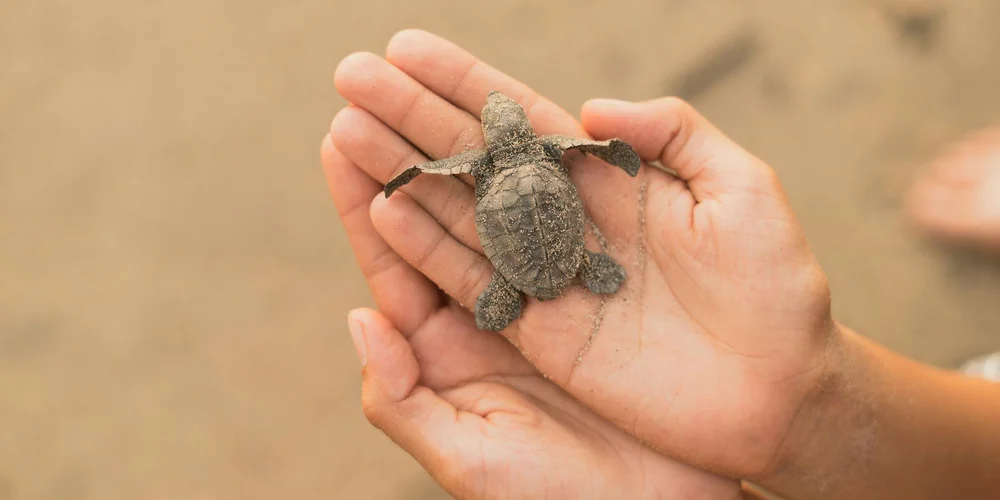
The journey to the vet can be unsettling, but a well-prepared carrier makes a world of difference. I use a sturdy plastic container with a secure lid that has air holes punched in it. A proper setup is your first defense against travel-related stress and injury. This approach ties into the five critical mistakes to avoid when handling your pet turtle for the first time, helping keep the experience safe and calm for both of you.
- Tips for a secure and comfortable carrier setup: Line the bottom with a damp (not wet) towel or paper towels to provide traction and a bit of humidity. Avoid using loose substrate like bedding, which can shift and cause imbalance. Make sure the carrier is just large enough for your turtle to turn around comfortably but not so big they get tossed about.
- Managing temperature and environment during transit: Turtles are ectotherms and can’t regulate their own body temperature. In cool weather, pre-warm the car before you bring your turtle outside. You can place a hand warmer (wrapped in a towel so it doesn’t make direct contact) under one side of the carrier to create a warm spot. Avoid direct blasts from the car’s air conditioner or heater.
Minimizing Stress on the Journey
Your calm demeanor is contagious. Speak to your turtle in a soft, reassuring voice during the trip. Your presence is a familiar anchor in an unfamiliar situation. Then you can introduce supervised time outside in a safe, enclosed area. Keep sessions brief and stay within arm’s reach to monitor stress and safety.
- Techniques to keep your turtle calm: Cover the carrier with a light towel or blanket to create a dark, den-like environment. This reduces visual stimuli that can cause panic. Drive smoothly, avoiding sudden stops and sharp turns. Keep the radio volume low or off.
- What to avoid during transport: Never leave your turtle unattended in a vehicle, especially in extreme weather. Do not place the carrier in the trunk. Avoid constantly peeking in or handling your turtle during the trip; let them settle in their safe, dark space.
What to Expect During the Vet Exam
Common Procedures at the First Visit
- The vet will perform a gentle physical exam to assess your turtle’s overall health. They check eyes for clarity, nose for discharge, and limbs for swelling or injury.
- Weight measurement is a quick but vital step to track growth and detect issues. I remember Austen, my Russian Tortoise, always stays calm on the scale, which helps get an accurate reading.
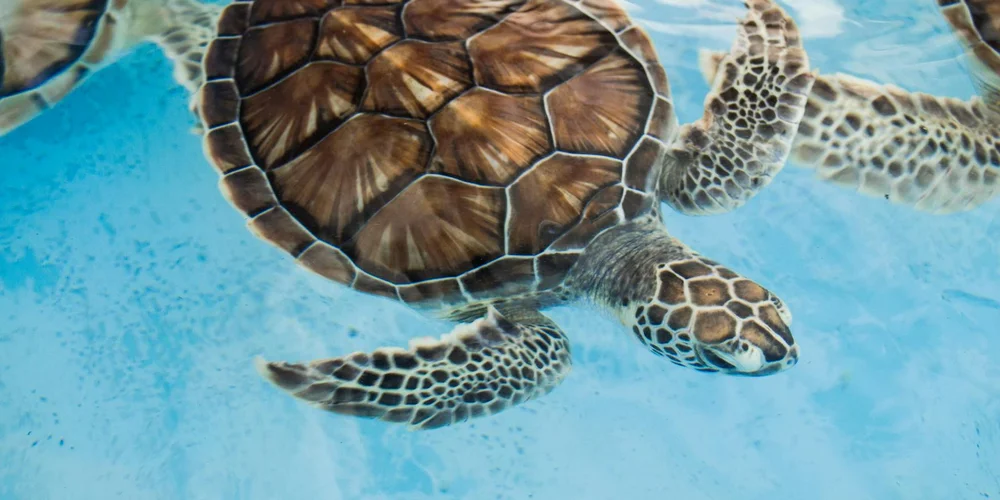
- Shell examination involves inspecting for cracks, soft spots, or abnormal growths. With Bronte, my Greek Tortoise, the vet noted how her golden brown shell had minor wear, guiding our habitat tweaks.
- Fecal analysis might be recommended to check for parasites or digestive problems. This simple test can reveal hidden issues, so don’t skip it if your vet suggests it.
Communicating with Your Vet
- Ask about any abnormal findings and what they mean for your turtle’s long-term health. Questions like “Are these results within normal range?” keep you informed.
- Inquire about preventive care, such as supplements or environmental changes. For Orwell, my Box Turtle, we discussed adding more hiding spots to reduce stress.
- Share your observations clearly, like changes in eating habits or activity levels. Bring notes on behavior-it helps the vet connect dots you might miss.
- Discuss follow-up steps right away to avoid confusion after you leave. Jot down any instructions; I always do this to ensure I don’t forget details.
After the Appointment: Next Steps
Understanding Vet Recommendations
- Implement diet adjustments gradually to avoid shocking your turtle’s system. When Bronte needed more calcium, I slowly introduced new greens over a week.
- Make habitat changes based on vet advice, like adjusting temperature or humidity. For Austen, we added a basking lamp after his visit, which made a huge difference.
- Clarify if follow-up appointments are needed for vaccinations or rechecks. Some turtles, like Orwell, may need yearly visits to monitor shell health.
- Ask about signs that warrant an urgent return, so you’re prepared for emergencies. Knowing what to watch for saves stress and keeps your pet safe.
Post-Visit Care for Your Turtle
- Help your turtle readjust by providing a quiet, familiar space upon returning home. I let Austen retreat to his favorite corner with soft bedding to ease back in.
- Offer favorite foods and fresh water to encourage normal behavior quickly. A treat like chopped veggies can soothe them after a stressful day.
- Monitor for changes in appetite, energy, or shell condition over the next few days. With Bronte, I noted she was more active, which signaled a positive adjustment.
- Keep an eye out for stress signs, like hiding more than usual, and act gently. If Orwell seems off, I give him extra time alone-it’s part of respecting his needs.
FAQs
Is the turtle drinking normally?
Observe if your turtle regularly submerges its head in water to drink. Changes in drinking habits can indicate dehydration or underlying health problems.
Is the turtle shedding normally?
Shedding should occur gradually without any stuck skin or patches. Abnormal shedding may point to nutritional imbalances or incorrect humidity levels in the enclosure.
Has there been any recent trauma or illness in the environment?
Inform your vet about any accidents, such as falls, or illnesses that have affected other pets. This helps identify external factors that could be impacting your turtle’s health. Also, if you suspect your turtle is sick, tell your vet about changes in appetite, activity, or shell appearance. This can help determine whether symptoms point to illness in the turtle or external factors.
Has the turtle been in contact with other animals?
Exposure to other pets can lead to stress or disease transmission. Sharing this detail allows the vet to evaluate risks and suggest preventive care if necessary.
How long have the symptoms been present?
Keep track of when you first noticed any changes in behavior or appearance. This timeline helps the vet assess the urgency and possible causes of the issue.
Your Turtle’s Health Journey Starts Here
By organizing a simple health record and communicating your observations clearly, you transform a potentially stressful vet visit into a positive health check-up. Your calm preparation directly supports your turtle’s comfort and helps your veterinarian provide the best possible care. It’s especially important when dealing with critical health issues in turtles.
Remember, this first appointment is just the beginning of a lifelong commitment to your shelled companion’s wellness. Stay curious, keep learning about their unique needs, and you’ll build a rewarding life together.
Further Reading & Sources
- Veterinary Care: New Reptile Visit | VCA Animal Hospitals
- r/Redearedsliders on Reddit: (HELP!) Turtle vet consultation costs?
- How to bring my aquatic turtle to the vet – Quora
- Red Eared Slider Turtle Vet Costs & Treatment FAQs
Matthew is a dedicated turtle enthusiast and conservationist with over 15 years of experience in reptile care. Known affectionately as "The Leatherback" among his peers, he combines his passion for turtles with a commitment to educating pet owners on responsible turtle care and environmental stewardship.
Preventative Care