
Myth vs. Fact: The Truth About Turtle Aggression and Biting
Published on: March 15, 2026 | Last Updated: March 15, 2026
Written By: Matthew The
Are you worried that your turtle might bite or act aggressively? From my years with turtles like gentle Austen and thoughtful Bronte, I’ve found that most concerns stem from misunderstandings, not actual danger.
This article covers: common myths, factual behavior, aggression signs, and prevention tips.
Common Myths and Facts About Turtle Aggression
Myth vs Fact: Understanding Turtle Behavior
Many turtle owners misinterpret natural behaviors as aggression. Separating turtle instinct from true malice is the first step to peaceful cohabitation.
Myth: A turtle that bites is mean or angry.
Fact: Turtles lack the complex emotions we associate with anger. Their actions are driven by survival instincts like hunger, fear, or territory. My Russian tortoise, Austen, once nabbed my finger because it wiggled near his food-not out of spite, but simple food association.
Myth: Turtles bite their owners to establish dominance. Fact: Turtles do not form social hierarchies with humans. What looks like a dominance display is almost always a defensive reaction to a perceived threat. They aren’t trying to be the “alpha”; they’re just scared. If your turtle is acting strange, a quick behavioral diagnostic checklist can help. It guides you through environmental, health, and handling checks to find the cause.
Why Turtles Might Display Aggressive Behavior
Understanding the ‘why’ transforms a frightening event into a manageable situation. Aggression is typically a last-resort communication method for a turtle.
- Hunger & Mistaken Identity: Fingers can look startlingly similar to worms or other tasty morsels, especially during feeding time.
- Fear & Self-Defense: Sudden movements, shadows, or feeling trapped can trigger a defensive bite. This is their only way to say, “You are scaring me, back off.”
- Territoriality: Especially in males or in cramped enclosures, a turtle may see your hand as an intruder. My box turtle, Orwell, will sometimes retreat into his shell and watch my hand intently if it enters his favorite corner.
- Mating Behavior: During breeding seasons, heightened hormones can lead to more nippy or persistent chasing behavior.
- Stress or Illness: A turtle that feels unwell is a stressed turtle. A sudden change in behavior, including biting, can be a sign you need to check your husbandry or consult a vet.
Recognizing Turtle Body Language and Warning Signs

Pre-Bite Warning Signals to Watch For
Turtles almost always broadcast their discomfort before resorting to a bite. Learning this silent language is your best defense against a surprise nip.
- The Rapid Head Retreat: A quick pull-back into the shell, often accompanied by a hissing sound (which is just air being expelled).
- Fixed Stare & Tense Posture: The turtle becomes very still, its head is extended, and its eyes are locked on the perceived threat.
- Gaping Mouth: The turtle holds its mouth open wide. This is a clear “stay away” signal.
- Hissing Without Retreat: A hiss while the head remains out is a more urgent warning than a hiss during retreat.
- Charging or Lunging Motions: A short, jerky forward movement. This is the final warning shot across the bow.
Species-Specific Behavior Differences
Not all turtles express stress in the same way. Knowing your turtle’s species helps you interpret its unique personality and warning signs.
My Greek tortoise, Bronte, is graceful and will simply turn and walk away from something she dislikes. Her avoidance is her primary communication tool.
- Box Turtles (like Orwell): Often more reserved. Their first instinct is to hide completely inside their shell. Biting is a last resort after hiding has failed.
- Aquatic Turtles (e.g., Red-Eared Sliders): Can be more skittish and quick to flee. In confined spaces or during handling, they may be more prone to defensive snapping.
- Russian & Greek Tortoises (like Austen and Bronte): Generally placid. Their “aggression” is often limited to territorial nudging or occasional food-motivated nips. They rely heavily on body language like staring and retreating.
- Snapping Turtles: Their name says it all. They have a much lower threshold for perceived threats and a powerful, fast bite. They require expert handling and immense respect for their space.
Preventing Turtle Bites Through Proper Care
Optimal Habitat Setup to Reduce Stress
Creating a comfortable home for your turtle is the first step to preventing bites. A stressed turtle is more likely to act defensively, so focus on mimicking their natural environment. I’ve seen my Russian tortoise, Austen, thrive with a mix of warm basking spots and cool hideaways in his enclosure.
- Maintain consistent temperatures with a heat lamp and UVB light to support their health and reduce anxiety.
- Include plenty of hiding places like caves or plants-my Greek tortoise, Bronte, loves her shaded corner for quiet moments.
- Keep the habitat clean with fresh water and substrate to prevent irritations that could lead to aggression.
- Ensure adequate space for movement; overcrowding can cause territorial disputes and stress.
Observing your turtle’s behavior helps you spot signs of discomfort early. When Austen’s shell feels warm and he moves steadily, I know his setup is just right. If I notice him acting off—eating less, hiding more, or limping—I start to worry that something’s wrong. I can tell if my turtle is sick by watching for signs your turtle is sick and then decide whether to seek vet advice.
Safe Handling Techniques and Habituation
Handling your turtle correctly builds trust and minimizes the risk of bites. Always approach slowly and from the front so they see you coming, avoiding sudden movements that startle them. With my box turtle, Orwell, I learned to let him sniff my hand first before lifting him gently. It’s one of the critical things to do when handling your pet turtle for the first time.
- Wash your hands to remove food scents that might confuse them into biting.
- Support their entire body, including the shell and legs, to make them feel secure.
- Start with short, frequent handling sessions to habituate them over time.
- Offer treats like leafy greens during interactions to create positive associations.
Patience is key-Orwell used to retreat into his shell, but now he often peeks out curiously. Consistent, gentle handling teaches turtles that you’re not a threat.
What to Do If Your Turtle Bites
Immediate First Aid for Turtle Bites
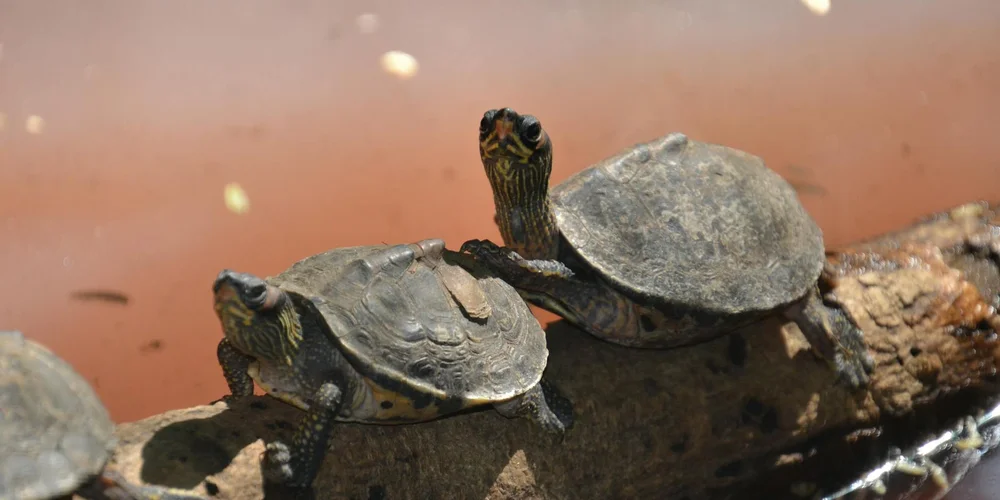
If a bite happens, stay calm and act quickly to prevent infection. Gently but firmly encourage the turtle to release its grip without pulling, as this can worsen the injury. I’ve had minor nips from Austen when he mistook my finger for food, and rinsing the area right away made a big difference.
- Wash the wound with soap and warm water for at least five minutes.
- Apply an antiseptic like hydrogen peroxide or iodine to kill bacteria.
- Cover with a sterile bandage to keep it clean and protected.
- Monitor for swelling or redness over the next few hours.
Turtle mouths can harbor germs, so thorough cleaning is essential, especially when disinfecting their enclosure. Keeping a first-aid kit handy near your pet’s area ensures you’re prepared for surprises.
When to Consult a Veterinarian
Not all bites need professional care, but some signs require a vet’s attention. Seek help if the bite is deep, won’t stop bleeding, or shows pus, as these could indicate infection. With Bronte, I once noticed a slight fever after a scratch, and a quick vet visit prevented complications.
- Persistent pain or swelling that doesn’t improve with home care.
- Signs of tetanus, like muscle stiffness, especially if your vaccinations aren’t up to date.
- Fever or chills in you or unusual lethargy in your turtle.
- Bites near joints or on sensitive areas that limit movement.
Always prioritize safety for both you and your turtle. Regular check-ups with a reptile-savvy vet can catch issues early and keep everyone healthy.
Understanding Species Differences in Biting Behavior

Common Pet Turtle Species and Their Temperaments
Not all turtles view the world through the same lens. Their species gives you a powerful clue about their general outlook on life, including their propensity to nibble. Knowing your turtle’s natural history is the first step toward peaceful coexistence.
Take my Russian Tortoise, Austen. His species forages on tough, fibrous plants. He’s a gentle soul, but my fingers have been mistaken for a stray dandelion leaf more than once. It’s not malice; it’s a simple case of mistaken identity driven by instinct.
- Red-Eared Sliders: Often food-driven and curious. A wiggling finger near feeding time can look like a worm. They are not inherently aggressive, but their enthusiasm can lead to a pinch.
- Snapping Turtles: Their name says it all. Biting is a primary defense mechanism. They are best observed, not handled, and require expert care with immense respect for their powerful jaws.
- Box Turtles (like my Orwell): Generally reserved. They prefer to retreat into their shell rather than confront a threat. A bite is a last resort, signaling extreme stress or fear.
- Painted Turtles: Typically skittish and quick to flee. Biting is rare and usually happens only if they feel completely trapped and unable to escape.
These are tendencies, not guarantees. Every turtle is an individual, and their personal history shapes their behavior just as much as their genetics. In pet turtles, sex can influence temperament in some species, but it’s not universal. Individual history and species usually matter more than sex when predicting behavior.
Building a Positive Relationship With Your Turtle
Trust-Building Exercises and Enrichment
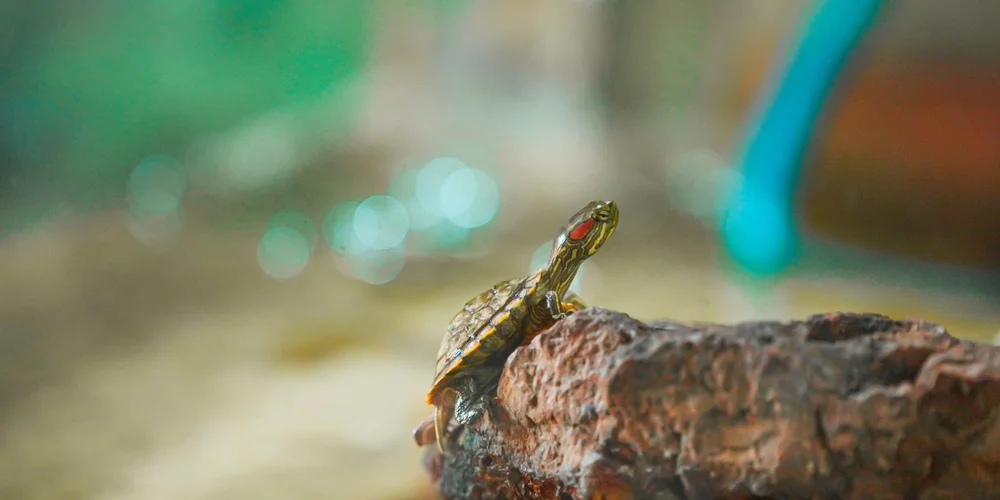
Trust with a turtle is not built in a day. It is earned through quiet, consistent, and predictable interactions. I think of it as teaching them that my presence equals good things, not danger. Patience is not just a virtue here; it is the entire foundation of your relationship.
Start with these simple, non-threatening exercises.
- Hand Feeding: Use long tweezers or your fingers to offer their favorite treats. This associates your hand with positive outcomes. I do this with Bronte, and she now approaches my hand with calm curiosity.
- Presence Without Pressure: Sit quietly by their enclosure during their active hours. Read a book or simply watch them. Let them get used to your existence without any demand for interaction.
- Predictable Routines: Feed them at the same times each day. Perform tank maintenance calmly. Sudden changes can cause stress, and a stressed turtle is more likely to act defensively.
- Environmental Enrichment: A bored turtle is an unhappy turtle. Provide piles of leaves to rustle through, rocks to climb, and safe plants to investigate. A stimulated mind has less room for fear.
This process taught me that my box turtle, Orwell, loves to push around a small, smooth river rock. Learning what brings your turtle joy is one of the most rewarding parts of being a keeper.
Reading Your Turtle’s Unique Personality
Beyond species stereotypes, your turtle has a unique personality. Learning to read their subtle body language is like learning a new, quiet dialect. Coloration changes and subtle skin cues signal mood shifts. Watching these patterns helps you understand when your turtle is stressed or relaxed. Observing your turtle is the best way to prevent misunderstandings that could lead to a bite.
Watch for these signals.
- The Relaxed Turtle: Limbs are extended comfortably. Neck is out, and eyes are bright and alert without being wide. They move with a slow, deliberate pace.
- The Stressed or Fearful Turtle: Head and limbs are retracted or tucked tightly. Hissing can occur, which is just air being expelled from the lungs as they hide. This is a clear “leave me alone” sign.
- The Curious/Investigative Turtle: A slow, deliberate approach. They might extend their neck to get a better look or a sniff. This is a good time for a hand-fed treat to reinforce positive interaction.
- The Defensive/Agitated Turtle: A sudden retraction with a hiss. Some species may gap their mouths open as a warning. This is not the time for handling.
My Greek tortoise, Bronte, has a specific look she gives me when she wants her morning soak. When you learn your turtle’s personal cues, like their tail positions, you build a bridge of communication that makes aggression unnecessary.
Common Questions
How often should I handle my turtle to build trust?
Start with short, gentle sessions a few times a week to avoid causing stress. Always let your turtle see you approaching and support its body fully to make it feel secure. If you’re new to turtle care, make sure to read our guide for beginners to understand their needs better.
Is it safe to hand-feed my turtle?
Hand-feeding can build positive associations but requires caution to prevent accidental bites. Use long tweezers for food or offer treats on an open palm to keep your fingers safe.
How painful is a typical turtle bite?
The pain level depends on the turtle’s species and size, but most common pet turtle bites are more surprising than severely painful. However, a bite can break the skin and requires immediate cleaning to prevent infection.
Can keeping multiple turtles together increase aggression?
Yes, housing multiple turtles, especially males, in a cramped space can lead to territorial disputes and stress. Providing a large enclosure with multiple basking and hiding areas is essential to minimize conflict.
What does it mean if my turtle suddenly becomes aggressive?
A sudden change in behavior is often a sign of stress, illness, or discomfort in its environment. It is important to review its habitat setup and consider a visit to a reptile veterinarian to rule out health issues.
Your Gentle Guide to Turtle Companionship
By respecting your turtle’s natural instincts and learning to read their unique body language, you can build a relationship based on trust, not fear. A proper habitat and gentle, confident handling are your best tools for preventing bites and ensuring your shelled friend feels safe and secure.
The most rewarding part of turtle care comes from quiet observation and a commitment to lifelong learning about their needs. Embrace the journey of understanding these fascinating creatures, and you’ll be rewarded with a peaceful, long-term companionship that is truly special. People often wonder whether pet turtles are easy or hard to care for. The reality is that the required level of care varies by species, but all turtles benefit from a well-balanced habitat and regular maintenance.
Further Reading & Sources
- Do Turtles Attack Humans? How Painful Are Their Bites? – Flowy Magazine
- r/turtle on Reddit: How do I stop my turtle from biting me?
- What are possible causes of loggerhead turtle biting swimmers? | Blue World Institute
- r/turtle on Reddit: Are turtle bites dangerous?
Matthew is a dedicated turtle enthusiast and conservationist with over 15 years of experience in reptile care. Known affectionately as "The Leatherback" among his peers, he combines his passion for turtles with a commitment to educating pet owners on responsible turtle care and environmental stewardship.
Turtle Myths and Misconceptions