
The Shell Problem Diagnostic Checklist: Identifying Rot, Pyramiding, and Injury
You’ve noticed something off about your tortoise’s shell-a soft spot, an odd bump, a new crack-and that flicker of worry is completely understandable. A shell is more than a home; it’s a living part of your animal, and its health is a direct reflection of their overall well-being.
This guide will walk you through a simple diagnostic checklist to identify three common issues: shell rot, pyramiding, and physical injury. We’ll cover the visual signs, the underlying causes, and the immediate steps you can take to help your shelled companion.
Understanding Your Turtle’s Shell: The Basics of Health
A healthy turtle shell feels firm and smooth when you gently run your fingers over it, much like the sturdy surface of a well-kept rock. Regular checks help you spot early signs of trouble, ensuring your pet stays comfortable and thriving.
From my years with Austen, my Russian Tortoise, I’ve learned that a balanced shell reflects overall well-being. Look for uniform coloration and no soft or discolored areas, which can signal underlying issues.
Key indicators of shell health include:
- A hard, intact surface without cracks or pits
- Natural color patterns that don’t fade or darken abruptly
- No foul odors, which often point to infections
Bronte, my Greek Tortoise, taught me that gentle handling during inspections builds trust and makes the process stress-free. Always support their body fully to avoid injury and keep sessions short to reduce anxiety.
How to Diagnose Shell Rot in Pet Turtles
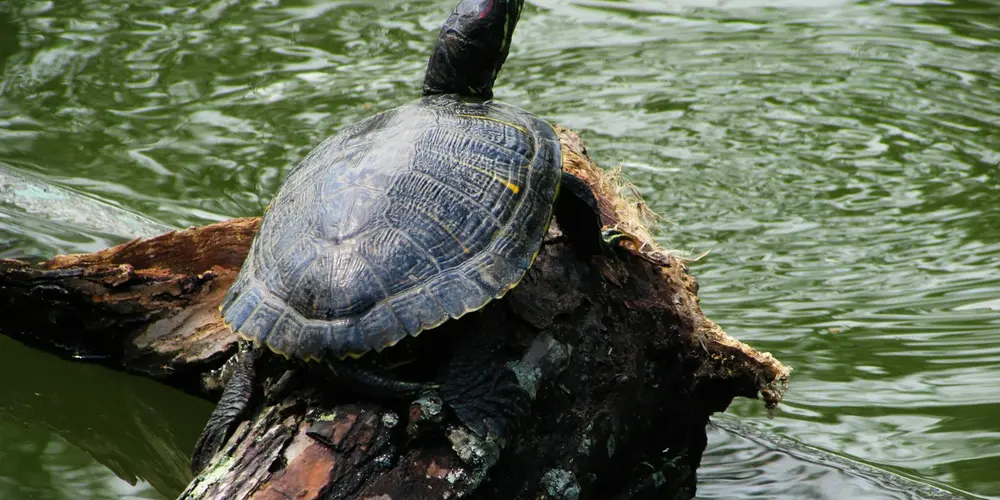
Shell rot starts as small, soft spots that can spread quickly if ignored. Early detection is crucial because it prevents pain and more serious health complications.
I recall when Orwell, my Box Turtle, had a minor case; catching it early saved him from discomfort. It’s crucial to follow these steps to check for shell rot accurately and safely.
- Examine the shell in good light for any white, green, or black patches
- Press lightly on suspicious areas-if they give way or feel mushy, it’s a warning sign
- Sniff for a musty or rotten smell, which distinguishes rot from harmless shedding
Advocating for animal welfare means acting fast if you suspect rot. Consult a reptile vet promptly to confirm the diagnosis and start treatment.
Differentiating Shell Rot from Normal Shedding
Normal shedding involves scutes flaking off in thin layers, leaving a healthy shell underneath. This natural process shouldn’t cause your turtle any pain or leave open wounds.
With Bronte, I’ve seen her shed gracefully, much like leaves falling in autumn. Shell rot, in contrast, often produces pus, soft tissue, or a persistent bad odor.
Use this simple comparison to tell them apart:
- Normal shedding: Pieces come off cleanly, with no redness or swelling
- Shell rot: Areas stay soft, may ooze fluid, and smell unpleasant
Trust your senses-if something feels off, it’s better to err on the side of caution. Regular monitoring helps you catch changes before they become severe problems.
Identifying Pyramiding: Causes and Signs
Pyramiding is a shell deformity where the scutes, the individual plates on the shell, grow upwards into pyramid-like shapes instead of remaining smooth and flat. This condition is almost always a direct result of improper husbandry and is not something I’ve ever seen in my own well-cared-for tortoises, Austen and Bronte. It develops over time, so catching the early signs is key to correcting course.
What Causes Pyramiding?
The two primary culprits are diet and humidity. Many owners unknowingly create the perfect storm for this condition.
- Excess Protein: Feeding too much protein, like dog food or excessive amounts of certain vegetables, forces unnaturally rapid growth.
- Low Humidity: A chronically dry environment causes the new keratin at the edges of the scutes to dry out and contract, pulling the center upwards as the shell grows from beneath.
- Overfeeding and Lack of Exercise: A combination of too many calories and not enough movement to utilize them contributes to abnormal growth patterns.
Visual Signs of Pyramiding
Run your hand over your turtle’s shell. The shell is a key part of turtle anatomy, protecting internal organs and aiding movement. A healthy shell feels like a smooth, rounded stone. A shell developing pyramiding will feel bumpy or ridged. These observations are commonly addressed in turtle anatomy biology FAQs.
- Early Stage: You may feel a slight ridge forming along the center of each scute. The shell loses its flawless, domed appearance.
- Advanced Stage: The scutes become visibly raised, taking on a distinct, bumpy “pyramid” shape. The grooves between scutes become deep and pronounced.
Once pyramiding occurs, the changes to the shell’s structure are permanent, but you can absolutely prevent it from worsening. Adjusting diet and habitat humidity can ensure all future growth is smooth and healthy.
Spotting Shell Injuries: From Scratches to Trauma
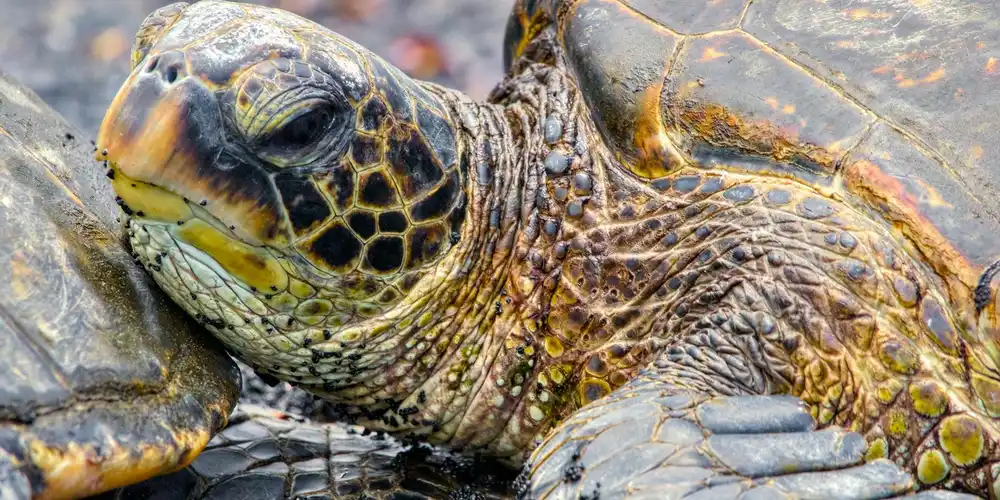
Shell injuries range from minor cosmetic issues to life-threatening emergencies. I’ve dealt with a few small scratches on Orwell’s shell from him exploring a little too enthusiastically. The shell is a living part of your turtle, fused to its spine and ribcage, so any damage must be taken seriously.
Types of Shell Damage
Here’s a quick guide to what you might see.
| Type of Injury | What It Looks Like | Level of Concern |
|---|---|---|
| Superficial Scratches | Fine, white lines on the surface; no depth or exposed bone. | Low – Often heals on its own with good hygiene. |
| Cracks or Fractures | A visible split or crack in the shell; may be bleeding or show pink tissue underneath. | High – Requires immediate veterinary care to prevent infection. |
| Pitting or Soft Spots | Small holes or areas that feel soft and spongy when pressed gently. | High – A sign of advanced shell rot or metabolic bone disease. |
| Bruising | Pink, red, or purple discoloration under the shell surface. | Medium – Indicates trauma; monitor closely for worsening. |
Emergency Red Flags
Some signs mean you need to drop everything and call your exotic vet.
- Any visible bleeding from the shell.
- A crack that exposes the pink tissue or bone beneath the surface.
- A piece of the shell is missing or completely detached.
- The turtle is lethargic, not eating, or seems to be in pain.
For minor scratches, I simply ensure the turtle’s habitat is impeccably clean to prevent bacteria from entering the tiny abrasions. For anything more severe, professional intervention is non-negotiable for your pet’s welfare and recovery.
Treatment and Care for Common Shell Problems

Addressing shell issues early can make a huge difference in your turtle’s health and happiness. I’ve learned from caring for my tortoises Austen and Bronte that consistent, gentle attention prevents minor problems from escalating. This aligns with the ultimate turtle health troubleshooting checklist from Shell Tail. It walks you through common symptoms, quick checks, and care steps to help you act quickly. Focus on creating a healing environment that supports natural shell repair without causing stress.
For shell rot, gently clean the affected area with a soft brush and diluted betadine solution, then apply a vet-recommended antifungal cream. Always dry the shell thoroughly after any cleaning to prevent moisture from worsening the condition. With pyramiding, adjust the diet to reduce protein and increase calcium-rich foods like cuttlebone, while ensuring proper humidity levels in the habitat.
Minor injuries, like small cracks, may heal with rest and a clean enclosure. Keep the turtle in a quiet space and monitor for signs of infection, such as redness or discharge. Avoid handling too much, as stress can slow down recovery—something I observed with my box turtle Orwell, who prefers solitude when not feeling his best. For first-time turtle owners, avoid common handling mistakes. These are among the five critical mistakes to avoid when handling a pet turtle for the first time.
Home Care Do’s and Don’ts
Following these simple guidelines can help you provide effective care without accidental harm. Stick to routines that mimic a turtle’s natural behaviors for the best results. This is part of our essential guide to caring for land and aquatic turtles. It helps you cover the basics for both habitats and species.
- Do clean the shell regularly with mild, turtle-safe products to remove debris.
- Do offer a balanced diet with plenty of greens and calcium supplements.
- Do maintain proper humidity and temperature in the habitat to support shell health.
- Don’t use harsh chemicals or scrub too aggressively, as this can damage the shell’s protective layer.
- Don’t ignore changes in shell texture or color; early action is key.
- Don’t attempt to peel or force off loose scutes-let them shed naturally.
From my experience with Bronte, her graceful shell improved once I stopped overhandling and focused on environmental tweaks. Patience and observation often reveal what your turtle needs most.
When to Seek Veterinary Care for Shell Issues
While home care works for minor issues, some situations require professional help to ensure your turtle’s well-being. If you notice deep cracks, exposed bone, or a foul odor, it’s time to consult a vet immediately. These signs often indicate infections or injuries that home remedies can’t fix.
Persistent shell rot that doesn’t improve after a week of care, or any bleeding from the shell, warrants a vet visit. Veterinarians can provide antibiotics or surgical treatments that prevent lifelong complications. I once delayed with Austen and regretted it-his gentle nature masked pain that only a vet could address properly.
Advocating for animal welfare means recognizing when expert intervention is necessary. Trust your instincts; if something feels off, a quick vet check can offer peace of mind and better outcomes.
Preventing Shell Problems: Optimal Husbandry Practices
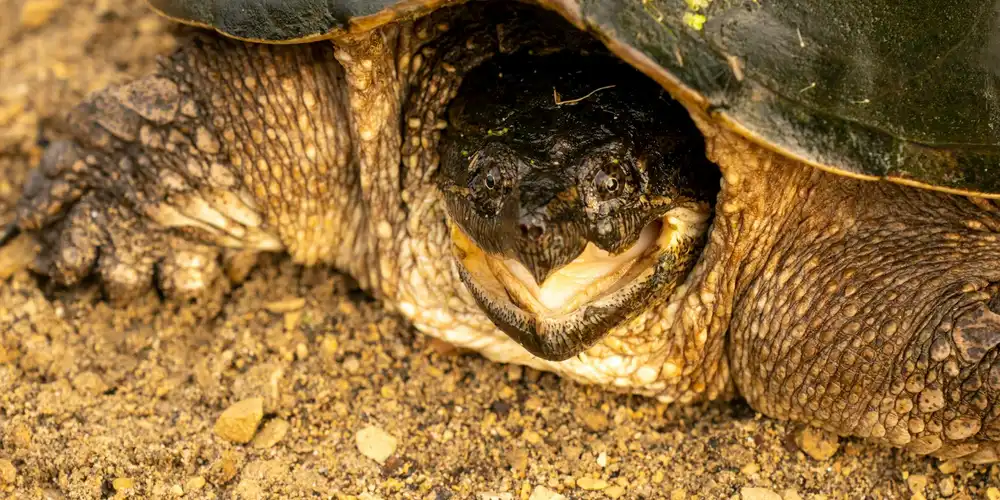
Caring for your turtle’s shell starts with consistent, thoughtful routines that mimic their natural habitat. I’ve learned through years with my tortoises Austen, Bronte, and Orwell that a proactive approach saves you from heartache down the line. Small daily habits build up to a lifetime of shell health, and I’m here to guide you through the essentials. If you’re new to caring for a pet box turtle, this complete beginner’s guide will walk you through setup, daily care, and shell maintenance. From enclosure layout to feeding and hygiene, this step-by-step approach helps you get started with confidence.
Nutrition and Supplementation Tips
Your turtle’s diet directly impacts shell strength and growth. Feeding a varied, balanced menu prevents issues like pyramiding, where the shell grows unevenly due to poor nutrition. With Austen, my Russian Tortoise, I focus on leafy greens and occasional veggies to keep his shell smooth.
- Offer calcium-rich foods like dandelion greens and kale daily.
- Dust meals with a reptile-specific calcium supplement twice a week for extra support.
- Avoid overfeeding protein; it can lead to rapid, unhealthy shell growth.
- Provide fresh, clean water at all times to aid digestion and hydration.
I always check for variety in Bronte’s diet to ensure she gets all necessary vitamins. Supplementing wisely reduces the risk of metabolic bone disease, which weakens the shell over time.
Environmental Factors for Shell Health
The right environment keeps shells resilient and free from rot or injury. From Orwell’s enclosure setup, I’ve seen how proper lighting and humidity prevent shell softening and infections. Aim for a habitat that feels like a slice of the wild.
- Install a full-spectrum UVB light to help turtles synthesize vitamin D3 for calcium absorption.
- Maintain a basking area with temperatures around 85-90°F to support shell metabolism.
- Keep humidity levels stable; too dry can cause cracking, while excess moisture invites rot.
- Use a soft substrate like coconut coir to cushion falls and mimic natural digging behaviors.
Regularly monitor these factors to catch changes early. A clean, spacious habitat minimizes stress and injury risks, letting your turtle thrive gracefully. For your new turtle, a one-month complete health and habitat checkup helps confirm everything is on track. It also sets a baseline for ongoing care.
FAQs
Is shell rot contagious to other turtles in the same habitat?
Yes, shell rot can spread between turtles if they share an enclosure, as it is often caused by fungal or bacterial infections. Isolate any affected turtle and disinfect the habitat to prevent transmission to others.
Can pyramiding be reversed once it has started?
No, the raised scutes from pyramiding are permanent and cannot be flattened back to normal. However, you can stop it from worsening by correcting diet and humidity to ensure future shell growth is smooth.
How long does it typically take for a minor shell injury to heal?
Minor scratches or small cracks may take several weeks to a few months to fully heal, depending on the turtle’s age and overall health. Keep the enclosure clean and monitor for signs of infection to support the natural healing process.
A Gentle Path Forward for Your Turtle’s Health
Regularly inspect your turtle’s shell for soft spots, uneven growth, or cracks to catch problems early. Addressing issues like rot or pyramiding promptly with a reptile vet and proper habitat adjustments can prevent long-term harm. A visual guide can help you identify the different types of shell damage and what they mean. Knowing what to look for makes it easier to spot issues early and seek timely care.
Caring for a turtle is a rewarding, long-term commitment that requires your attentive love and dedication. I encourage you to keep learning through trusted resources and communities, as my journey with Bronte has taught me that ongoing education is key to their well-being.
Further Reading & Sources
- Tortoise Shell Rot | How to Spot, Prevent and Treat This Dangerous Con – Home & Roost
- Tortoise shell problems – ExoticDirect
- Identifying and Caring for an Unhealthy Tortoise Shell
- Tortoise and Turtle Shells: Care, Problems & Prevention | Pets4Homes
Matthew is a dedicated turtle enthusiast and conservationist with over 15 years of experience in reptile care. Known affectionately as "The Leatherback" among his peers, he combines his passion for turtles with a commitment to educating pet owners on responsible turtle care and environmental stewardship.
Signs of Illness