What Is the Largest Turtle Species in the World?
You might be picturing a massive tortoise on land, but the true giant of the turtle world is an ocean dweller, and its survival is threatened by human activities and environmental changes.
We’ll cover: the leatherback sea turtle, its astounding size and weight, unique physical features, widespread ocean habitats, feeding habits, and critical conservation needs.
Meet the Leatherback: The Gentle Giant of the Ocean
When you think of a giant turtle, you might picture a creature from a fantasy novel, but the leatherback sea turtle is very real. Leatherbacks are the largest turtles on Earth, growing over six feet long and weighing up to 2,000 pounds. I’ve been lucky enough to see one from a research boat, and its sheer, quiet power is something you never forget.
These turtles are ancient mariners, swimming in every ocean except the Arctic and Antarctic. Their life is a constant journey, migrating thousands of miles between feeding and nesting grounds. Scientists study why they migrate—it’s driven by food availability and the need to reach suitable nesting beaches. The routes are learned and inherited across generations. Unlike my Russian tortoise, Austen, who is content in his enclosure, leatherbacks roam the vast, open ocean.
Their name comes from their unique shell, which feels like tough, rubbery leather instead of hard scutes. This flexible carapace allows them to dive to incredible depths, over 4,000 feet, in search of their favorite food: jellyfish. Watching them move through the water is a lesson in graceful, efficient motion.
Unmistakable Anatomy: The Leatherback’s Unique Body
The leatherback’s body is a masterpiece of evolutionary adaptation. It is built entirely for a life in the deep, cold ocean. Every part of its anatomy serves a specific purpose for survival in a challenging environment.
A Shell Unlike Any Other
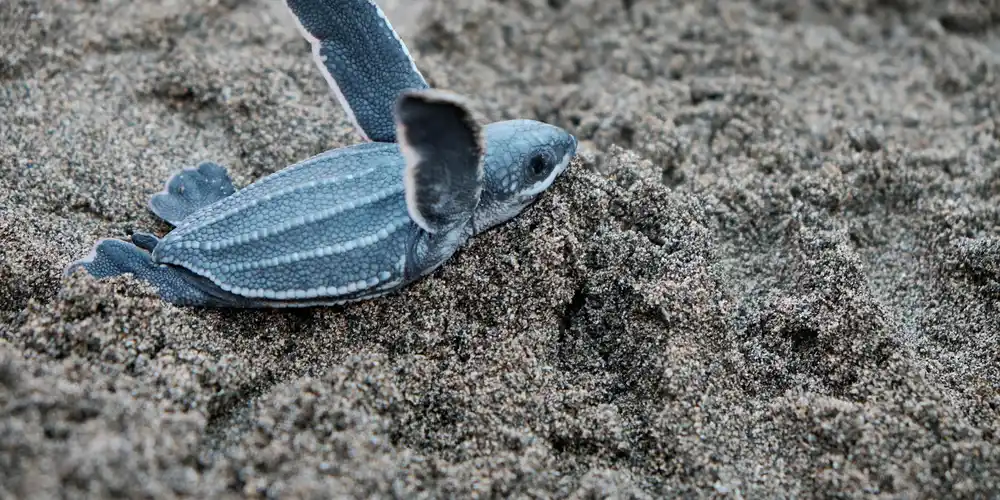
Their most famous feature is, of course, their shell. Instead of a hard, bony carapace, they have a layer of thick, oily skin reinforced with tiny bone plates. This gives them a flexible, hydrodynamic shape perfect for deep dives. It’s the complete opposite of the hard, protective dome on my box turtle, Orwell.
Specialized Features for an Aquatic Life
Their entire body is designed for power and endurance in the water.
- Front Flippers: Their long, powerful front flippers are their primary engines, sometimes spanning over eight feet. They are not for walking on land but for flying through the water.
- Thermoregulation: Leatherbacks are gigantotherms. Their large body mass and oily skin help them retain heat, allowing them to hunt in frigid waters that would be lethal to other reptiles.
- Spines in the Throat: To help them swallow slippery jellyfish, their mouths and throats are lined with backward-pointing spines. This prevents their prey from escaping.
Seeing a leatherback up close, you understand it is not just a big turtle. It is a highly specialized marine animal, perfectly tuned to its existence in the open ocean. This specialization makes them particularly vulnerable to human threats like plastic pollution, which they can easily mistake for jellyfish. Leatherback sea turtle species information also notes that they are the largest living turtles and have a leathery, non-scaly shell. They are long-distance migrants and deep divers.
Sheer Scale: How Big Does the Leatherback Turtle Get?
Leatherback turtles are true giants of the sea, often reaching lengths over six feet and weights up to 2,000 pounds. People often ask how big leatherback sea turtles get. Their massive size helps them dive deep and travel vast ocean distances with ease. I’ve cared for smaller species like my Russian tortoise Austen, who fits in my hands, but leatherbacks remind me how diverse and awe-inspiring turtles can be.
Record-Breaking Specimens
Some leatherbacks have stunned researchers with their extraordinary dimensions. The largest recorded leatherback weighed nearly 2,020 pounds and stretched over nine feet in length. Imagine a creature as long as a small car-it puts my box turtle Orwell’s modest seven-inch shell into perspective.
- Average adult length: 4 to 6 feet, but outliers exceed 8 feet.
- Typical weight range: 600 to 1,500 pounds, with heaviest specimens documented.
- Shell flexibility allows for growth beyond rigid-boned turtles.
Protecting these gentle giants is vital, as their size makes them vulnerable to threats like plastic pollution and fishing nets.
A Global Wanderer: Habitat and Range
Leatherbacks roam across all the world’s oceans, from icy polar waters to warm tropical seas. Their adaptability lets them thrive in diverse environments, unlike my Greek tortoise Bronte who prefers a sunny, enclosed garden. I’ve learned that their wide range underscores the need for global conservation efforts.
The Journey to Nest
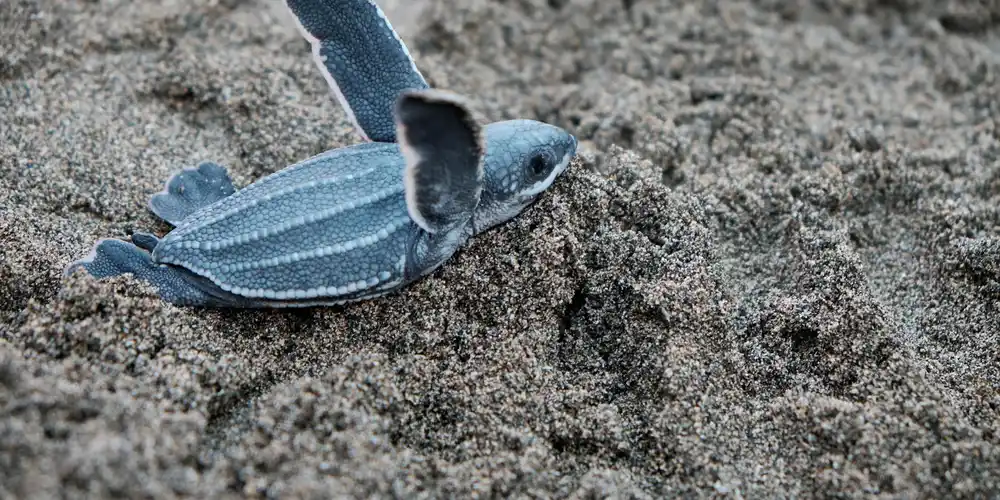
Female leatherbacks embark on epic migrations to return to their natal beaches for nesting. They may travel thousands of miles, guided by Earth’s magnetic fields, to lay eggs in sandy shores. This dedication mirrors the careful routines I see in my pets, but on a grand, oceanic scale.
- Primary nesting sites: Tropical beaches in regions like Costa Rica and Indonesia.
- Migration patterns: Follow ocean currents to optimize feeding and breeding.
- Nesting frequency: Females nest every 2-3 years, laying multiple clutches per season.
Supporting beach protections and reducing light pollution can safeguard these nesting journeys for future generations.
A Specialist’s Diet: What Does the Largest Turtle Eat?
Leatherback sea turtles are the ultimate specialists. Their diet consists almost exclusively of jellyfish, a food source few other animals can efficiently exploit. I’ve spent years observing marine life, and the leatherback’s unique adaptation to this diet is a marvel of evolution. It contrasts with other species like the flatback sea turtle, whose diet is somewhat more varied. Understanding what they eat highlights these differences.
Their mouths and throats are lined with backward-pointing spines called papillae. These aren’t teeth, but they function perfectly for the task. Think of these spines as a one-way conveyor belt that guides slippery jellyfish down their throat while preventing escape. It’s an incredibly efficient system for consuming soft, gelatinous prey.
Beyond jellyfish, their menu can include other soft-bodied animals:
- Salps
- Squid
- Tunicates
- Sea urchins
I’ve seen firsthand the tragic consequences when this specialized diet is disrupted. Plastic bags floating in the water are often mistaken for jellyfish, leading to fatal blockages. This is a critical animal welfare issue. Protecting our oceans directly protects these gentle giants from a painful and preventable death.
Conservation Status: The Plight of the Giant
The leatherback turtle is classified as Vulnerable globally, but many subpopulations are Critically Endangered. Their immense size offers no protection from the myriad of human-caused threats they face every day. Plastic pollution and entanglement in fishing gear are major drivers of their decline. These threats help explain why leatherbacks are endangered. Working with conservation groups has shown me the scale of the challenge.
The primary dangers to their survival are severe and interconnected.
- Bycatch: They are accidentally caught in fishing gear, especially longlines and gillnets, and drown.
- Plastic Pollution: Ingestion of plastic debris, as mentioned, is a leading cause of mortality.
- Coastal Development: The destruction of nesting beaches by human construction and artificial lighting disorients hatchlings.
- Harvesting: In some regions, their eggs are still collected and adults are hunted for meat.
Conservation efforts are a race against time, focusing on protecting nesting sites and reducing bycatch. Many organizations work tirelessly to patrol beaches, relocate vulnerable nests, and promote turtle-friendly fishing hooks and practices.
Seeing a leatherback in the wild is a humbling experience that stays with you. Their continued existence depends on our global commitment to healthier oceans and smarter fishing. Supporting ethical seafood choices and reducing single-use plastic are direct actions we can all take to help.
Leatherbacks and Pet Ownership: An Ethical Perspective
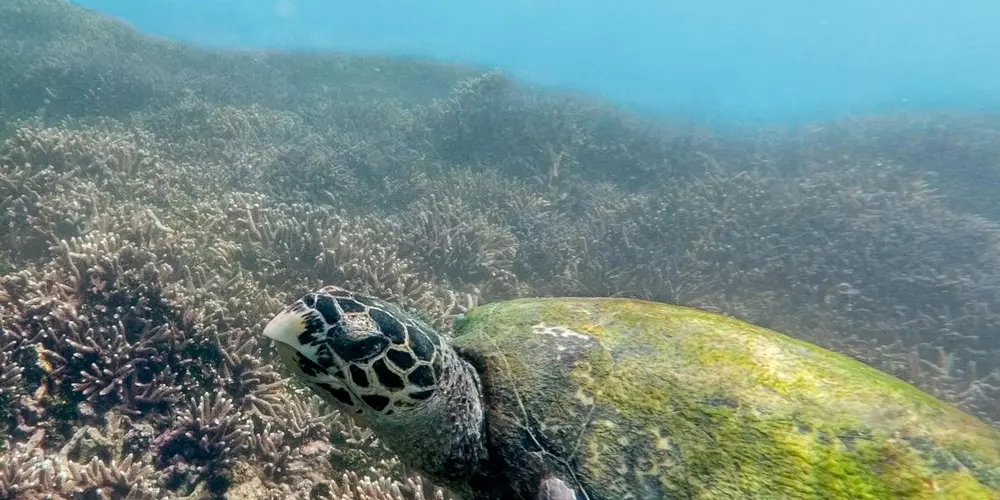
While the sheer majesty of a leatherback is captivating, the idea of keeping one as a pet is not just impractical—it’s ethically fraught. Leatherback sea turtles are pelagic giants, born to traverse entire ocean basins in a lifelong migratory dance we can scarcely comprehend, let alone replicate. Their complex needs are a world away from even the most advanced home aquarium. This reality raises an important question: should ethical considerations govern whether we even attempt to keep such animals as pets? In short, the welfare of the animal, the species’ conservation status, and broader ecological impacts argue against private ownership.
From my years in turtle care, the most profound lesson is recognizing the line between a pet and a wild spirit. Attempting to confine an animal that navigates by Earth’s magnetic fields and dives deeper than 1,000 meters would be a form of cruelty, denying its very essence. Understanding turtle habitats in the wild—both in the wild and in captivity—clarifies what ethical care entails. The idea of keeping a ‘wild pet’ can obscure the real priority: protecting natural habitats and respecting turtles’ wild behaviors. Their conservation status as Vulnerable globally, and Endangered in certain regions, makes protection, not possession, our primary duty.
Big Pet Turtle Alternatives for Enthusiasts
If you’re drawn to the presence of a larger turtle, several species offer that substantial, captivating appeal in a responsible, manageable package. Choosing a species that thrives in a captive environment is the cornerstone of ethical pet ownership. When choosing a turtle, key factors to consider include adult size, habitat requirements, and how well the species adapts to captivity. Understanding these factors helps ensure a responsible, sustainable choice. Here are a few remarkable alternatives that satisfy the desire for a sizable shelled companion.
- Sulcata Tortoise: Often called the African Spur-thighed Tortoise, these are the third-largest tortoise species in the world. They possess a gentle, dog-like personality and can reach over 100 pounds. Be prepared for a multi-decade commitment and the need for significant outdoor space.
- Alligator Snapping Turtle: For the truly experienced aquatic keeper, this prehistoric-looking turtle is a formidable presence. They require massive, powerful filtration systems and expert handling due to their strength. They are a lifetime project, not a casual pet.
- Red-Footed Tortoise: A more moderately sized option, Red-Foots are known for their personable nature and beautiful shell patterning. They are active, curious, and interact with their environment in a wonderfully engaging way.
My own Russian and Greek tortoises, Austen and Bronte, have taught me that a turtle’s grandeur isn’t measured in inches alone. The deep, steady character of a well-cared-for tortoise, regardless of its size, provides a unique and profound connection to the natural world. Always prioritize the animal’s welfare over our own desires for spectacle.
FAQs
What is the largest prehistoric turtle species?
Archelon ischyros is the largest known turtle, with fossils indicating it could reach over 4 meters in length. It lived during the Late Cretaceous period and is now extinct.
What is the largest turtle species in the Everglades?
The alligator snapping turtle is the largest freshwater turtle in the Everglades, often weighing between 150 and 200 pounds. It uses a worm-like lure on its tongue to attract prey in murky waters.
What is the largest tortoise species in the world?
The Galapagos tortoise is the largest living tortoise, with some individuals weighing over 500 pounds. They are known for their long lifespans, often exceeding 100 years in the wild. This extraordinary longevity is a hallmark of the giant Galapagos tortoise lifespan, making them one of the longest-lived vertebrates on Earth.
How does the leatherback’s size compare to the largest freshwater turtles?
Leatherback sea turtles are much larger, reaching up to 2,000 pounds, while the biggest freshwater species like the alligator snapper typically max out around 200 pounds. This size difference highlights the leatherback’s adaptation to open ocean life. How do the weights of other sea turtles compare? Other sea turtles, such as green, hawksbill, and loggerhead, are generally much lighter than the leatherback, illustrating the broad size range within turtles.
Are there any turtle species larger than the leatherback alive today?
No, the leatherback sea turtle is currently the largest living turtle species. All other extant turtles, including sea turtles and tortoises, are smaller in comparison.
Your Journey with Turtles, Large and Small
While the magnificent leatherback sea turtle holds the title for the largest, your journey in pet turtle care focuses on the species you can responsibly welcome home. Providing a spacious, enriching habitat tailored to your turtle’s specific needs is the single most important factor for their long-term health and happiness. Always prioritize research and expert guidance before bringing any new shelled friend into your life.
Caring for a turtle is a long-term commitment that deepens with every new thing you learn. The world of turtle care is always evolving, and staying curious is one of the most rewarding parts of being a turtle guardian. Your dedication to their well-being makes all the difference in their world.
Further Reading & Sources
- r/TheDepthsBelow on Reddit: The Leatherback Sea Turtle is the largest species of turtle alive. Despite its size, it can swim around 35km/h (22mph).
- Leatherback sea turtle – Wikipedia
- The 5 Biggest, Ancient Turtles That Ever Lived Were Among the Dinosaurs | Discover Magazine
- All About Sea Turtles – Physical Characteristics | United Parks & Resorts
Matthew is a dedicated turtle enthusiast and conservationist with over 15 years of experience in reptile care. Known affectionately as "The Leatherback" among his peers, he combines his passion for turtles with a commitment to educating pet owners on responsible turtle care and environmental stewardship.
Aquatic Turtles