
What Leatherback and Flatback Sea Turtles Eat in the Wild
Published on: January 14, 2026 | Last Updated: January 14, 2026
Written By: Matthew The
You might wonder exactly what Leatherback and Flatback sea turtles feed on in their ocean homes, and feel concerned about how pollution or habitat loss could starve these ancient creatures.
This article details their unique diets, feeding techniques, and why safeguarding their food sources is vital for survival.
Meet the Leatherback and Flatback Sea Turtles
Leatherback sea turtles are the gentle giants of the ocean, easily identified by their unique, leathery carapace instead of a hard shell. They possess powerful, paddle-like flippers built for their epic, global migrations across both tropical and temperate waters.
Flatback sea turtles, in contrast, are more localized residents. Their name comes from their relatively flat shell, and they are found exclusively in the coastal waters of Northern Australia and the Indo-Pacific region. Witnessing a flatback navigate the shallow, sandy seabeds feels like watching a graceful, low-flying bird.
I remember one predawn on a nesting beach, watching a massive leatherback laboriously haul herself ashore. Her sheer size and ancient demeanor were humbling. It’s a sight that solidifies your commitment to protecting these magnificent creatures and their habitats.
The Leatherback Sea Turtle’s Unique Diet
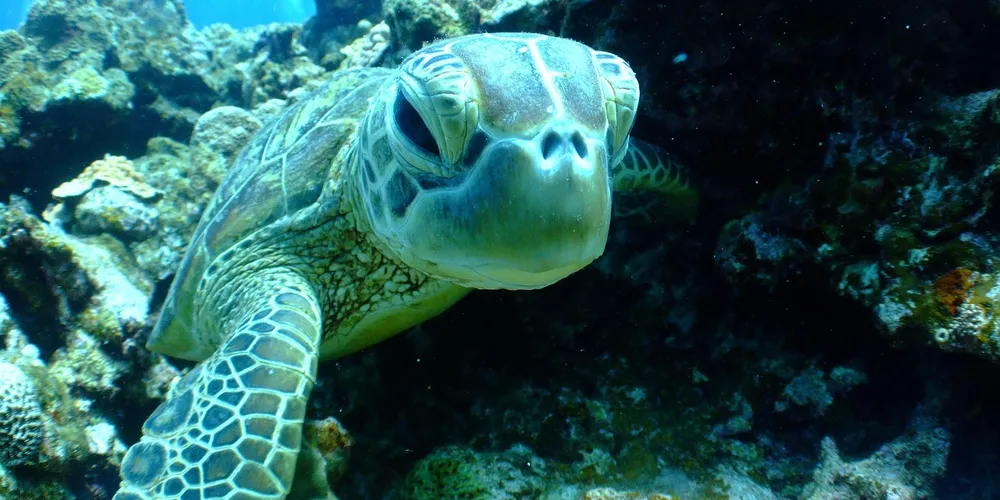
Leatherbacks are specialists, with a diet overwhelmingly composed of jellyfish and other soft-bodied invertebrates like salps and sea squirts. Their entire physiology is a masterclass in evolutionary adaptation for this specific menu.
Their mouths and throats are lined with backward-facing spines called papillae. These spines are crucial for trapping slippery jellyfish, ensuring their gelatinous prey cannot escape once swallowed.
They are voracious foragers, capable of consuming massive quantities of jellyfish during a bloom. Research on stomach contents consistently shows a high percentage of jellyfish tissue, sometimes mixed with other soft organisms accidentally consumed.
Their migration patterns are a direct response to jellyfish distribution. They will travel thousands of miles, diving to incredible depths, to follow the pulsating trails of their prey across the global oceans.
The Flatback Sea Turtle’s Varied Menu
Flatback sea turtles enjoy a much more varied and opportunistic diet compared to the specialized leatherback. They are omnivores, feeding on a wide array of creatures found in their shallow, coastal habitats.
Their typical diet includes:
- Soft corals and sea pens
- Jellyfish and sea cucumbers
- Shrimp, crabs, and other crustaceans
- Mollusks like squid and cuttlefish
- Occasional seaweeds and seagrasses
Their strong jaws are perfectly suited for crushing the harder shells of crabs and mollusks, a stark contrast to the leatherback’s soft-tissue focus. Studies of their foraging behavior show they are primarily bottom-feeders, scouring the seabed for a mixed meal.
This dietary flexibility ties them closely to the health of specific coastal ecosystems like coral reefs and soft-bottom habitats. Their survival is intrinsically linked to the preservation of these rich, biodiverse areas.
What Flatback Sea Turtles Feast On
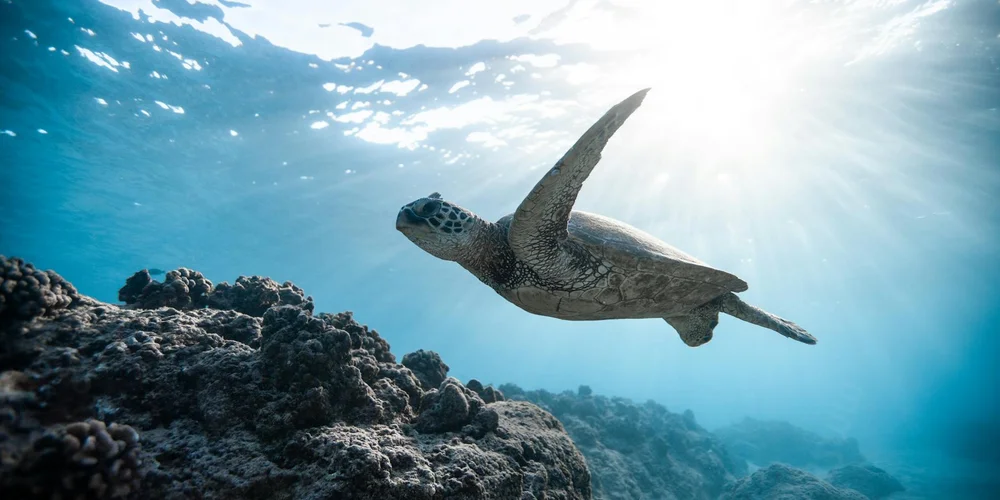
Flatback sea turtles enjoy a varied diet that keeps them healthy in their coastal homes. They primarily munch on squid, crustaceans like shrimp and crabs, and other invertebrates such as sea cucumbers and soft corals. For contrast, hawksbill sea turtles have a coral reef–centered diet, typically feeding on sponges. A coral reef diet guide would highlight how this specialization helps them navigate reef ecosystems.
- Squid: A protein-rich choice that fuels their energy.
- Crustaceans: Including crabs and shrimp, packed with essential nutrients.
- Other invertebrates: Like sea cucumbers, which they find while foraging.
These turtles feed in the shallow seagrass beds and coastal zones of Australia and the Coral Sea. Seagrass areas serve as their main dining grounds, offering easy access to prey in calm, protected waters.
Compared to other sea turtles, flatbacks have a broader diet but a more limited geographic range. For example, green sea turtles stick to seagrass and algae, while flatbacks’ diverse menu helps them thrive in their specific habitats without venturing far.
From my experience caring for tortoises like Bronte, I see how diet shapes behavior and health. Wildlife studies confirm that flatbacks’ selective feeding in these areas supports their steady growth and reduces competition with other species.
How Wild Diets Differ Between Species
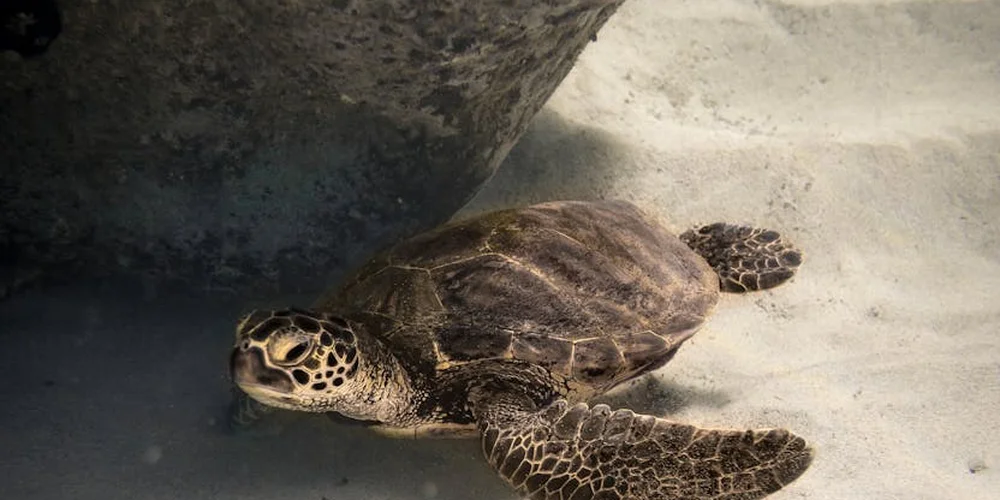
Leatherback sea turtles are dedicated carnivores, focusing almost entirely on jellyfish. Flatbacks, however, enjoy a wider range of invertebrates, making their diet more flexible and varied. Across turtle species, diets range from herbivory to carnivory, with some being omnivores.
| Species | Primary Diet | Feeding Habits |
|---|---|---|
| Leatherback | Jellyfish | Open ocean, deep dives for blooms |
| Flatback | Squid, crustaceans, invertebrates | Coastal areas, shallow seagrass beds |
These dietary differences are vital for their survival and ecological roles. Leatherbacks’ specialization helps control jellyfish populations, but it puts them at risk from ocean plastic, while flatbacks’ generalist approach buffers them against food shortages.
Diet shapes their daily lives and habitat choices. Leatherbacks migrate vast distances to find food, whereas flatbacks’ local foraging keeps them in stable, nearshore environments, influencing how we protect these amazing creatures.
Lessons for Pet Turtle Owners From Wild Diets
Observing the leatherback’s jellyfish hunts and the flatback’s varied coastal menu taught me a powerful lesson about my own pets’ meals. Variety isn’t just a nice-to-have; it’s the cornerstone of a healthy, thriving turtle. Just as these sea giants roam vast distances for different prey, our shelled companions need a diverse plate to truly flourish.
Safe Foods That Mimic the Wild
You don’t need to serve jellyfish, but you can offer foods that replicate the textures and nutrients of a wild diet. For common species like Russian and Greek tortoises, think like a forager.
- Dark, leafy greens: Dandelion greens, endive, and escarole are staples for my tortoises, Austen and Bronte.
- Edible flowers: Hibiscus and rose petals are a colorful, nutritious treat they eagerly accept.
- Weeds from pesticide-free areas: Plantain and clover offer fantastic variety.
- Calcium-rich additions: I always keep a cuttlebone in their enclosure, just like the minerals they’d find in the wild.
Steps to Create a Balanced Diet from Wild Insights
Building a meal plan based on nature’s wisdom is simpler than you think. I follow this routine with my own pets.
- Prioritize leafy greens as the main course, making up about 80% of their meal.
- Add a small portion of other vegetables, like shredded squash or zucchini, for variety.
- Offer a single, safe flower or herb as a “treat” a few times a week to encourage natural foraging behavior.
- Always dust their food with a high-quality calcium supplement a couple of times a week, especially for growing turtles and egg-laying females.
- Remove any uneaten fresh food within a few hours to keep their habitat clean.
Personal Tips from My Turtle Family
Caring for Austen and Bronte has given me a front-row seat to their unique preferences. Bronte, my Greek tortoise, is a graceful eater who prefers her greens meticulously chopped, while Austen will happily bulldoze through a whole leaf. I learned to soak their food in water for a few minutes before serving; it helps with hydration, much like morning dew on wild plants. Watching them eat tells me everything about their health and happiness.
Threats to Sea Turtle Diets and How to Help
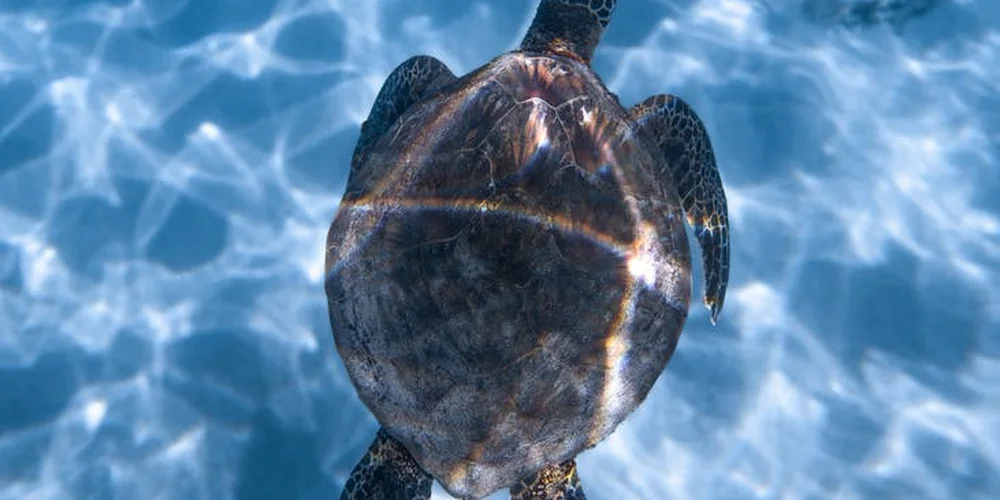
The ocean’s buffet is under threat, and our actions on land have a direct impact. A floating plastic bag looks eerily similar to a jellyfish to a hungry leatherback. This tragic case of mistaken identity is a leading cause of injury and death for these ancient mariners. Their feeding grounds are polluted with our waste, disrupting the delicate balance they depend on.
Ways You Can Support Sea Turtle Welfare
Protecting these creatures feels like a monumental task, but your individual choices create powerful waves of change.
- Choose reusable bags and water bottles to drastically cut down on single-use plastics.
- Participate in local beach clean-ups or simply take a bag with you on your next walk to collect litter.
- Support organizations dedicated to sea turtle rescue and rehabilitation through donations or volunteer work.
- Be a mindful tourist; never feed wild sea turtles and respect marked nesting areas.
Simple Actions to Reduce Your Impact
You don’t have to live near the coast to make a difference. The choices you make at home directly affect the waterways that lead to the sea.
- Avoid releasing balloons; they often end up in the ocean and are mistaken for food.
- Properly dispose of fishing line and tackle, which can cause lethal entanglements.
- Reduce chemical use on your lawn; these pollutants runoff into streams and rivers, eventually reaching the ocean.
- Share what you’ve learned with friends and family to spread awareness.
Every piece of plastic you refuse is a potential meal a sea turtle won’t eat. Your conscious efforts, no matter how small, contribute to a safer ocean and ensure these magnificent animals can continue their ancient feeding journeys for generations to come. It’s always best to avoid feeding them any human foods where some might be harmful.
FAQs
Can I feed my pet turtle foods similar to what Leatherback sea turtles eat?
No, you should avoid feeding your pet turtle jellyfish or other marine organisms, as they are not suitable for most captive species. For aquatic turtles, a practical staple is a mix of pellets, vegetables, and live foods, with occasional live foods as a protein boost. Instead, focus on providing a balanced diet of safe greens, vegetables, and appropriate proteins that meet your pet’s specific nutritional needs.
What can I learn from the Flatback sea turtle’s diet for my pet turtle?
Flatback turtles enjoy a varied diet, so offer your pet a mix of leafy greens, vegetables, and occasional insects to mimic this diversity. To create a balanced diet for your omnivorous turtle, pair plant matter with appropriate animal protein in the right portions. Regularly monitor portions and variety to ensure essential nutrients like calcium and vitamins are covered. This approach helps ensure they receive a range of nutrients for overall health and well-being.
How often should I feed my pet turtle based on wild feeding habits?
Wild sea turtles forage regularly, so feed your pet small amounts once or twice a day, depending on their age and species. Maintain a regular feeding schedule for turtles, as turtles often thrive on small, frequent meals rather than large, infrequent feeds. This helps mimic their natural feeding rhythm. Adjust the frequency and portion sizes to prevent overfeeding and support natural eating patterns.
Are there any foods I should avoid giving my pet turtle?
Avoid feeding your turtle processed human foods, dairy products, or items high in fat and salt, as these can cause health issues. Being aware of common turtle feeding mistakes helps you avoid them. By learning about the most frequent missteps, you can prevent dietary problems. Always research and provide species-appropriate foods to maintain their digestive health and vitality.
Can I use commercial turtle food as the main part of my pet’s diet?
Commercial turtle food can be a convenient supplement but should not replace fresh, varied foods in your pet’s diet. Combine it with greens, vegetables, and proteins to create a balanced meal plan that supports long-term health, and learn how to source and prepare fresh foods for your turtle.
Nature’s Menu for Happy Turtles
Leatherback sea turtles rely on jellyfish and soft-bodied prey, while Flatbacks enjoy crustaceans and seagrasses in their natural habitats. By mimicking these wild diets, you can support your pet turtle’s health and vitality through balanced, species-appropriate nutrition.
As someone who cares for tortoises like Austen and Bronte, I’ve learned that responsible pet ownership starts with ongoing curiosity and commitment. Keep exploring turtle care resources to create a safe, enriching home that honors their wild instincts and well-being. For land and aquatic turtles, an essential care guide can help translate curiosity into practical steps. It covers habitat setup, nutrition, lighting, and enrichment to support their health and vitality.
Further Reading & Sources
- Leatherback Turtle | NOAA Fisheries
- Leatherback Turtle | Olive Ridley Project
- What do sea turtles eat? – Sea Turtle Preservation Society
- Leatherback Turtle – SEE Turtles
Matthew is a dedicated turtle enthusiast and conservationist with over 15 years of experience in reptile care. Known affectionately as "The Leatherback" among his peers, he combines his passion for turtles with a commitment to educating pet owners on responsible turtle care and environmental stewardship.
Common Turtle Foods