
How Much Do Sea Turtles and Other Turtles Weigh?
If you’ve ever wondered about the weight of turtles, from tiny pets to ocean giants, you’re not alone-many people worry if their turtle is too heavy or light, or how size relates to their health and survival in the wild.
In this article, we’ll cover average weights for sea turtles, freshwater species, and land tortoises, factors like age and diet that influence size, and how understanding weight helps in turtle conservation efforts.
Quick Facts on Turtle Weight Ranges
The weight range across turtle species is truly staggering, from tiny hatchlings you can hold in one hand to oceanic giants that rival a small car. This incredible diversity is one of the most fascinating aspects of turtle biology.
- Hatchling turtles, fresh from the egg, often weigh less than an ounce, similar to a few pennies.
- Common pet species, like my Russian tortoise Austen, reach a sturdy 2-3 pounds as adults.
- The leap to sea turtles is monumental, with the largest species weighing over a thousand pounds.
Some species hold surprising weight records. The alligator snapping turtle is a freshwater behemoth that can exceed 200 pounds. Its powerful jaws and immense body mass make it a formidable aquatic predator.
For clarity, here is a simple pounds to kilograms conversion:
- 1 pound (lb) is approximately 0.45 kilograms (kg)
- To convert pounds to kilograms, multiply the weight in pounds by 0.45.
- A 100-pound turtle weighs about 45 kilograms.
Sea Turtle Weight by Species
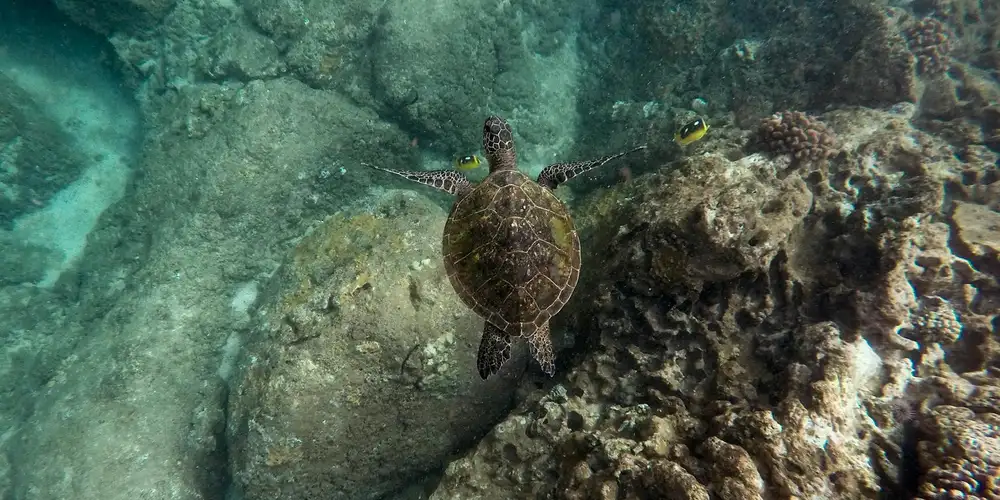
Leatherback Sea Turtle Weight
The leatherback sea turtle is the undisputed heavyweight champion of the turtle world. An adult leatherback can weigh up to 2,000 pounds, which is comparable to a grand piano or a small car.
- Average weights for adults typically range from 600 to 1,500 pounds.
- Their growth rate is phenomenal; a hatchling starts at under an ounce and can gain hundreds of pounds within a few years.
- Their immense body mass is supported by a unique, flexible, leathery shell and a specialized metabolism for deep dives in cold water.
Green Sea Turtle and Other Common Species
While smaller than the leatherback sea turtle, other sea turtle species are still impressively large. Weights can vary significantly between males and females, with females often being bulkier, especially during nesting season.
Here are the typical adult weight ranges for common sea turtle species:
- Green Sea Turtle: 300 to 500 pounds. Their name comes from their greenish body fat, not their shell color.
- Loggerhead Sea Turtle: 200 to 400 pounds. They have massive, powerful heads for crushing hard-shelled prey.
- Hawksbill Sea Turtle: 100 to 200 pounds. These are smaller turtles known for their beautiful, patterned shells.
- Olive Ridley Sea Turtle: 75 to 110 pounds. They are most famous for their synchronized mass nestings called “arribadas.”
- Kemp’s Ridley Sea Turtle: 80 to 100 pounds. This is the most endangered sea turtle species.
Pet Turtle Weight Averages
Freshwater and Common Pet Turtles
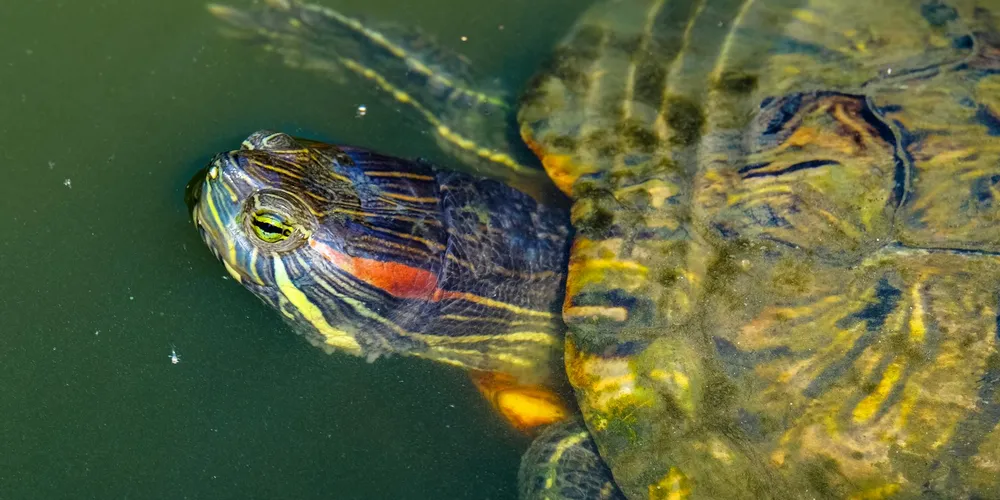
Red-eared sliders often weigh between 1 to 2 kilograms as adults, while painted turtles range from 0.5 to 1 kilogram. Box turtles, like my own Orwell, typically fall between 0.5 and 1.5 kilograms depending on age and health. Monitoring these weights helps you spot changes that could signal diet or habitat issues early on. To tell if your turtle is overweight or underweight, compare its weight to the typical range for its species and track changes over time. If the weight drifts outside the normal range, consider a vet check.
- Red-eared sliders: 1-2 kg
- Painted turtles: 0.5-1 kg
- Box turtles: 0.5-1.5 kg
I’ve tracked Orwell’s weight since he was a tiny hatchling, and now at 7 years old, he’s a steady 800 grams. Weighing him monthly lets me adjust his food and environment, keeping him thriving without stress. This routine has taught me that even small shifts in weight can reveal a lot about a turtle’s well-being. As Orwell ages, senior turtle care means tweaking his diet and habitat to support his aging body. I’m refining portions and calcium balance, and updating his enclosure for easier access.
Tortoise Weights and Growth
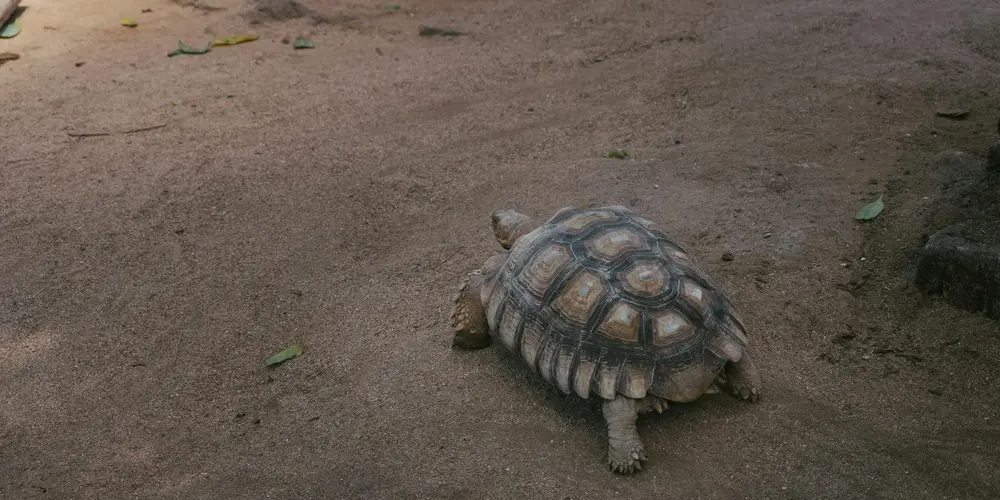
Russian tortoises like Austen usually weigh 1 to 2 kilograms, and Greek tortoises like Bronte are similar, often reaching up to 1.5 kilograms. Their shells alone can account for 30-40% of their total mass, making proper care vital for healthy growth. In my shell sanctuary, I focus on spacious enclosures and calcium-rich diets to support that heavy, protective structure.
- Russian tortoises: 1-2 kg
- Greek tortoises: 1-1.5 kg
Watching Austen and Bronte grow over the years, I’ve seen how their shell weight adds stability and protection. Regular checks ensure their habitat mimics natural conditions, preventing shell deformities and promoting overall animal welfare. A well-maintained shell isn’t just armor-it’s a sign of a happy, healthy life.
How to Weigh Your Turtle at Home
Using a kitchen scale is simple and effective for most pet turtles. This method gives you accurate data to track health trends over time, empowering you to act quickly if something seems off. Follow these steps to make it stress-free for your shelled friend.
- Place a small, shallow container on the scale and press the tare button to zero it out.
- Gently lift your turtle and set them inside the container, supporting their body fully.
- Note the weight displayed, then return your turtle to their home right away.
- Record the measurement in a log to compare over weeks or months.
To minimize stress, weigh your turtle in a quiet room and keep sessions under a minute. Handling them with calm, slow movements reduces anxiety and builds trust between you. I always do this with Orwell after he’s had time to explore and feel secure. If you’re unsure whether your turtle is stressed, watch for signs like hiding, reduced appetite, or rapid breathing. I can help you tell when stress is present and what to do to ease it.
Linking weight checks to routine health assessments supports animal welfare by catching problems like malnutrition or illness early. During a routine turtle veterinary checkup, you can expect a gentle weight and shell inspection, plus a quick look at eyes, mouth, and lungs. Consistent monitoring, paired with gentle care, ensures your turtle lives a long, vibrant life. It’s a small effort that makes a big difference in their daily happiness.
Turtle Weight and Health Connections
Your turtle’s weight is a direct window into its overall well-being. A stable, appropriate weight typically signals a happy turtle thriving in its environment. It means they’re eating well, absorbing nutrients, and their metabolism is functioning as it should. Be mindful that overfeeding can lead to obesity, so monitoring portions helps tell if your turtle is overweight.
I’ve learned through caring for my own shelled companions that sudden changes are the real red flags. Here’s what to watch for.
Causes of Weight Loss
- Parasites: Internal parasites can steal vital nutrients before your turtle can absorb them.
- Incorrect Habitat Temperature: If their home is too cold, their digestion slows to a crawl, and they can’t process food properly.
- Underlying Illness: Respiratory infections or other sicknesses sap their energy and appetite.
- Poor Diet: An unbalanced diet lacking essential vitamins and minerals fails to sustain them.
Causes of Weight Gain
- Overfeeding: This is the most common culprit, especially with high-protein diets for growing turtles.
- Fatty Liver Disease (Hepatic Lipidosis): Excess fat accumulates in the liver, a serious condition often linked to poor nutrition.
- Insufficient Exercise: An enclosure that’s too small limits their natural movement.
We can learn a lot by looking at their ocean-dwelling cousins. Sea turtle conservationists use weight and body condition as primary health metrics during rescues. A sea turtle found far underweight is immediately treated for dehydration and nutrient deficiencies, similar to how we’d assist a struggling pet. Conversely, a healthy, heavy sea turtle ready for release is a testament to successful rehabilitation, mirroring the ideal state for our pets at home.
Weight Charts and Visual Comparisons
Seeing the numbers laid out can make these concepts much clearer. Use these charts as a general guide, but always remember that individual turtles are unique. For a practical way to determine your turtle’s age, see our complete visual guide.
Sea Turtle Weight Ranges
| Species | Average Adult Weight | Remarkable Maximum |
|---|---|---|
| Leatherback | 550 – 1,500 lbs | Over 2,000 lbs |
| Green Sea Turtle | 300 – 400 lbs | Up to 500 lbs |
| Loggerhead | 200 – 350 lbs | Over 400 lbs |
| Hawksbill | 100 – 150 lbs | Up to 200 lbs |
Common Pet Turtle Weight Ranges
| Species | Average Adult Weight | Key Growth Milestone |
|---|---|---|
| Russian Tortoise | 1 – 3 lbs | Reaches most of its size by 10 years old. |
| Greek Tortoise | 2 – 4 lbs | Steady, slow growth throughout its life. |
| Red-Eared Slider | 5 – 8 lbs | Most rapid growth occurs in the first 3-5 years. |
| Box Turtle | 1 – 2 lbs | A fully sealed plastron indicates maturity. |
Focusing on species-specific care based on these weights is the cornerstone of good turtle keeping. You wouldn’t feed a 2-pound Russian Tortoise the same amount as an 8-pound Red-Eared Slider. Their nutritional needs and metabolic rates are completely different. My Greek tortoise, Bronte, maintains her graceful figure on a carefully measured diet of leafy greens, while a friend’s larger aquatic turtle requires a different plan altogether. Always tailor your care to the scale.
FAQs
What is the average height of a sea turtle?
Sea turtles typically have a carapace height ranging from about 1 to 2 feet, depending on the species and age. This height is measured from the top of the shell to the bottom and is less frequently discussed than weight in pet care contexts. Knowing how large pet turtles grow is important for providing appropriate habitat and care.
How much do sea turtles weigh in kilograms?
Sea turtle weights in kilograms vary widely, with smaller species like Kemp’s Ridley averaging 35-45 kg and giants like Leatherbacks reaching over 900 kg. Converting from pounds to kilograms involves multiplying by 0.45 for accurate figures in global conservation tracking.
What are the typical dimensions of a sea turtle in inches?
An adult sea turtle’s carapace can measure 30-50 inches in length and 25-40 inches in width, with Leatherbacks being the largest. Understanding these dimensions helps pet owners appreciate the space needs of larger turtle species in captivity or rescue settings, ensuring they provide adequate enclosure sizes for their well-being.
Your Turtle’s Healthy Weight Journey
Monitoring your turtle’s weight is a simple yet powerful way to check their overall health and ensure their habitat meets their needs. By keeping a regular log and adjusting their diet and environment based on their growth, you become an active partner in their wellbeing. Consider a quick habitat checklist for lighting, heat, and water quality to diagnose your turtle’s environment. These factors matter as much as diet for keeping weight steady.
Committed pet ownership means dedicating yourself to providing the best possible life for your shelled companion. Always stay curious, keep learning from trusted sources, and let your love for your turtle guide you to become an even better caretaker.
Further Reading & Sources
- All About Sea Turtles – Physical Characteristics | United Parks & Resorts
- Sea turtle – Wikipedia
- Sea Turtle Facts
- Green Sea Turtle Weight – Ocean Conservancy
Matthew is a dedicated turtle enthusiast and conservationist with over 15 years of experience in reptile care. Known affectionately as "The Leatherback" among his peers, he combines his passion for turtles with a commitment to educating pet owners on responsible turtle care and environmental stewardship.
Aquatic Turtles