
Do Turtles Have Tails? Uncovering Tail Facts
Published on: April 20, 2026 | Last Updated: April 20, 2026
Written By: Matthew The
You might be staring at a turtle and wondering if they have tails, perhaps even worrying that something is missing or wrong with their anatomy.
I’ve spent years observing my own shelled friends, like Austen the Russian tortoise, and I can assure you their tails are a subtle but vital part of who they are.
This article covers tail presence, functions, species variations, and care insights to deepen your appreciation for these gentle creatures.
Do Turtles Have Tails? The Basic Answer
Yes, every single turtle has a tail, but its appearance can range from obvious to nearly hidden. Tail length and visibility depend on the species, with some using it for swimming and others keeping it tucked for safety. This variation makes each turtle unique in its own way.
- Red-eared sliders: Long, noticeable tails that aid in aquatic movement.
- Box turtles: Short tails often concealed within their shell for protection.
- Russian tortoises: Small tails that blend against the shell, making them hard to spot.
- Greek tortoises: Modest tails similar to Russian varieties, suited for land life.
I recall watching Orwell, my box turtle, and it took me a while to notice his tail during his calm walks. His reserved nature meant his tail stayed hidden unless he felt safe, while Austen’s Russian tortoise tail was a subtle feature I’d glimpse during feeding time. Observing them taught me to appreciate these small details in pet care.
Turtle Tail Anatomy: What’s Inside That Little Appendage
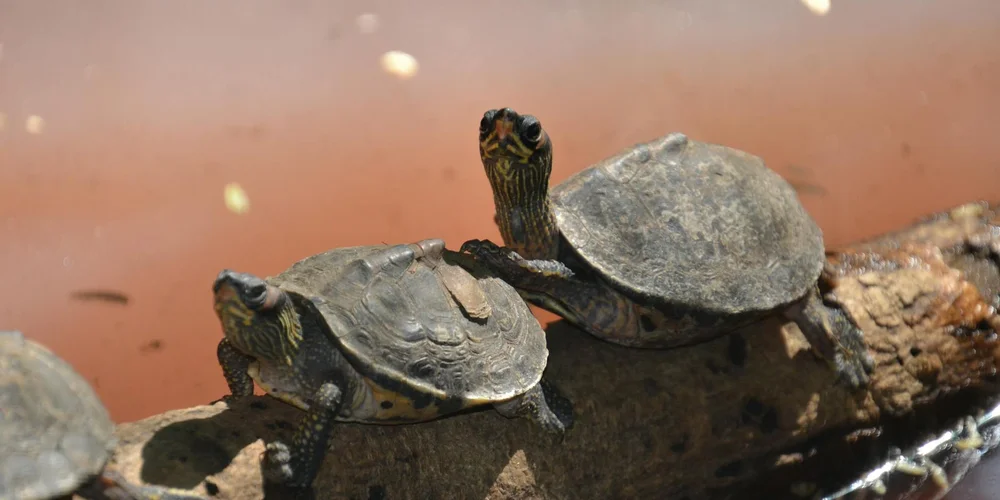
Beneath the surface, a turtle’s tail is a marvel of simple design. Caudal vertebrae form the backbone of the tail, providing structure and allowing gentle bends. Muscles wrap around these bones for control, and scales act like a natural shield against harm. Understanding the basic anatomy of turtles helps appreciate how their tails function.
- Caudal vertebrae: Small bones that stack to create flexibility and support.
- Tail muscles: Enable movements like swishing or retracting for balance and digging.
- Scales: Tough, overlapping layers that protect from scratches and injuries.
This setup isn’t just for looks-it plays a key role in daily life. The tail helps turtles navigate their environment, whether swimming through water or stabilizing on uneven ground. I’ve seen Bronte, my Greek tortoise, use her tail to steady herself while exploring, adding to her graceful demeanor.
Tail Differences Across Turtle Species: From Aquatic to Terrestrial
Sea Turtle Tails: Streamlined for Ocean Life
Sea turtle tails are built for speed and efficiency in the water, unlike their land-dwelling cousins. Their tails are longer and more tapered, acting like rudders to steer through ocean currents with ease. Compare this to freshwater turtles, such as red-eared sliders, which have shorter tails that help with maneuvering in ponds, or land turtles like tortoises with stubby tails suited for life on solid ground. These anatomical differences offer important clues for sea turtle biology conservation. By studying how tails influence movement, researchers can better protect migratory routes and nesting habitats while reducing human-caused threats.
- Sea turtles use their tails for propulsion, slicing through waves, while terrestrial species rely on them for balance and minor movements.
- In my observations, aquatic tails reduce drag, much like a swimmer’s streamlined form, whereas land turtles’ tails are often tucked away for protection.
Pet Turtle Tails: Box Turtles, Snapping Turtles, and More
Pet turtle tails vary widely in length and function, reflecting their diverse habitats. For instance, my box turtle Orwell has a short, almost hidden tail that he rarely extends, perfect for his reserved nature and life on land. Snapping turtles, on the other hand, sport longer, muscular tails that aid in swimming and defense. Understanding these differences helps you provide better care, ensuring their environments mimic natural needs.
| Species | Average Tail Length | Retractability |
|---|---|---|
| Box Turtle | Short (1-2 inches) | Partially retractable |
| Snapping Turtle | Long (3-5 inches) | Not retractable |
| Russian Tortoise | Very short (under 1 inch) | Minimally retractable |
| Red-eared Slider | Medium (2-3 inches) | Fully retractable |
This table shows how tail traits align with lifestyle—aquatic species often have non-retractable tails for swimming, while land turtles prioritize concealment. Tail position can hint at mood and health. Watching whether the tail is tucked, relaxed, or extended can indicate stress or comfort. Always handle pets gently to avoid tail stress, as I’ve learned with my own turtles over the years.
Male vs. Female Turtle Tails: How to Tell the Difference
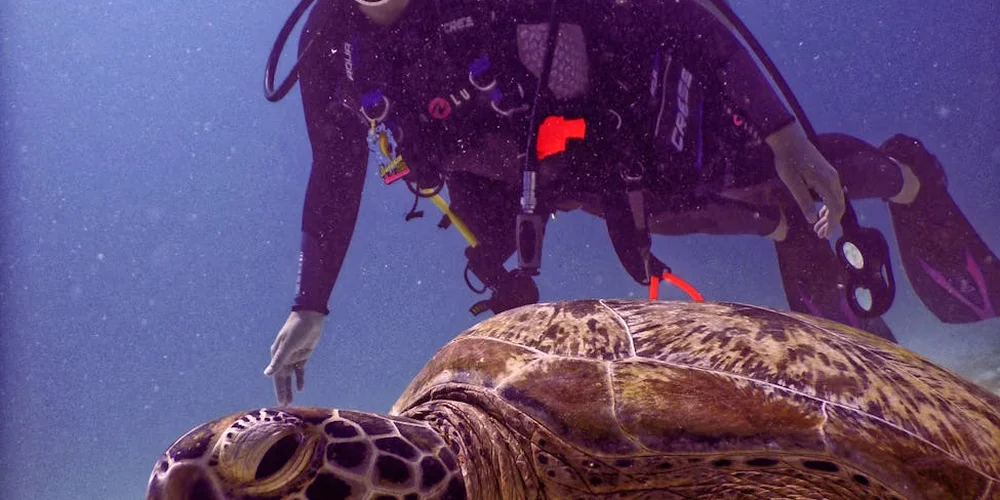
- Tail size and shape are reliable gender clues; males typically have longer, thicker tails, while females’ are shorter and slimmer. This distinction helps in breeding setups and tailoring care, like ensuring females have space for egg-laying.
- Visual cues include tail length-males’ tails extend well beyond the shell, and cloaca position-males have it farther from the body, near the tail tip, for mating.
- From my experience sexing pets like Austen and Bronte, I check tails during calm moments to avoid startling them. Males often show more tail movement during courtship, a subtle hint I’ve noted in my Russian tortoise Austen.
Why Do Turtles Have Tails? Functions in Behavior and Reproduction
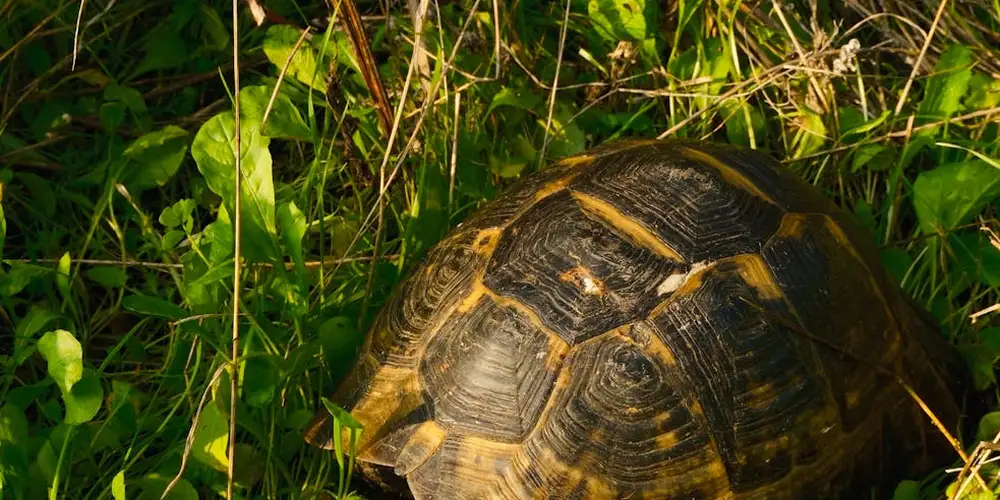
You might wonder why turtles have tails when they seem so slow and steady. Turtle tails play key roles in mating, balance, and subtle communication, much like a rudder on a boat guiding their movements. From my years caring for tortoises like Austen and Bronte, I’ve seen how their tails aren’t just decorative-they’re functional tools that help them thrive.
In mating, male turtles use their tails to position themselves correctly during copulation. A male’s tail often curves to help align with the female’s shell, making reproduction more efficient and reducing stress on both animals. I’ve noticed Orwell, my box turtle, use his tail to steady himself when showing interest in a companion, a behavior that highlights its importance in their social rituals. Understanding turtle reproductive anatomy is essential for effective breeding and conservation efforts.
Balance is another critical function, especially for turtles navigating varied terrains. Tails act as counterweights, helping turtles pivot and stay upright on uneven surfaces like rocks or slopes. Watching Austen, my Russian tortoise, I’ve seen his tail flick subtly as he climbs over small obstacles, preventing tumbles and keeping him grounded—unlike the vigorous tail movements seen in snapping turtles.
Communication through tail movements is subtle but telling in pet settings. Small twitches or lifts can signal mood changes, such as curiosity or agitation, giving you clues about your turtle’s well-being. Bronte, my Greek tortoise, often wags her tail gently when she’s exploring her enclosure, a sign she’s feeling graceful and engaged with her environment.
Caring for Your Turtle’s Tail: Health and Common Issues
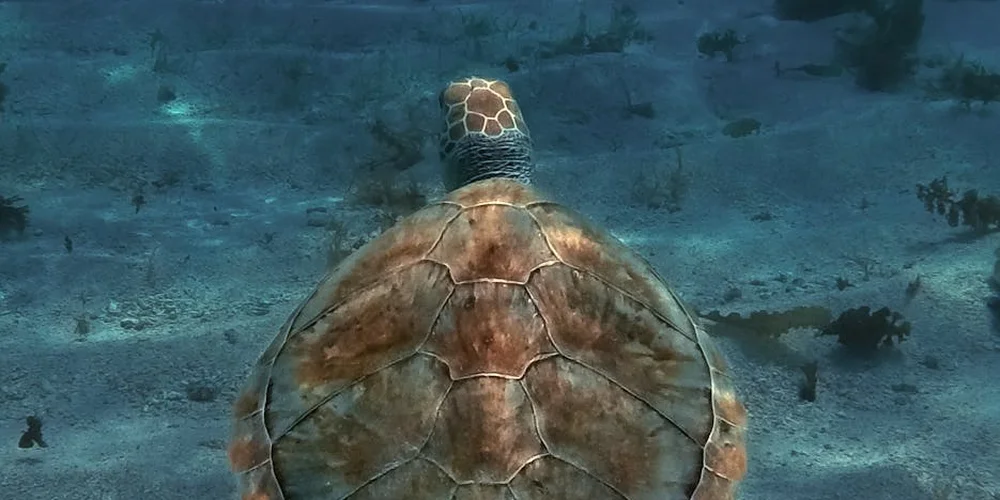
Regular tail inspections are vital for catching problems early in your pet turtle. Start by gently lifting the tail during handling to check for cuts, swelling, or unusual discoloration that could indicate injury or infection. I make it a habit to examine Austen’s tail weekly, using a soft touch to avoid stressing him, and it’s helped me spot minor issues before they worsen. This routine aligns with the ultimate turtle health troubleshooting checklist from Shell Sanctuary, which guides tail health as part of a complete care plan. Following that checklist can help you stay systematic and catch changes early.
- Look for redness or discharge that might signal an infection.
- Feel for lumps or soft spots that could be abscesses.
- Observe if your turtle flinches or pulls away, suggesting pain.
Tail regeneration in turtles is very limited compared to some reptiles. If a tail is injured, it typically won’t grow back fully, so prompt care is essential to prevent long-term damage. When Orwell once got a small nip on his tail, I learned that even minor wounds need attention to avoid complications like tissue decay.
Seek veterinary care if you notice persistent bleeding, foul odor, or changes in behavior like lethargy. These are warning signs that your turtle may need veterinary attention. Don’t delay seeking help. Vets can provide treatments like antibiotics or wound cleaning that home care can’t match, ensuring your turtle stays healthy and comfortable. I always advocate for professional help early on, as delaying can lead to more severe health issues.
Preventing tail problems involves maintaining a safe, clean habitat. Remove sharp objects from the enclosure, keep substrates soft, and monitor interactions with other pets to reduce injury risks. From my experience, simple steps like these have kept Bronte’s tail in great shape, supporting her overall well-being and happiness.
FAQs
Can turtles feel pain in their tails?
Yes, turtles can feel pain in their tails because they have nerve endings and sensory receptors. If you notice your turtle flinching or avoiding touch there, it might indicate discomfort or injury that needs attention.
Do all turtle hatchlings have visible tails?
Yes, all turtle hatchlings are born with tails, though the size and prominence vary by species. In many cases, the tail is more noticeable in aquatic hatchlings to aid early swimming, while land-based ones may have shorter tails.
What is the best way to handle a turtle to avoid tail stress?
Always support your turtle’s body fully and avoid pulling or lifting by the tail to prevent injury. Handle them gently during brief inspections, and ensure their enclosure has no sharp edges that could snag the tail. This is part of a safe turtle handling guide for children. Following it helps kids and caregivers handle turtles safely.
Your Turtle’s Tail: A Gentle Reminder
From my years with Austen, Bronte, and Orwell, I’ve seen how their tails are integral to their identity and health, not just an afterthought. When exploring Are snapping turtles—behavior, facts, and a safety guide—it’s essential to understand how to stay safe around them. This knowledge helps you handle them properly and respect their instincts. Handle your turtle with a soft touch, always supporting their body and never pulling on their tail, to keep them feeling secure and safe.
Commit to being a mindful guardian by learning about your turtle’s specific species and needs, just as I do with my own shelled friends. Stay curious and open to new information, as ongoing education is the heart of providing a loving, lifelong home for your pet turtle. The essential guide on how to care for land and aquatic turtles offers invaluable insight.
Further Reading & Sources
- All About Sea Turtles – Physical Characteristics | United Parks & Resorts
- Tiny Stubs to Lengthy Tails: What Turtle Tail Differences Actually Mean. – Smore Science
- Turtle Tail | Warriors Wiki | Fandom
- Turtle – Wikipedia
Matthew is a dedicated turtle enthusiast and conservationist with over 15 years of experience in reptile care. Known affectionately as "The Leatherback" among his peers, he combines his passion for turtles with a commitment to educating pet owners on responsible turtle care and environmental stewardship.
Turtle Myths and Misconceptions