
Where to Buy a Pet Turtle: A Guide to Responsible Acquisition
Published on: April 30, 2026 | Last Updated: April 30, 2026
Written By: Matthew The
You’re probably wondering where to find a healthy, ethically sourced pet turtle without accidentally supporting harmful practices or facing legal issues. From my years caring for tortoises like Austen and Bronte, I know that a responsible start ensures a happier life for your new shelled friend.
This article explores ethical breeders, adoption centers, legal considerations, and essential care steps.
Understanding Pet Turtle Ownership
Choosing to bring a turtle home is a commitment measured in decades, not years. My Russian tortoise, Austen, has been with me for ten years, and he’s only midway through his expected lifespan. Their long lives demand stable environments and consistent care, making them a profound responsibility.
You must be ready for specialized needs from the start. This includes a properly sized habitat with specific heating and UVB lighting, a varied diet, and potential veterinary care from an exotic animal specialist. This ties into the space habitat requirements for a pet turtle. A larger enclosure with appropriate heating and UVB helps meet those needs. Proper setup is not a suggestion; it’s the foundation for a healthy, thriving turtle.
Finding Turtles for Sale: Your Source Options

Where you acquire your turtle sets the stage for its entire life. A responsible source means a healthier animal and a clearer conscience. Taking the time to find an ethical source is the first and most critical act of care you can provide.
Licensed Breeders and Specialized Reptile Stores
This is often the gold standard for acquiring a specific turtle species. Reputable breeders are passionate experts dedicated to the health and genetics of their animals.
From my own searches for a Greek tortoise, I found breeders who were fountains of knowledge.
- They can provide detailed lineage and health history.
- They often hatch and raise turtles in captivity, which avoids the stress of wild capture.
- They are your lifelong resource for species-specific questions.
A good breeder will interview you as much as you interview them, ensuring their turtles go to suitable, lifelong homes. Be prepared to answer questions about your planned enclosure and experience.
Adoption Through Turtle and Reptile Rescues
Adoption is a profoundly rewarding path that directly supports animal welfare. Rescues are filled with turtles like my box turtle, Orwell, who just needed a second chance at a good life. These animals are often surrendered due to owner circumstances, not their own fault.
Choosing adoption makes a real difference.
- You free up space and resources for the rescue to help another animal in need.
- Many rescued turtles are already adults, so their personality and size are known quantities.
- Rescues typically provide veterinary care before adoption, so the turtle is healthy and ready for your home.
You are not just getting a pet; you are providing a sanctuary for a creature that truly needs one.
Evaluating General Pet Store Turtles
While convenient, chain pet stores require careful scrutiny. Their focus is often on volume, not specialized reptile care. I always advise visiting a store with a critical eye, looking beyond the cute face in the tank.
Before considering a purchase, assess the conditions.
- Check the enclosure. Is it clean? Is there a proper heat source and UVB light?
- Observe the turtles. Are they active and alert? Are their eyes clear and shells firm without soft spots or cracks?
- Ask the staff specific care questions. If they cannot provide detailed answers about diet, lighting, and adult size, it is a major red flag.
A store that cannot properly care for its animals is unlikely to provide you with a truly healthy one. If you do proceed, be prepared for an immediate vet visit to establish a health baseline.
Navigating Legal and Ethical Requirements
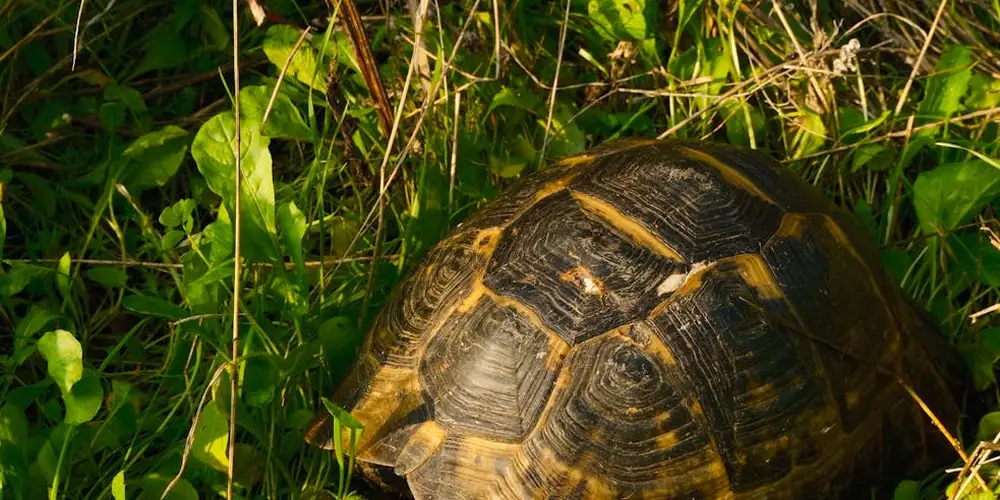
Before you even think about bringing a shelled friend home, you must understand the legal landscape. Many areas have strict regulations on turtle ownership, often banning the sale of small turtles under four inches in length to protect children from salmonella. I learned this the hard way years ago when I first became interested; my local pet shop couldn’t sell me what I wanted due to state law.
Beyond local laws, consider the ethical source of the turtle. Wild-caught turtles often suffer immense stress and can introduce parasites into your home. Always prioritize captive-bred animals from reputable sources, as this supports sustainable practices and healthier pets. Ethical considerations also include ongoing care and welfare—the daily and long-term needs of a turtle. If these needs aren’t met, keeping a turtle may raise more concerns than rewards. My tortoise, Orwell, is captive-bred, and his smooth shell and robust health are a testament to a good start in life.
- Check your city, county, and state wildlife regulations.
- Confirm the species is not protected or endangered.
- Ask breeders or stores for proof of captive breeding.
- Avoid online marketplaces with unclear origins.
Preparing for Your New Turtle: Habitat and Care
Setting up the perfect home *before* your turtle arrives is the single most important thing you can do. A proper habitat is not a luxury; it is the foundation for a long, healthy life, sometimes spanning decades. Rushing this process leads to stress, illness, and heartache, something I’ve seen too many times in rescue situations. These ideas are central to the essential guide for caring for land and aquatic turtles. They apply whether you’re setting up a terrestrial enclosure or an aquatic habitat.
Essential Turtle Housing and Aquarium Setup
Think bigger than you initially imagine. A common mistake is starting with a tank that is far too small, forcing an upgrade within a year as your turtle grows. For many aquatic species, a 40-gallon breeder tank is a bare minimum starting point, with much larger enclosures needed for adults. So, how big a tank does a turtle need? In practice, turtles typically require more space than many other pets, with room to swim and a basking area. Choosing the right size depends on the species and age, but starting larger helps avoid frequent upgrades.
Your setup needs distinct zones to mimic a natural environment. Aquatic turtles require both ample swimming space and a completely dry basking area where they can entirely leave the water. For my Russian tortoise, Austen, this meant creating a tortoise table with a humid hide and a large, flat rock for climbing. With aquatic turtles, that basking zone is crucial for shedding and digestion. Keep it dry, stable, and accessible from the water, with a warm UV light so they can fully dry off and bask comfortably.
- Select an appropriately sized tank or tortoise table.
- Install a powerful canister filter rated for double the water volume.
- Create a basking platform using rocks, driftwood, or a commercial dock.
- Use a substrate like large river rocks or bare-bottom for easy cleaning.
UVB Lighting, Heating, and Environmental Enrichment
Lighting is non-negotiable for reptile health. Turtles cannot process calcium properly without UVB light, leading to metabolic bone disease and a soft, deformed shell. That’s why a proper UVB setup is critical from day one. Make sure the UVB spans the basking area and is replaced on schedule to maintain bone health and calcium metabolism. I use a linear fluorescent UVB tube that spans half of each enclosure, replaced every six months even if it still lights up, as the UV output diminishes.
Heat creates a vital temperature gradient. Your turtle must be able to self-regulate its body temperature by moving between a warm basking spot and a cooler area of the habitat. A combination of a basking lamp and an underwater heater for aquatic species usually achieves this. When diagnosing your turtle’s habitat, follow a quick checklist for perfect lighting, heat, and water. This helps you spot gaps and adjust quickly. I monitor all my habitats with digital thermometers.
- Provide a UVB light for 10-12 hours daily.
- Maintain a basking area temperature of 85-95°F.
- Keep the water temperature for aquatic species around 75-80°F.
- Add safe, sterile decorations like rocks and fake plants for exploration.
Bringing Your Turtle Home: The First Steps
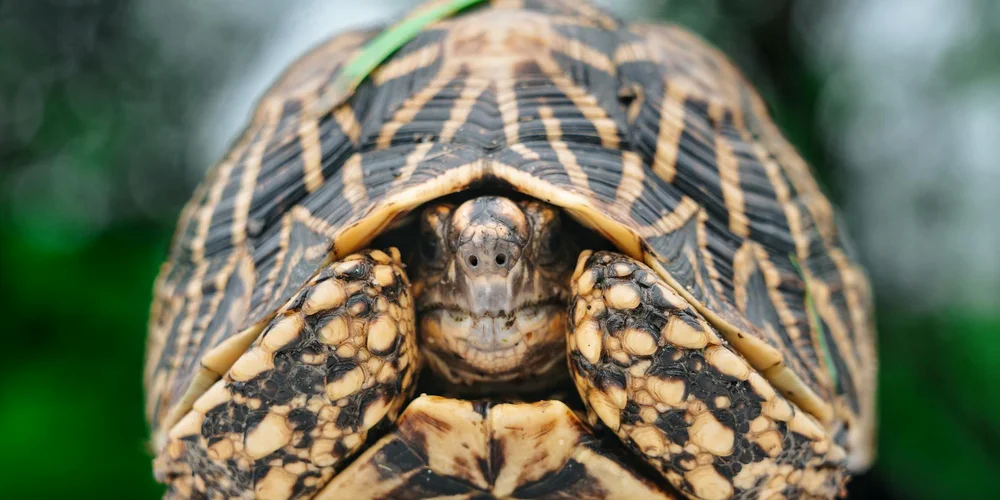
Quarantine and Initial Health Checks
When I brought my Russian tortoise, Austen, home, my first instinct was to get him settled into his beautiful new enclosure. Resist this urge completely, as a quarantine period is your single most powerful tool for preventing disaster. A separate, simple setup for at least 30-90 days allows you to monitor for hidden illnesses without risking your entire habitat.
Your quarantine tank doesn’t need to be fancy. A large plastic storage bin works perfectly. You just need the basics:
- A simple heat lamp to maintain proper temperature gradients.
- A shallow water dish for soaking and drinking.
- Paper towel or newspaper as substrate, which makes spotting parasites or abnormal droppings incredibly easy.
- Some hiding spots, like a small cardboard box, to help your new friend feel secure.
During this time, you become a detective. Watch closely for clear eyes, a firm shell without soft spots, and active, alert behavior. Any signs of lethargy, bubbly noses, or a shell that feels like a squishy avocado are red flags demanding a reptile veterinarian’s attention. I learned this the hard way with Bronte, who needed treatment for a minor respiratory infection we caught early thanks to quarantine.
Establishing a Proper Turtle Diet and Feeding Routine
Feeding your turtle correctly from day one sets them up for a long, vibrant life. Think of their diet as a colorful, leafy mosaic, not a monochrome pellet. My tortoises, Austen and Bronte, thrive on a diet of broad-leaf weeds and dark, leafy greens like dandelion greens, endive, and escarole.
Your turtle’s species dictates its menu. Here is a simple breakdown to get you started:
- Herbivores (like most tortoises): A daily salad of dark leafy greens, edible flowers (hibiscus, nasturtiums), and occasional grated squash. Pellets should be a supplement, not the main course.
- Omnivores (like my box turtle, Orwell): A varied mix is key. To create a balanced diet for your omnivorous turtle, aim for a steady combination of protein, greens, and vegetables. Offer protein sources like earthworms or slugs 2-3 times a week, alongside a base of leafy greens and finely chopped vegetables. Adjust portion sizes based on age and activity.
- Carnivores (like many aquatic turtles): Their diet consists mainly of commercial turtle pellets, feeder fish, and insects. Always ensure any live food is from a reputable source to avoid parasites.
How often you feed depends heavily on age. Young, growing turtles are like teenagers; they need daily fuel for their rapid development. Adults, however, do best with a more measured schedule to prevent obesity.
| Age | Feeding Frequency |
|---|---|
| Hatchling / Juvenile | Once daily |
| Adult | Every other day or 3-4 times per week |
I always sprinkle a calcium powder supplement (without Vitamin D3 if they have a proper UVB light) over their food a few times a week. This simple habit is like an insurance policy for a strong, healthy shell. Watch your turtle eat; their enthusiasm is the best indicator you’ve gotten their diet right. For more tips, check out best UVB lights and calcium supplements for a healthy turtle shell.
FAQs
Where can I safely buy a pet turtle online?
Purchase from reputable breeders’ websites or specialized reptile stores that provide health guarantees and detailed care information. Always verify seller credentials and ensure they comply with legal standards to avoid unethical sources.
How do I find a local pet turtle breeder or store near me?
Search online directories like reptile-specific forums or use apps dedicated to exotic pets to locate nearby breeders and stores. Visiting local reptile expos or contacting regional turtle rescue groups can also help you find responsible sources in your area.
Are there specific places to buy a pet turtle near Georgetown, TX?
Check for specialized reptile stores in the Georgetown area or attend Central Texas reptile expos to connect with ethical breeders. You can also reach out to Texas-based turtle rescues for adoption options to ensure a responsible acquisition.
What are the options for buying a pet turtle near Jarrell, TX?
Look for nearby exotic pet stores or breeders in Central Texas, and consider joining local reptile clubs for recommendations. Additionally, exploring adoption through Texas turtle rescues can provide a healthy, ethically sourced turtle while supporting animal welfare.
Where can I purchase a pet turtle in the UK?
Seek out breeders affiliated with organizations like the British Chelonia Group or visit reputable reptile stores that prioritize captive-bred turtles. Always confirm that the seller adheres to UK wildlife regulations to ensure a legal and ethical purchase.
Your Journey to a Thriving Turtle Companion
Focus on finding turtles from ethical breeders or rescue groups, and always prepare their habitat fully before they arrive. This careful approach ensures your new friend starts life in a safe, enriching home, just as I did with my own turtles like gentle Austen.
Embrace the role of a dedicated guardian by committing to their long-term health and happiness. Continuously educate yourself on turtle care, adapting as you learn, to provide the best life possible for your shelled companion.
Further Reading & Sources
- Buy Turtles and Tortoises | Baby Turtles | The Turtle Source
- Pet Turtles & Tortoises for Sale | Petco
- Turtle Store | Buy Turtles Online | Turtle Accessories – My Turtle Store
- r/turtle on Reddit: What is the best way to purchase a turtle that’s easy to care for
Matthew is a dedicated turtle enthusiast and conservationist with over 15 years of experience in reptile care. Known affectionately as "The Leatherback" among his peers, he combines his passion for turtles with a commitment to educating pet owners on responsible turtle care and environmental stewardship.
Understanding Turtle Behavior