
Are Different Turtle Species Aggressive?
Published on: May 5, 2026 | Last Updated: May 5, 2026
Written By: Matthew The
If you’re worried about bringing home a turtle that might bite or show aggression, you’re not alone. I’ve cared for my own shelled companions for years, and this is one of the first questions new owners ask me.
This article covers: what triggers aggression, comparing common pet species, signs of stress, and how to handle a turtle safely. You’ll learn that while aggression is rare, understanding their unique personalities is the key to a peaceful coexistence.
Understanding Turtle Aggression Basics
In the world of pet turtle care, aggression isn’t about anger; it’s a form of communication rooted in survival instincts. Aggression typically manifests as biting, ramming with their shell, or persistent chasing, all aimed at asserting dominance or eliminating a perceived threat. It’s a deliberate, targeted behavior that can happen even when the turtle feels completely safe.
You must separate this from defensive behavior, which is a fear-based reaction. Defensive behavior is a turtle’s way of saying “stay away” when it feels scared or cornered. This includes quickly retracting into its shell, hissing (which is just air being expelled from the lungs), or even a defensive bite if it’s handled and feels extremely threatened. My Russian tortoise, Austen, will pull in tight if startled, but he’s never pursued me-that’s the key difference.
Learning to read their subtle body language is your first line of defense. Watch for these common stress signals and warning signs:
- Constant hiding or refusal to bask
- A gaping mouth, sometimes accompanied by a hiss
- Persistent pacing along the enclosure walls
- Fluttering or rapid movement of the front legs
- Direct, fixed staring at a tank mate or your hand
Just like people, every turtle has a unique personality. An individual’s history, its specific environment, and its inherent temperament create a vast spectrum of behavior, even within the same species. I’ve known feisty Red-Eared Sliders and incredibly docile ones. My box turtle, Orwell, is generally reserved, but he can be quite pushy during feeding time. Their personality shines through once you learn their rhythms.
Species-Specific Turtle Behavior Patterns

While personality is key, species gives you a strong baseline for what to expect. Some species are simply hardwired with stronger defensive or territorial instincts than others. Knowing this helps you provide the right environment and manage your expectations from the start.
Snapping turtles are in a league of their own. Their famous name comes from a powerful, lightning-fast defensive bite they use to protect themselves, not to hunt. They are not “mean,” but they have evolved with a “strike first” defense mechanism. Their long necks can reach surprisingly far, and their bite can cause serious injury. They are not recommended for novice keepers and require expert-level care and handling protocols. For more on their behavior and safety guide, see our snapping turtle behavior and safety guide. It explains how to observe them safely and why handling requires expert care.
Red-Eared Sliders are one of the most common pet turtles, and they often show territorial tendencies, especially males. Males may relentlessly chase and nip at tank mates, and they can even direct this territorial behavior towards your fingers during feeding. A spacious tank with plenty of visual barriers and basking spots is non-negotiable to help curb these instincts. Overcrowding is a primary trigger for aggression in this species.
Box turtles, like my Orwell, are generally known for their calm and inquisitive disposition. They are less likely to show true aggression towards handlers and often become quite personable, recognizing their primary caregiver. They are solitary by nature and typically do best housed alone, which avoids any potential for conflict over food or territory.
Softshell turtles present a unique case. Their flat, leathery shells offer less protection than a hard shell, which can make them more prone to a nervous or skittish temperament that can escalate into aggression. From a shell biology perspective, their leathery, flexible carapace differs from the rigid, scute-covered shells of most turtles. This specialization shapes how the shell protects and supports movement in aquatic environments. Combined with their long necks and sharp beak-like mouths, they can deliver a quick, painful bite if they feel threatened. They require a soft, sandy substrate to prevent shell abrasions and a very secure, low-stress environment.
While sea turtles are not kept as pets, understanding their behavior highlights the role of environment. In the vast ocean, their primary defense is flight, not fight, and they typically display a gentle, non-aggressive nature towards humans and other creatures. Their immense size and aquatic lifestyle have shaped a completely different set of survival strategies compared to their terrestrial and semi-aquatic cousins. Unlike land turtles, these strategies focus more on evasion than confrontation.
Causes of Aggressive Turtle Behavior
-
Turtles often defend their personal space fiercely, especially in small enclosures. In my years caring for Austen, my Russian tortoise, I’ve seen how he’ll gently but firmly nudge others away from his favorite basking area. Confined spaces amplify this instinct, turning calm behaviors into shoves or bites as they compete for prime spots.
-
Mating season brings out intense dominance displays and chasing. Males may ram shells or nip at females persistently, which I’ve observed with Bronte, my Greek tortoise, during breeding periods. This isn’t malice-it’s a natural drive, but it can stress other turtles if not managed.
-
Feeding time can spark quick competition over resources. I’ve watched Orwell, my box turtle, snap at tank mates when food is scarce, a clear sign of feeding aggression. Providing multiple feeding stations reduces this tension dramatically.
-
Males typically show more overt aggression due to territorial instincts. Females might be subtler, using posture to assert dominance. From my experience, male turtles like Austen are quicker to challenge others, while Bronte, a female, uses calm retreats to avoid conflict. These observations invite a broader question: do male and female turtles differ in temperament when kept as pets? Or are individual personalities and care environments the bigger factors?
-
Overcrowding is a major trigger for constant skirmishes and stress. Too many turtles in one space means not enough hiding spots or resources, leading to escalated fights. I’ve learned that even peaceful species turn feisty when their personal bubble is invaded repeatedly.
Managing Multi-Turtle Environments

-
Social housing requires careful observation of each turtle’s personality. Not all turtles enjoy company; some, like Orwell, thrive alone. I always assess their interactions over weeks before deciding on group living, prioritizing their comfort over convenience. It’s essential to understand the social needs of turtles before housing them together.
-
Compatible pairs often include similar-sized, docile species. Russian and Greek tortoises, like Austen and Bronte, can cohabitate well if introduced properly. Avoid mixing highly territorial types with shy ones to prevent bullying.
-
Cross-species setups carry risks of misunderstood signals and aggression. Different species have unique body languages-what’s friendly to one might be a threat to another. I’ve seen minor scuffles arise simply from mismatched communication styles.
-
Enclosure size should allow for ample personal space and hiding areas. A good baseline is 10 square feet per turtle for land species, with extra room for aquatic types. Larger spaces reduce competition and let turtles establish their own zones peacefully. So, does your turtle actually need this much space? The answer depends on species, age, and activity level, but providing adequate room supports health and reduces stress.
-
Introduce new turtles gradually in a neutral, supervised area. Start with short, monitored sessions to gauge reactions, and never toss them together abruptly. This slow approach has helped my turtles like Bronte accept newcomers without stress.
Recognizing and Preventing Aggression
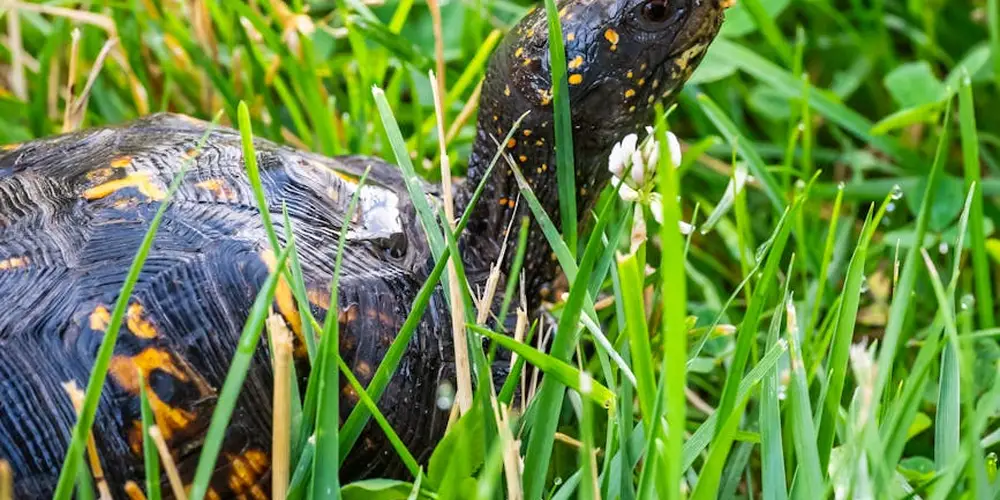
Watching your turtle’s body language is your first line of defense against conflict. Early warning signs are often subtle, so paying close attention is your best tool.
Early Warning Signs of Tension
- Persistent staring or fixating on another turtle
- Rapid, jerky head bobbing, especially in males
- Charging or ramming with the front of the shell
- Biting at limbs or necks, not just during feeding
- Constant blocking of basking areas or food dishes
Stress Signals in Different Species
Each species has its own personality and stress tells. My Russian tortoise, Austen, retreats completely into his shell when stressed, while my box turtle, Orwell, becomes hyper-vigilant and stops eating.
- Russian & Greek Tortoises: Hissing (a rapid retraction of the head, not a vocal sound), refusing to come out for handling, and excessive digging in corners.
- Box Turtles: Hiding for unusually long periods, refusing favorite foods, and making repeated attempts to climb enclosure walls.
- Aquatic Turtles (like Sliders): Fluttering claws in front of another’s face, intense basking competition, and nipping at flippers during swims.
Enrichment Ideas to Reduce Aggression
A bored turtle is often a troublesome turtle. Providing mental stimulation is just as crucial as a proper diet for curbing aggressive tendencies.
- Create a “dig box” filled with organic soil or coconut coir for foraging.
- Scatter food throughout the enclosure to encourage natural hunting behaviors.
- Rotate different, turtle-safe obstacles and hides weekly to keep the environment novel.
- Introduce a shallow water dish for wading or a pile of safe, crunchy leaves to explore.
Feeding Strategies to Minimize Conflict
Food is a primary trigger for aggression. I learned this the hard way watching my turtles Bronte and Austen squabble over a single piece of dandelion green.
- Feed multiple small piles of food at opposite ends of the habitat.
- Use a flat rock or tile as a “plate” to prevent substrate ingestion and define a feeding zone.
- Hand-feed particularly prized treats to the more submissive turtle to ensure it gets its share.
- Consider briefly separating turtles during meal times if competition remains high.
Habitat Layout Improvements
A well-designed space can prevent most disputes before they start. The goal is to eliminate competition for essential resources by providing ample options.
- Provide multiple basking spots under the heat lamp, spaced well apart.
- Use visual barriers like sturdy plants, half-logs, or rock formations to break the line of sight.
- Ensure there are at least two hiding spots for every turtle in the enclosure.
- Create a habitat that is much wider than it is tall, giving everyone room to roam without constant interaction.
Practical Aggression Mitigation Strategies
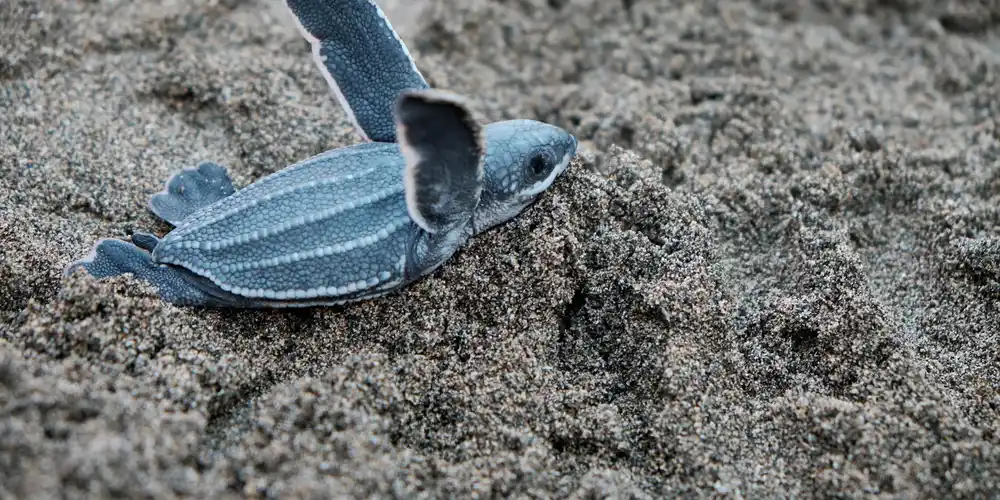
When you see aggression, swift and calm action is required. Your response can either de-escalate the situation or add more stress to an already tense environment.
Husbandry Guidelines for Stress Reduction
Often, aggression stems from an underlying husbandry issue. Double-checking your care routine is the first and most critical step in resolving behavioral problems.
- Ensure temperatures are correct, with a proper heat gradient and UVB lighting.
- Maintain pristine water quality for aquatic species and clean substrates for terrestrials.
- Provide a consistent day/night cycle to support their natural circadian rhythms.
- Review their diet for nutritional balance; sometimes aggression is linked to dietary deficiencies.
Steps for Addressing Specific Aggressive Behaviors
- For Biting: Gently place a visual barrier between the turtles. Never pull them apart, as this can cause injury.
- For Shell Ramming: Increase the number of obstacles in the enclosure to make direct charges difficult.
- For Food Guarding: Implement the separate feeding strategies mentioned above immediately.
- For Basking Competition: Add more basking platforms and ensure they are all in the optimal temperature zone.
Environmental Modifications to Ease Territoriality
You can redesign the space to discourage a “this is mine” mindset. I found that simply rearranging Orwell’s enclosure every few months completely reset his territorial claims.
- Frequently rearrange major landscape features like hides and rocks.
- Create multiple “core areas” with their own food, water, and hiding spots.
- For large enclosures, consider using dividers to create separate zones for a cooling-off period.
Handling Techniques for Aggressive Individuals
Handling an aggressive turtle requires patience and care for your own safety. Always approach from the side and never from above, as this mimics a predator.
- Wear light gardening gloves to protect your fingers from unexpected nips.
- Scoop the turtle from beneath, supporting its entire body, rather than grabbing from the top.
- Limit handling sessions to only what is necessary for health checks or habitat cleaning.
- If a turtle is particularly defensive, use a small container to gently corral and move it.
When Separation Becomes Necessary
Sometimes, despite your best efforts, cohabitation fails. Permanent separation is a responsible and compassionate choice when one turtle’s welfare is consistently compromised.
- Separate immediately if you observe any injury, no matter how minor.
- If one turtle is consistently prevented from eating, basking, or hiding, it’s time for a new home.
- Chronic stress, evidenced by lethargy and weight loss in one individual, is a clear sign.
- Be prepared with a backup enclosure. It is a fundamental part of responsible multi-turtle ownership.
FAQs
Can turtle aggression be trained out of them?
Turtles do not respond to training like mammals, but consistent positive reinforcement and environmental adjustments can reduce aggressive tendencies. Focus on providing a stress-free habitat and rewarding calm behavior with treats to encourage docility over time. Enrichment activities like puzzle feeders, varied textures, and different water currents help keep turtles active and healthy. Rotating enrichment items regularly adds mental and physical exercise that supports overall well-being.
What should I do if my turtle bites me?
Remain calm and gently disengage without pulling away abruptly to avoid further injury. Clean the wound thoroughly with soap and water, and monitor for signs of infection, as turtle bites can introduce bacteria. Bites can be painful and vary by species. To prevent them, handle turtles gently, avoid putting hands near their mouths, and supervise children around turtles.
Are baby turtles less aggressive than adults?
Baby turtles are often more skittish and less territorial, but their behavior can change as they mature and establish dominance. Early socialization and proper care can help shape a calmer temperament as they grow into adulthood.
Living Peacefully with Your Pet Turtle
Aggression in turtles often stems from unmet needs, so focus on species-specific habitats and gentle handling to prevent stress. From my time with Austen, Bronte, and Orwell, I’ve seen that a well-setup enclosure and patient interaction keep behaviors calm and predictable. If you’re unsure how to tell if your turtle is stressed, watch for signs such as reduced eating, hiding, or unusual aggression. If you notice any of these, seek guidance from a reptile vet or experienced keeper to help address the issue.
Commit to observing your turtle’s cues and adapting care routines as they grow and change. Staying curious and informed about pet turtle care helps you provide a safe, enriching life that respects their natural instincts. Learn more about how to care for land and aquatic turtles in our essential guide.
Further Reading & Sources
- More aggressive sea turtles win fights over foraging resources independent of body size and years of presence – ScienceDirect
- 7 Species of Aggressive Turtles Most Likely To Bite
- r/turtle on Reddit: Why is my turtle being aggressive suddenly?
- STOP AGGRESSION in Turtles With THIS TRICK! – YouTube
Matthew is a dedicated turtle enthusiast and conservationist with over 15 years of experience in reptile care. Known affectionately as "The Leatherback" among his peers, he combines his passion for turtles with a commitment to educating pet owners on responsible turtle care and environmental stewardship.
Understanding Turtle Behavior