
What Do Box Turtles Eat? (Wild vs. Captivity Diet Guide)
You might be feeling a bit unsure about what to feed your box turtle, worried that the wrong choices could harm their health or happiness. I’ve been there myself with Orwell, my box turtle, and I’ve seen how a balanced diet transforms their energy and shell condition over time.
This guide covers: wild foraging habits, captive diet essentials, feeding schedules, common nutritional mistakes, and tips for optimal health.
Understanding the Box Turtle’s Omnivorous Appetite
Box turtles are opportunistic eaters with a wonderfully varied diet. Their meals shift dramatically with the seasons and what’s available in their immediate environment. My own box turtle, Orwell, has taught me that they are not picky, but they do have clear preferences that can guide their health.
I think of their diet as a balanced seesaw. Juveniles need more protein for growth, while adults thrive on a heavier plant-based intake. Watching Orwell hunt for a worm with intense focus, then later nibble on a strawberry, shows this perfect balance in action.
The Wild Box Turtle Diet: Nature’s Menu
A wild box turtle’s life is a daily scavenger hunt. Their diet is a direct reflection of their ecosystem, changing from spring’s abundance to winter’s scarcity. They follow their nose and instincts to find what their body needs, a system we must try to replicate in captivity.
Protein Sources in the Wild
In the wild, protein is a prized resource. This isn’t just food; it’s a thrilling hunt that provides essential mental and physical stimulation. I’ve observed Orwell’s entire demeanor change when he’s on the trail of a live snack-it’s pure, natural turtle behavior.
- Earthworms and nightcrawlers
- Slugs and snails (ensure they are from pesticide-free areas)
- Beetles, caterpillars, and grasshoppers
- Pill bugs and crickets
- Occasional small amphibians or carrion
This live prey provides not just protein, but also hydration and the enrichment of the chase. It’s a core part of their behavioral health that we must honor, even in a captive setting.
Plant-Based Foraging
The plant portion of their diet is a seasonal symphony. They will consume a huge variety of leaves, flowers, fruits, and even fungi, often selecting items with medicinal properties. I often forage safe, chemical-free weeds from my yard to add to Orwell’s meals, and he seems to appreciate the variety.
- Leafy greens: Dandelion greens, plantain leaves, clover
- Edible flowers: Hibiscus, rose petals, nasturtiums
- Fruits: Wild strawberries, blackberries, mulberries (in moderation)
- Vegetables: Mushrooms, squash, and other fallen garden produce
A good rule of thumb is to aim for a 50/50 ratio of protein to plants for adults, but view this as a flexible guideline, not a rigid rule. Their wild cousins certainly don’t measure their food, and they do just fine by listening to their bodies.
Crafting the Perfect Captivity Diet
Safe Fruits and Vegetables
My box turtle, Orwell, gets a colorful plate that mimics the variety he’d find in the wild. Aim for a diet that is roughly 50% plant-based, focusing on dark, leafy greens and other vegetables, with fruits offered as a special treat. For reference, here’s a complete safe list of vegetables box turtles can eat. I’ve found this balance keeps him healthiest and most active.
Here are some of our go-to options that you can safely offer:
- Leafy Greens: Dandelion greens, collard greens, and endive are staples in our home. I always wash them thoroughly to remove any pesticides.
- Other Vegetables: Shredded carrots, chopped squash, and sweet bell peppers (red and yellow are his favorites) add crucial vitamins and fiber.
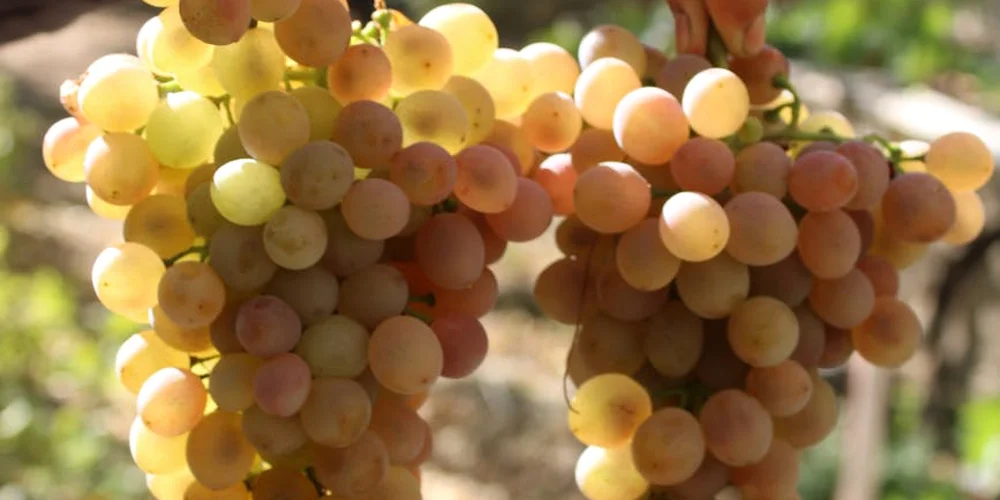
- Safe Fruits (in moderation): Orwell goes wild for mashed berries, melon cubes, and the occasional slice of apple or pear with the seeds removed.
I avoid iceberg lettuce and spinach entirely, as they offer little nutritional value and can interfere with calcium absorption. Watching Orwell methodically eat his rainbow of food is one of the simple joys of caring for him.
Essential Protein for Your Shelled Friend
Protein is not an optional part of a box turtle’s diet; it’s a fundamental building block. In captivity, their protein intake should make up about 40-50% of their overall diet, especially for growing juveniles and breeding females. If you’re looking for a complete diet guide for eastern box turtles, protein is just one piece of the puzzle. A balanced diet also includes greens, calcium, and occasional animal matter. I learned this early on with Orwell, whose intelligence seems to shine brightest during feeding time.
I rotate through these protein sources to keep his diet varied and exciting:
- Live Prey: Earthworms, crickets, and mealworms. I only buy these from reputable pet stores to ensure they are safe and gut-loaded.
- Other Animal-Based Foods: Occasionally, I’ll offer small amounts of cooked, unseasoned chicken or hard-boiled egg as a special source of lean protein.
- Commercial Diets: A high-quality, low-fat commercial turtle pellet can be a good base, but it should never be the only thing you feed.
Never feed your box turtle raw meat from the grocery store or insects you’ve caught outside, as they can carry parasites or pesticides. Offering a variety ensures they get all the essential amino acids they need for a strong shell and body.
Nutritional Balance and Vital Supplements
Hydration: More Than Just Water
Many turtle keepers focus so much on the food that they forget a turtle soaks in its water. Proper hydration is a full-body experience for a box turtle, not just about having a water dish available. My turtle, Orwell, will often sit in his shallow water bowl for twenty minutes, absorbing moisture through his skin and cloaca.
I learned the hard way that a dry environment can lead to dehydration and kidney issues. You must provide a shallow water dish large enough for your turtle to climb into and soak completely. The water should be clean, changed daily, and shallow enough to prevent drowning risk. Knowing how turtles drink water is crucial for their care.
Beyond the soaking dish, maintaining habitat humidity is critical. Regularly misting the enclosure with dechlorinated water helps mimic the moist microclimates they seek out in the wild. I aim for a humidity level around 60-80%, which I monitor with a simple gauge.
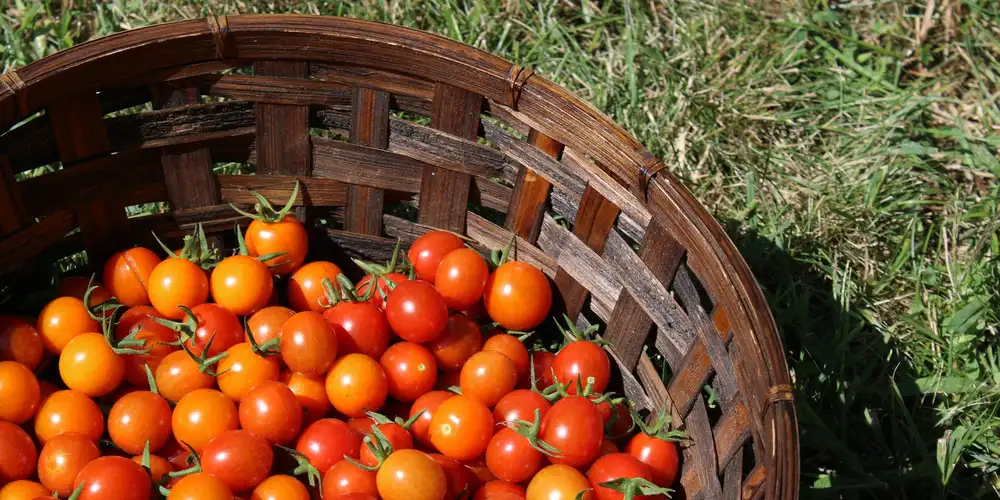
You can also boost hydration through their food. Offering water-rich foods like strawberries, cucumber, and melon is a fantastic way to supplement their fluid intake. Watching Orwell enthusiastically munch on a juicy berry is a sure sign he’s getting what he needs.
Creating a Healthy Feeding Routine
A consistent routine provides security and prevents both overfeeding and underfeeding. I’ve found that feeding my box turtle at roughly the same time each day helps regulate his metabolism and behavior. He often becomes more active around his “dinner time,” anticipating his meal.
Here is the simple schedule that works for us:
- Frequency: I offer a main meal to my adult box turtle once daily. Hatchlings and juveniles may need two smaller meals.
- Timing: Late morning or early afternoon works best, as this aligns with their natural foraging periods.
- Portion Control: I provide an amount of food roughly the size of his head and shell combined. This visual guide prevents waste and obesity.
- Fasting: One day a week, I skip a meal. This mimics natural food scarcity and gives his digestive system a break.
Presentation matters more than you might think. I scatter food items around his enclosure to encourage natural foraging behaviors instead of just placing everything in a bowl. This provides crucial mental stimulation and physical activity.
Always remove any uneaten fresh food after a few hours. Leaving old produce or prey insects in the habitat can attract pests and lead to bacterial growth. A quick daily tidy-up keeps your turtle’s home clean and healthy. To stay on top of care, follow the ultimate turtle habitat cleaning schedule. This plan combines a daily quick clean with a weekly deep scrub of the tank, decor, and filter as needed.
FAQs
Is there a visual guide or chart for a balanced box turtle diet?
A balanced box turtle diet chart typically illustrates the ideal protein-to-plant ratio, such as 50/50 for adults and higher protein for juveniles. Some keepers include small, occasional portions of animal protein, such as finely chopped chicken, to help meet protein needs. A practical guide to incorporating meat into a turtle’s diet can help balance plant and animal protein safely. You can find or create simple charts that categorize safe foods to ensure variety and nutritional completeness in each meal.
Can you share some simple recipes for box turtle meals?
An easy recipe is to mix finely chopped dark leafy greens with live earthworms and a sprinkle of calcium powder for a balanced main dish. For a hydrating treat, combine small cubes of melon and berries with a few crickets to encourage natural foraging behavior.
How does habitat setup influence a box turtle’s dietary needs?
The habitat’s humidity and temperature directly impact a box turtle’s metabolism and willingness to eat, so maintaining proper conditions supports consistent feeding. A well-designed enclosure with hiding spots and varied terrain can stimulate natural foraging, ensuring they consume a diverse diet.
What do wild box turtles in Florida typically eat?
In Florida’s subtropical environment, wild box turtles often feast on local insects like lubber grasshoppers and snails, along with native plants such as saw palmetto fruits. They may also consume fallen fruits from citrus or other regional vegetation, adapting their diet to seasonal availability.
Are there any special dietary tips for box turtles in Florida?
For Florida box turtles, focus on incorporating safe, locally sourced foods like hibiscus flowers and avoid anything from areas treated with pesticides common in the state. Many garden flowers are safe for turtles to eat in moderation, hibiscus among them. Always provide access to clean, fresh water and monitor for humidity-related hydration needs due to the warm climate.
Your Box Turtle’s Nutritional Journey
Based on my time caring for Orwell, I’ve found that a varied diet rich in proteins, vegetables, and occasional fruits mirrors their wild habits and supports vitality. To create a balanced diet for your omnivorous turtle, plan a daily mix of animal protein, leafy greens, and occasional fruits. Also adjust portions by age and size to meet energy needs. Stick to safe, fresh options and avoid harmful foods to keep your turtle thriving in captivity.
Owning a box turtle is a long-term commitment that enriches your life as much as theirs. Always seek out new knowledge and connect with fellow enthusiasts to provide the best care possible for these remarkable animals. For beginners, this care box turtle complete beginners guide can help you start with the right housing, diet, and daily routines. It offers practical steps to ensure a healthy, long life together.
Further Reading & Sources
- Feeding Box Turtles | VCA Animal Hospitals
- What Do Box Turtles Eat? Everything New Owners Should Know
- What Do Box Turtles Eat? | Chewy
- r/turtle on Reddit: What should I feed my box turtle?
Matthew is a dedicated turtle enthusiast and conservationist with over 15 years of experience in reptile care. Known affectionately as "The Leatherback" among his peers, he combines his passion for turtles with a commitment to educating pet owners on responsible turtle care and environmental stewardship.
Common Turtle Foods