
Pet Turtle Space and Habitat Needs: A Simple Guide
Bringing a turtle home is exciting, but you might worry about having enough room and the right setup to keep your new friend healthy and content.
Over the years with my turtles-Austen, Bronte, and Orwell-I’ve learned that a well-planned habitat prevents stress and supports their natural behaviors.
We’ll explore: tank size, heating, lighting, substrate, water areas, and enrichment ideas.
The Foundation: Core Habitat Elements
Setting up a turtle habitat feels like building a tiny ecosystem from scratch. Your turtle’s enclosure is their entire world, so every element must support their natural behaviors and health. I learned this firsthand with my tortoises; even small oversights can lead to big problems. For any turtle, these components are non-negotiable: a spacious tank, a dedicated basking area, appropriate water depth, and an escape-proof design. Miss one, and you risk their well-being.
- Tank size must accommodate growth-think long-term, not just their current size.
- A dry basking spot is essential for thermoregulation and digestion-my tortoise Austen loves his warm rock.
- Water depth should match species needs-too shallow or deep can cause stress or drowning.
- Secure lids prevent escapes and injuries-turtles are surprisingly good climbers!
Calculating the Perfect Tank Size
Figuring out tank size is simpler than it seems. A good rule is 10 gallons of water volume per inch of your turtle’s shell length. This gives them room to swim, turn, and explore. For my box turtle Orwell, I used a different approach since he’s more terrestrial, but for aquatic turtles, this formula works wonders. Always plan for adult size—baby turtles grow fast! So, when setting up your tank, ask yourself: what size tank does the turtle need? Plan for growth—the tank you choose today should still work when your turtle reaches adulthood.
| Turtle Species | Minimum Tank Size (Gallons) | Notes |
|---|---|---|
| Red-Eared Slider | 10 per inch of shell | Adults often need 75+ gallons |
| Painted Turtle | 10 per inch of shell | Similar to sliders; active swimmers |
| Musk Turtle | 5-10 per inch of shell | Smaller species, but still need space |
Bigger is always better-crowding leads to stress and aggression. I upgraded Bronte’s enclosure twice as she grew, and her personality blossomed with the extra room.
Crafting the Ideal Basking Zone
Basking is like a turtle’s daily spa session. It helps them digest food, absorb vitamins, and regulate body temperature. To create the perfect basking area for your aquatic turtle, start with a stable, dry platform that’s easy to reach. For aquatic turtles, use a platform that stays completely dry, like a floating dock or stacked rocks. Place a heat lamp overhead—about 10-12 inches away—to create a warm spot of 85-90°F. The surface should be easy to climb and not too slippery; I use river rocks for my setups because they mimic natural textures.
- Choose a stable platform that supports your turtle’s full weight.
- Position the heat lamp directly above, ensuring no water splashes can reach it.
- Check temperatures daily with a thermometer-consistency prevents health issues.
Watching Austen bask reminds me how vital this zone is for their comfort. Without it, turtles can develop metabolic bone disease or digestion problems.
Mastering Water Depth and Quality
Water is where turtles spend most of their time, so depth and cleanliness matter deeply. For aquatic species, aim for a depth at least 1.5 times their shell length-this lets them swim freely without struggle. Semi-aquatic turtles like box turtles need shallower areas with easy access to land. Filtration is non-negotiable; a powerful canister filter keeps water clear and reduces harmful waste buildup.
- Test water weekly for ammonia, nitrites, nitrates, and pH-high levels can cause shell rot or respiratory infections.
- Change 25-50% of the water weekly to prevent biofilm and algae blooms.
- Use a dechlorinator to make tap water safe-simple steps avoid big health risks.
Clean water isn’t just about looks; it’s a shield against disease. I learned this when Orwell showed signs of irritation from poor water quality-quick fixes aren’t enough.
Creating a Comfortable Climate
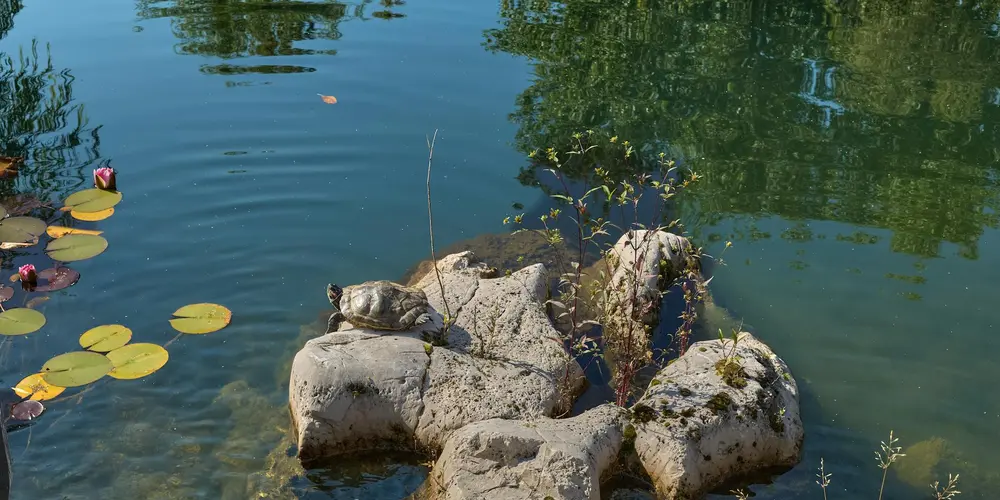
Turtles thrive in environments that mimic their wild habitats. Heating and lighting create a balanced climate, much like the sun warming a calm ocean shore. You need a temperature gradient-warm on one side, cooler on the other-so your turtle can move to comfort. UVB lighting is just as critical; it fuels their shell and bone health. I set up timers for my tortoises’ lights, and their vibrant shells tell me it’s working. It’s important to regularly check if the lighting and heat are appropriate; diagnosing your turtle’s habitat using a checklist ensures they’re getting the right conditions.
- Temperature gradients prevent overheating or chilling-think hot basking spot versus cooler water.
- UVB bulbs must be replaced every 6-12 months-they lose strength over time, even if they still light up.
- Consistent day/night cycles reduce stress-aim for 12 hours on, 12 hours off.
Heating: Building a Temperature Gradient
A temperature gradient lets your turtle choose their perfect spot. Keep the basking area at 85-90°F, while the water or cool side stays around 75-80°F. Use an underwater heater for aquatic tanks, but always pair it with a thermostat to avoid burns or malfunctions. For land areas, ceramic heat emitters work well without light. I check temperatures with digital thermometers—analog ones can be unreliable. For painted turtles, place a sturdy basking platform under a UVB light to support shell health. This approach aligns with a practical painted turtle basking platform setup lighting temperature guide.
- Place heaters on the opposite side of the basking zone to create a natural flow.
- Monitor both air and water temperatures separately-each affects behavior.
- Adjust settings seasonally; room temperature changes can throw off the balance.
Bronte, my Greek tortoise, moves between warm and cool spots throughout the day, showing how intuitive this setup is. Proper heating supports everything from appetite to immunity.
Lighting: The Power of UVB
UVB light is like sunshine in a bulb—it’s essential for converting calcium into strong bones and shells. Without it, turtles can develop soft shells or metabolic issues, which I’ve seen in rescues. Choose a UVB bulb strength based on species; 5.0 to 10.0 UVB output suits most pet turtles. Position it no more than 12 inches from the basking area, and use a reflector to maximize exposure. This is why setting it up correctly from the start is critical for turtle health. Proper UVB setup supports calcium metabolism and helps prevent long-term problems.
- Follow a strict lighting schedule-12 hours on, 12 off mimics natural rhythms.
- Avoid glass or plastic covers between the bulb and turtle-they block UVB rays.
- Combine UVB with a heat lamp for a holistic basking experience.
Regular UVB exposure keeps your turtle’s world bright and healthy. In indoor setups, a heat lamp with UVB lighting helps create a proper basking spot. It’s a small effort that pays off in their lively eyes and sturdy shells. Proper heat and UVB support calcium metabolism, helping keep shells strong.
Tailoring the Habitat to Your Turtle’s Species
Getting the space right isn’t a one-size-fits-all situation. Your turtle’s species is the single most important factor in designing its home. I learned this early on with my own shelled family; what works for my aquatic Red-Eared Slider would be entirely wrong for my Box Turtle, Orwell.
Aquatic Turtle Needs: Sliders and Painted Turtles
These turtles are the Olympic swimmers of the pet world. My Slider, for instance, spends most of her day paddling around. For a single adult Slider or Painted Turtle, you’re looking at a minimum of a 75 to 100-gallon aquarium. They need room to swim, dive, and turn around comfortably.
- Swimming Space: The tank should be long and wide, not tall and narrow. Water depth should be at least 1.5 to 2 times the length of your turtle’s shell.
- Powerful Filtration: Aquatic turtles are messy. I use a canister filter rated for a tank twice the size of my turtle’s actual enclosure to keep the water crystal clear.
- Ample Basking Area: They need a completely dry platform where they can haul out and fully dry their shell. This area must be sturdy and easy to access from the water.
Remember, a tiny hatchling will grow rapidly. Planning for an adult-sized enclosure from the start saves you money and stress later.
Semi-Aquatic and Terrestrial Needs: Box Turtles and Tortoises
My Box Turtle, Orwell, is a perfect example of a semi-aquatic species. He needs a balanced world of land and water. Tortoises, like my Russian Tortoise Austen, are purely land-dwelling.
- Enclosure Type: A large terrarium or a custom-built turtle table works best. For an adult Box Turtle, aim for at least a 4×2 foot enclosure. For a tortoise, bigger is always better.
- Land Area: The majority of the space should be dedicated to land. They are explorers and foragers, not swimmers.
- Substrate for Burrowing: A deep layer of coconut coir or cypress mulch allows for natural burrowing behavior. I find Austen buried comfortably most evenings.
- Secure Hiding Spots: Provide multiple hideaways like half-logs or cork bark rounds. This gives them a sense of security and a place to retreat.
The key difference is water; a Box Turtle needs a shallow water dish for soaking, while a tortoise only needs a dish for drinking. Do box turtles need water to survive? Regular access to shallow water is part of their habitat requirements for hydration and humidity.
Step-by-Step Habitat Setup
Setting up a new home can feel overwhelming, but breaking it down into steps makes it manageable. I’ve set up more habitats than I can count, and this process has never failed me.
-
Choosing and Preparing the Enclosure
Select your tank or terrarium based on your turtle’s adult size. Thoroughly rinse the empty enclosure with warm water—no soaps or chemicals. This is the first step in a clean turtle tank properly—step-by-step guide. Place it in its permanent location, as a filled tank is incredibly heavy and difficult to move. Following the setup and cleaning steps will help maintain a healthy habitat for years to come.
-
Installing Substrate and Key Landscaping
For aquatic tanks, a bare bottom or large river rocks are easiest to clean. For terrestrial setups, add a 3-4 inch layer of your chosen substrate. Now is the time to arrange any non-toxic, sturdy decorations, plants, and hides. Create visual barriers to make your turtle feel secure.
-
Setting Up Filtration and Heating Systems
Install your water filter according to its instructions. For the water heater, place it in a high-flow area and set the temperature specific to your species. Always use an aquarium-safe thermometer to monitor the water temperature independently. For land areas, a under-tank heater can provide gentle belly heat.
-
Finalizing the Basking Area and Lighting
Position your basking platform and secure the heat lamp above it. The basking spot should reach the correct temperature for your turtle. Install the UVB light strip, ensuring no glass or plastic blocks the rays from reaching your pet. UVB is non-negotiable for their shell and bone health.
-
Acclimating Your Turtle to Its New Home
Let the entire system run for at least 24 hours to stabilize temperatures. When introducing your turtle, place them gently in the enclosure and step back. Limit disturbances for the first few days as they explore and settle into their new territory. They may hide or refuse food initially, which is perfectly normal.
Choosing the Right Location for Your Turtle’s Home
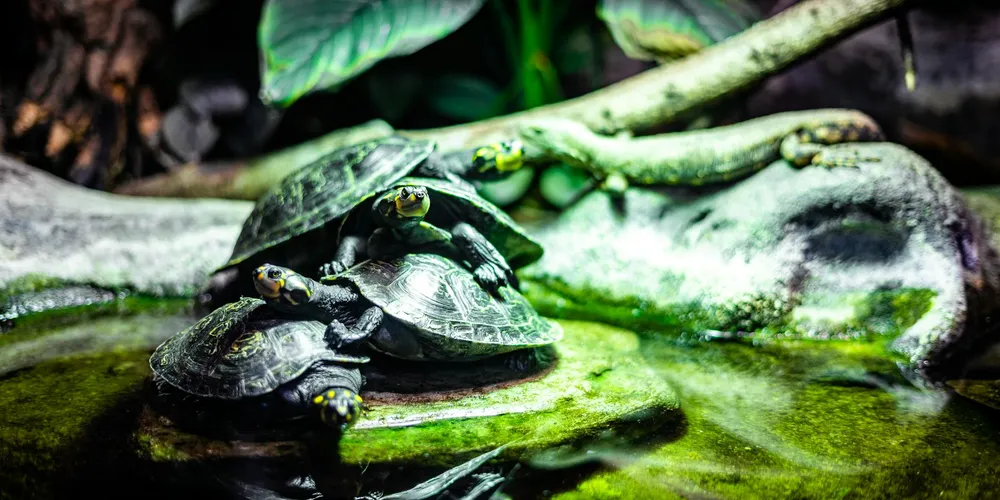
Finding the perfect spot for your turtle’s enclosure is just as important as the habitat itself. You want a location that feels stable and secure, away from the daily hustle and bustle of your home. I learned this the hard way when I first placed Bronte’s tank near a frequently used hallway; her graceful demeanor became noticeably more skittish until I moved her to a calmer corner.
Stability is paramount for your shelled friend’s sense of security. Choose a spot that doesn’t experience jarring vibrations from slamming doors or heavy foot traffic. A dedicated table or a very sturdy stand is non-negotiable. I keep my enclosures on solid wood furniture that doesn’t wobble, which seems to give my turtles, especially the reserved Orwell, a greater sense of calm.
Noise levels matter more than you might think. Steer clear of blaring televisions, loud speakers, or areas where children or other pets frequently play. Turtles are sensitive to constant, loud vibrations. A quiet room, like a home office or a peaceful bedroom corner, is ideal. My Russian tortoise, Austen, is far more active and inquisitive in his quiet space than he ever was in a noisy family room.
Safety from other pets is a critical consideration. Even the most gentle dog or cat can see a moving turtle as a fascinating toy, causing immense stress to your reptile. My rule is simple: the enclosure must be in a room where other pets are either not allowed or are always supervised. This prevents any accidental scratches or terrifying encounters for your turtle.
For those in suitable climates, a secure outdoor enclosure can be a wonderful summer home. It provides natural sunlight and enrichment that is difficult to replicate indoors. The enclosure must have a locked, predator-proof lid and plenty of shade and hiding spots. I let my Greek tortoise, Bronte, enjoy supervised outdoor time, and her graceful exploration of the dappled sunlight is a joy to watch.
Ongoing Habitat Care and Maintenance
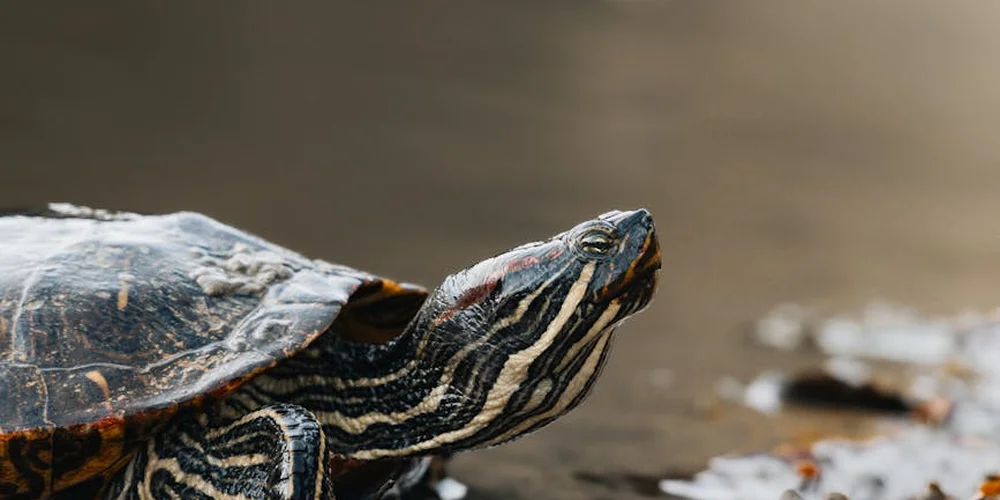
A clean habitat is the foundation of a healthy, long-lived turtle. Establishing a consistent care routine prevents problems before they start and keeps your turtle thriving. Over the years, I’ve found that a little bit of daily attention saves me from massive, stressful cleanings later on. That’s where an ultimate turtle habitat cleaning schedule shines. With a clear plan, you’ll stay on top of both daily care and deeper cleanings.
Your Daily and Weekly Maintenance Routine
Daily checks are quick but vital. I spend five minutes each morning ensuring everything is running smoothly before I start my own day. This simple habit helps you catch small issues before they become big problems.
- Check basking and water temperatures with a reliable thermometer.
- Observe your turtle’s behavior and appetite; changes can signal illness.
- Remove any visible leftover food or waste with a small net.
- Ensure all lights and heating elements are functioning correctly.
Your weekly routine is for more thorough upkeep. I do my weekly habitat chores on Sunday afternoons-it’s become a calming ritual. This is when you perform the tasks that maintain the habitat’s balance.
- Perform a 25-50% water change for aquatic turtles.
- Spot-clean the substrate, removing any soiled areas.
- Wipe down the interior glass to control algae buildup.
- Check and clean the filter intake to ensure proper water flow.
Managing Water Quality and Algae
Clear water isn’t always clean water. Consistent water testing is your most powerful tool for preventing health issues in aquatic turtles. I test Orwell’s water weekly, and this simple act has saved me from numerous potential headaches.
Algae growth is a natural process, but you can manage it effectively. Controlling light exposure is the single most effective way to combat algae blooms. I keep my turtle lights on a strict 12-hour timer to mimic a natural day/night cycle, which significantly reduces algae without any chemicals. That approach also supports sustainable turtle tank care by minimizing chemical interventions. It keeps the habitat healthier and clearer for your aquatic turtle.
Your filter is your best ally in the fight for clean water. A high-quality canister filter rated for at least twice your tank’s volume is a worthwhile investment. I clean my filter media monthly in a bucket of tank water to preserve the beneficial bacteria. Never use tap water for this, as the chlorine will kill the good bacteria your tank needs.
FAQs
What are the fundamental components of a turtle habitat?
Every turtle habitat must include a spacious enclosure to allow for growth and natural behaviors. Essential elements are a dry basking area with heat and UVB lighting, along with clean, filtered water tailored to the species.
What specific habitat setup does a wood turtle require?
Wood turtles need a semi-aquatic environment with both land and shallow water areas for soaking and exploration. Provide a deep, burrow-friendly substrate like coconut coir and multiple hiding spots to support their terrestrial habits.
How should I design a habitat for a painted turtle?
Painted turtles require an aquatic-focused setup with ample swimming space, so water depth should be at least 1.5 times their shell length. Include a sturdy, easily accessible basking platform and a powerful filtration system to manage waste.
Where can I find a PDF guide on painted turtle habitat requirements?
Reputable sources like herpetological society websites or specialized pet care platforms often offer free PDF downloads on painted turtle habitats. These documents provide detailed, printable instructions for setting up and maintaining an ideal environment.
What type of substrate is best for different turtle species?
For aquatic turtles, bare-bottom tanks or large river rocks simplify cleaning, while terrestrial species need deep substrates like cypress mulch for burrowing. Always select non-toxic materials to ensure safety and mimic natural conditions.
A Final Word on Turtle Real Estate
Providing a spacious, enriching habitat with clean water, a proper basking area, and correct heating is the single most important thing you can do for your turtle’s health and happiness. A proper setup isn’t just a luxury; it’s the foundation for a long, vibrant life for your shelled companion.
Remember, a pet is a lifelong commitment, and their care needs can evolve over time. Stay curious, keep learning, and always advocate for the well-being of the incredible animal you’ve chosen to care for.
Further Reading & Sources
- Tips for Enhancing Your Turtle’s Habitat
- -Aquatic Turtle Habitat Guidelines – Central Mississippi Turtle Rescue
- Outdoor Learning Station: Box Turtle Habitat
- Setting Up an Aquatic Turtle Habitat
Matthew is a dedicated turtle enthusiast and conservationist with over 15 years of experience in reptile care. Known affectionately as "The Leatherback" among his peers, he combines his passion for turtles with a commitment to educating pet owners on responsible turtle care and environmental stewardship.
Tank Size and Type