
Do Box Turtles Need Water to Survive?
If you’re wondering whether your box turtle can thrive with just a dry terrarium, you’ve come to the right place. The relationship these unique creatures have with water is more nuanced than a simple yes or no.
This article covers: their hydration needs, the critical role of soaking, how to build the perfect habitat, and common water-related mistakes to avoid. You’ll learn exactly how to create a thriving environment that supports their health and natural behaviors.
Box Turtles and Water: A Delicate Balance
Box turtles, like my own Orwell, thrive when water elements mirror their natural woodland habitats-neither too dry nor too wet. Finding that sweet spot prevents shell rot and dehydration, which I’ve learned through years of caring for Orwell’s reserved yet intelligent nature. These creatures rely on water for more than just drinking; it’s about creating a micro-environment that supports their overall well-being.
From observing Orwell, I’ve seen how improper water balance can lead to health issues, so I always advocate for setups that mimic the gentle ebb and flow of forest floors. Maintaining this equilibrium is key to keeping your box turtle healthy and content, much like how a steady rhythm in nature supports life.
Essential Water Needs for Box Turtle Health

Water isn’t just an option for box turtles-it’s a core part of their daily life that affects hydration, digestion, and even mood. Over the years with Orwell, I’ve fine-tuned his habitat to include three critical water aspects that every owner should prioritize. These essentials map to the key water quality parameters for a healthy turtle tank. Regular checks on pH, ammonia, nitrite, nitrate, chlorine, and temperature help keep water safe and turtles thriving. Neglecting any one of these can lead to stress or illness, so let’s break them down simply.
Drinking Water: A Daily Requirement
Box turtles need fresh, clean water available at all times for drinking, as dehydration can set in quickly. I always keep a shallow dish in Orwell’s enclosure, refilling it daily to ensure he stays hydrated without risk of drowning. I learned how to provide it properly to pet turtles. Watch for signs like lethargy or sunken eyes, which I’ve caught early with Orwell by making water checks part of my routine.
- Use a shallow, heavy dish to prevent tipping and allow easy access.
- Change water daily to avoid bacteria buildup, especially in warmer months.
- Observe your turtle’s drinking habits; Orwell tends to drink after meals, a cue I’ve learned to respect.
Soaking: More Than Just a Bath
Soaking provides hydration through the skin and helps with shedding, digestion, and overall comfort. I give Orwell warm, shallow soaks a few times a week, and it’s become a calming ritual that he seems to enjoy, often stretching out contentedly. This isn’t just about cleanliness-it’s a vital part of their health that mimics natural puddles they’d find in the wild.
- Fill a container with lukewarm water up to your turtle’s chin, avoiding deep levels.
- Soak for 15-20 minutes, supervising to ensure safety and relaxation.
- Do this regularly, as I’ve noticed Orwell’s shell stays smoother and he’s more active afterward.
Humidity: The Invisible Hydration
Humidity keeps a box turtle’s skin and respiratory system healthy, preventing issues like dry skin or infections. In Orwell’s habitat, I maintain 60-80% humidity using methods like misting and proper substrate, which I’ve adjusted based on seasonal changes. Substrate humidity levels are part of what box turtles need to stay healthy. A moisture-retentive substrate helps maintain that humidity at the enclosure floor, supporting overall shell and skin condition. This invisible layer of moisture is something I monitor closely, as low humidity once caused minor shedding problems for Orwell that were easily fixed.
- Mist the enclosure daily with a spray bottle to simulate dew or light rain.
- Choose moisture-retaining substrates like coconut coir or sphagnum moss.
- Use a hygrometer to track levels, making adjustments as needed for consistency.
Designing the Perfect Box Turtle Habitat
Choosing and Placing the Water Dish
Selecting the right water dish is vital for your box turtle’s health and comfort. In my experience with Orwell, my 7-year-old box turtle, I’ve found that a shallow, wide dish prevents accidental tipping and allows easy access for drinking and soaking. Look for dishes made of non-porous materials like ceramic or sturdy plastic, which resist bacteria buildup and are simple to clean.
- Opt for a dish with a depth no more than one-third of your turtle’s shell height to avoid drowning risks.
- Place it in a stable, shaded area of the enclosure to keep water cool and reduce evaporation.
- Ensure it’s large enough for your turtle to fully submerge if desired, as this aids in hydration and shell health.
Position the dish away from heat sources to maintain water freshness. I always check Orwell’s dish daily for debris, as clean water encourages regular use and prevents illness. This simple step supports their natural behaviors and overall well-being.
Creating a Humidity Gradient
A humidity gradient mimics the varied environments box turtles encounter in the wild, helping them regulate moisture levels. Setting up different humidity zones in the habitat allows your turtle to move between damp and drier areas as needed, which is crucial for preventing dehydration and supporting healthy skin. Maintaining proper humidity levels is essential in a terrestrial turtle habitat. Regular humidity checks and adjustments help your turtle regulate moisture and prevent dehydration. Use substrates like coconut coir or sphagnum moss in one section to retain moisture, while keeping another area with drier materials like cypress mulch.
- Mist the damp area lightly each morning to maintain 60-80% humidity, especially near hiding spots.
- Monitor humidity with a simple gauge, adjusting based on your turtle’s activity-Orwell often seeks out the humid zone after basking.
- Provide hiding places in both zones to reduce stress and encourage natural exploration.
This approach not only aids hydration but also promotes shedding and respiratory health. I’ve noticed that maintaining this balance keeps Orwell more active and content, reflecting how vital proper humidity is for their survival.
Recognizing and Addressing Dehydration
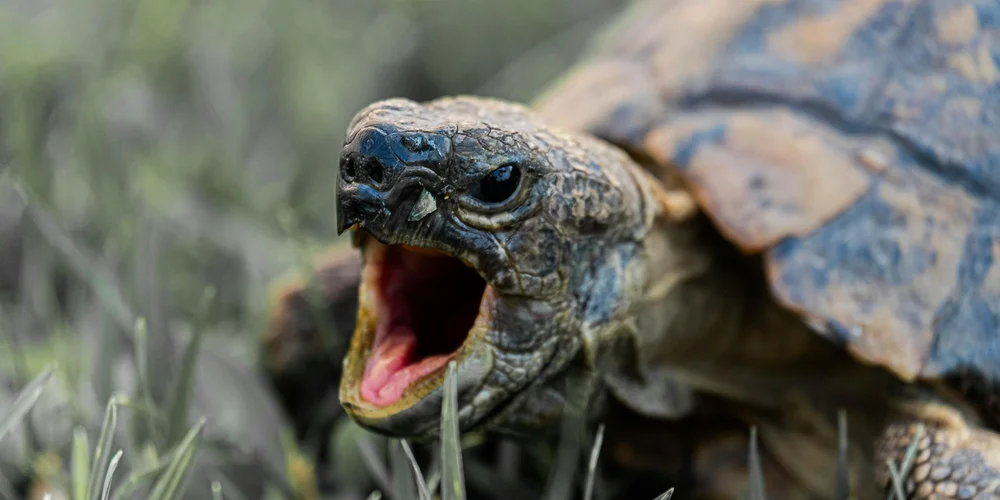
Dehydration can sneak up on box turtles, so it’s key to spot early signs and act quickly. Watch for sunken eyes, dry or flaky skin, and reduced activity, as these are common indicators that your turtle needs more fluids. In Orwell’s case, I once saw him become unusually lethargic, which prompted me to check his water intake and habitat conditions. That’s how I tell if my turtle is sick: by watching hydration and behavior. If in doubt, a quick vet check can help.
- Offer a shallow soak in lukewarm water for 15-20 minutes to encourage drinking and rehydration.
- Increase misting in the habitat and ensure the water dish is always filled with fresh, clean water.
- If symptoms persist, consult a reptile veterinarian to rule out underlying issues and get tailored advice.
Prompt action can prevent serious health problems. By regularly observing your turtle’s behavior and habitat, you can catch dehydration early and provide the care they deserve. Knowing which issues are most critical to watch helps you stay proactive. Regular checks for appetite, shell condition, and breathing can catch warning signs early.
Species-Specific Water Considerations
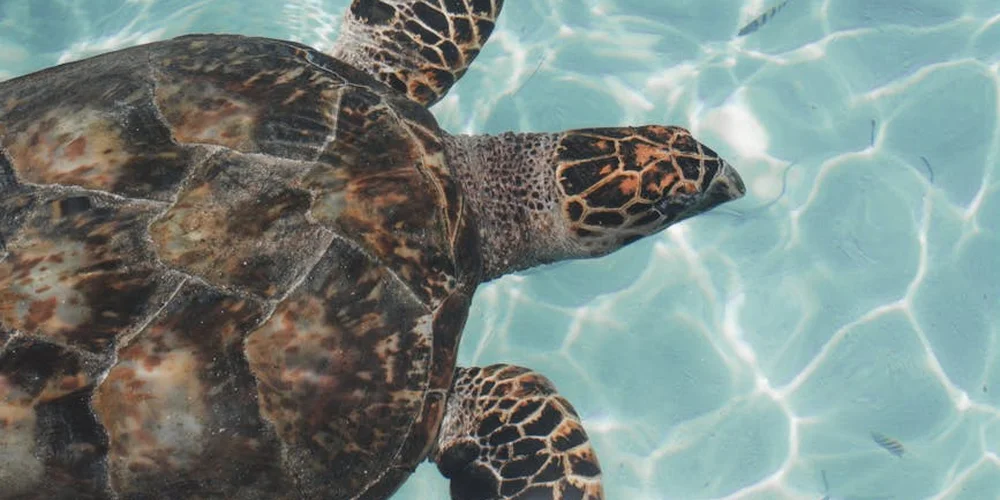
Not all box turtles interact with water in the same way. Their specific species can influence how much they rely on accessible water sources. My own box turtle, Orwell, is an Eastern Box Turtle, and his behavior differs slightly from the Three-toed Box Turtles I’ve cared for at local rescues.
Eastern Box Turtles (Terrapene carolina carolina)
This is the most common species many turtle-keepers encounter. They thrive in humid forest floors and are excellent swimmers when necessary. They will readily soak in a shallow water dish and often use it for hydration more than for full-body swimming. I’ve found Orwell prefers a dish just deep enough to submerge his head and shell.
Three-toed Box Turtles (Terrapene carolina triunguis)
These turtles often inhabit areas near woodland streams. They tend to show a slightly higher affinity for water than their Eastern cousins. In my experience, they are more likely to fully submerge and paddle around if given the opportunity in a safe, shallow container. Like most turtles, they need water to survive. They also benefit from regular basking on land to regulate temperature and shell health.
Ornate Box Turtles (Terrapene ornata)
Hailing from more prairie-like and grassland habitats, Ornate Box Turtles are generally less aquatic. They still require fresh drinking and soaking water daily, but they are less inclined to enter deep water voluntarily. Their water source should be very easy to access and exit.
Common Water-Related Mistakes to Avoid
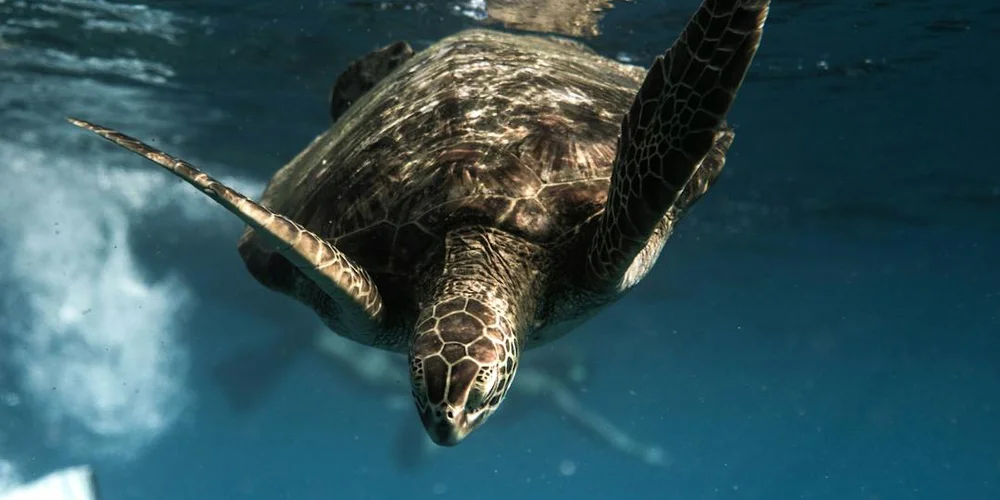
Over the years, I’ve seen well-intentioned keepers make a few critical errors regarding their box turtle’s water. Avoiding these pitfalls is fundamental to preventing stress and health issues.
Providing a Water Dish That’s Too Deep or Slippery
A deep, steep-sided dish is a drowning risk. A slick ceramic or glass bowl can cause your turtle to struggle and panic.
- Choose a shallow, heavy terracotta plant saucer.
- It should be easy for your turtle to walk in and out of.
- The water depth should not submerge their head completely unless they choose to dip it.
Neglecting Daily Water Changes
Stagnant water is a breeding ground for bacteria. Turtles often defecate in their water, contaminating it quickly. I make it a habit to refresh Orwell’s water first thing every morning, without fail.
- Change the water at least once daily.
- Scrub the dish with a dedicated brush weekly to prevent biofilm.
- Use dechlorinated water, as chlorine can irritate their eyes and skin.
Assuming They Get Enough Water from Their Food
While foods like berries and leafy greens provide some moisture, it is never enough. Fresh, standing water is non-negotiable for proper kidney function and hydration. Dehydration is a silent killer in reptiles.
Mistaking Soaking for Swimming
Box turtles are not basking turtles like sliders. They do not need, nor typically want, a large swimming area. Their primary need is for a soaking dish, not a pool. Forcing them into deep water can cause immense stress.
FAQs
What is the ideal water to land ratio in a box turtle habitat?
Aim for about 20-30% of the enclosure to include water areas, such as a shallow dish for soaking. The majority should consist of dry land with substrates and hiding spots to support their terrestrial nature.
Do box turtles prefer water or land environments?
Box turtles are primarily land-dwelling but need regular access to water for drinking and soaking. They thrive in habitats that balance both elements, allowing them to move freely between dry and moist areas. In the wild, box turtles are commonly found in deciduous forests, along forest edges, and near ponds or streams.
Where can I buy a suitable water dish for my box turtle?
Look for shallow, sturdy dishes at pet supply stores, online marketplaces, or reptile specialty shops. Choose non-porous materials like ceramic or plastic to ensure easy cleaning and durability.
How can I find a water dish for my box turtle nearby?
Visit local pet stores, garden centers for plant saucers, or general retailers that carry animal supplies. Always check that the dish is shallow and stable to prevent accidents in the habitat.
Are box turtles water-resistant?
Box turtles have semi-aquatic adaptations but are not fully waterproof and can struggle in deep water. Their shells offer some protection, but they rely on shallow, accessible water sources to stay safe and hydrated.
Caring for Your Box Turtle
To keep your box turtle healthy, always provide a shallow water dish for drinking and soaking, and maintain a habitat with both dry land and humid hiding spots. This balance is the cornerstone of replicating the moist forests and meadows they naturally call home. When you create a bioactive enclosure for a box turtle, include safe plants and a cleanup crew to help manage waste and humidity. This natural setup supports a healthier, more stable environment that mirrors their native habitats.
Your commitment to learning about their specific needs is the most powerful form of care you can offer. Stay curious, keep observing your turtle’s behaviors, and your journey in pet turtle care will be as rewarding for you as it is vital for them. This care approach is the core of our essential guide for land and aquatic turtle care. It helps you tailor your care to their unique habitats and needs.
Further Reading & Sources
- Box Turtle Care: A Comprehensive Pet Guide
- Talk to me about water needs of a box turtle | Tortoise Forum
- What’s a Good Size for a Box Turtle Bath/Water Dish? | Box Turtle World
- Box Turtles Care Guide and Health Tips | Wildwood Veterinary Hospital
Matthew is a dedicated turtle enthusiast and conservationist with over 15 years of experience in reptile care. Known affectionately as "The Leatherback" among his peers, he combines his passion for turtles with a commitment to educating pet owners on responsible turtle care and environmental stewardship.
Terrestrial Turtles