
What Is a Box Turtle and Where Does Its Name Come From?
If you’ve ever wondered why a box turtle is called a ‘box’ turtle, the answer is hiding in plain sight, cleverly built into its very own shell. It’s a name that perfectly describes its most remarkable survival feature.
In this article, you’ll learn about: the box turtle’s unique hinged shell, its natural habitat and behavior, its diet and lifespan, and how to help conserve these gentle creatures.
The Shell That Made the Name
Look closely at a box turtle’s underside, and you’ll find the secret to its name. The plastron, that’s the bottom part of the shell, has a unique hinge. This special hinge allows the turtle to pull the front and back sections of its plastron completely upward, sealing the shell shut like a perfectly fitted box lid. I’ve watched my own box turtle, Orwell, do this countless times when he feels startled. His head, tail, and all four legs disappear inside, leaving no gaps for a curious nose or beak to poke through.
A Name Forged in Self-Defense
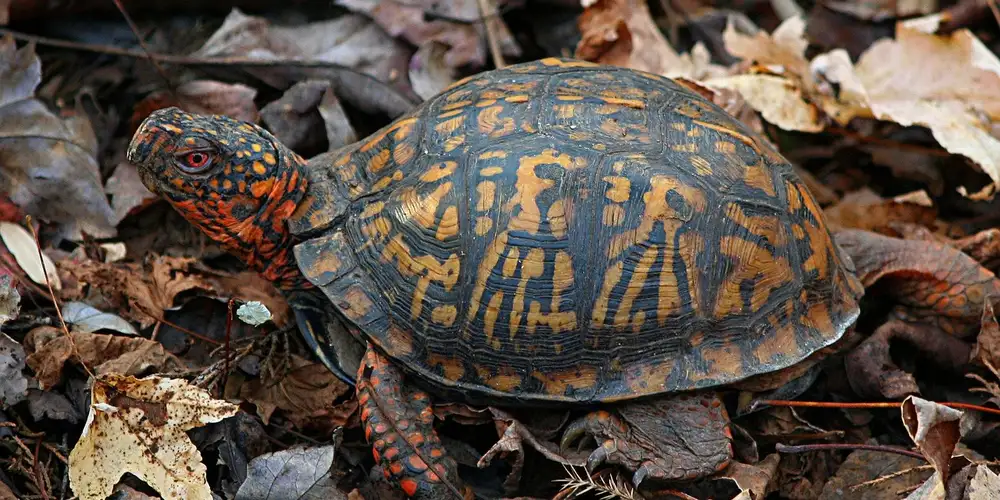
This remarkable ability isn’t just for show; it’s a primary survival strategy. When a predator like a raccoon or a fox tries to flip a box turtle over, it expects an easy meal. Instead, it finds an impregnable, sealed fortress. By pulling its body parts safely inside and locking the “box,” the turtle transforms its shell from a simple shield into an impenetrable vault. This defensive maneuver is so effective and distinctive that it became the very source of the turtle’s common name. It’s a name born directly from its most brilliant act of self-preservation.
More Than Just a Name: The Box Turtle’s World
The name “box turtle” is more than a cute label; it describes a fundamental survival strategy. That remarkable hinged plastron acts like a drawbridge, allowing the turtle to completely seal itself inside its bony fortress. I’ve seen my own box turtle, Orwell, do this in a flash when a shadow spooked him. One moment he’s ambling along, the next he’s an impregnable box.
This unique anatomy dictates their entire lifestyle. Unlike many aquatic turtles that rely on speed and water for escape, box turtles are terrestrial masters of defense. Their world is the forest floor, a realm of leaf litter, damp soil, and dappled sunlight. They are not diggers who create deep burrows, but rather architects of shallow forms—depressions they settle into that perfectly match their shell’s contour. In the wild, their shell serves as armor. They defend themselves by retreating into it and remaining motionless, often camouflaged against leaf litter.
Their connection to their home territory, or home range, is profound. A box turtle may spend its entire life within an area the size of a few football fields, learning every hiding spot, sunning log, and seasonal food source. Moving one can be like dropping a person in a foreign city without a map—deeply disorienting and stressful. This is why relocating wild box turtles is strongly discouraged. In pet care, those same space needs apply: a captive habitat should allow roaming, basking, and exploration. Space and enrichment are essential for welfare.
Common Box Turtle Species You Might Meet
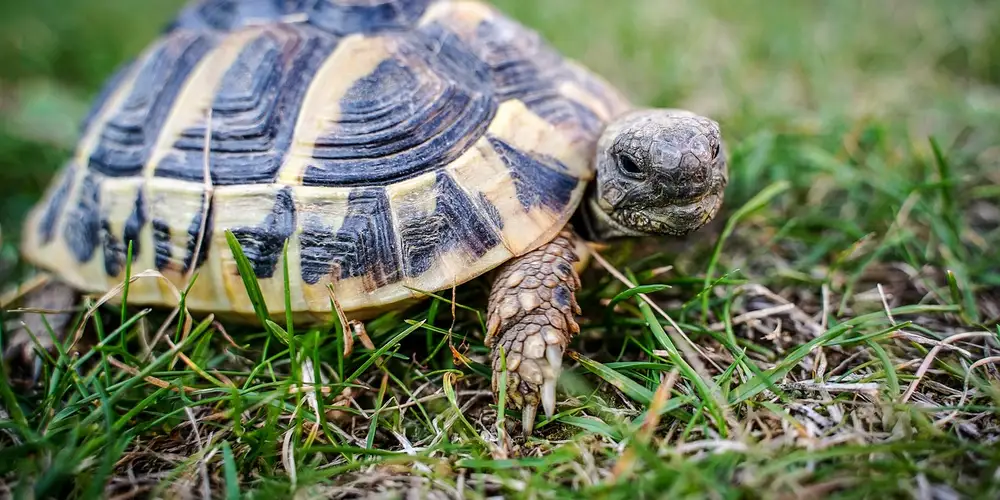
While all box turtles share that characteristic hinge, several distinct species grace different parts of the country. Recognizing them helps us provide better care and understand their natural needs.
- Eastern Box Turtle: This is the classic, most widely recognized species. Their high-domed shells showcase a spectacular mosaic of yellow, orange, and olive patterns on a dark background. Males often have bright red eyes, while females’ eyes are typically a deep brown.
- Three-Toed Box Turtle: As the name implies, they usually have three toes on their hind feet instead of four. Their coloration is often more subdued, with less vibrant patterning and a tendency toward olive-brown shells. They have a calm, unassuming demeanor.
- Ornate Box Turtle: A turtle of the central grasslands, their shell is a work of art. Look for radiating yellow lines on a dark shell, resembling a starburst pattern. They are more tolerant of drier conditions than their forest-dwelling cousins and are true sun-worshippers.
- Gulf Coast Box Turtle: The largest of the common species, they often have a strikingly domed shell and can display very vibrant yellow and brown markings. They thrive in the humid coastal plains.
Beyond these, there are other wonderful species like the Florida Box Turtle and the Mexican Box Turtle. Each species has evolved for its specific habitat, which is why understanding their origin is the first step to replicating it in captivity. My Orwell, for instance, is an Eastern Box Turtle, and his enclosure is filled with moist leaf litter and hiding places to mimic his native woodland home.
Considering a Box Turtle as a Pet?

Box turtles are wonderful companions, but they are a significant, long-term commitment. My box turtle, Orwell, has taught me that they are intelligent creatures with distinct personalities, not just decorative pets. Are pet turtles easy to care for? In practice, they’re not a low-maintenance choice— they require specialized, long-term care for decades. Before you decide, honestly assess if you can provide specialized care for decades.
Caring for Your Box Turtle
A box turtle’s health and happiness are directly tied to the quality of its care. Providing a proper environment is the single most important thing you can do for your shelled friend. It goes far beyond just a tank and a heat lamp. To help you separate facts from fiction, this guide debunks 6 common myths about turtle shell health care. You’ll learn what genuinely matters for your box turtle’s shell and overall well-being.
Creating the Perfect Habitat
Think of their habitat as a small, controlled slice of the wild. A simple aquarium is often too small. I learned this the hard way with Orwell.
- Enclosure Size: A minimum of a 4×2 foot enclosure is necessary for one adult turtle. Larger is always better.
- Substrate: Use a deep layer of organic topsoil, coconut coir, or cypress mulch. They love to dig and burrow.
- Hiding Spots: Provide multiple secure hides, like half-logs, cork bark rounds, or opaque plant pots turned on their side.
- Water Feature: A shallow, easy-to-access water dish large enough for the turtle to soak in is non-negotiable.
Heat, Light, and Humidity
Replicating their natural climate is not optional; it’s essential for their metabolism and shell health.
- Temperature Gradient: Create a warm basking area of 85-90°F and a cooler area around 75°F. Orwell always chooses his spot based on his mood.
- UVB Lighting: A high-quality UVB bulb is critical for processing calcium and preventing metabolic bone disease. Replace the bulb every 6-12 months, even if it still lights up, as the UV output diminishes.
- Humidity Levels: Maintain 60-80% humidity. This can be achieved with a deep substrate, daily misting, and a humidity-retaining cover over part of the enclosure.
Feeding Your Box Turtle
Box turtles are omnivores with a varied palate. A monotonous diet leads to nutritional deficiencies.
- Protein Sources: Offer earthworms, slugs, snails, and commercially raised insects like crickets and dubia roaches.
- Vegetables & Fruits: Provide a colorful mix of dark leafy greens (dandelion, collard), squash, bell peppers, and berries. Fruit should be a treat, not a staple, due to its high sugar content.
- Calcium Supplementation: Lightly dust their food with a calcium powder (without vitamin D3 if using a UVB light) 2-3 times a week.
Long-Term Health and Conservation
Owning a box turtle is a commitment that can span decades, not years. These remarkable creatures can live for 50 years or more with proper care, becoming a lifelong companion. I’ve learned this firsthand through my box turtle, Orwell, whose thoughtful gaze reminds me daily of the long-term responsibility I’ve undertaken.
Common Health Challenges
Box turtles are hardy, but they face specific health issues you must vigilantly monitor.
- Respiratory Infections: Often signaled by wheezing, bubbly nostrils, or lethargy. This is frequently caused by incorrect temperatures or humidity.
- Metabolic Bone Disease (MBD): A serious condition from insufficient UVB light or poor diet, leading to a soft, deformed shell and weak bones.
- Shell Rot: A fungal or bacterial infection that causes pits, discoloration, or a foul smell on the shell, typically from a perpetually damp, dirty habitat.
- Vitamin A Deficiency: Manifests as swollen eyelids and lack of appetite. A diet rich in dark, leafy greens and the occasional orange vegetable helps prevent this.
Prevention is always simpler and kinder than treatment, making a well-maintained habitat your turtle’s best health insurance. By keeping a close eye on your turtle, you can watch for the most critical health issues and catch them early.
The Plight in the Wild
While we focus on caring for our pets at home, their wild cousins face significant threats. Habitat destruction from urban development and agriculture is the single greatest danger to wild box turtle populations. Roads fragment their territories, leading to countless fatalities. Understanding these habitat myths is crucial for keeping your pet safe. The guide “Setting It Straight: 9 Turtle Habitat Myths That Could Hurt Your Pet” debunks common misconceptions and promotes safer home habitats.
The illegal pet trade also takes a heavy toll. Never, ever remove a box turtle from the wild to keep as a pet. If you find an injured one, contact a licensed wildlife rehabilitator. If you choose to share your life with one, always seek a captive-bred animal from a reputable breeder or rescue organization. Ethical considerations should guide whether to keep a turtle as a pet. Turtles often require long-term care and precise housing and diets, so responsible sourcing matters.
How You Can Make a Difference
Your role in box turtle conservation extends far beyond your own backyard.
- Support organizations dedicated to reptile conservation and habitat preservation.
- If you live in their native range, create a turtle-friendly garden with shallow water sources and hiding places.
- Educate your friends and family about the importance of leaving wild turtles in the wild.
- Report any sightings of sick or injured wild turtles to local wildlife authorities.
Every small action contributes to ensuring these ancient, fascinating animals thrive for generations to come.
FAQs
What is the historical origin of the name “box turtle”?
The name “box turtle” was coined by early European settlers in America who observed its ability to seal itself inside its shell. This descriptive term highlighted the unique hinged plastron that functions like a box lid for protection.
Why are box turtles specifically referred to as American in origin?
Box turtles are native primarily to North America, with species like the Eastern and Ornate box turtles evolving there. The name reflects their geographic distribution and prominence in American wildlife and pet care contexts. In the wild, box turtles typically inhabit forests, meadows, and wetlands across eastern and central North America. They shelter in leaf litter and roam for fruits, fungi, and insects.
How did American naturalists influence the naming of box turtles?
American naturalists in the 18th and 19th centuries documented box turtles, emphasizing their defensive shell hinge in classifications. Their work helped standardize the common name “box turtle” in scientific and popular literature.
Are all box turtle species found exclusively in the United States?
While most box turtle species are endemic to North America, some ranges extend into Mexico, but they are largely associated with U.S. habitats. This American connection is why the name often includes regional references in care guides. Understanding their wild habitats helps guide responsible pet care. In homes, enclosures should mimic natural environments with sunlit basking spots, moisture, and leaf litter.
What makes the box turtle’s name distinct from other turtle names in America?
The name “box turtle” directly describes its unique shell-closing ability, unlike aquatic turtles named for their environment. This functional naming sets it apart in American herpetology and pet turtle terminology.
A Name That Fits the Shell
We’ve uncovered that a box turtle’s name comes from its unique hinged plastron, a biological marvel that allows it to completely enclose itself within its shell for protection. Providing a habitat that mimics their wild environment, with plenty of space to roam and places to hide, is fundamental to their well-being.
Caring for a box turtle is a long-term commitment that requires a dedication to understanding their specific needs. I encourage you to continue learning, connect with experienced keepers, and always prioritize the health and natural behaviors of your shelled companion.
Further Reading & Sources
- Box turtle – Wikipedia
- Common box turtle – Wikipedia
- Species Spotlight – Woodland Box Turtle (U.S. National Park Service)
- How did the box turtle get its name? – YouTube
Matthew is a dedicated turtle enthusiast and conservationist with over 15 years of experience in reptile care. Known affectionately as "The Leatherback" among his peers, he combines his passion for turtles with a commitment to educating pet owners on responsible turtle care and environmental stewardship.
Terrestrial Turtles