
How Big Do Box Turtles Get? (Size and Growth Guide)
If you’re wondering about your box turtle’s ultimate size and whether your current setup will support its growth, you’re not alone-many caretakers share this concern for their shelled friend’s comfort and health.
In this guide, we cover: average size ranges, growth stages, factors influencing size, and practical care advice to support healthy development.
Understanding Box Turtle Size and Growth
Adult box turtles generally reach a carapace length of 4.5 to 7 inches, with many comfortably settling around the 5 to 6-inch mark.
Hatchlings are incredibly small, often emerging at just over an inch long, which makes them surprisingly delicate.
The carapace is the top dome of the shell, while the plastron is the flat bottom section that hinges closed.

You measure a turtle’s size from the front to the back of the carapace, not including the head or tail.
My box turtle, Orwell, is a perfect example of this size variation; he’s a sturdy 6 inches long, but his plastron has a unique flexibility that allows him to seal himself inside completely.
Box Turtle Growth Rate and Timeline
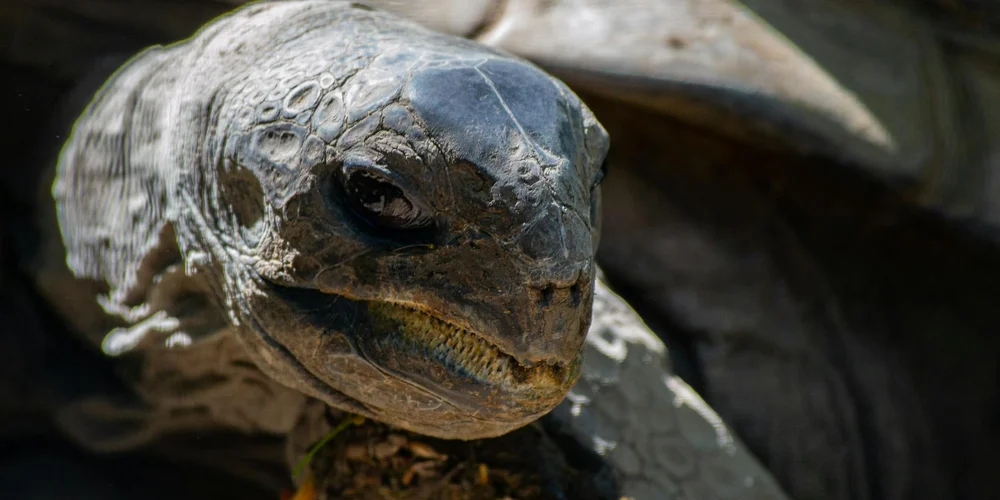
Their growth is a slow, steady process, not a rapid sprint.
From a tiny hatchling, they will typically double in size within their first year.
Box turtles grow much more slowly than many popular aquatic turtles, like sliders, which can reach adult size in just a few years. In fact, red-eared sliders are known for their rapid growth compared to other species.
This leisurely pace is a natural adaptation for a long-lived terrestrial species.
Growth Timeline Milestones
- Hatchling (0-1 year): 1 – 2 inches
- Juvenile (1-5 years): 2 – 4 inches
- Sub-Adult (5-7 years): 4 – 5.5 inches
- Adult (7+ years): 5.5 – 7 inches
Factors Influencing Growth Speed
Several key elements determine how quickly a box turtle reaches its full size.
- Diet: A balanced, calcium-rich diet is fundamental for proper shell development.
- Habitat: Turtles with access to proper UVB lighting and space to roam tend to develop more robustly.
- Genetics: Just like people, some turtles are simply predisposed to be a bit larger or smaller.
- Health: Underlying health issues or parasites can significantly stunt growth.
Rapid growth from overfeeding can be just as harmful as stunted growth, often leading to pyramiding of the scutes.
I’ve monitored Orwell’s growth carefully, ensuring his diet and habitat support a healthy, gradual increase in size rather than a forced one.
Species-Specific Box Turtle Sizes
Eastern Box Turtle Size
Eastern box turtles are one of the larger subspecies you might welcome into your home. Adults typically reach a carapace length of 4.5 to 6 inches (11 to 15 cm). Their high-domed shells feel substantial and heavy for their size, especially when you consider how long they take to grow.
- Weight generally falls between 1 to 2 pounds (0.45 to 0.9 kg).
- The shell is often a beautiful mosaic of browns, oranges, and yellows.
- Females are frequently slightly larger than males, a common trait in many turtle species.
Three-Toed Box Turtle Size
These charming turtles tend to be a bit more compact. You can expect a three-toed box turtle to max out around 4.5 to 5 inches (11 to 13 cm). They are generally smaller than their Eastern cousins. If you’re curious about bigger species, there are full-size growth charts that include painted turtles for comparison. These charts help show how adult sizes can vary across species.
- They have a more subdued, earth-toned coloration compared to the vibrant Easterns.
- In my experience, three-toeds seem to reach their full size a little more slowly but steadily.
- Their smaller stature makes them a great choice for many indoor enclosure setups.
Ornate Box Turtle Size
Ornate box turtles are the smaller jewels of the group. A typical ornate will measure 4 to 5 inches (10 to 13 cm) as a full-grown adult. Their size is heavily influenced by their native prairie habitat.
- Food availability and climate in their wide-open homes can lead to size variations.
- They possess a uniquely flattened shell compared to the domes of other species.
- Their growth can be quite rapid in the first few years before plateauing.
Box Turtle Size Chart by Age and Species
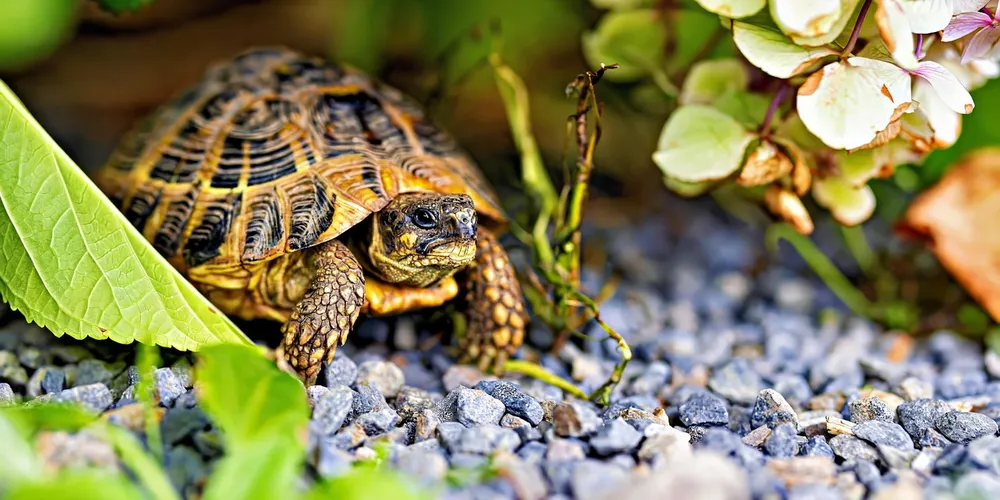
This chart gives you a quick visual guide to track your turtle’s development. Remember, these are averages, and individual growth can vary based on diet, health, and environment. For a more precise age estimate, refer to our complete visual guide to determine your turtle’s age.
| Species / Age | Hatchling (0-1 year) | Juvenile (1-5 years) | Adult (5+ years) |
|---|---|---|---|
| Eastern Box Turtle | 1-1.5 in (2.5-4 cm) 0.5-1 oz (14-28 g) |
2.5-4.5 in (6-11 cm) 6-12 oz (170-340 g) |
4.5-6 in (11-15 cm) 1-2 lbs (0.45-0.9 kg) |
| Three-Toed Box Turtle | 1-1.3 in (2.5-3.3 cm) 0.4-0.8 oz (11-23 g) |
2-3.5 in (5-9 cm) 4-10 oz (113-283 g) |
4.5-5 in (11-13 cm) 0.8-1.5 lbs (0.36-0.68 kg) |
| Ornate Box Turtle | 0.8-1.2 in (2-3 cm) 0.3-0.6 oz (8-17 g) |
2-3 in (5-7.5 cm) 3-8 oz (85-227 g) |
4-5 in (10-13 cm) 0.6-1.2 lbs (0.27-0.54 kg) |
Proper Enclosure Size for Box Turtles
Your box turtle’s enclosure is their entire world, so getting the size right is one of the most important things you can do for their well-being. It’s especially crucial for beginners to understand this aspect when learning how to care for a pet box turtle.
A good rule of thumb is to provide a minimum of 3 square feet of floor space for every 8 inches of your turtle’s shell length. When planning a pet turtle habitat, space requirements are a key factor. Adequate room supports activity, basking, and overall health.
Minimum Enclosure Dimensions
For a single adult box turtle, aim for an enclosure that is at least 4 feet long by 2 feet wide. This gives them room to roam, forage, and explore. However, it’s also important to consider what size enclosure your turtle or tortoise actually needs based on their species and growth potential.
Think of it this way: if your turtle can cross its home in just a few steps, it’s too small. They need space for a proper routine.
Scaling the Habitat for Growth
Start small with a hatchling, but plan for expansion. A 20-gallon long tank works for a baby.
Upgrade the enclosure every time your turtle outgrows its current space, typically every 1-2 years in their early life. Never wait until they seem cramped.
I built my box turtle Orwell’s current home as a custom wooden tortoise table, and watching him utilize every inch confirms it was worth the effort.
Personal Enclosure Setup Experience
My turtle Orwell lives in a 6×3 foot enclosure. I’ve observed that he uses different zones throughout the day.
- He has a deep digging area in one corner filled with soft soil.
- His basking spot is on the opposite end, creating a nice temperature gradient.
- A shallow water dish big enough for him to sit in is centrally located.
This setup prevents boredom and encourages natural behaviors.
Space for Different Life Stages
- Hatchlings (0-1 year): A 20-gallon long tank (30″ x 12″) is a safe start.
- Juveniles (1-4 years): Upgrade to a 40-gallon breeder tank (36″ x 18″) or similar-sized tub.
- Adults (5+ years): Provide a permanent, spacious enclosure no smaller than 4′ x 2′. Larger is always better.
Providing ample space from the start is the single best way to support a steady, healthy growth rate.
Factors Affecting Box Turtle Growth and Size
Genetics set the blueprint, but your care determines whether your turtle reaches its full, healthy size.
How Diet Impacts Growth
Nutrition is the fuel for growth. A poor diet doesn’t just slow them down; it can cause permanent deformities.
I learned early on that a protein-heavy diet, like too many worms, can cause shell pyramiding-a bumpy, unhealthy shell.
Aim for a balanced mix:
- 50% protein: earthworms, snails, slugs.
- 40% vegetables: dark leafy greens, squash, mushrooms.
- 10% fruit: berries, melon (as a treat).
Calcium is non-negotiable for strong bone and shell development. I always keep a cuttlebone in Orwell’s enclosure.
Habitat Quality and Space
A cramped turtle is a stressed turtle, and stress directly inhibits growth.
Beyond just floor space, the quality of that space matters immensely. They need a proper thermal gradient-a warm basking area around 85-90°F and a cooler area around 70-75°F.
Without this temperature variation, their metabolism can’t function correctly, which directly impacts how they process food and grow.
Health Factors Influencing Growth
Underlying health issues are a major, often overlooked, growth stunter.
- Parasites: Internal parasites steal vital nutrients. A fecal exam by a vet is a wise precaution.
- Respiratory Infections: Often caused by incorrect humidity or temperatures, these make a turtle lethargic and unwilling to eat.
- Metabolic Bone Disease (MBD): Caused by insufficient UVB light or dietary calcium, leading to soft shells and poor growth.
Tips for Supporting Healthy Growth
Consistency is your greatest tool. Here’s what works in my routine:
- Provide a constant source of UVB light for 10-12 hours a day to enable calcium absorption.
- Maintain humidity levels between 60-80% to support hydration and a healthy shell.
- Weigh and measure your turtle monthly. A kitchen scale and a soft measuring tape are perfect. A steady upward trend is what you want to see.
- Offer a varied diet. Rotate their protein and vegetable sources weekly to ensure a full spectrum of nutrients.
Patience is key. A box turtle’s growth is a slow, graceful marathon, not a sprint. Celebrate the small milestones.
FAQs
How big do bog turtles get?
Bog turtles are among the smallest turtle species in North America, typically reaching just 3 to 4.5 inches in carapace length as adults. Their small size and specific habitat needs make them quite different from common box turtles.
What is the average size of a Florida box turtle?
Florida box turtles generally grow to about 4 to 6 inches in shell length, similar to many other box turtle subspecies. They often have vibrant shell patterns and a sturdy build typical of terrestrial turtles.
What is the largest species of box turtle?
The Gulf Coast box turtle is often considered the largest subspecies, with some individuals reaching over 7 inches in carapace length. Their size is influenced by the rich, humid environments they inhabit in the wild. People often wonder how big pet turtles can grow. In captivity, size depends on species, diet, and enclosure, so some turtles may reach near their wild maximum while others stay smaller.
Can I house multiple box turtles together?
Housing multiple box turtles together requires a significantly larger enclosure to reduce stress and aggression, such as at least 8 square feet per additional turtle. Always monitor for territorial behavior and provide multiple hiding spots and feeding areas to prevent conflicts. When setting up an outdoor enclosure for box turtles, ensure it’s predator-proof and provides sun, shade, and natural moisture. Provide evenly distributed hiding spots and feeding stations throughout to minimize territorial disputes.
Why do ornate box turtles tend to be smaller?
Ornate box turtles are adapted to prairie habitats with fluctuating resource availability, which naturally limits their growth compared to forest-dwelling subspecies. Their flattened shell and smaller size help them thrive in open, grassy environments where camouflage and efficiency are key.
Your Box Turtle’s Growth Journey
Box turtles typically grow to 4-7 inches, with their size shaped by diet, habitat, and genetics. Provide a spacious enclosure and varied nutrition to support steady, healthy growth throughout their lives.
Commit to lifelong learning about turtle care, as each species has unique needs that evolve over time. Responsible ownership means creating a safe, enriching home that honors their natural behaviors and promotes well-being. This essential guide for land and aquatic turtles helps you tailor habitat, diet, and enrichment to each species.
Further Reading & Sources
- How Big Do Box Turtles Get? Size & Growth Chart | Hepper Pet Resources
- How Big Do Box Turtles Get? Vet-Verified Average Weight & Growth Chart | PangoVet
- Box Turtle Guide
- Ornate Box Turtle Care Sheet | ReptiFiles
Matthew is a dedicated turtle enthusiast and conservationist with over 15 years of experience in reptile care. Known affectionately as "The Leatherback" among his peers, he combines his passion for turtles with a commitment to educating pet owners on responsible turtle care and environmental stewardship.
Terrestrial Turtles