
How to Set Up the Perfect Painted Turtle Tank
Are you feeling a bit overwhelmed about creating a safe, healthy home for your painted turtle, worried you might miss something crucial like water quality or temperature control? I remember my own early days with reptiles-caring for my tortoise Austen taught me that a proper habitat isn’t just about looks; it’s about giving your pet a life where they can truly flourish.
In this guide, we’ll cover tank size, water filtration, heating, lighting, diet, and habitat enrichment to set up a space where your turtle thrives.
Painted Turtle Habitat Fundamentals
Painted turtles are sun-worshipping swimmers, spending their days basking on logs and foraging in the weedy shallows of ponds and slow-moving rivers. Their entire life rhythm is tied to this dynamic balance of warm basking spots and cool, clean water for swimming and hunting.
Replicating this environment isn’t just about aesthetics; it’s about honoring their instincts. A proper setup prevents stress-related illnesses, supports a robust immune system, and encourages natural, engaging behaviors. A stressed turtle is a sick turtle, and a proper habitat is your first line of defense.
From watching my Russian tortoise, Austen, I’ve learned that even small environmental tweaks can transform an animal’s demeanor. Providing the right conditions allows their true, steady personality to shine through instead of one clouded by discomfort.
Essential Tank Setup Equipment
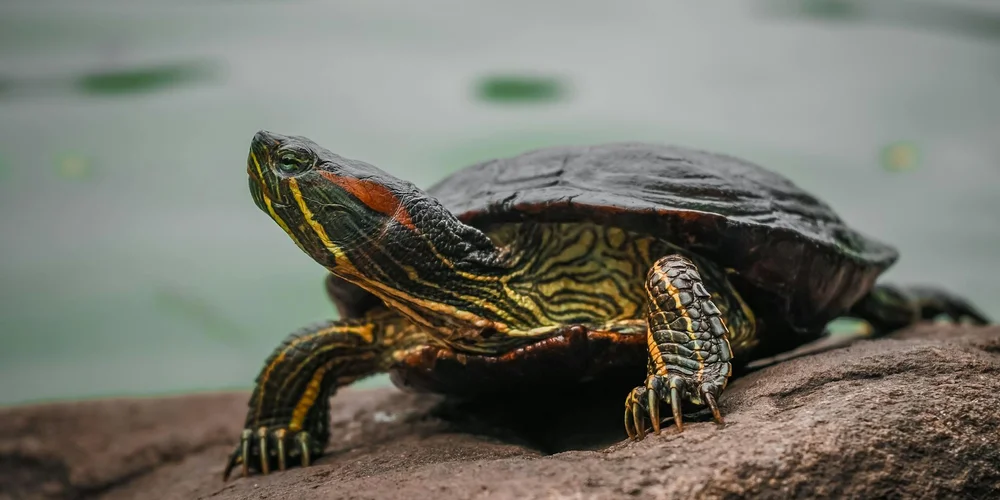
Getting the right gear is non-negotiable for a thriving painted turtle. This isn’t a place to cut corners. Investing in quality equipment from the start saves you money and heartache down the line.
Here is your must-have list:
- Enclosure: Start with a 75-gallon tank for one adult turtle. They need immense swimming space. Bigger is always better.
- Water Filter: A canister filter rated for at least twice your tank’s volume is essential. Turtles are incredibly messy.
- Heat Lamp: A basking spot must reach 85-90°F. A simple halogen flood bulb in a ceramic dome fixture works perfectly.
- UVB Lighting: A linear fluorescent UVB tube light is critical for shell health and calcium absorption. Compact coil bulbs are insufficient.
- Basking Platform: A sturdy, completely dry area positioned directly under the heat and UVB lamps.
Pre-made kits are often a trap. They typically include flimsy tanks and inadequate filters and lighting. You will always save money and get superior results by piecing together your own setup with quality components.
My Greek tortoise, Bronte, taught me the value of durable materials. I always opt for brands known for reliability over flashy, cheap alternatives. A cracked tank or a failed heater is a crisis you can easily avoid with careful selection.
Step-by-Step Habitat Assembly
-
Choose a stable spot for your tank away from direct sunlight and drafts to avoid temperature swings. I always clean mine with a vinegar-water mix to remove any residues. To clean your turtle tank properly, follow a step-by-step guide for best results. It covers sanitation, rinsing, and safe reassembly. This simple step sets a healthy foundation for your painted turtle’s home.
-
Layer the bottom with smooth aquarium gravel or sand, then add rocks and driftwood to create hiding nooks. In my setups, I’ve found that arranging these elements thoughtfully makes the tank feel more natural. A well-designed environment reduces stress and encourages exploration.
-
Fill the water area to a depth about twice your turtle’s shell length for easy swimming. Install a reliable filter to keep the water clear and free of waste. Clean, filtered water is vital for preventing skin and shell issues in aquatic turtles. Regularly testing essential water quality parameters—pH, ammonia, nitrite, nitrate, and temperature—helps ensure the turtle tank stays healthy. Ongoing monitoring and maintenance support a thriving aquatic environment.
-
Position a sturdy basking platform where your turtle can climb out completely dry. Set up UVB and heat lamps above it to mimic natural sunlight. A key step in creating the perfect basking area for your aquatic turtle is ensuring it stays dry and easily accessible. This setup supports essential behaviors like thermoregulation and drying off.
-
Run a final check for sharp edges, secure all equipment, and test water temperature and quality. These quick inspections ensure your turtle’s safety and comfort right from the start. As you diagnose your turtle’s habitat, verify lighting, basking heat, and water parameters against your habitat checklist. This helps ensure perfect conditions.
Basking and Lighting Configuration
-
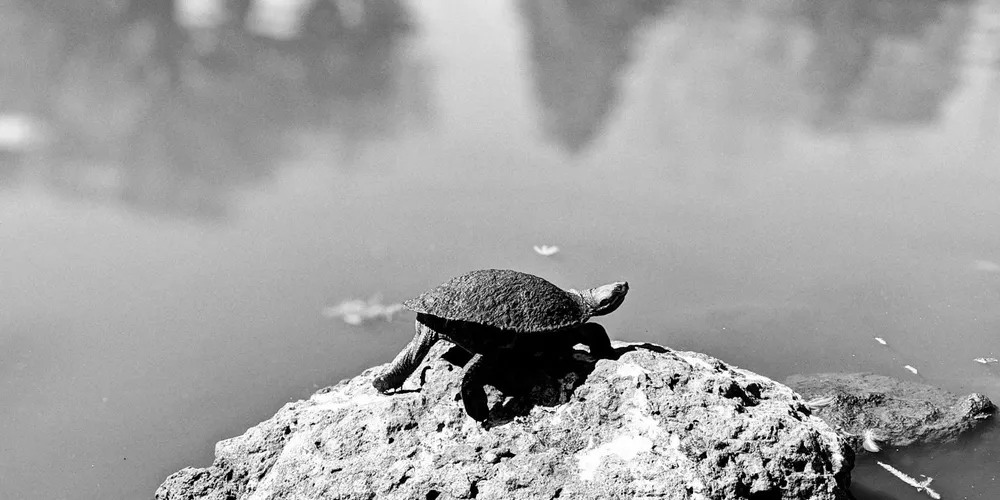
Place UVB and heat lamps to create a warm basking zone around 85-90°F, with cooler areas in the tank. A proper temperature gradient lets your turtle move between warm and cool spots as needed. For painted turtles, follow a basking platform setup lighting temperature guide. This helps balance UVB and heat for healthy shell growth and activity.
-
UVB light helps turtles produce vitamin D3 for strong shells, while heat encourages basking and digestion. Without adequate lighting, turtles can develop soft shells or become lethargic, impacting their overall health. Do turtles need heat lamps and UVB lighting? In most setups, yes—a UVB source supports vitamin D3 production, and a heat lamp provides a warm basking area crucial for digestion and activity.
-
Early on, I placed the heat lamp too close to Orwell’s basking area, making it uncomfortably hot. I fixed it by adjusting the height and using a thermometer to track temperatures. This experience raises the question of whether turtles need nighttime heat management. A concise nighttime temperature guide can help keep habitats safe after dark. Learning from such mistakes has taught me to prioritize gradual adjustments for turtle well-being.
Water Quality and Filtration Systems
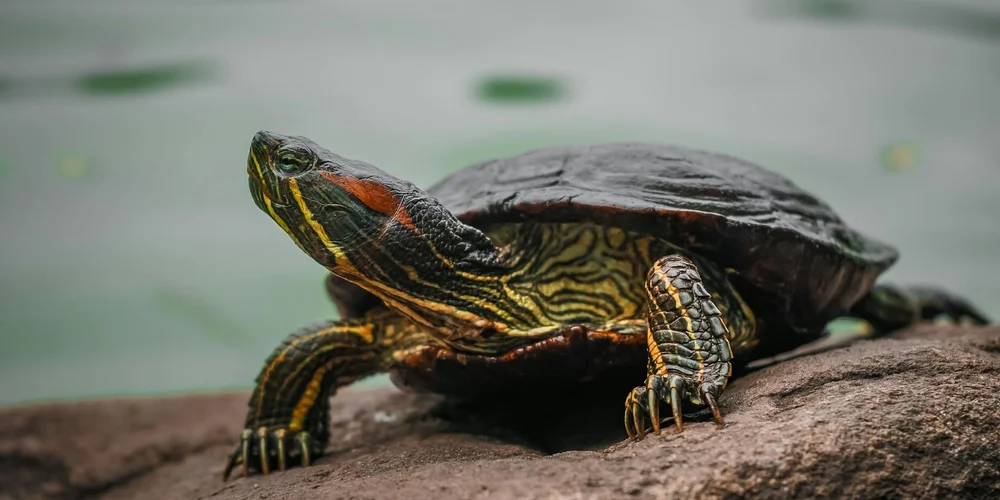
Your painted turtle’s health is directly tied to the water it swims in, making filtration the heart of the habitat. a robust filter is your primary defense against the waste these messy eaters produce. I learned this the hard way with my first turtle, Orwell, whose water would turn cloudy within days of a cleaning. And a good one won’t just keep the water clear but genuinely clean.
Choosing and Maintaining Your Filter
You have a few main options, but one stands out for most turtle keepers.
- Canister Filters: These are the gold standard. They sit outside the tank, offer superior mechanical, chemical, and biological filtration, and are relatively quiet. This is what I use for all my turtles now.
- Internal Power Filters: Good for smaller juvenile tanks but often get overwhelmed as your turtle grows and produces more waste.
- Sponge Filters: Excellent for biological filtration and very safe for hatchlings, but they do little for mechanical waste removal.
Your maintenance routine is just as critical as the filter you choose. I perform a partial water change of 25-50% every single week. Every month, I rinse the filter media in old tank water I’ve siphoned out to preserve the beneficial bacteria, never under the tap.
Adjusting Water Depth for Growth
Painted turtles grow from tiny hatchlings to substantial swimmers, and their aquatic world must grow with them.
- Hatchlings (under 4 inches): Start with a water depth of 4-6 inches. This allows them to swim easily and surface for air without struggle.
- Juveniles (4-6 inches): Gradually increase the depth to 8-12 inches as they become stronger swimmers.
- Adults (over 6 inches): Provide as much depth as your tank allows, ideally 12-18 inches. Deeper water encourages natural swimming behavior and provides more stable water quality.
A Personal Water Quality Story
I once battled persistent cloudy water with my Greek tortoise, Bronte’s, aquatic neighbor tank. I was changing filters and cleaning constantly. The problem was overfeeding; I was putting in more food than they could eat, and the decay was fouling the water. Solving that issue taught me that clear water is a balance of proper filtration, sensible feeding, and consistent maintenance. It was a simple fix that made a world of difference for the tank’s inhabitants.
Enrichment and Ongoing Care
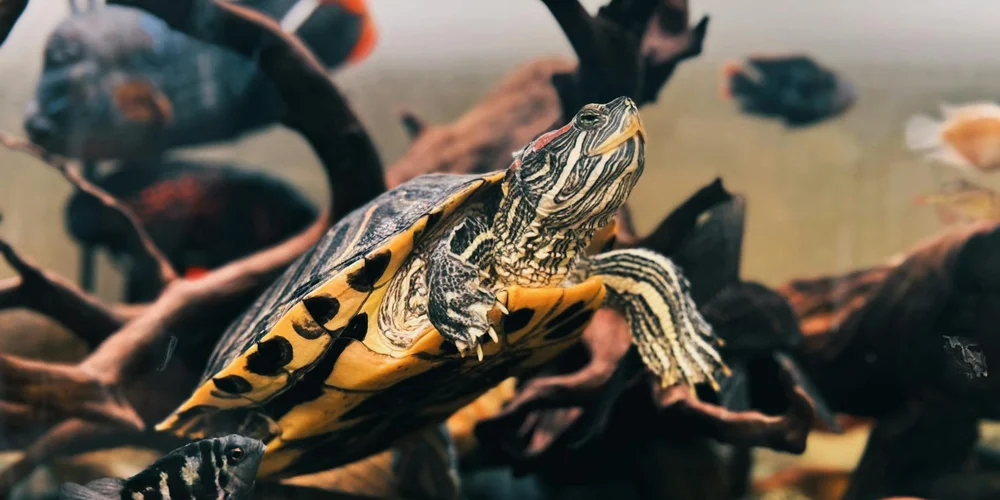
A beautiful tank is more than a decoration; it’s a dynamic environment for a curious animal. Enrichment prevents boredom and encourages the natural behaviors that keep your turtle active and healthy. My Russian tortoise, Austen, may be terrestrial, but the principle is the same-a stimulating environment is a happy one.
Aquatic Plants and Decor for Stimulation
Painted turtles will nibble on and rearrange their surroundings, so choose items that are safe and engaging.
- Live Plants: Anacharis, Java Fern, and Amazon Swords are tough and help improve water quality. They provide hiding spots and something to investigate.
- Hardscape: Smooth, large river rocks and driftwood create a natural-looking landscape. They offer basking areas and obstacles to swim around.
- Hiding Caves: Commercial turtle caves or clean, half-buried clay pots give your turtle a secure place to retreat and feel safe.
Linking Habitat to Diet and Health
The environment you create directly impacts your turtle’s nutritional intake and your ability to monitor its well-being.
A proper basking area with the right temperature ensures your turtle can properly digest its food. Without it, they can suffer from metabolic issues. I watch my turtles during feeding time; a sudden lack of appetite is often the first sign of a habitat problem, like incorrect water temperature. A well-planted tank can also provide trace nutrients they might graze on.
Regular Check-ups and Animal Welfare
Caring for a turtle is a long-term commitment to its welfare. Establishing a relationship with an exotic veterinarian is one of the most responsible things a turtle owner can do. I take my turtles for a wellness check annually, just like a cat or dog.
At home, I make a habit of a weekly “turtle inspection.” I gently check their eyes for clarity, their shell for any soft spots or cracks, and their skin for abnormalities. This proactive care helps you catch potential issues early, ensuring your aquatic friend lives a full and comfortable life. When performing a safe shell inspection on your turtle, handle them gently on a non-slip surface and limit handling to reduce stress. If you notice any concerning signs, consult a reptile veterinarian promptly.
FAQs
What are the key components of a painted turtle tank setup?
A proper setup requires a spacious tank, a powerful filtration system, and appropriate heating and lighting. Including a dry basking area and safe decor helps replicate their natural habitat and supports overall health.
Are pre-made tank setup kits suitable for painted turtles?
Pre-made kits often fall short because they typically include weak filters and inadequate lighting. Assembling your own setup with high-quality, individual components ensures a safer and more effective environment for your turtle.
How much does it cost to set up a painted turtle tank?
Initial costs can range from $300 to $600 or more, depending on the size and quality of equipment like the tank, filter, and lights. Investing in durable gear from the start can reduce long-term expenses and prevent common issues.
Your Thriving Turtle Habitat Awaits
Creating the perfect home for your painted turtle boils down to providing ample swimming space, maintaining pristine water quality, and offering a balanced habitat with proper basking and hiding spots. When you get these core elements right, you’re building the foundation for a long, healthy, and vibrant life for your shelled friend.
Remember, setting up the tank is just the beginning of your journey in responsible pet turtle care. Commit to watching your turtle’s behavior closely and continuously learning, as this attentive care is what transforms a simple tank into a truly thriving ecosystem. This approach is part of the essential turtle tank setup and the complete daily, weekly, and monthly care guide. You’ll find practical steps, routines, and checklists to keep your turtle thriving.
Further Reading & Sources
- r/turtle on Reddit: Painted turtle setup?
- Painted Turtle Care Sheet | ReptiFiles
- What kind of setup is suitable for a painted turtle?
- Painted Turtle Care – CHICAGO EXOTICS ANIMAL HOSPITAL
Matthew is a dedicated turtle enthusiast and conservationist with over 15 years of experience in reptile care. Known affectionately as "The Leatherback" among his peers, he combines his passion for turtles with a commitment to educating pet owners on responsible turtle care and environmental stewardship.
Tank Size and Type