
Turtle Sale and Transport Laws: A Clear Guide
Are you wondering about the rules for buying or moving turtles? Many people worry about accidental legal missteps that could lead to fines or harm these slow-paced friends.
This article explains federal regulations, state-specific laws, sale restrictions, and safe transport practices.
Understanding Federal Turtle Laws
Federal laws set the baseline for turtle sales and transport to protect both animals and people. These regulations help ensure that pet turtles are sourced and handled responsibly, reducing risks to public health and wildlife. I’ve navigated these rules while caring for my own turtles, like Austen and Bronte, and they’ve taught me the importance of legal compliance for their well-being.
The 4-Inch Rule and Public Health
The FDA’s 4-inch rule bans the sale of turtles with shells under four inches to prevent salmonella infections, especially in children. This rule stems from outbreaks linked to small turtles, which are harder to handle and more likely to spread bacteria. When I first adopted Orwell, I made sure he met this size requirement to keep my household safe and avoid legal issues.
Salmonella can cause serious illness, so this law acts as a protective barrier. Always check a turtle’s shell length before purchase to comply with federal health standards. From my experience, reputable sellers will provide documentation, making it easier to follow this rule without guesswork. Beyond purchase, essential salmonella prevention tips for turtle owners include washing hands thoroughly after handling turtles or their habitats. Keep turtles out of kitchens and away from food preparation areas.
Protected Species Under Federal Law
Under the Endangered Species Act, certain turtles are federally protected to prevent overharvesting and habitat loss. Species like the bog turtle or some sea turtles cannot be sold or transported without special permits. Owning or handling a protected turtle generally requires the proper permits or licenses from federal or state authorities. Before acquiring one, check local regulations to ensure you’re compliant. I’ve seen how this protection helps conserve populations, as with native box turtles in some regions.
- Endangered species: Require permits for any sale or transport.
- Threatened species: May have restrictions on commercial trade.
- Common species: Still need to follow size and health rules.
Researching a turtle’s status before buying ensures you’re not accidentally supporting illegal trade. Over the years, I’ve used resources like the USFWS website to verify species protections, which has saved me from potential fines. That awareness also ties into sea turtle biology conservation, since understanding their life cycles and nesting habits informs protection efforts. Protecting habitats and reducing bycatch directly supports healthy sea turtle populations.
State Regulations for Turtle Sales
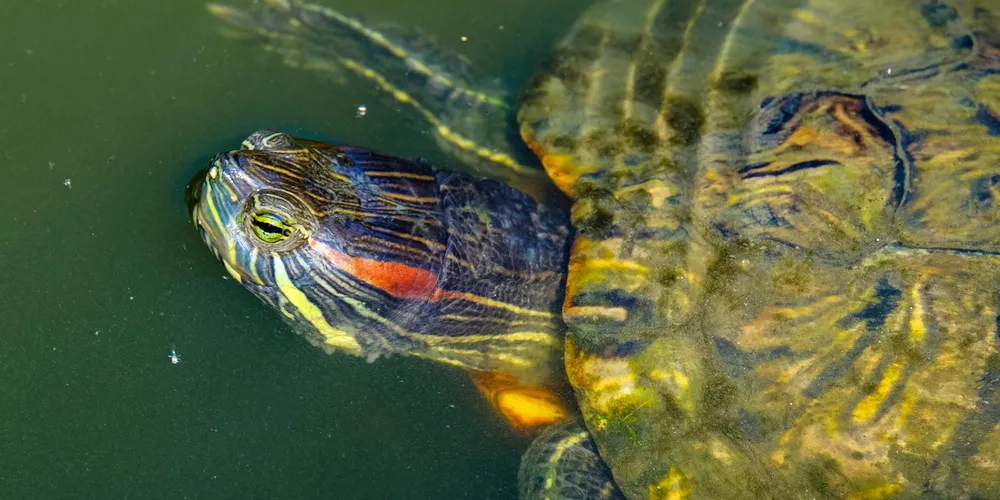
State laws often add layers to federal rules, tailoring restrictions to local wildlife needs. These variations mean what’s legal in one state might be prohibited in another, so always check your local regulations. When I moved states with Bronte, I had to update my knowledge to avoid conflicts.
Intrastate Sale Restrictions
Intrastate sales refer to transactions within a single state, and many states impose extra limits. For example, some ban the sale of native species to prevent depletion in the wild. In my home state, I’ve seen how this protects local box turtle populations from overcollection.
- Verify if your state allows sales of specific turtle species.
- Check for permits or licenses required for sellers.
- Look into size or age restrictions beyond federal rules.
Staying informed about state laws helps you make ethical choices that support animal welfare. I once helped a friend navigate these rules to adopt a rescue turtle legally, reinforcing how vital local knowledge is.
Permits and Documentation Requirements
Navigating the paperwork for turtle sales can feel like untangling seaweed, but it’s vital for their protection. Proper permits ensure that every transaction respects the well-being of these ancient creatures. Based on my years caring for turtles like Austen, I’ve seen how documentation prevents stress and health risks. You’ll often need health certificates and proof of legal acquisition. Legal restrictions also determine which species may be kept as pets. Some turtles are protected or endangered, with ownership restricted or prohibited.
- Health certificates from a licensed veterinarian
- Proof of origin to avoid illegal wildlife trade
- State-specific permits for commercial sales
License Requirements for Sellers
Selling turtles isn’t as simple as setting up a booth; it requires formal approval to uphold animal welfare. Licenses act as a safeguard, ensuring sellers understand turtle care basics. When I helped a friend start a small business, we learned that USDA licenses are common for interstate sales. This process involves inspections to confirm humane handling.
- USDA Animal Welfare Act licenses for certain species
- State business licenses tailored to reptile sales
- Endangered species permits if dealing with protected types
Transporting Turtles Legally

Moving turtles demands care to keep them safe and compliant with laws. Gentle transport reduces the risk of injury and stress, much like how I handle Bronte during vet visits. Use secure, ventilated containers and avoid extreme temperatures. Always check local regulations before any trip. For moving across the country, a pet turtle relocation guide helps you plan routes, permits, and travel timing. It also covers crate options, feeding during travel, and acclimation at the destination.
Crossing State Lines
Interstate travel with turtles involves a patchwork of rules that vary widely. Researching state laws in advance prevents legal hiccups and protects your turtle’s health. I recall a trip with Orwell where we had to show health papers at the border. Some states ban certain species entirely, so verify everything beforehand.
- Health certificates and import permits
- Quarantine requirements in destination states
- Restrictions on turtle size or species
International Turtle Transport
Shipping turtles abroad is complex, governed by treaties like CITES to prevent exploitation. International moves require meticulous planning to avoid confiscation or harm to the animal. I’ve advised friends on this; it often involves export and import licenses, plus health checks. Always work with experts to navigate customs.
- CITES permits for endangered species
- Customs declarations and veterinary inspections
- Airline-specific regulations for live animal transport
Penalties for Violating Turtle Laws

Breaking turtle protection laws carries serious weight, much heavier than their small shells suggest. Violations can lead to substantial fines, confiscation of your animals, and even federal imprisonment. I’ve seen cases where well-meaning hobbyists faced thousands of dollars in penalties for a simple, uninformed online purchase. Before bringing a turtle home, verify that it’s legal to keep as a pet in your area and obtain any required permits. Do thorough research on local laws and species-specific care to stay compliant.
Animal Welfare Act Considerations
The Animal Welfare Act sets baseline standards for humane handling and transport. For commercial sellers, this means specific crate sizes, temperature controls, and limits on journey duration. Failure to meet these standards is not just an ethical misstep; it’s a direct violation of federal law. From my own experience shipping reptiles, the paperwork and preparation are meticulous for a reason-it saves lives.
Common AWA violations in the turtle trade include:
- Overcrowding during transport, leading to stress and injury
- Inadequate temperature regulation, which can be fatal for cold-blooded animals
- Failure to provide necessary veterinary care and documentation
Responsible Turtle Ownership Starts with Legal Acquisition
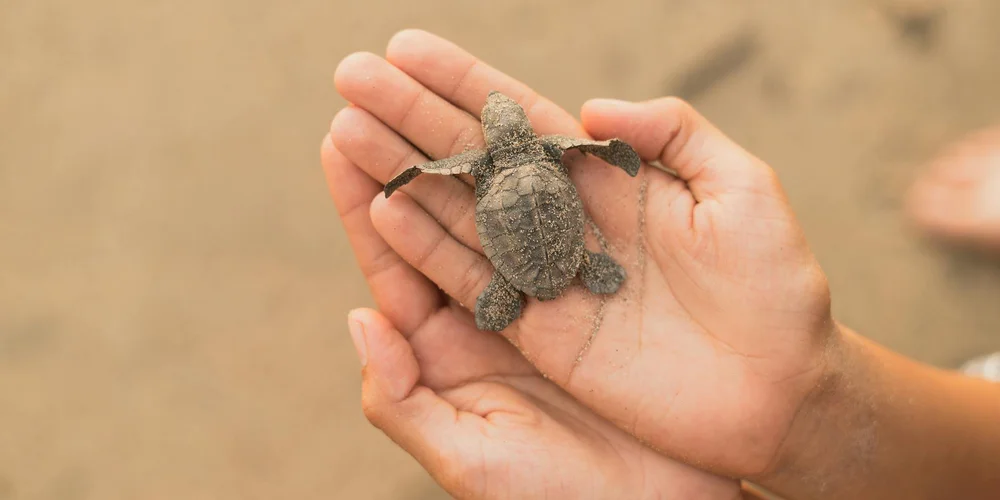
Bringing a turtle into your home is a long-term commitment, and it must begin on the right side of the law. Choosing a reputable, legal source is the single most impactful decision you can make for your future pet’s welfare. My tortoises, Austen and Bronte, came from certified breeders, and the peace of mind that brings is immeasurable. When you’re ready to acquire, a quick guide on where to buy a pet turtle can help you do so responsibly—look for licensed breeders, rescue groups, or reputable pet stores with transparent sourcing. Avoid wild-caught turtles and ensure you meet local regulations.
Your best options for legal acquisition are:
- Adopting from a verified reptile rescue organization
- Purchasing from a licensed breeder who provides full documentation
- Checking with local herpetological societies for rehoming opportunities
Always ask for proof of origin. A legitimate seller will be transparent about their practices. This simple step protects you from legal trouble and ensures you aren’t inadvertently supporting the harmful wildlife trade. It’s how we, as a community, can advocate for these incredible creatures.
FAQs
Are there age restrictions for turtle buyers?
Federal laws do not set age limits for purchasing turtles, but some states or sellers may have their own policies. Always check local rules to ensure responsible ownership and safe interactions, especially for young children.
Are captive-bred turtles preferred or required over wild-caught in sales?
Captive-bred turtles are generally preferred to minimize harm to wild populations and reduce disease risks. Many laws and guidelines encourage or mandate captive breeding to support species conservation and ethical pet trade practices. When choosing between a pet store turtle and a breeder turtle, look for transparent origin documents and health records from licensed operations. This helps ensure you select the right source that supports welfare and conservation goals.
Are there health or welfare requirements for turtles sold commercially?
Commercial sales often require health certifications from veterinarians to prevent illness transmission. Sellers must also follow welfare standards, such as providing adequate care and humane handling, to protect the turtles’ well-being during transactions.
Navigating Turtle Ownership Responsibly
Always verify the seller is reputable and confirm the turtle is legally obtained, paying close attention to the FDA’s 4-inch rule for sales. Before any move, research your specific state’s wildlife regulations and ensure you have the proper documentation for transport. This is part of a seven-day pre-purchase research checklist for prospective turtle owners. Following it can help you confirm care requirements, habitat needs, and legalities before buying.
Owning a turtle is a long-term commitment that extends far beyond just following the law. Your dedication to continuous learning about their habitat, diet, and health is the truest form of compassionate stewardship for your shelled companion.
Further Reading & Sources
- Turtle & Tortoise Laws (US, CA, UK & AU) – All Turtles
- Federal Turtle Laws
- South Carolina Governor Signs Bill to Protect Wild Turtles From Poaching, Trade – Center for Biological Diversity
- SUMMARY OF FLORIDA TURTLE LAWS – Tortoises for Sale | Baby Turtles for Sale Online | Tortoise Town
Matthew is a dedicated turtle enthusiast and conservationist with over 15 years of experience in reptile care. Known affectionately as "The Leatherback" among his peers, he combines his passion for turtles with a commitment to educating pet owners on responsible turtle care and environmental stewardship.
Travel Tips