
Turtle Brumation: Diet and Behavior Guide
Is your turtle eating less and acting sluggish as the days grow shorter? It’s natural to feel concerned, but this shift often signals brumation-a restful period that, with proper care, keeps your pet healthy.
We’ll explore diet adjustments, behavioral changes, signs of healthy brumation, and practical care tips from my experience with tortoises like Austen and Bronte.
What Is Brumation and Why Do Turtles Experience It?
Brumation is a state of dormancy in reptiles, triggered by colder weather and shorter days. Think of it not as a deep sleep, but as a significant slowing down of their entire system-a long, energy-saving rest where they might still wake for a sip of water or to shift position. This is different from mammalian hibernation, which is typically a deeper, more continuous unconscious state.
The primary seasonal cues are a consistent drop in temperature and a reduction in daylight hours. These environmental changes signal to your turtle’s internal clock that it’s time to conserve energy and wait out the less favorable season. It’s a natural, hardwired instinct for survival.
I’ve observed this firsthand with my own turtles. My Russian tortoise, Austen, becomes noticeably less active in late fall. He’ll retreat to his favorite hide for days, his once-steady patrols of the enclosure coming to a halt. Bronte, my Greek tortoise, follows a similar pattern, her graceful movements slowing to a crawl before she settles into her chosen spot for the winter. Watching this annual ritual unfold has taught me to respect their innate need for this seasonal pause.
Pre-Brumation Preparation: Setting the Stage for a Safe Rest
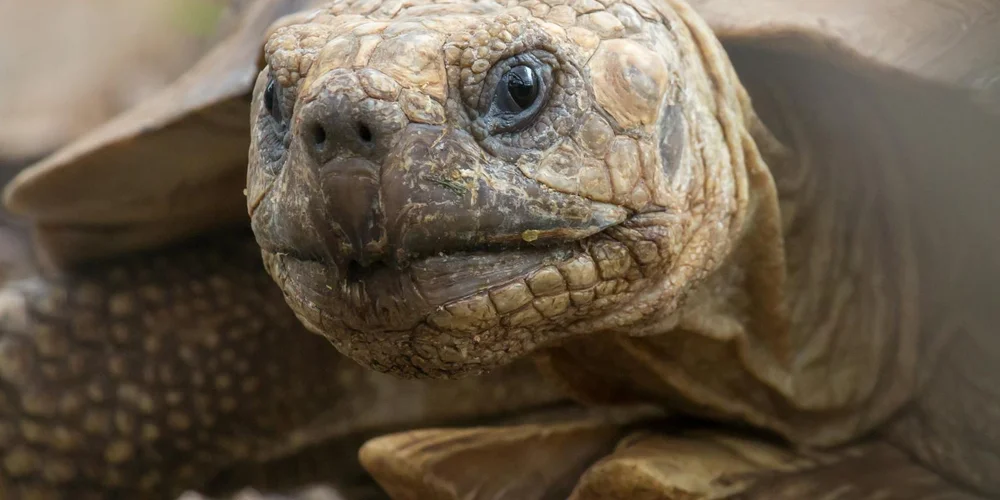
A successful brumation period hinges on careful preparation. Your goal is to ensure your turtle enters this dormant phase healthy, well-hydrated, and with ample fat reserves to last through the winter. To prepare your pet turtle for brumation, plan a gradual cooling phase and ensure proper hydration and nutrition. This preparation helps your turtle enter dormancy safely. Rushing this process can lead to serious health risks.
The first and most critical step is a pre-brumation veterinary check-up. A qualified reptile vet can perform a fecal exam to check for parasites and give your turtle a general health assessment to confirm they are a good candidate for brumation. During a routine checkup, you can expect a baseline health screen, weight measurement, and a quick shell and eye examination. The vet will also discuss any signs to watch at home and what to expect if brumation is part of the plan. This is non-negotiable for their safety.
Diet Adjustments Before Brumation
In the weeks leading up to brumation, focus on providing high-quality foods to build up their energy stores.
- Offer nutrient-dense greens like dandelion greens, endive, and escarole.
- For species that benefit from them, occasional small amounts of safe flowers like hibiscus can provide extra nutrients.
- Hydration is paramount. Soak your turtle in shallow, lukewarm water daily to encourage drinking and ensure they start brumation fully hydrated.
Dietary needs can vary by species; my Russian tortoise, Austen, thrives on a wider variety of broad-leaf weeds, while Bronte, the Greek tortoise, does well with a mix of gritty greens and the occasional opuntia cactus pad. Knowing your specific turtle’s needs is key.
Enclosure Setup for Brumation Readiness
Your turtle’s environment needs to mimic the natural cooling of the outdoors to safely trigger brumation.
- Gradually reduce the hours of UVB and heat lamp operation over a week or two.
- Create a designated cool, dark area in the enclosure, ideally between 40-55°F (4-13°C).
- Provide a deep layer of substrate like coconut coir or cypress mulch for burrowing.
- Always maintain a clean, shallow water dish that is easily accessible for occasional drinking.
A proper setup gives your turtle the agency to choose when and where to settle in, making the transition into brumation much less stressful for them. That’s all covered in our complete guide to turtle brumation and hibernation. It walks you through setup, timing, and safety to keep your turtle healthy through the process.
Behavior Changes During Brumation: A Timeline of What to Observe
Watching your turtle enter brumation is like seeing a slow, graceful tide recede from the shore. Each turtle has its own rhythm, but the progression from mild lethargy to deep rest follows a predictable, natural pattern. Watch for signs your turtle is entering brumation, such as reduced appetite and slower movement. If you notice these, adjust care for a cooler, quieter season.
My Russian tortoise, Austen, taught me that the process is a gentle slide, not a sudden drop into sleep. You’ll notice normal signs like a complete loss of interest in food and a preference for dark, secluded corners. This isn’t a sign of illness, but of an ancient, instinctual cycle kicking in.
Early Signs: Days 1-10
The first week is all about subtle shifts. Your turtle’s world begins to slow down.
- You’ll see an initial decrease in basking. Instead of spending hours under the heat lamp, they might just pop out for a few minutes.
- Their appetite will begin to wane. A favorite snack might be ignored, or they may only take a bite or two.
- They start seeking sheltered spots, nosing into corners, or trying to burrow under substrate. My Greek tortoise, Bronte, always makes a beeline for the same hidden spot behind her fake fern.
This is the time to stop offering food and ensure their habitat is prepared for the long rest ahead.
Mid to Deep Brumation: Days 10+
After about ten days, your turtle will settle into its long winter’s nap. The activity level drops to almost nothing.
- Prolonged sleepiness is the new normal. They may not move from their chosen spot for days or even weeks at a time.
- Movement becomes minimal and sluggish. If you gently check on them, they might barely acknowledge you.
- Some species, like my box turtle Orwell, might occasionally wake for a quick sip of water or even a tiny, exploratory nibble of food. Others will not eat at all, and that is perfectly fine.
Their metabolism has slowed to a near-standstill, and deep sleep is their primary state of being.
Diet and Hydration Management Throughout Brumation

Managing food and water during this time is one of the most common concerns for turtle keepers. The approach is simple: trust their instincts—especially when it comes to daily feeding and water care.
You should not offer food once your turtle has entered brumation. Their digestive system has essentially shut down, and food left in their gut can rot, leading to serious health issues. I learned this the hard way with Austen years ago; a small piece of uneaten food caused a preventable vet visit. That’s a key point in a risk-benefit analysis of brumating your pet turtle. Weigh the potential energy savings against health risks, and plan accordingly.
The rules can vary slightly by species. For most tortoises and temperate turtles, a complete fast is necessary. Some semi-aquatic species might occasionally accept a minuscule offering, but it’s generally safest to withhold food entirely.
Hydration, however, is a different story.
- Always provide a shallow, clean water dish that is easily accessible.
- Do not force your turtle to drink. The goal is to make water available if they wake up and feel the need.
- I’ve witnessed Bronte, in her deepest sleep, rouse herself just enough to take two sips of water before settling back down. Having that option is a simple act of welfare.
This accessible water source acts as a safety net, allowing them to self-regulate their hydration without stress.
Monitoring their weight is your most reliable tool. Weigh your turtle at the start of brumation and then about once a month.
- A very gradual weight loss of less than 10% of their body weight over the entire period is normal.
- If you notice a rapid or significant drop, it’s a signal to gently wake them and consult a veterinarian.
This simple monthly check gives you peace of mind that their natural process is proceeding safely.
Health Monitoring: Spotting Danger Signs and Ensuring Safety
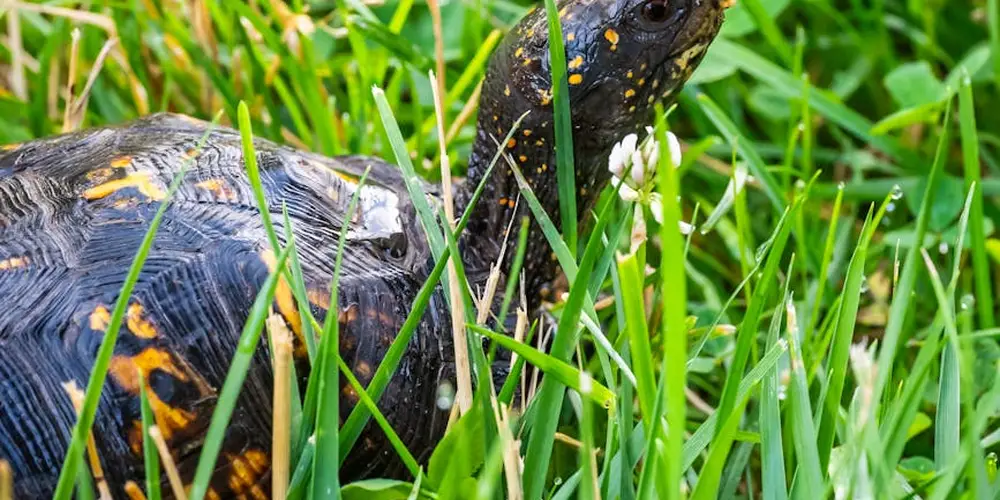
Keeping a watchful eye on your turtle during brumation is your most important job. Brumation is a natural state of dormancy, not an illness, and your turtle should not appear sick. My Russian tortoise, Austen, always maintains a certain quiet dignity during his winter rest, but I know to look for anything that breaks that peaceful pattern and might indicate a problem that requires professional attention. Knowing the signs that your turtle needs to see a veterinarian can help you ensure he stays healthy.
Key Health Indicators to Watch For
- Respiratory Issues: Listen for any wheezing, gurgling sounds, or bubbles from the nose or mouth. This is a major red flag for a respiratory infection, which can be fatal if untreated.
- Abnormal Lethargy: While sleepiness is normal, a complete lack of response to gentle stimuli is not. Your turtle should still retract slightly if you gently touch a back leg.
- Significant Weight Loss: A small amount of weight loss is expected, but a dramatic drop is a crisis. This is why a pre-brumation weigh-in is so critical.
- Sunken or Swollen Eyes: Their eyes should look normal, not deeply recessed or puffy, which can indicate severe dehydration or other systemic problems.
Your Regular Safety Check Routine
- Perform a visual check every one to two weeks. Observe your turtle’s position and the condition of its eyes and nose from outside the enclosure.
- Once a month, for a more thorough check, gently lift your turtle. Always handle your turtle with extreme care, supporting its entire body, to avoid causing stress. I cradle my box turtle Orwell fully in my palms.
- Weigh them during this monthly check and compare it to your pre-brumation log.
- If you note any key danger signs, especially respiratory symptoms, consult your exotic veterinarian immediately. Do not wait to see if it improves.
Post-Brumation Care: Helping Your Turtle Resume Normal Life
When the days grow longer, you’ll notice subtle shifts. Your turtle’s reawakening is a gradual process, not a light switch turning on. The goal of post-brumation care is to gently guide their systems back to full function without overwhelming them. My Greek tortoise, Bronte, always takes her sweet time, emerging with a graceful slowness that reminds me to be patient.
Gradual Steps to a Normal Routine
- Slowly increase the ambient temperature in their room over 3-5 days. Don’t blast the heat lamp to full power immediately.
- Once they are consistently active and alert, offer a shallow, lukewarm soak. This encourages hydration and can stimulate the digestive system.
- Reintroduce food slowly. Start with a small, easily digestible meal, like a few bits of leafy greens, before offering their regular diet. Their gut flora needs time to wake up.
- Gradually return their photoperiod and basking spot to summer settings over the course of a week.
Signs of a Successful Reawakening
- You’ll see a clear resume of activity-more movement, exploring their enclosure, and interest in their surroundings.
- Improved digestion is a great sign. Look for normal, well-formed droppings after they begin eating.
- They will show active interest in food and begin eating regularly.
- A bright, alert expression and strong limb movement indicate good health.
From my own experience, the slow diet transition is the most crucial personal tip I can offer. I never offer Bronte a favorite treat, like a strawberry, until she’s been steadily eating her greens for at least a week. This prevents a digestive shock and ensures her system is truly ready for variety. Watching them slowly come back to life, bit by bit, is one of the most rewarding parts of turtle guardianship.
Species Variation in Brumation: Tailoring Care to Your Turtle
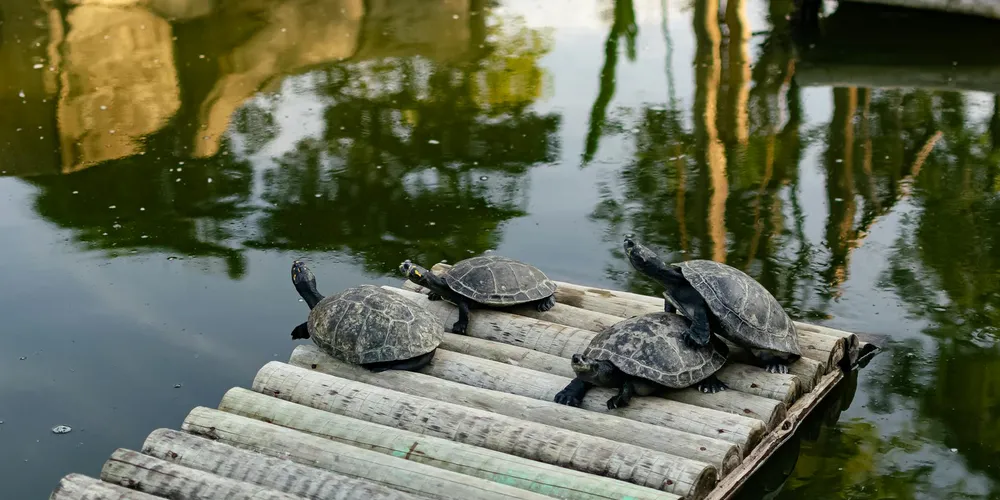
Not all turtles experience brumation the same way. Their species dictates their natural instincts and environmental needs, which directly shapes their winter habits. What works for a land-loving tortoise won’t necessarily suit a semi-aquatic box turtle.
Land Dwellers vs. Semi-Aquatic Turtles
My Russian and Greek tortoises, Austen and Bronte, are classic examples of land-dwelling brumators. They prefer to dig down into a deep, dry substrate. I provide a mix of topsoil and coconut coir that holds its structure. They will often disappear for weeks at a time in a very deep, stable sleep.
Orwell, my box turtle, has a different approach. Box turtles often brumate in moist leaf litter or just under the soil surface, needing higher ambient humidity to prevent dehydration. I check on him more frequently than the tortoises, lightly misting his area if it feels too dry.
- Tortoises (Russian, Greek, etc.): Prefer completely dry brumation setups. They burrow deeply and enter a profound state of dormancy.
- Box Turtles: Require a moist (but not wet) environment. They may shift positions occasionally and are generally lighter sleepers.
- Aquatic Turtles (e.g., Sliders): Often brumate at the bottom of ponds. In captivity, this requires a very specific cold-water setup that isn’t recommended for beginners.
The Role of Personality and Age
Just like people, every turtle has its own unique disposition. Age and individual personality significantly influence how a turtle prepares for and experiences its winter slow-down. My young Russian tortoise, Austen, used to be restless for the first week, whereas my older Greek, Bronte, settled in immediately.
Orwell, being the reserved and intelligent turtle he is, is always the last to fully commit to brumation. He’ll spend a week or two just sitting in his hide, half-awake, as if contemplating the merits of a long nap. I’ve learned to respect his cautious process and not rush him.
- Juveniles: May not brumate at all or have shorter, more intermittent periods. Their bodies are still growing and need consistent nutrition.
- Adults & Seniors: Typically follow a more predictable, longer brumation cycle. Their established routines make them easier to manage.
- Personality: A naturally bold turtle might brumate with little fuss, while a more anxious one may need a quieter, more secure setup to feel safe enough to sleep.
Adjusting Your Care by Species
Tailoring your approach is the key to a safe brumation. The most critical adjustment is matching the brumation environment to your turtle’s natural history. A one-size-fits-all method can lead to health issues like respiratory infections or dangerous weight loss. Creating an ideal brumation environment for your turtle means adjusting temperature, humidity, and a quiet, dark setting to match its natural habitat. This tailored setup supports safe, energy-conserving dormancy.
- Research Your Species: Before anything else, understand if and how your specific type of turtle brumates in the wild.
- Set Up the Right Environment: Land tortoises need a dry, cool box. Box turtles need a humid hide. Get the substrate and moisture level right from the start.
- Respect Individual Timing: Don’t force a turtle to brumate because the calendar says it’s time. Watch for their natural cues-reduced appetite and increased hiding.
- Monitor Accordingly: Check on a box turtle or a hesitant brumator every week or two. A deeply sleeping tortoise might only need a quick check every 3-4 weeks.
FAQs
How long does brumation typically last for pet turtles?
Brumation duration varies by species and environmental conditions, generally spanning several weeks to a few months. It’s essential to observe your turtle’s individual patterns and adjust care based on their activity level and health. During feeding turtles during winter brumation, feeding is typically reduced or paused as metabolism slows. Watch for seasonal cues, and resume feeding only when your turtle wakes and shows interest.
Can I skip brumation for my turtle if I’m concerned about their health?
Skipping brumation is possible with consistent warmth and lighting, but it requires careful management and veterinary advice to avoid stress. For some species, this approach can be safe, but it may not align with their natural instincts and long-term well-being.
What are the emergency signs that require waking my turtle from brumation?
Immediately wake your turtle if you notice wheezing, nasal discharge, or a sudden, significant drop in weight. Contact a reptile veterinarian promptly, as these symptoms could indicate a serious health issue like infection or dehydration.
Your Guide to Turtle Brumation Success
From my years with Austen and Bronte, I’ve learned that gradually reducing their food intake before brumation prevents health issues and mimics their natural cycle. Keep a close eye on behavior changes, like Orwell’s slower movements, to ensure they’re settling in safely.
Responsible turtle care means committing to ongoing education about species-specific needs, just as I’ve adapted my routines for my own pets. Stay curious and proactive-your dedication makes all the difference in their well-being.
Further Reading & Sources
- Turtle Brumation: The Benefits & Dangers Of The Hibernation Cycle
- Brumation in Turtles and Tortoises | Taking Caring of Reptiles
- Brumation – ReptiFiles Red-Eared Slider Health Guide
- Turtles Don’t Hibernate, They Brumate. | PBS North Carolina
Matthew is a dedicated turtle enthusiast and conservationist with over 15 years of experience in reptile care. Known affectionately as "The Leatherback" among his peers, he combines his passion for turtles with a commitment to educating pet owners on responsible turtle care and environmental stewardship.
Winter Care