
How Turtles Breathe and Survive Underwater in Winter
You might worry that turtles run out of air or freeze when submerged for months in icy waters, but as someone who’s cared for reptiles like my gentle tortoise Austen for years, I’ve seen how nature equips them with stunning survival skills.
We’ll explore their unique breathing methods, hibernation strategies, and body adaptations in a simple list: cloacal respiration, brumation habits, and metabolic slowdowns.
The Remarkable Biology of Turtle Respiration
Surface Breathing: The Primary Method
Like us, turtles primarily breathe air using lungs. You’ll often see your turtle crane its neck out of the water to take a gulp of air. This simple act is the cornerstone of their survival, requiring them to surface regularly. I’ve spent countless hours watching my Russian tortoise, Austen, take slow, deliberate breaths, a reminder that even in their aquatic world, they are tied to the surface.
Underwater Breathing Adaptations
When a quick trip to the surface isn’t an option, turtles have developed some incredible biological workarounds.
Cloacal Respiration: Breathing Through Their Back Door
This sounds strange, but it’s a brilliant adaptation. The cloaca is a multi-purpose opening used for excretion and reproduction. In some aquatic species, it is highly vascularized, meaning it’s rich with blood vessels. They can essentially pump water in and out of this chamber, allowing oxygen to diffuse directly into the bloodstream. It’s like having a built-in, low-power gill system for emergencies.
Cutaneous Respiration: Skin Breathing
Turtles can also absorb small amounts of oxygen directly through their skin, particularly in areas with softer tissue like the neck and the inside of their legs. While not enough to sustain them long-term, this skin breathing provides a crucial supplemental oxygen source during periods of rest or dormancy. It’s a subtle but vital process, especially in colder months when every molecule of oxygen counts. Yet in aquatic turtles, air-breathing remains essential—the lungs provide most oxygen while skin gas exchange is only supplementary. This connects to respiration and habitat requirements: keep water oxygen-rich and offer opportunities for surface breathing or basking.
Winter Survival: The Science of Brumation
Metabolic Slowdown and Energy Conservation
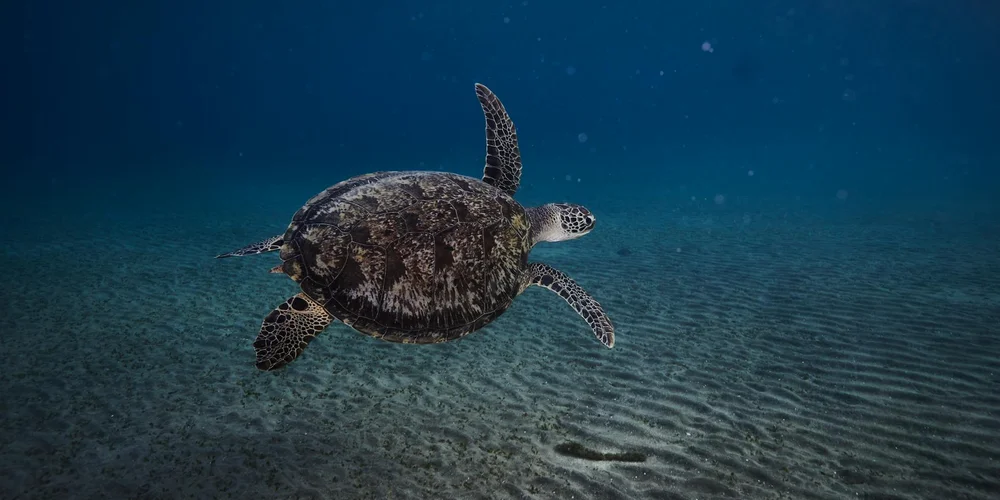
Brumation is the reptile version of hibernation. As temperatures drop, a turtle’s metabolism plummets. Their heart rate slows to just a few beats per minute, and all non-essential bodily functions grind to a near halt. This dramatic slowdown means they can survive for months on the energy stored in their bodies from the previous summer and fall. My Greek tortoise, Bronte, becomes so still during this time that her existence seems more mineral than animal, a testament to nature’s efficiency. In this complete guide to turtle brumation and hibernation, you’ll learn when to start, how to regulate temperature and humidity, and how to monitor safety. This knowledge helps you plan a safe, healthy brumation routine.
Coping with Limited Oxygen
This is where their unique breathing adaptations become a matter of life and death. Buried in mud at the bottom of a pond, surface air is completely inaccessible.
- Their slowed metabolism drastically reduces their oxygen needs.
- Cloacal respiration becomes their main method of obtaining what little oxygen is dissolved in the water.
- Cutaneous respiration provides an additional, minor oxygen boost.
Their bodies even switch to a form of anaerobic respiration, tolerating a slow buildup of lactic acid, which they neutralize with calcium from their shells. It’s a delicate, high-stakes balancing act that never fails to amaze me.
Natural Winter Survival Strategies
Seeking Refuge in Mud and Pond Bottoms
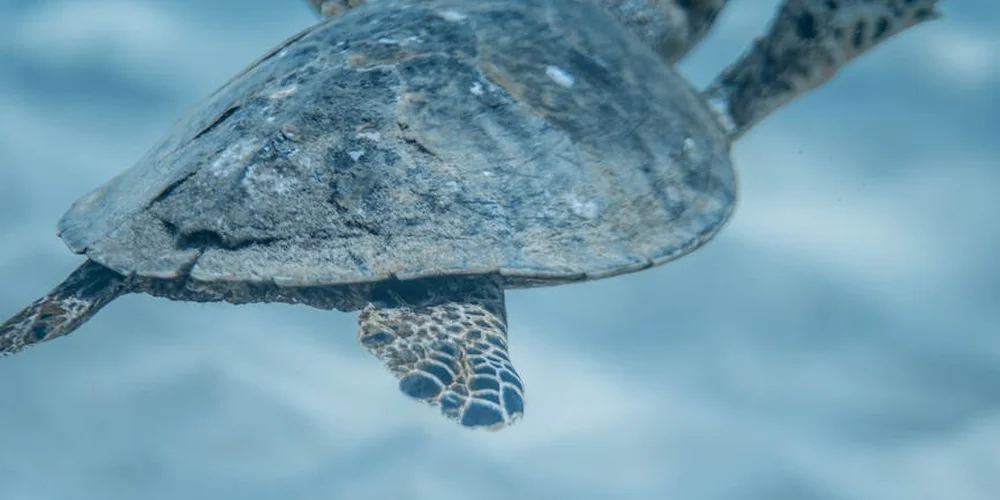
Wild turtles often bury themselves in mud or settle at pond bottoms to escape harsh winter conditions. This behavior reduces their exposure to freezing temperatures and predators. By nestling into the mud, they enter a state of reduced activity that conserves energy and minimizes oxygen needs. I’ve seen similar instincts in my own turtles, like Orwell, who seeks out damp, sheltered spots when the air chills.
Mud acts as a natural insulator, keeping their body temperature stable. This refuge allows them to rely on stored fat reserves and slow their metabolism dramatically. It’s a clever adaptation that helps them survive months without surfacing for air.
The Role of Water Temperature
Water temperature directly influences a turtle’s metabolic rate and breathing. Colder water slows everything down, including heart rate and oxygen consumption. As temperatures drop, turtles can absorb small amounts of oxygen through their skin or cloaca, reducing their need to surface. This is why they can stay submerged for long periods in winter.
In my experience with aquatic species, maintaining a stable, cool environment mimics their natural cycle. Sudden temperature swings can stress them, so gradual changes are key to their health. Always monitor water conditions to support their winter resilience.
Caring for Pet Turtles During Winter Months
Should Pet Turtles Brumate?
Brumation, similar to hibernation, is a natural process for many turtles, but it’s not always necessary for pets. Deciding if your turtle should brumate depends on species, age, and overall health. For instance, my Russian Tortoise, Austen, benefits from a mild slowdown, while others might not. To help decide, a quick risk-benefit analysis for brumation can weigh the potential benefits of brumation—like energy conservation—against risks such as dehydration or improper cooling. If unsure, consult a reptile vet to tailor the plan to your turtle’s species, age, and health.
Consult a vet to assess your turtle’s readiness. Brumation can help regulate their biological clocks, but forcing it on unhealthy turtles risks complications. I’ve learned that observing their behavior clues you into what’s best for them.
Creating Safe Winter Conditions
Temperature Adjustment Protocol
Gradually lower temperatures over a few weeks to mimic natural cooling. Start by reducing heat lamp usage by 15-30 minutes daily until you reach the target range. For species like my Greek Tortoise, Bronte, I aim for 50-60°F (10-15°C) during brumation.
- Check current habitat temperature with a reliable thermometer.
- Decrease heating elements slowly to avoid shock.
- Monitor your turtle’s activity and adjust if they show distress.
Keep the environment stable to prevent stress. Abrupt changes can lead to illness, so patience is crucial in this process.
Habitat Preparation Checklist
Prepare your turtle’s home for winter to ensure safety and comfort. A well-set habitat reduces risks like dehydration or freezing. Based on my care for Orwell, here’s a simple checklist:
- Clean the enclosure thoroughly to prevent mold or bacteria.
- Provide a shallow water dish that’s easy to access.
- Add extra substrate for burrowing, like coconut coir or sphagnum moss.
- Ensure hiding spots are secure and insulated.
- Check humidity levels to avoid respiratory issues.
Regularly inspect these elements throughout the season. This proactive approach supports their well-being and mimics natural shelters.
Recognizing Healthy vs Problematic Brumation
Healthy brumation involves reduced movement and eating, but your turtle should still respond to gentle stimuli. Look for steady weight and clear eyes as positive signs. In my years with Austen, I’ve noticed he remains alert enough to shift positions occasionally. During brumation, expect only small, infrequent meals and a slower overall pace. Monitor appetite and activity to gauge what’s typical for your turtle.
Problematic signs include rapid weight loss, lethargy that doesn’t improve, or discharge from nose and eyes. These are signs your turtle needs to see a veterinarian. If your turtle seems weak or unresponsive, seek veterinary care immediately. Early intervention can prevent serious health issues.
- Healthy: Slow breathing, occasional movement, maintained body condition.
- Problematic: No movement for days, sunken eyes, foul smells from the shell.
Trust your instincts-if something feels off, it’s better to err on the side of caution. Your vigilance ensures your turtle’s winter experience is safe and natural.
Special Considerations for Different Turtle Species
Species That Thrive with Winter Slowdown
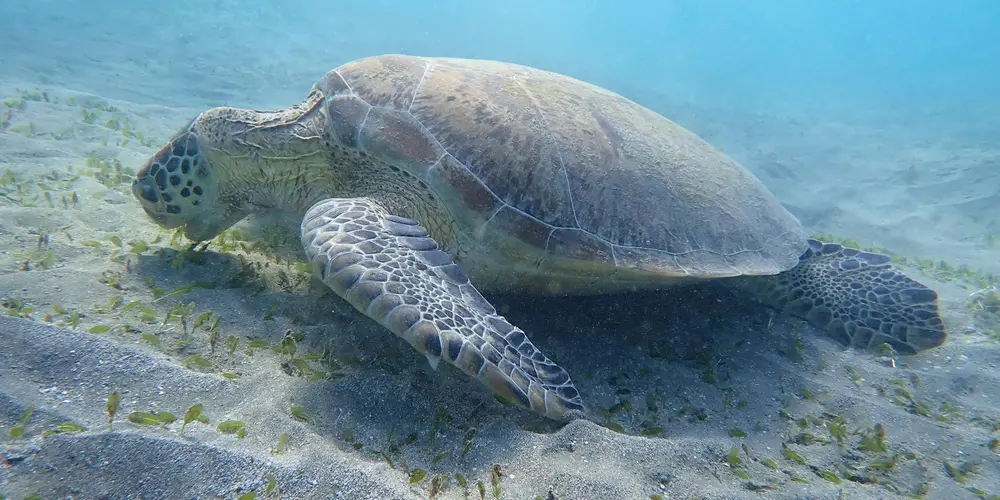
Some turtles, like Russian and Greek tortoises, naturally adapt to cooler seasons. These species often benefit from a period of reduced activity to maintain their health cycles. My Bronte, for example, becomes more contemplative and rests more in winter, which seems to rejuvenate her.
Box turtles, such as Orwell, may also handle mild brumation if they’re healthy. Providing a cool, dark space allows them to follow their innate rhythms without stress. To create an ideal brumation environment for your turtle, keep a stable cool temperature, darkness, and quiet. Monitor weight and consult a vet if you notice any signs of distress. Always research your specific turtle’s needs to tailor care appropriately.
Species That Require Consistent Warmth
Tropical turtles, like many aquatic varieties, need stable warm temperatures year-round. Sudden drops can compromise their immune systems and lead to infections. I’ve cared for friends’ tropical species and seen how vital consistent heat is for their vitality.
Use reliable heaters and thermostats to maintain temperatures around 75-85°F (24-29°C). Avoid brumation for these turtles, as it can cause more harm than good. Regular monitoring helps you spot any issues early, ensuring they stay active and healthy. For diagnosing their habitat, use a quick checklist focused on perfect lighting, heat, and water. This helps ensure all essential factors stay in balance.
FAQs
Is it necessary to provide water for turtles during brumation?
Yes, turtles still need access to water to prevent dehydration, even if they are not actively drinking. Offer a shallow dish that is easy to exit, and check it regularly for cleanliness. For guidance on encouraging turtles to drink and to properly provide water for pet turtles, make sure to do your research.
How can I prevent my turtle from freezing in outdoor ponds?
Use a pond de-icer or heater to keep a small area ice-free, allowing for gas exchange and preventing total freezing. Ensure the pond is deep enough so the bottom remains unfrozen, providing a safe refuge.
What are common mistakes owners make during turtle brumation?
Avoid disturbing the turtle too often, as this can cause stress and disrupt their metabolic slowdown. Do not attempt brumation with sick or underweight turtles, as it can lead to health complications. If you’re preparing your pet turtle for brumation, plan a gradual cooling and provide appropriate housing and monitoring. Consult a veterinarian to ensure a safe, individualized brumation plan.
Supporting Your Turtle Through the Cold Months
Focus on maintaining stable water temperatures and ensuring access to clean, oxygen-rich environments to support their natural brumation processes. From my years with tortoises like Austen and Bronte, I’ve seen how mimicking seasonal changes prevents stress and promotes health.
Always prioritize your turtle’s welfare by staying curious and informed about their unique needs. Your dedication to learning and adapting care routines is what truly safeguards their well-being year-round. This care land and aquatic turtle care essential guide offers practical tips for both land-dwelling and aquatic species. Explore habitat setup, feeding, and health checks to keep turtles thriving.
Further Reading & Sources
- Nature curiosity: Why and how do turtles breathe with their butts? | Forest Preserve District of Will County
- No, overwintering turtles don’t breathe through their butts: Getting to the bottom of a popular misconception
- The secret to turtle hibernation: Butt-breathing | PBS News
- How Do Turtles Survive the Winter? – Carleton College
Matthew is a dedicated turtle enthusiast and conservationist with over 15 years of experience in reptile care. Known affectionately as "The Leatherback" among his peers, he combines his passion for turtles with a commitment to educating pet owners on responsible turtle care and environmental stewardship.
Winter Care