
Can You Legally Keep a Turtle as a Pet? Your Practical and Ethical Guide
That quiet longing for a slow-moving, shelled friend is real-I felt it too before welcoming Austen, my Russian tortoise, into my life a decade ago. But the excitement fades fast if you hit a legal wall or, worse, unknowingly harm a protected animal. Your first step isn’t picking a tank; it’s checking the rulebook.
We’ll move through the essentials together: untangling local versus federal wildlife laws, spotting which species are truly legal to own, navigating permit paperwork, and committing to habitat care that honors their wild needs. This isn’t just about avoiding fines; it’s about offering a good life.
Untangling the Web of Turtle Legality
Thinking about turtle ownership often starts with a lovely daydream, much like my first thoughts of Austen, my gentle Russian tortoise. But the reality is a tangle of regulations that can feel as intricate as the patterns on Bronte’s Greek tortoise shell. Navigating this legal web isn’t just red tape; it’s the foundational act of care for your future shelled friend.
I learned this through careful research before welcoming Austen and Bronte into my life. Laws exist to protect both animals and ecosystems, and respecting them is non-negotiable. Treating legality as your first checklist item sets an ethical tone for everything that follows, from habitat setup to daily feeding. It’s the quiet, steady commitment that defines a true turtle guardian.
The Simple Question with a Complicated Answer
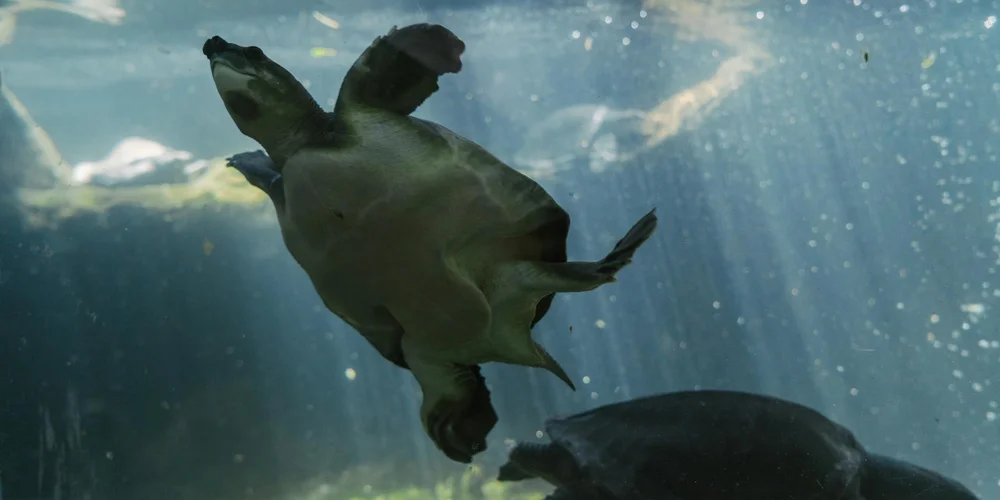
So, can you legally keep a turtle as a pet? The straightforward query has a layered response. Whether you can welcome a turtle home hinges on three main pillars: the species itself, your physical location, and where the animal comes from. Assuming it’s always okay is a fast track to heartbreak and potential legal trouble. To help you navigate this responsibly, look for a guide on where to buy pet turtles and how to acquire them ethically. It should cover reputable sources, health checks, and legal considerations.
To make sense of it, focus on these key factors. Check each one carefully.
- Species Protection Status: Is the turtle listed as endangered or threatened? Animals under CITES or your country’s endangered species act are often illegal to own without special permits.
- Your State and County Laws: Rules change at borders. Some states ban certain species outright, while others restrict native turtles to prevent wild population decline.
- Point of Origin: Captive-bred turtles from a reputable breeder are typically the only legal and ethical choice. Taking a turtle from the wild is usually illegal and harmful.
- The 4-Inch Rule: In the United States, federal law prohibits the sale of turtle hatchlings with shells under four inches long, a rule designed to protect children from salmonella.
- Local Ordinances: Your city or town might have its own exotic pet laws that override more permissive state rules. Always check here last for the final word.
This list is your starting map. Cross-referencing these points is the only way to get a clear, lawful green light for pet turtle ownership. When I was researching for Orwell, my box turtle, this process felt tedious, but it brought immense peace of mind knowing I was on the right side of the law and his welfare.
Why Laws Protect Turtles: It’s Not Just Red Tape
Shielding Wild Populations
I used to walk by a creek and see turtles sunning on logs, thinking how easy it would be to bring one home. Taking a turtle from the wild chips away at a delicate balance we often don’t see. Each turtle is a tiny gardener and pest controller in its ecosystem.
Removing them for the pet trade creates silent vacancies. Over-collection pressures local populations, something I’ve seen firsthand with the decline of ornate box turtles near my old home. Laws step in to prevent this slow erosion.
Think of a wild turtle population like a woven basket. Remove one strand, and the whole structure weakens.
- Fewer turtles mean more mosquito larvae and fewer dispersed seeds.
- Popular pet species face higher capture rates, dwindling their numbers.
- The federal 4-inch rule, banning small turtle sales, directly tackles salmonella risks to kids.
This rule is a classic example of how wildlife law mixes conservation with public health. It’s not arbitrary; it’s a shield.
The Reality of Protected and Endangered Species
Words like “protected” or “endangered” feel distant until you want a certain turtle as a pet. In simple terms, a protected species is guarded by law from take or harm, and an endangered one is racing against extinction.
Ownership of these animals is usually off-limits to private keepers. Good intentions, like wanting to “save” one, never override the hard line of federal law. I had to accept this when I learned most sea turtles can’t be kept, no matter how much I admire them. That realization sparked an interest in sea turtle biology and conservation. I began to learn how nesting sites, migrations, and threats like habitat loss shape protection efforts.
Here are clear examples typically illegal for you to own:
- All sea turtle species, like loggerheads or leatherbacks.
- Many native box turtles, depending on your state’s list.
- Tortoises like the radiated or ploughshare, globally endangered.
Loving animals means respecting the boundaries that keep them safe in the wild. Checking a species’ status is your first act of care.
Your Legal Checklist: How to Research Properly

Federal Frameworks and Wildlife Permits
The United States has key laws that form the backbone of turtle protection. The Lacey Act stops the interstate sale of illegally taken wildlife, while the Endangered Species Act (ESA) provides a safety net for at-risk species. They work together to keep trade fair and animals secure.
A wildlife permit is a special license for specific activities. You, as a regular person, might need one only if you’re rehabilitating injured native turtles with a certified program. For typical pet ownership, your main job is to avoid species listed under the ESA. If you’re thinking about selling or transporting turtles, there are other laws that govern sale, transport, and required permits. These rules help prevent illegal trade and protect wild populations.
Keep these federal pillars in mind:
- Lacey Act: Focuses on legal provenance and transport.
- Endangered Species Act: Lists species and restricts their commerce.
- Permits: Mostly for educators, researchers, or rehabilitators, not pet owners.
Navigating State Regulations and Local Laws
Your state’s rules are the map you really need. State wildlife agency websites are your gold mine for accurate, localized information. I spent an afternoon digging through mine before getting Orwell, my box turtle, and it saved future headaches.
Follow this step-by-step guide to find your specific rules:
- Google “[Your State] Department of Natural Resources” or “Fish and Wildlife Agency.”
- Navigate to their “Laws” or “Species Regulations” section, often under “Reptiles.”
- Look for lists of prohibited, restricted, or permitted turtle species.
- Call the agency directly or contact local animal control for tricky questions.
- Don’t forget to check county or city ordinances for extra layers.
When I researched for Orwell, a call to my state wildlife office confirmed that captive-bred box turtles were legal, but wild-caught ones were not. The officer was kind and sent me links to the exact regulations.
My personal story with Orwell taught me to never assume. Verifying his status felt like a responsible promise to him and the law. Double-checking is a small price for peace of mind.
A Note on Import and Export
Moving your turtle across state lines or borders is a legal maze. Crossing jurisdictions with a pet turtle requires meticulous advance research and often official paperwork. Each state and country guards its ecosystems differently.
I once considered moving with my tortoises and quickly realized the complexity. You must contact wildlife authorities in both your origin and destination to understand all requirements. Missing a permit can lead to your turtle being quarantined or seized. If you’re moving across the country, a pet turtle relocation guide can help you plan transport, permits, and care. It can also outline crate standards and any state-specific rules you must follow.
If travel is necessary, keep these points close:
- Never transport a turtle without checking laws on both ends of the journey.
- Secure health certificates from a veterinarian familiar with reptile travel.
- Research any required import/export permits well ahead of your trip.
- Consider the physical and emotional stress travel places on your shelled friend.
Thorough planning protects your turtle from the chaos of legal snags at a checkpoint. It’s the ultimate act of a prepared keeper.
When Turtles Are Illegal: Understanding the Risks
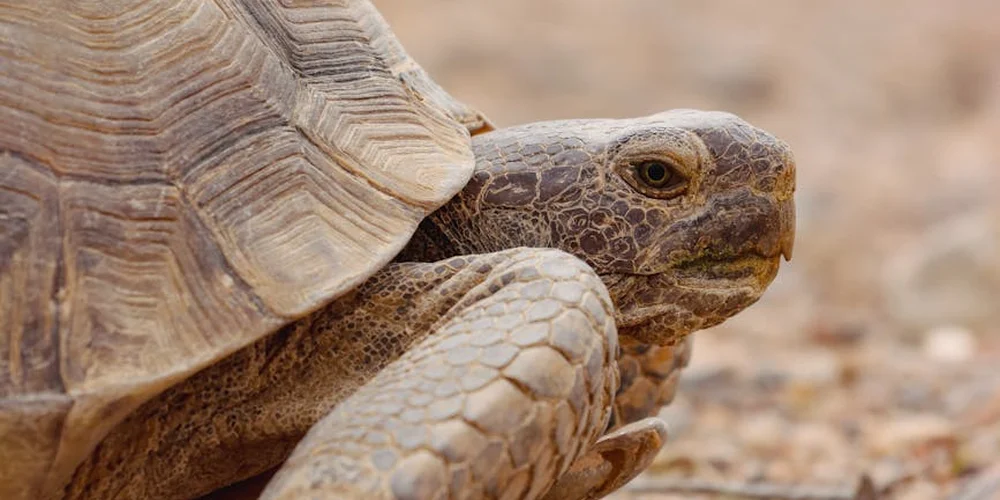
Penalties and Fines You Could Face
Getting caught with an illegal turtle can hit your wallet and your heart. You might face fines from hundreds to thousands of dollars, depending on local and federal laws. I’ve seen cases where owners didn’t check regulations, and the outcome was stressful for everyone.
- Substantial financial penalties that vary by state and species.
- Confiscation of the turtle, separating you from a pet you may love.
- Potential misdemeanor or felony charges on your record.
- Court orders banning future pet ownership.
- The turtle’s wellbeing is compromised, often starting a journey through an uncertain system.
This isn’t just about rules; it’s about preventing harm. An illegal pet turtle rarely gets the specialized care it needs from the start, leading to health issues down the road. My friend learned this the hard way with a turtle that required permits he didn’t have.
Law Enforcement and Animal Confiscation
If authorities find an illegal turtle, the process is usually swift. Animal control or wildlife officers will seize the turtle immediately for its own protection and legal compliance. The sight of a scared turtle being taken away is something I wish no one had to experience.
- The turtle is placed in a temporary holding facility, which may be overcrowded.
- Shelters and rescues, often underfunded, struggle to provide for species with specific needs.
- Rehabilitation efforts can be lengthy, and not all turtles adapt well to sudden changes.
- Euthanasia is a last resort in some overburdened systems, which is why prevention is key.
The turtle pays the highest price in this scenario. That stressed shelter system isn’t designed for long-term reptile care, making confiscation a traumatic event for the animal. I’ve volunteered at rescues, and the influx of surrendered illegal pets stretches resources thin. If you’re considering a turtle, learn where to buy responsibly from reputable sources. You can also support rescued turtles by donating to shelters and rescues.
The Right Way Forward: Ethical Pet Turtle Ownership
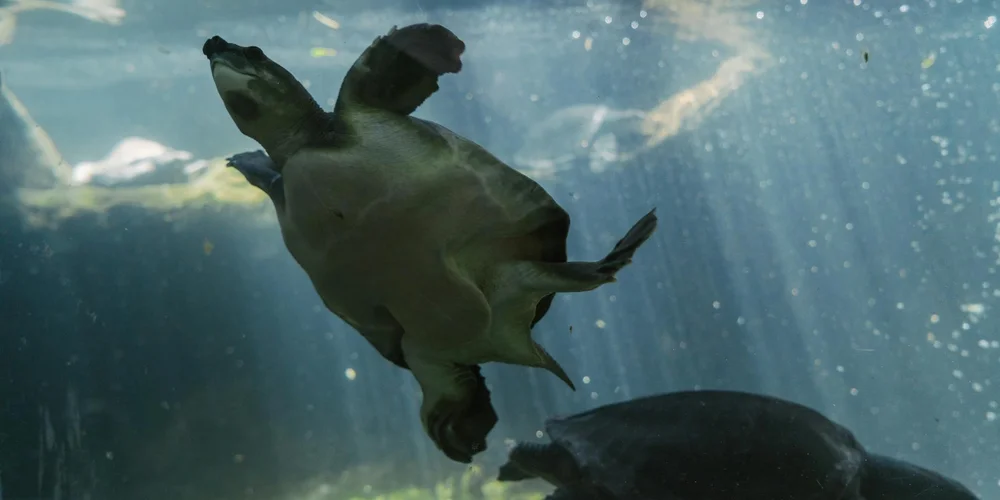
Choosing Legal and Suitable Species
Start your turtle journey on solid ground by picking a species that’s both legal and a good fit for home life. Common choices like some aquatic turtles and certain tortoises are typically easier to keep legally with proper research. My own pets, like Austen the Russian Tortoise, are examples of species that often have clearer legal paths.
Here’s a quick comparison of a few species that are generally more accepted, but always verify with your local fish and wildlife agency.
| Name | Type | Typical Legal Status | Notes from My Experience |
|---|---|---|---|
| Austen | Russian Tortoise | Often legal with no permit | Gentle and steady, perfect for arid setups. |
| Bronte | Greek Tortoise | Usually legal, check state laws | Graceful and thoughtful, enjoys basking spots. |
| Orwell | Box Turtle | Varies widely; often protected | Reserved but intelligent, needs humid enclosures. |
| Red-Eared Slider | Aquatic Turtle | Legal in many areas with restrictions | Requires large tanks and dedicated filtration. |
| Musk Turtle | Aquatic Turtle | Commonly legal, smaller size | Less demanding space-wise, great for beginners. |
Your local pet store might not have the full legal picture. I always cross-reference with official wildlife websites and even call authorities to be absolutely sure before bringing any turtle home. It saves so much trouble later. When you’re ready to buy, choose a reputable, licensed source that can provide health records and a veterinary check. If possible, consider adoption from a reptile rescue.
Beyond the Law: Lifetime Care Commitment
Enclosure Requirements and Habitat Needs
Knowing the law is just your first step. Providing a lifetime of proper care is where real responsibility begins, and it’s a journey I’ve been on for over a decade. Each species has unique needs that mimic their natural habitat.
- Space: Turtles need room to roam. A small tank leads to stress and health problems.
- Temperature and Lighting: Proper UVB and heat lamps are non-negotiable for shell and bone health.
- Diet: Varied nutrition is crucial. My tortoises get fresh greens, while aquatic turtles need proteins and veggies.
- Veterinary Care: Find a vet who specializes in reptiles before you even need one.
Your turtle’s home should be a sanctuary. I learned through trial and error that investing in a large, well-equipped enclosure from the start prevents common issues like pyramiding in shells. Detailed guides on habitat setup are available on our blog for deeper dives.
The Sanctuary Option: Rescue and Adoption
One of the most ethical ways to become a turtle owner is through rescue. Adopting a surrendered turtle gives an animal a second chance and often comes with full legality and health records. I’m a strong advocate for this path because it directly supports animal welfare. Rehoming a turtle ethically means confirming that the prior surrender was handled responsibly and that you can provide lifelong, appropriate care. Ask for care history, veterinary records, and a suitable enclosure before bringing a turtle home.
- Rescue organizations vet turtles for health and behavior, providing a clear history.
- You avoid contributing to the wild pet trade, which can deplete natural populations.
- Many rescues offer post-adoption support, helping you navigate care questions.
- You’re freeing up space in shelters for other animals in need.
These turtles are waiting for a calm, forever home. My local turtle sanctuary has stories of resilient pets that thrive with patient, committed owners, and adopting one feels like saving a life. It’s a choice that benefits both you and the animal.
Common Questions
Is it legal to keep any turtle as a pet?
No, the legality entirely depends on your location and the specific turtle species. You must always research federal, state, and local laws before acquiring any turtle. Some species are restricted or require permits, and a few are illegal to own in private possession in certain jurisdictions. For more information, check out the legal restrictions on owning turtles. Always confirm the status of the exact species you want before purchasing.
What are the general rules for keeping a pet turtle in Australia?
In Australia, all native turtles are protected by law, making it illegal to take them from the wild. Ownership is typically restricted and requires specific permits issued by state wildlife authorities. Any kept native turtle must have the correct permit or license before acquisition. Possessing a protected turtle without the proper permit can attract penalties.
Can I keep a turtle as a pet in Victoria?
In Victoria, you generally require a Wildlife Licence to keep most native turtle species as pets. It is illegal to capture turtles from the wild, so any pet turtle must be sourced from a licensed breeder or through legal means.
Are the laws different in New South Wales (NSW)?
Yes, laws differ by state. In NSW, you need a biodiversity conservation licence to keep most native turtles as pets. Strict regulations govern which species can be kept and how they must be acquired and housed.
Where is the best place to get a legal pet turtle?
The best sources are licensed, reputable breeders or adoption from authorized turtle rescue organizations. This ensures the animal is captive-bred and comes with the necessary legal paperwork for your area.
Your Journey with a Shelled Friend
Always start by researching your specific area’s laws on turtle ownership, as regulations can surprise you. Pair this legal homework with selecting a species that fits your space and time, like the gentle Russian or graceful Greek tortoise, to build a happy life together from day one.
Remember, a turtle’s care evolves over decades, asking for your attentive learning and adaptable routine. Embrace this lifelong education with curiosity, ensuring your pet thrives just as my thoughtful Bronte and intelligent Orwell have in my care.
Further Reading & Sources
- North American Box Turtles State Laws
- Is it illegal to have a pet turtle in the USA? – Quora
- Is it legal to own pet turtles in the United States? If not, why and where did this law come from? – Quora
- Reptile Ownership Laws by State | USARK – United States Association of Reptile Keepers
Matthew is a dedicated turtle enthusiast and conservationist with over 15 years of experience in reptile care. Known affectionately as "The Leatherback" among his peers, he combines his passion for turtles with a commitment to educating pet owners on responsible turtle care and environmental stewardship.
Aquatic Turtles