
How to Create Basking and Hiding Areas for Turtle Well-being
Published on: January 3, 2026 | Last Updated: January 3, 2026
Written By: Matthew The
If your turtle seems restless, inactive, or is avoiding certain parts of its tank, the layout of its home might be the cause. These behaviors often signal that the essential areas for thermoregulation and security are missing or poorly designed.
This guide covers selecting the right materials, proper placement for temperature gradients, ensuring safety and stability, and tailoring the setup to your turtle’s species and personality.
Why Basking and Hiding Spaces Matter for Turtle Health
Watching my Russian tortoise, Austen, haul himself onto his basking platform every morning is a daily ritual. This isn’t just a quirky habit; it’s a vital physiological process. Basking allows his body to reach the core temperature needed to properly digest food and metabolize the nutrients from his leafy greens.
Without a reliable basking spot, a turtle’s digestion slows to a crawl, leading to potential health issues. The dry heat also helps keep his shell healthy by preventing fungal and bacterial growth that thrives in constant dampness. I’ve noticed Austen’s shell is always at its best when his basking routine is consistent. That approach aligns with the ultimate turtle health troubleshooting checklist from Shell Tail. It helps me systematically review basking setup, hydration, diet, and shell care to keep Austen thriving.
Just as vital is the option to retreat. My Greek tortoise, Bronte, is a perfect example of a turtle who values her privacy. Providing hiding spots is a direct application of animal welfare principles, giving them control over their environment and reducing chronic stress. It allows them to exhibit natural, instinctive behaviors like seeking shelter, which is fundamental to their well-being. Understanding their need for hides helps avoid common enclosure mistakes. For terrestrial tortoises, that means balancing shelter with proper UVB lighting, heat, substrate, and a secure, escape-proof enclosure.
My box turtle, Orwell, will often spend hours in his hide, simply observing the world from a place of safety. This choice is crucial for his mental state. A turtle that can hide is a turtle that feels secure, and that security translates directly to better health and a more vibrant personality over time.
- Temperature Regulation: They can self-regulate their body temperature by moving between warm and cool zones.
- UVB Exposure: Essential for synthesizing Vitamin D3, which allows them to absorb calcium for strong bones and shells.
- Mental Enrichment: These areas create a dynamic environment, encouraging natural behaviors and preventing boredom.
Essential Elements for a Turtle Basking Area
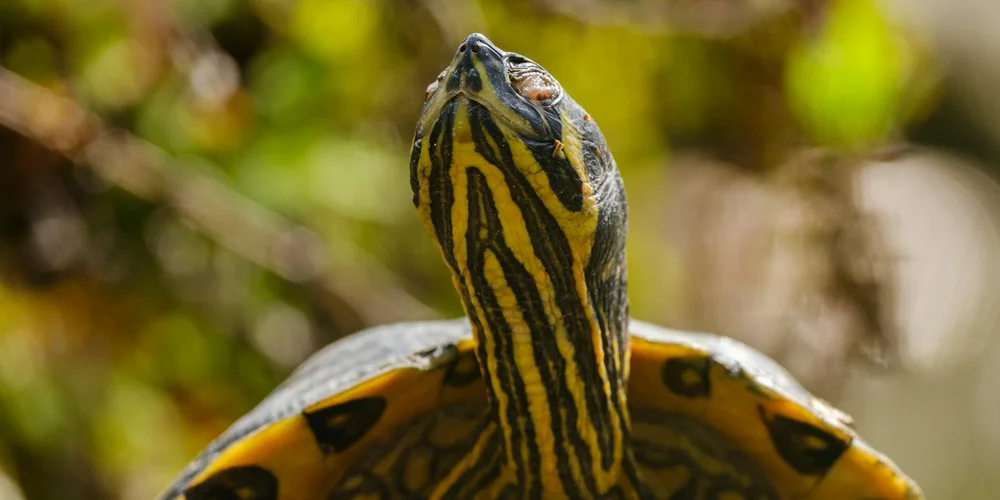
Creating a proper basking area is about more than just piling up a few rocks. You need a few key components working in harmony. The trifecta is a sturdy platform, a dedicated heat lamp, and a high-quality UVB light. The platform is their personal island, while the lamps replicate the sun’s life-giving energy.
The heat lamp provides the warmth needed for thermoregulation, and the UVB light is non-negotiable for shell and bone health. They work together but are not the same. UVB lighting is critical because it enables calcium metabolism essential for a healthy shell and bones. That’s why I always recommend separate fixtures for heat and UVB to allow for more precise control over your turtle’s environment and to ensure the UVB is set up at the right distance and exposure.
Steps for a Stable, Accessible Basking Spot
- Choose a platform large enough for your turtle to rest on completely out of the water. For my crew, I aim for a surface area at least 1.5 times their shell size.
- Ensure the ramp or access point has a rough texture for easy gripping. A smooth, slippery slope is an accident waiting to happen.
- Secure the platform firmly so it doesn’t shift or tip when your turtle climbs aboard. A wobbly platform will scare them away from using it.
- For a DIY above-tank area, you can use egg crate light diffuser panels. They are easy to cut to size and create a fantastic, custom above-tank loft that maximizes swimming space below.
Maintaining Optimal Basking Temperature
Getting the temperature right is critical. The basking area surface temperature should be warmer than the surrounding air, typically between 90°F and 95°F for most common pet species. You’ll need a reliable digital thermometer with a probe to check the temperature directly on the basking platform.
For different tank sizes, you adjust the wattage of your heat bulb and the height of the lamp fixture. In a spacious 75-gallon tank, you might need a higher wattage bulb or will need to position the lamp closer to the platform to achieve the correct temperature gradient. Always monitor and tweak, as room temperature and tank setup will affect your final basking spot temperature.
Creating Safe and Comfortable Hiding Spots
My tortoises, Austen and Bronte, taught me that a good hiding spot is more than just shelter; it’s a personal sanctuary. Providing these retreats is fundamental for reducing stress and allowing natural behaviors like resting and feeling secure.
Materials for Turtle Hides
You can use a variety of safe, natural materials to create the perfect hide. I’ve found that combining different textures and shapes keeps my shelled friends most engaged.
- Caves: Commercial reptile caves, half logs, or even upside-down terracotta pots with a smooth, chipped-out entrance work wonderfully.
- Logs & Bark: Pieces of cork bark or sterilized driftwood create excellent, natural-looking tunnels and cover.
- Plants: Live or sturdy artificial plants provide visual barriers and dappled shade, making a turtle feel hidden even in the open.
- Non-toxic Substrates: A layer of dried oak or magnolia leaves on the enclosure floor allows for burrowing and adds a comforting, natural scent.
Arranging Your Hiding Areas
Placement is everything. You want to create a layout that feels secure but doesn’t turn into a trap.
- Position at least one hide in the cooler end of the enclosure, away from the main basking light.
- Ensure the entrance is large enough for your turtle to enter and exit easily, but the interior should feel snug and enclosed.
- Create an “escape-proof” design by checking that hides are stable and cannot collapse or roll onto your pet.
- Offer a mix of fully enclosed hides and semi-open areas under plants, giving your turtle options for both deep hiding and casual observation.
Using Plants for Enrichment
Orwell, my box turtle, particularly enjoys shuffling through the foliage. Plants serve a dual purpose: they beautify the space and offer functional enrichment that stimulates natural behaviors. In my own setup, I use a combination of sturdy live plants like spider plants and snake plants, which can tolerate some nibbling and digging. For more destructive chewers, high-quality silk plants are a safe and maintenance-free alternative that still provides excellent cover and a touch of jungle-like realism.
Balancing Heat, Light, and Humidity in the Enclosure
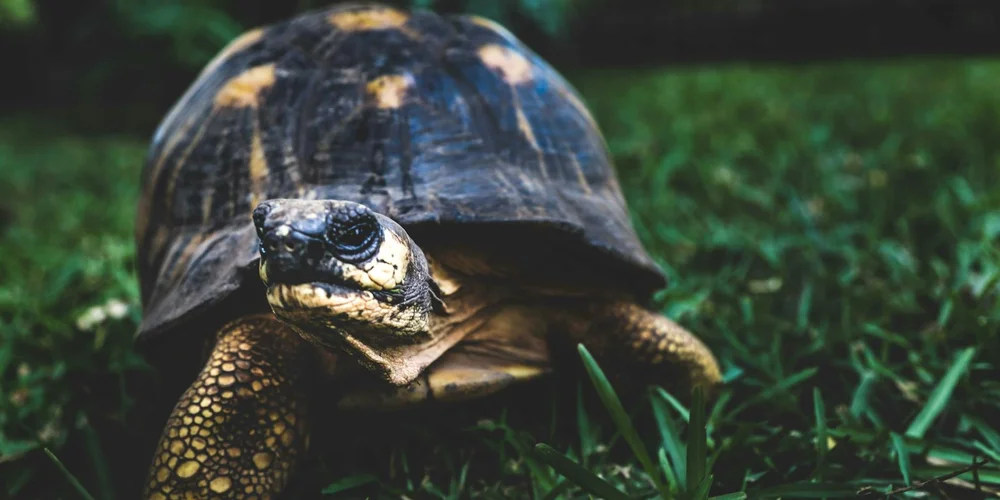
Getting the environmental conditions right is like tuning a musical instrument; every element must be in harmony for the well-being of your turtle. A proper gradient allows your turtle to self-regulate its body temperature, which is vital for digestion and immune function.
Setting Up a Temperature Gradient
Your goal is to create a warm basking area that transitions to a cooler retreat zone.
- Use a focused heat lamp (like a halogen flood bulb) positioned over one end of the enclosure to create the basking spot.
- The basking surface temperature should be species-specific, but generally ranges from 90-95°F for many common pet turtles.
- The opposite end of the enclosure should be cooler, typically around 70-75°F.
- Always use a reliable digital thermometer with probes to monitor the temperatures at both ends accurately.
The Importance of Light and Humidity
Light and moisture are not afterthoughts; they are pillars of health.
- Provide a consistent lighting schedule of 12-14 hours of light followed by 10-12 hours of darkness to mimic a natural day/night cycle.
- A UVB lamp is non-negotiable for most turtles, as it enables them to produce vitamin D3 and metabolize calcium for strong shells and bones.
- Humidity levels are crucial for hydration, respiratory health, and proper shedding. Aim for a range that suits your species, often between 50-80%.
- Use a digital hygrometer to keep track of humidity and adjust with misting or a larger water dish as needed.
Stabilizing Conditions with Thermal Mass
In my routine care, I’ve found that adding items with high thermal mass is a game-changer for stability. Objects like a flat slate tile under the basking lamp or a large, clean rock absorb heat slowly and release it gradually, preventing rapid temperature swings. This creates a more consistent and natural basking experience. My Russian tortoise, Austen, particularly appreciates warming his belly on the heated slate each morning.
Choosing Safe Materials and Ensuring Enclosure Security
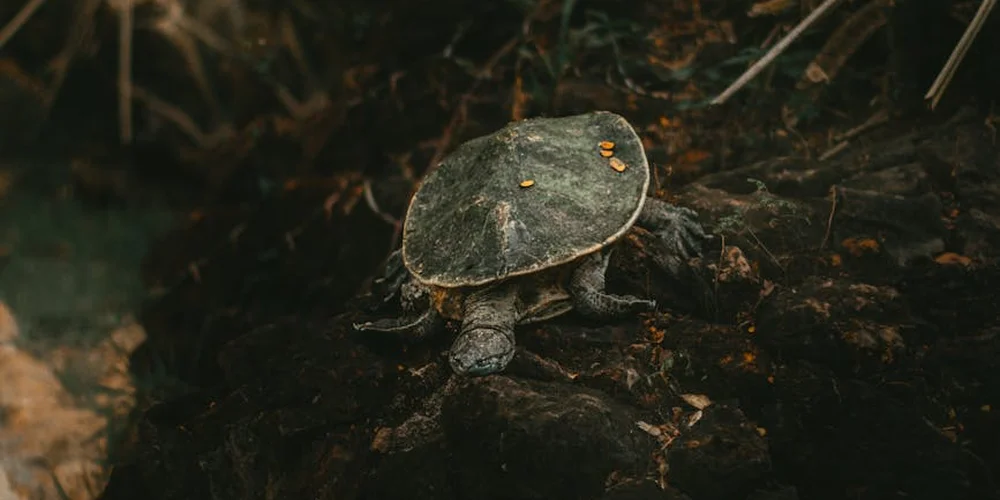
Your turtle’s home is their entire world, so every material you choose matters deeply. I’ve learned through trial and error that non-toxic, inert materials are the only way to prevent long-term health issues. It’s crucial to check for any toxic substrates or decor in turtle enclosures. Austen, my Russian tortoise, once nibbled on a piece of driftwood I hadn’t properly vetted, which was a scary reminder to be meticulous.
Safe Material Options
Stick to these proven, safe choices for building platforms and hides.
- Rocks & Slate: These are my go-to for basking areas. They hold heat beautifully and are completely natural. Just ensure they are large and flat enough to be stable.
- Ceramic Tiles or Flower Pots: Inexpensive, easy to clean, and impossible for a turtle to ingest. A broken terracotta pot makes a perfect, cozy hide.
- PVC Pipes & Plastics: For custom platforms, PVC and certain aquarium-safe plastics are superb. They don’t rot and are non-toxic.
- Zoo Med & Exo Terra Products: Commercially made platforms and hides from reputable brands are designed specifically for reptile safety.
Creating an Escape-Proof and Clean Habitat
A secure enclosure means a stress-free life for your turtle. Orwell, my box turtle, is a master escape artist, so I speak from experience.
- Anchor Everything: Glue or silicone rocks and heavy decor to the tank floor. A toppling rock can cause serious shell damage.
- Invest in a Sturdy Lid: A tightly fitting screen lid with secure clips is non-negotiable. Turtles are surprisingly strong and persistent climbers.
- Smooth All Edges: Sand down any rough or sharp edges on DIY projects to prevent cuts on their skin and plastron.
- Establish a Cleaning Routine: Remove uneaten food and waste daily. Do a full habitat breakdown and disinfect with a reptile-safe cleaner every month.
Safety and Health Monitoring Checklist
Use this simple list weekly to catch small problems before they become big ones.
- Inspect all surfaces for cracks, splinters, or wear.
- Check that heating and UVB bulbs are the correct distance from the basking spot.
- Observe your turtle’s behavior. Are they using both the basking and hiding areas normally?
- Look for any changes in their shell, skin, eyes, or appetite.
- Ensure the water in aquatic areas is clean and properly filtered.
DIY Projects for Custom Basking and Hiding Areas
Building something for your turtle is incredibly rewarding. Not only is it cost-effective, but it also allows you to design the perfect environment for your specific pet’s personality. Bronte, my Greek tortoise, adores the little rocky alcove I built her; it appeals to her graceful, thoughtful nature.
Simple Stacked Stone Basking Platform
This is a beginner-friendly project that looks fantastic and functions perfectly.
- Gather several large, flat slate pieces or river rocks. Scrub them thoroughly with hot water-no soap.
- In the dry area of the enclosure, create a stable, stepped pyramid by stacking the rocks. The largest, flattest piece should be on top.
- Test the stability by applying pressure. It should not wobble or shift at all.
- For extra security, use a dab of 100% silicone aquarium sealant between the rocks. Let it cure completely before introducing your turtle.
The “Log Cabin” Hide
I created this for Orwell, and it’s his favorite spot to feel reserved and intelligent.
- Find a section of cork bark or a hollow, untreated log.
- If needed, use a saw to create a clean entrance hole.
- Place it in a cooler, shaded part of the enclosure and partially bury it in the substrate. This makes it feel more like a natural burrow.
- You can even plant a little patch of safe, edible weeds around it for added camouflage and enrichment.
Essential DIY Tools and Materials
You don’t need a workshop full of tools to get started. This basic kit will serve you well.
- Materials: Slate tiles, river rocks, untreated cork bark, terracotta pots, PVC pipes, 100% silicone aquarium sealant.
- Tools: Sandpaper (for smoothing edges), a handsaw (for cutting wood or PVC), a sturdy scrub brush, a measuring tape.
The beauty of DIY is that you can scale these ideas up or down, whether you have a small aquatic turtle or a large tortoise like mine. Just always prioritize safety and observe how your turtle interacts with their new furniture. Their behavior will tell you everything you need to know.
Routine Maintenance and Observation for Long-Term Well-being
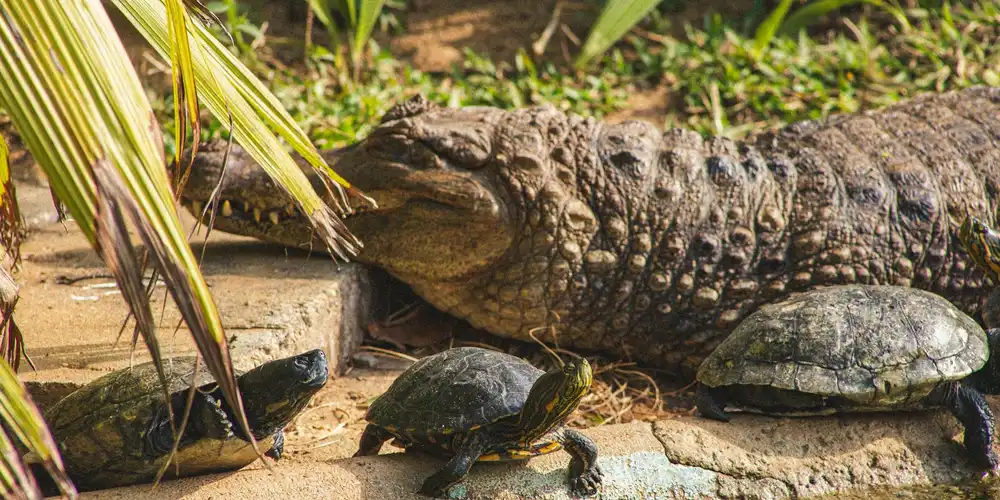
Keeping your turtle’s habitat clean isn’t just about aesthetics; it’s a fundamental part of preventing illness. I’ve found that a simple, consistent cleaning schedule prevents bigger problems down the road and keeps my shelled companions much happier. For basking areas, I wipe down the platform with a reptile-safe disinfectant weekly, or immediately if I spot any waste. Hiding spots get a thorough rinse and scrub every two weeks to remove algae and bacteria buildup. All of this fits into the ultimate turtle habitat cleaning schedule. Sticking to it keeps water quality high and your turtle healthier.
- Spot-clean daily: Remove any visible waste or leftover food from both the basking platform and hiding areas.
- Weekly wipe-down: Use a vinegar-water solution or a commercial reptile cage cleaner to disinfect the basking area.
- Bi-weekly deep clean: Take out all hides and decor, scrub them thoroughly, and rinse well before returning them to the enclosure.
Your turtle will tell you everything you need to know through its behavior. Observing my turtles, Orwell, Bronte, and Austen, has taught me that subtle shifts in their habits are the first sign that something needs adjusting. If your turtle is hiding more than usual, it could feel stressed or the basking area might be too bright or hot. A turtle that consistently avoids the basking spot might be telling you the temperature is wrong. This also raises the question: do turtles need nighttime heat management? A brief nighttime heat guide can help you keep their environment stable through the night.
- Check for physical wear: Inspect basking docks for splintering or weakening, and ensure hides haven’t developed sharp edges from chewing.
- Monitor basking behavior: Consistent, daily basking for a few hours is normal. A sudden lack of interest warrants a temperature check.
- Note hiding frequency: While hiding is natural, excessive hiding can indicate stress, illness, or an environmental issue that needs your attention.
A static environment is a boring one, and for an intelligent creature like a turtle, mental stimulation is vital. I’m a strong advocate for proactive care, which means occasionally refreshing their space to keep their minds active and bodies healthy. This doesn’t require a complete overhaul; small, thoughtful changes make a big difference.
- Rotate decor: Every few months, I swap out one hide for another of a different shape or material to spark curiosity.
- Rearrange the landscape: Simply moving the basking platform or hides to a new location encourages natural exploration.
- Introduce new textures: Adding a smooth, flat stone near the basking area or a piece of driftwood gives them new surfaces to experience.
FAQs
How can I modify a basking area for turtles that need to lay eggs?
Add a separate nesting box filled with moist, sandy substrate in a secluded area of the enclosure. This provides a safe, private space for egg laying and helps prevent stress or egg retention.
What are good basking area setups for a 75-gallon turtle tank?
Opt for an above-tank basking loft or a large floating dock to conserve swimming space while offering ample dry area. Ensure the platform is stable and can support your turtle’s full weight without tipping. When setting it up, ask: does your turtle actually need a larger enclosure to swim and explore? A properly sized enclosure is essential for health and enrichment.
What are some easy DIY ideas for a turtle basking area?
Use PVC pipes and fittings to construct a lightweight, customizable platform that fits your tank dimensions. Add a textured ramp for grip and secure all parts with aquarium-safe silicone to prevent accidents.
How do I create a large basking area for multiple turtles?
Build a spacious platform using interconnected slate tiles or a wide piece of driftwood to accommodate several turtles at once. Include multiple ramps or access points to reduce competition and ensure all can bask comfortably. This is part of a step-by-step guide to building a turtle pond basking area. Follow these steps to create a safe, sun-warmed basking zone for your pond.
Where can I purchase a ready-made turtle basking platform?
Check online retailers or local pet stores for brands like Zoo Med or Penn-Plax that offer various pre-made basking areas. Always verify the product dimensions and weight capacity to suit your turtle’s needs. These pre-made options can help you create the perfect basking area for your aquatic turtle. When choosing, look for models with stable ramps and ample surface space.
A Final Word on Turtle Habitat Harmony
Your turtle’s well-being hinges on a simple but powerful habitat design: a warm, secure basking platform and a cool, sheltered hiding place. This setup allows them to thermoregulate effectively and feel safe, which are the absolute cornerstones of their health. In the Aquatic turtle care guide, these basics are highlighted as foundations of lifelong well-being. Keeping these elements consistent helps both land and aquatic species thrive.
Creating this environment is a fundamental act of responsible pet ownership, a promise to meet their unique biological needs. I encourage you to continue learning and observing, as the more you understand your shelled companion, the more rewarding your journey together becomes.
Further Reading & Sources
- r/turtles on Reddit: First time making a basking area for my turtle
- Easy DIY Basking Area for Turtles: Step by Step Guide
- 15 DIY Turtle Basking Areas You Can Build Today (With Pictures) | PangoVet
- Creating a Basking Area for Your Red-Eared Slider – ReptiFiles
Matthew is a dedicated turtle enthusiast and conservationist with over 15 years of experience in reptile care. Known affectionately as "The Leatherback" among his peers, he combines his passion for turtles with a commitment to educating pet owners on responsible turtle care and environmental stewardship.
Heating and Lighting