
Why Do Turtles Dig and Burrow? Understanding This Natural Behavior
Published on: January 15, 2026 | Last Updated: January 15, 2026
Written By: Matthew The
If you’ve ever spotted your turtle digging and felt a pang of worry, wondering if it’s stressed or unwell, I can assure you from years with my own tortoises that this is often a healthy, instinct-driven act.
We’ll explore thermoregulation, nesting habits, hibernation preparation, and signs of concern to help you feel confident about your pet’s actions.
The Core Reasons Turtles Dig and Burrow
Thermoregulation and Climate Control
Turtles rely on their environment to manage body heat since they cannot regulate it internally like mammals do. When temperatures soar, they dig into cooler soil to avoid overheating. My Russian Tortoise, Austen, often scrapes out shallow depressions in his enclosure on hot afternoons. This natural digging helps him find a comfortable microclimate without risking dehydration or heat stress.
In colder weather, burrowing deeper allows turtles to conserve warmth and energy. I have seen Bronte, my Greek Tortoise, nestle into leaf litter or soft substrate as nights grow chilly. Providing a mix of sunny and shaded digging spots lets your turtle self-regulate its temperature safely.
- Escape extreme heat by digging into moist, cool earth
- Retain body warmth in winter by creating insulated burrows
- Prevent temperature-related health issues through natural behavior
Shelter and Hiding for Protection
Digging offers turtles a quick refuge from perceived threats, whether from predators or environmental stressors. My Box Turtle, Orwell, will immediately start burrowing if he feels startled by loud noises. A secure hiding place reduces anxiety and supports their overall well-being by mimicking wild instincts.
Burrows also shield turtles from harsh weather like heavy rain or strong winds. I always ensure their enclosures have loose, diggable areas so they can create these shelters on demand. Encouraging this behavior helps prevent stress-related illnesses and promotes a sense of safety.
- Hide from potential dangers to feel secure
- Protect themselves from adverse weather conditions
- Reduce stress by having control over their environment
Species-Specific Digging Behaviors in Pet Turtles
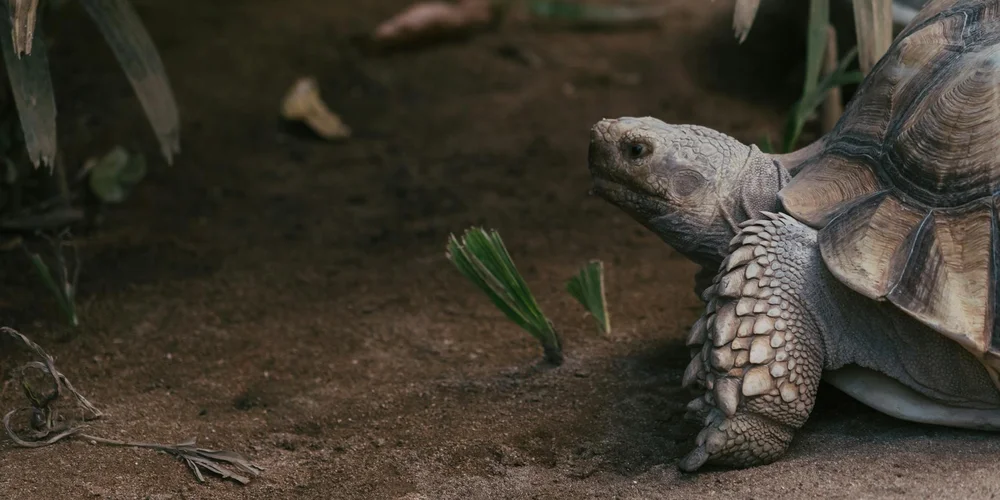
Box Turtles and Their Burrowing Habits
Box turtles, like my Orwell, are expert diggers who use burrows for brumation, nesting, and daily rest. He spends hours crafting tunnels in soft soil, especially as seasons change. This deep burrowing is vital for their survival during colder months when food is scarce.
Female box turtles dig nests to lay eggs, even in captivity if conditions feel right. I have observed Orwell exhibiting this behavior by scratching at the ground repeatedly. Offering a sandy, secluded area can satisfy their nesting urges and prevent frustration. A simple DIY nesting box can provide a controlled nesting site. When designed with a sandy base and privacy, it can encourage safe egg laying in female turtles.
- Brumate underground to conserve energy in winter
- Create nests for egg-laying in warm seasons
- Use burrows as permanent shelters for security
Aquatic and Semi-Aquatic Turtles
While aquatic turtles spend most time in water, they still dig on land for nesting or basking spots. Species like red-eared sliders often emerge to excavate egg chambers in sandy banks. Because aquatic turtles must surface to breathe, their habitat should provide easy access to air and regular basking opportunities. Understanding their respiration needs helps guide proper housing and nesting habitat requirements. Ensuring access to a terrestrial digging area prevents egg-binding and supports reproductive health.
Semi-aquatic turtles may dig shallow pits near water to regulate temperature or hide. From my care experience, providing a land section with loose substrate encourages this natural activity. Mimicking their habitat reduces abnormal behaviors and keeps them physically active.
- Nest on land to lay eggs in safe, hidden locations
- Dig for basking sites to dry off and absorb warmth
- Use burrows as temporary shelters during transitions
Nesting and Reproductive Digging in Female Turtles
Female turtles dig primarily to create safe nests for their eggs, a behavior I’ve seen firsthand with my Greek Tortoise, Bronte. This instinct ensures their offspring have a protected start in life, away from predators and harsh weather. Watching her carefully select a spot and methodically excavate it reminds me how deeply ingrained this ritual is.
Anatomical Adaptations for Digging
Turtles have evolved specific physical traits that make digging efficient. Their strong, muscular limbs and sharp claws allow them to break through soil with surprising force. In turtle anatomy, the legs, toes, and feet are specialized for digging, balance, and leverage. For instance, my Russian Tortoise, Austen, uses her broad, sturdy feet to scoop out dirt in rhythmic motions. I’ve noticed how her shell’s shape helps brace against the ground, giving her leverage. These adaptations let turtles carve out spaces that suit their needs, whether for nesting or shelter.
Difference Between Nest and Shelter Digging
Not all digging is the same, and understanding the distinctions can help you support your turtle better.
- Nest digging is deeper and more deliberate, often done by females to lay eggs. Bronte, for example, digs pits up to several inches deep, carefully arranging the site to keep eggs insulated.
- Shelter digging is usually shallower and used for protection or thermoregulation. My Box Turtle, Orwell, creates small depressions to hide from heat or feel secure, which I see him do frequently in his enclosure.
Nest holes are typically temporary and abandoned after egg-laying, while shelter digs might be reused or modified over time.
Environmental Factors Influencing Digging Behavior

Digging isn’t just about instinct; it’s shaped by the surroundings. Turtles respond keenly to their habitat, adjusting their behavior based on conditions like soil and climate. Weather—particularly barometric pressure changes—often shifts their digging rhythms. A drop before a storm can prompt different behaviors as they sense the coming weather. Over the years, I’ve observed how changes in Austen’s environment trigger different digging patterns, showing how adaptable these creatures are.
Soil Moisture and Its Impact
Soil moisture plays a big role in when and how turtles dig. Moderately damp soil is easier to excavate, reducing the energy turtles need to spend. Bronte prefers slightly moist areas for nesting, as it helps the soil hold its shape without collapsing. If the ground is too dry, digging becomes strenuous, and if it’s waterlogged, it can lead to unstable nests that risk egg damage. I always check the substrate in my turtles’ habitats to mimic natural conditions, ensuring it’s not too parched or saturated. This is especially important in those nesting spots.
Cues Turtles Use to Choose Digging Sites
Turtles rely on a mix of sensory cues to pick the perfect digging spot. They assess factors like temperature, texture, and safety through touch and instinct. Here’s what I’ve learned from watching Orwell and the others: That translates into a simple habit: diagnose your turtle’s habitat with a turtle habitat checklist for perfect lighting, heat, and water. It helps you spot gaps before they become problems.
- Soil texture: Loose, sandy soils are favored because they’re simpler to move. Austen avoids compacted dirt, opting for areas she can easily manipulate.
- Temperature gradients: Turtles often dig in spots that offer thermal stability, like shaded areas to avoid overheating.
- Safety signals: They choose locations hidden from view, using vegetation or terrain to conceal their activity from threats.
By paying attention to these cues, you can create an environment that supports natural digging behaviors without stress.
Supporting Healthy Digging in Your Turtle’s Habitat
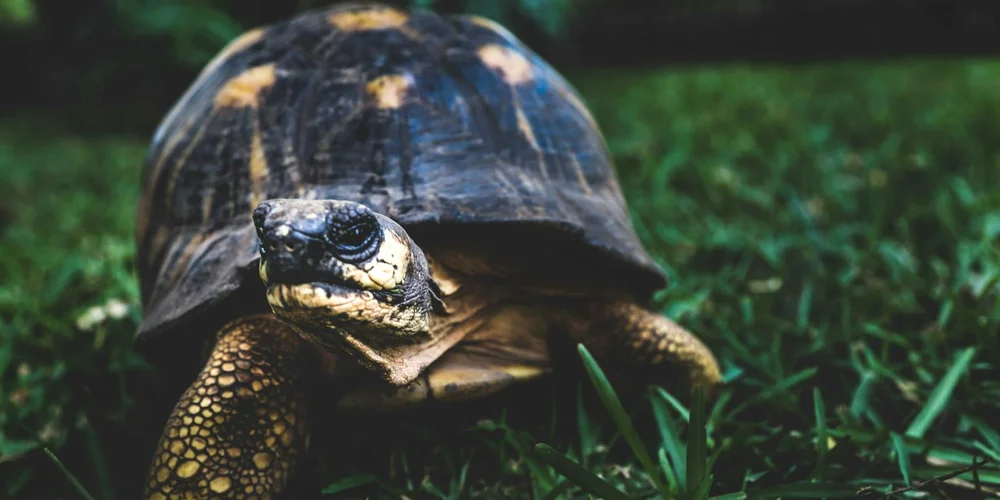
Creating Safe Digging Areas
Your turtle’s need to dig is hardwired, so providing a proper place for it is one of the kindest things you can do. I learned this after watching my Russian tortoise, Austen, repeatedly try to burrow in a corner with a thin layer of substrate. The most critical element for safe digging is providing a deep, loose substrate that holds its shape. A mix of topsoil, coconut coir, and play sand works beautifully, creating a texture they can easily move but that won’t collapse on them.
Depth matters immensely for their sense of security. For smaller tortoises like my Greek, Bronte, I aim for a substrate depth that’s at least twice their shell length. For larger species, you’ll want even more. This allows them to create a proper burrow where they can fully thermoregulate and feel hidden. A shallow digging area is frustrating for a turtle, like being given a blanket too small to cover up with.
Balancing Enclosure Elements
A turtle’s habitat is a small ecosystem, and every part affects their digging behavior. You need to balance the wet and dry areas thoughtfully. My box turtle, Orwell, taught me that a humidity gradient is just as important as a temperature one. He has a moist, deep-soil area for burrowing and a drier, basking spot. This balance prevents the substrate from becoming a muddy, compacted mess or a dusty, unstable dune, which is crucial for proper turtle digging and nesting behaviors.
Think about the entire layout from your turtle’s perspective.
- Place the basking lamp over a solid surface, like a flat stone, away from the main digging zone.
- Ensure the deepest substrate is in a cooler, more shaded part of the enclosure to mimic a natural burrow’s environment.
- Use live, turtle-safe plants with strong root systems to help stabilize the soil in some areas, providing enrichment.
A well-balanced enclosure reduces stress and gives your turtle clear, safe options for expressing its natural instincts.
When Digging Indicates a Problem in Pet Turtles
Common Stress-Related Digging Behaviors
While digging is normal, the context and intensity can signal that something is wrong. I once noticed Bronte digging frantically and relentlessly at the enclosure’s glass wall. This wasn’t the calm, methodical digging I was used to. Obsessive digging in one spot, especially against the walls or on hard surfaces, is a classic sign of stress. It often means the turtle is trying to escape an unsuitable environment.
Look for these other red flags that accompany the digging:
- A sudden, drastic increase in digging activity with no clear purpose.
- Digging that is paired with a refusal to eat or bask.
- Attempts to dig in areas with no substrate, like on a food dish or hide entrance.
This frantic behavior is their way of telling you that a core need is not being met. It’s a plea for help, not just an instinct.
The causes are usually rooted in their captive environment. The most common triggers I’ve encountered are incorrect temperatures, a lack of hiding places, or an enclosure that is simply too small. Your turtle isn’t being difficult; it is responding logically to a stressful situation it cannot control. Addressing the root cause, not just the digging, is the only path to a solution.
Observing and Responding to Digging in Hatchlings and Juveniles
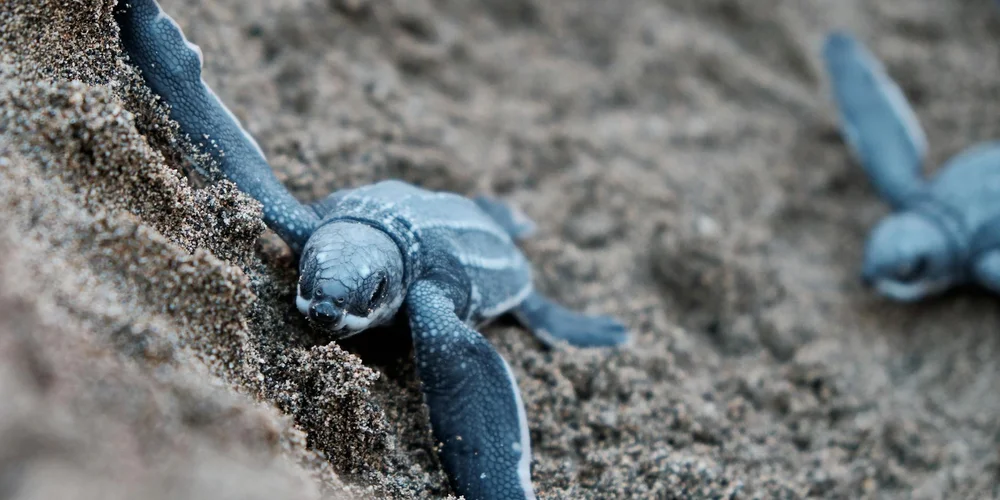
Watching a young turtle or tortoise dig with such determination can be both fascinating and a little worrying. This behavior is often more pronounced in younger turtles as they navigate the vulnerable early stages of life. My Russian tortoise, Austen, was a relentless little excavator in his youth, and I quickly learned this was a sign of a healthy, instinct-driven animal.
Interpreting the Dig: Nesting Instinct vs. Environmental Stress
It’s vital to distinguish between natural nesting behavior and digging that signals a problem with their habitat. Female turtles, even before they are sexually mature, will often practice digging nests. This is a harmless and innate rehearsal for their future reproductive life. You might see them scratch at the substrate or choose a particular corner for their activities. In hatchlings and juveniles, the first year often includes similar digging and exploration as they learn their environment. However, nest digging is typically a mature female activity tied to reproduction, not something hatchlings should be expected to perform regularly.
Conversely, if the digging seems frantic or is coupled with other signs, it could be an environmental plea.
- Temperature Troubles: They might be digging to escape excessive heat at the surface or to find warmer ground if their basking area isn’t adequate.
- Humidity Help: Juveniles often have higher humidity requirements. They burrow to create a microclimate that prevents their shells from pyramiding and keeps their skin hydrated.
- The Need for Security: A hatchling in a large, open enclosure with few hiding spots will dig to create its own secure burrow, a behavior I’ve seen with my box turtle, Orwell, who appreciates a good, enclosed space.
Creating a Supportive Habitat for Your Young Digger
Instead of discouraging the digging, your goal should be to make it safe and satisfying for them.
- Provide the Right Substrate: Offer a deep layer of a soft, burrow-friendly mix. I use a combination of topsoil and coconut coir, which holds its shape beautifully for little architects.
- Establish Proper Temperature and Humidity Gradients: Ensure one end of the enclosure is warmer and drier (the basking zone) and the other is cooler with slightly higher humidity. This gives them choice and control.
- Offer Multiple Hiding Places: Supplement their self-made burrows with half-logs, cork bark rounds, or commercially available hides. This gives them instant security and can sometimes reduce frantic digging.
The most important thing is to observe without immediately intervening, as this digging is a primary way they communicate their comfort levels to you. By tuning into these behaviors, you’re not just building a better habitat; you’re learning the unique language of your shelled companion.
FAQs
How does predation risk influence timing of turtle digging?
Turtles often dig during periods of lower predator activity, such as at night or in dim light, to reduce exposure. This timing helps them avoid threats while engaged in vulnerable behaviors like nesting or sheltering.
How does climate change impact turtle digging behavior?
Climate change can alter seasonal patterns and soil conditions, leading turtles to dig at unusual times or in suboptimal locations. These shifts may disrupt nesting success and thermoregulation, affecting overall health and survival.
How do hatchlings respond to disturbed digging sites?
Hatchlings may abandon a disturbed digging site and quickly seek an alternative spot to continue burrowing. This adaptive response helps them evade potential dangers and re-establish secure hiding places.
So, Why Do Turtles Dig?
Ultimately, digging is a deeply ingrained, healthy behavior for your turtle, and your main job is to ensure their habitat supports it safely. Provide a proper substrate depth, maintain correct temperature gradients, and always observe your pet’s habits to distinguish between natural instincts and potential signs of stress. Enrichment activities, such as foraging games and exploring different textures, help keep your turtle active and healthy.
Being a thoughtful turtle keeper means committing to a lifelong journey of learning about your unique shelled friend. Continue observing, researching, and adjusting your care to create an environment where their natural behaviors, like digging, can flourish happily and healthily.
Further Reading & Sources
- Gopher tortoise – Wikipedia
- Why Do Turtles Bury Themselves? A Detailed Look At Turtle Burrowing Behaviors – Berry Patch Farms
- Turtle Burying Himself In Substrate For Days | Tortoise Forum
- Why Do Turtles Bury Themselves in Dirt? | Pets on Mom.com
Matthew is a dedicated turtle enthusiast and conservationist with over 15 years of experience in reptile care. Known affectionately as "The Leatherback" among his peers, he combines his passion for turtles with a commitment to educating pet owners on responsible turtle care and environmental stewardship.
Understanding Turtle Behavior