
Can Turtles Eat Bread? Your Guide to Safe and Unsafe Foods
Published on: January 19, 2026 | Last Updated: January 19, 2026
Written By: Matthew The
If you’re wondering whether turtles can eat bread, you’re likely concerned about keeping your shelled friend healthy and happy. From my years caring for turtles like Austen and Bronte, I’ve learned that even well-intentioned treats can harm them.
This article covers: why bread is unsafe, safe food alternatives, signs of poor diet, and how to build a balanced meal plan.
Why Bread is Not Recommended for Turtles
Bread offers no nutritional value for a turtle’s complex dietary needs. Their bodies are designed to process leafy greens, specific vegetables, and protein sources, not processed human grains. Over the years with my tortoises, I’ve learned their digestive systems are far more sensitive than they appear.
Feeding bread is like filling their stomachs with empty calories. It creates a false sense of fullness, leading them to eat less of the vital, nutrient-rich foods they truly require. I made this mistake once with a small piece for Orwell, my box turtle, and he ignored his proper dinner completely.
What Makes Bread Problematic?
- Nutritional Deficiency: It lacks the essential vitamins and calcium critical for shell and bone health.
- High Carbohydrate Content: Turtles struggle to digest these, which can lead to digestive upset.
- Potential for Preservatives: Many commercial breads contain salt and other additives that are harmful to reptiles.
- Choking Hazard: Dry bread can expand and become doughy in their throat, posing a serious risk.
The Health Risks of Feeding Bread to Turtles
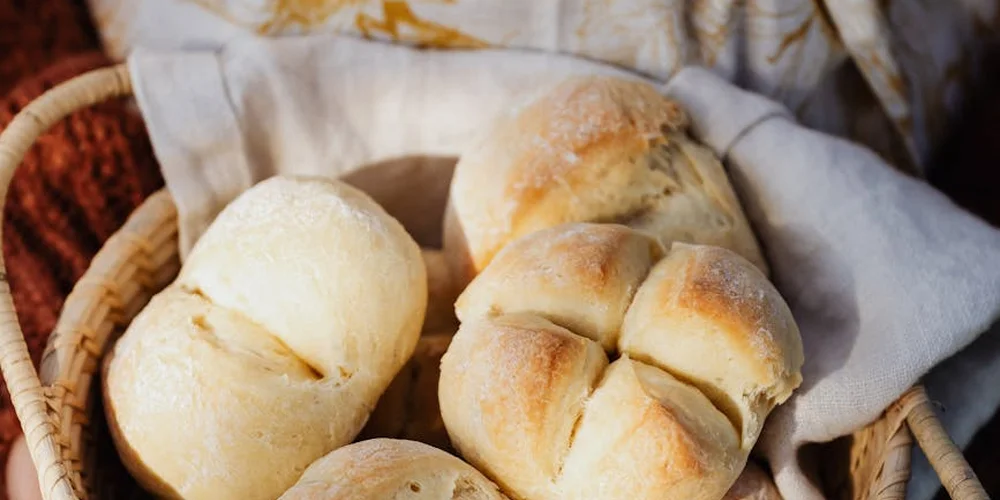
Regularly offering bread can lead to severe, long-term health issues. Malnutrition is the primary and most dangerous consequence, weakening their entire system over time. I’ve seen rescues come in with soft shells from poor diets, and it’s a heartbreaking, entirely preventable condition.
Their digestive tracts are not built for yeast and gluten. This can cause painful bloating, gas, and potentially life-threatening impactions where their gut becomes blocked. A turtle’s metabolism is slow, and these problems can develop silently before showing obvious symptoms.
Specific Health Conditions Linked to Bread
- Metabolic Bone Disease (MBD): Caused by a lack of calcium and proper UVB light, leading to a soft, deformed shell and brittle bones.
- Liver and Kidney Strain: Their organs must work overtime to process the unsuitable ingredients.
- Water Pollution: In aquatic setups, uneaten bread quickly decays, fouling the water and promoting harmful bacterial growth.
- Obesity: The empty calories contribute to unhealthy weight gain, putting stress on their joints and organs.
Sticking to a species-appropriate diet is the kindest choice you can make for your shelled friend. A well-fed turtle is an active, curious, and long-lived companion, and that is always the ultimate goal.
What to Do If Your Turtle Eats Bread
If your turtle snags a piece of bread, stay calm and act quickly. Monitor them closely for any signs of digestive upset, like lethargy or changes in appetite, over the next 24 hours. I remember when my Russian tortoise, Austen, once got into a stray crumb—I kept a gentle watch and made sure he had plenty of fresh water to help flush it out. Offer clean water to encourage hydration, which can ease any minor discomfort. If symptoms persist or worsen, such as vomiting or lack of movement, contact a reptile veterinarian right away for guidance. Being aware of the red flags can help you know when your turtle needs to see a veterinarian. If you notice persistent lethargy, continued loss of appetite, swelling, breathing difficulty, or abnormal discharge, seek veterinary care promptly. Always prioritize your turtle’s well-being by avoiding repeat incidents and sticking to their natural diet.
Safe and Nutritious Alternatives to Bread

Instead of bread, focus on foods that mimic what turtles eat in the wild. Providing a varied, nutrient-rich diet supports their shell health and overall vitality, something I’ve seen with my own turtles over the years. Think leafy greens, colorful veggies, and occasional fruits to keep meals exciting and balanced. For reference, here is a complete, safe list of vegetables turtles can eat to help you plan meals confidently. Sticking to this guide helps ensure you feed the right greens while avoiding unsafe options.
Best Leafy Greens for Turtles
Leafy greens are a staple in a turtle’s diet, packed with fiber and vitamins. I often rotate options like dandelion greens and kale for my Greek tortoise, Bronte, who thrives on their crisp texture. There are also safe flowers and other non-toxic plants turtles can enjoy as part of a varied diet. Just be sure they’re pesticide-free. Here’s a list of top choices to include regularly:
- Collard greens: High in calcium, great for shell strength.
- Mustard greens: Rich in antioxidants, adds variety.
- Turnip greens: Low in oxalates, easy on digestion.
- Endive: Mild flavor, perfect for picky eaters.
Avoid iceberg lettuce, as it’s mostly water and lacks nutrients-stick to darker greens for real benefits.
Fruits and Vegetables in Moderation
Fruits and veggies add color and nutrients but should be treats due to sugar content. My box turtle, Orwell, loves a small slice of strawberry now and then, but I limit it to once a week to prevent weight gain. Offer these in small amounts to avoid digestive issues:
- Carrots: Shredded for easy eating, full of vitamin A.
- Bell peppers: Colorful and crunchy, rich in vitamin C.
- Apples: Remove seeds and core, a sweet occasional snack.
- Zucchini: Soft and hydrating, gentle on their system.
Always wash produce thoroughly to remove pesticides, and chop items into bite-sized pieces to prevent choking hazards. Rotate options to keep their diet interesting and nutritious.
Understanding Your Turtle’s Natural Diet
In the wild, a turtle’s menu is dictated by its habitat and species. Their natural diet is a complex, varied buffet of what their environment provides, not a single, simple food item. When you compare aquatic and land turtles, the differences are most evident in their protein sources and plant intake: aquatic species rely more on waterborne invertebrates and submerged plants, while land turtles consume more fibrous greens. That key contrast helps explain why these groups eat so differently in the wild and in care. My Russian tortoise, Austen, would naturally graze on fibrous weeds and leafy greens, while my box turtle, Orwell, would be hunting for worms and slugs after a rain.
Most turtles fall into one of three dietary categories:
- Herbivores: Primarily plant-eaters. Their diet consists of grasses, leaves, flowers, and some fruits. This includes many tortoises.
- Omnivores: They eat a balanced mix of plants and protein. Younger aquatic turtles need more protein (like insects and small fish), shifting to more plants as they age.
- Carnivores: Mostly protein-based eaters, common in many aquatic species. Their diet is rich in fish, insects, and crustaceans.
Bread fits into none of these categories. It’s a processed human food that their digestive systems simply aren’t designed to handle effectively. Offering it is like feeding a wild deer a slice of cake; it might eat it, but it provides no real nutritional benefit and can cause harm.
Practical Feeding Guidelines for Pet Turtles
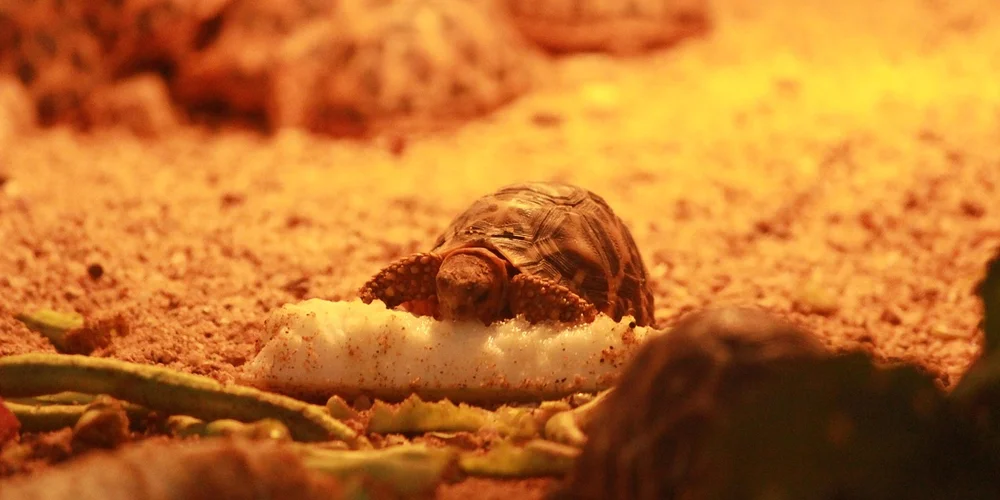
Feeding your shelled friend properly is simpler than it seems once you know the basics. The golden rule I follow with my own turtles is to mimic the variety and nutritional value of their wild diet as closely as possible. This keeps them active, supports shell growth, and promotes a long, healthy life. If you’re a new turtle parent, the turtle ultimate beginners guide is a great starting point. It covers what to offer, how often to feed, and how to rotate foods for balance.
Start with this simple portion size guide. A good measure is to offer an amount of food that is roughly the size of your turtle’s head. This prevents overfeeding, a common issue in pet turtles. Pair this with a consistent feeding schedule to avoid over- or underfeeding. Feed smaller portions more often rather than one large meal.
Create a rotating weekly menu based on your turtle’s dietary type. Here is a sample plan I use for my omnivorous box turtle, Orwell:
- Monday: Dark, leafy greens (e.g., dandelion greens, collard greens)
- Tuesday: Protein source (e.g., two earthworms or a few gut-loaded crickets)
- Wednesday: Mixed vegetables (e.g., shredded squash, chopped bell pepper)
- Thursday: Leafy greens again
- Friday: Protein source (e.g., a small piece of cooked, unseasoned fish)
- Saturday: Fasting day (no food)
- Sunday: A small treat (e.g., one blueberry or a raspberry)
Always provide fresh, dechlorinated water for drinking and soaking, as proper hydration is just as critical as the food they eat. In times of illness, supportive care focuses on steady hydration and gentle feeding to keep them comfortable. A calm, warm environment helps ease stress during recovery. I change Austen and Bronte’s water daily, and I see them drinking from it often. Watching your turtle’s behavior and weight is the best way to fine-tune their diet for their individual needs.
FAQs
Can turtles digest bread properly?
Turtles lack the necessary enzymes to break down the gluten and yeast in bread efficiently. This can result in digestive issues like bloating or impaction over time.
Is it safe to feed turtles bread as a rare treat?
No, even occasional bread consumption can lead to malnutrition and organ strain due to its empty calories. Always prioritize nutrient-rich foods designed for their species.
What immediate symptoms should I watch for if my turtle eats bread?
Monitor for lethargy, reduced appetite, or signs of bloating within the first day. Contact a reptile vet if symptoms persist or worsen for professional advice.
Are there any grain-based foods that are safe for turtles?
Small amounts of cooked, plain rice or oats can be offered occasionally as a carbohydrate source. Ensure these are minimal and do not replace essential greens or proteins.
How can I prevent my turtle from accessing bread in a household setting?
Store bread securely away from your turtle’s habitat and inform everyone in the home about the risks. Supervise interactions to avoid accidental feeding of unsafe items. Common turtle feeding mistakes include giving bread or other inappropriate foods. Avoiding them helps protect your turtle’s health.
Your Turtle’s Health Is in Your Hands
From my time caring for turtles like Austen and Bronte, I’ve learned that bread lacks essential nutrients and can cause digestive problems. Stick to fresh greens, veggies, and occasional proteins to support their growth and vitality.
Responsible pet ownership means always seeking out reliable information on turtle care. Keep exploring and adapting your approach to ensure your shelled companion enjoys a happy, healthy life. Being aware of which health issues are most critical turtle health issues helps you watch for warning signs early. This way you can seek timely veterinary care when needed.
Further Reading & Sources
- Can Turtles Eat Bread? Vet-Reviewed Nutrition Facts & Safety Guide | Hepper Pet Resources
- Can Turtles Eat Bread? Is it OK to Feed Them? – AquaticPals
- Can Turtles Eat Bread? Vet-Verified Nutrition & Info | PangoVet
- Can You Feed Bread To Wild Turtles? – Steemit
Matthew is a dedicated turtle enthusiast and conservationist with over 15 years of experience in reptile care. Known affectionately as "The Leatherback" among his peers, he combines his passion for turtles with a commitment to educating pet owners on responsible turtle care and environmental stewardship.
Common Turtle Foods