
How to Create a Balanced Diet for Your Omnivorous Turtle
Published on: January 29, 2026 | Last Updated: January 29, 2026
Written By: Matthew The
Feeding your omnivorous turtle a balanced diet can feel like a puzzle, especially when you’re worried about nutritional gaps or overfeeding leading to health issues.
We’ll cover essential food groups, proper feeding schedules, supplement needs, and common mistakes to steer clear of.
Understanding Omnivorous Turtle Nutrition
An omnivorous diet means your turtle thrives on a mix of animal and plant-based foods. This dual need reflects their wild behavior, where they might snack on a worm one minute and nibble aquatic plants the next.
They require a spectrum of key nutrients. Protein supports shell and muscle development. Calcium is non-negotiable for a strong, healthy shell. Vitamins, especially A and D3, are vital for immune function and calcium absorption.
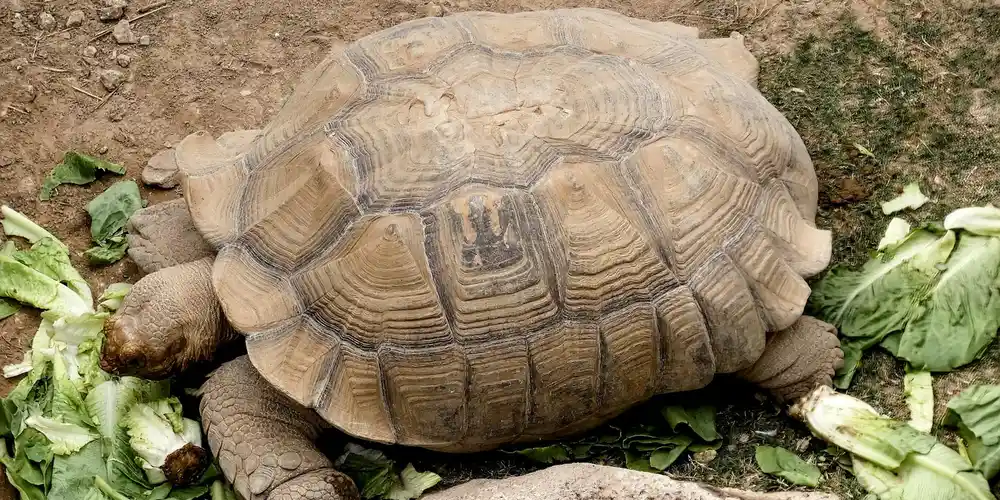
Getting the balance right is the true art. Juvenile turtles need more animal protein for growth, while adults benefit from a diet heavier in plant matter. I’ve found with my Russian tortoise, Austen, that a rough 50/50 split works wonderfully for his steady energy levels.
Variety isn’t just about nutrition; it’s about mental enrichment. Feeding the same pellets every day is boring. Introducing different textures and colors keeps your turtle engaged and mimics the foraging excitement they’d experience in nature.
Animal Protein Sources for Optimal Health

Animal protein is a powerhouse for your turtle. Think of it as their main course. Common options include gut-loaded insects, earthworms, and small, freshwater fish. In a turtle protein guide, insects, spiders, and worms are commonly recommended protein sources. This helps balance variety and protein levels in your turtle’s diet.
Feeding frequency depends heavily on age and species. My young box turtle, Orwell, gets protein about four times a week. My older Greek tortoise, Bronte, only gets it once or twice. Observing your turtle’s energy and growth is the best guide to fine-tuning their schedule. Many keepers find that feeding turtles more often in smaller portions fits a steady, sustainable schedule. It helps prevent overfeeding and supports digestion.
I always source from reputable pet stores to ensure the food is free of pesticides. Thawing frozen fish thoroughly and chopping larger items into manageable, bite-sized pieces prevents choking and makes eating easier for them.
Insects and Worms
These are fantastic staples. Crickets provide a good chase, encouraging natural hunting behavior. Mealworms are a tasty treat, but should be given sparingly due to their high fat content.
I typically offer a portion of insects that would roughly fit inside my turtle’s head if it were hollow. This visual trick is a reliable way to avoid overfeeding, which is a common issue in captive turtles.
Small Fish and Other Proteins
Small fish like guppies or minnows are excellent. They offer protein and the activity of the chase. You can offer them live for enrichment or pre-killed for convenience.
Freshness is paramount. Never offer fish that has been sitting out. Rotating between fish, shrimp, and even the occasional bit of boiled chicken provides a spectrum of amino acids and keeps mealtime exciting.
Plant Matter: Greens and Vegetables for Vitality
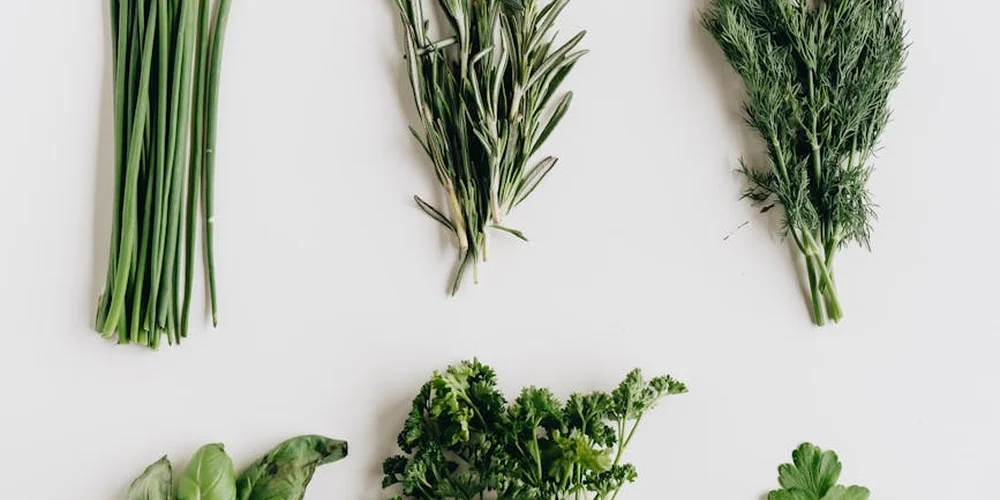
- Leafy greens like kale, dandelion greens, and collard greens form the backbone of a healthy turtle diet. They provide essential fiber and vitamins that keep your pet thriving.
- Plant matter supports smooth digestion by adding bulk to their meals. This roughage helps prevent common issues like constipation, which I’ve seen improve with my Russian tortoise, Austen.
- Mix colors and textures by combining dark greens with orange carrots or red bell peppers. Variety not only looks appealing but ensures a wider range of nutrients for your turtle.
Leafy Greens and Safe Choices
- Kale offers high calcium levels, while dandelion greens are rich in antioxidants. My Greek tortoise, Bronte, eagerly nibbles on freshly picked dandelion leaves, and I notice her shell stays vibrant.
- Preparation tips include rinsing greens well to remove dirt and chopping them into small, manageable pieces. Softer textures from lightly steaming tough veggies can make them more palatable for picky eaters.
Vegetables and Fruits as Treats
- Safe options include carrots, zucchini, and berries like blueberries. Limit fruits to once or twice a week to avoid excess sugar, which I carefully monitor with my box turtle, Orwell.
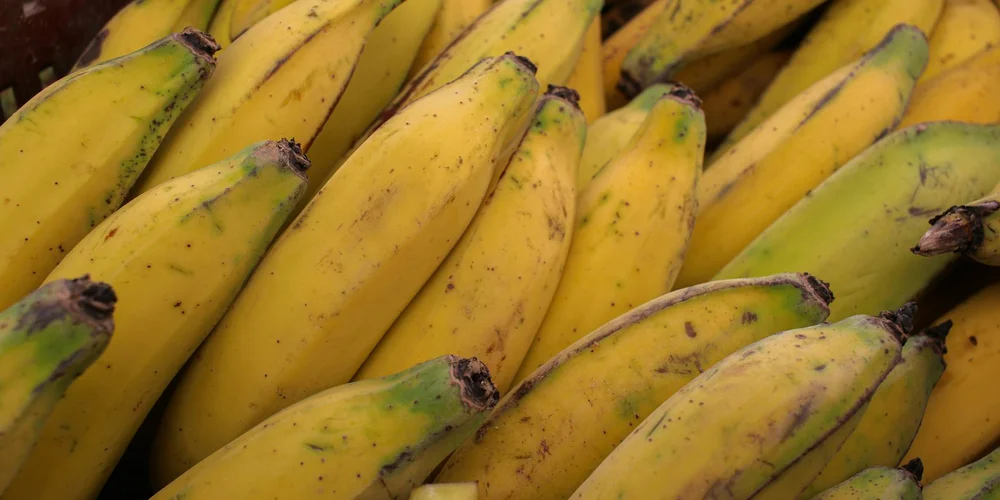
- Avoid high-sugar fruits such as grapes and bananas. Sticking to low-sugar choices helps maintain a healthy weight and prevents metabolic issues.
Essential Supplements and Vitamin Support
- Calcium supplements like cuttlebone or powdered forms are vital for shell and bone strength. I always keep a cuttlebone in Austen’s enclosure for him to gnaw on as needed.
- Maintain a proper calcium-to-phosphorus ratio, ideally 2:1, to support metabolic functions. Vitamin D3 is necessary for calcium absorption, so don’t overlook this duo.
- UVB lighting enables natural vitamin D3 production in your turtle’s skin. This process is key for converting dietary calcium into usable form, preventing debilitating conditions.
Calcium and Phosphorus Management
- Steps for balance include dusting food with calcium powder 2-3 times weekly. Regularly check for soft spots on the shell as an early warning sign of imbalance.
- From my experience, I set a supplement schedule aligned with feeding days. Bronte’s steady growth and active behavior show how consistent ratios make a difference.
Vitamin D3 and UVB Lighting
- UVB light and vitamin D3 work together to facilitate calcium uptake for bone density. Without adequate exposure, turtles can develop metabolic bone disease, something I vigilantly avoid with Orwell.
- Practical setup involves positioning a UVB lamp about 12 inches above the basking area. Replace bulbs every 6-12 months to ensure they emit effective levels of light for health.
Feeding Frequency and Portion Control
Getting the feeding schedule right is key to keeping your turtle healthy and happy. I’ve found that adjusting meals based on age makes a huge difference in their energy and shell condition. With my Box Turtle Orwell, who’s 7 years old, I’ve fine-tuned his diet over the years to match his slower metabolism. In senior turtle care, adjusting both diet and habitat as aging pets change can make a big difference. Regular vet checks and gentle habitat tweaks help support comfort and overall well-being.
Feeding Schedules for Juveniles vs Adults
- Juveniles (under 5 years): Feed daily to support rapid growth and development. Their little bodies need constant fuel.
- Adults (5 years and older): Offer food every other day or 3-4 times a week to prevent weight gain and digestive issues.
Orwell used to eat daily as a youngster, but now he thrives on a more spaced-out routine. This shift helps mimic their natural eating patterns and reduces the risk of obesity.
How to Gauge Portion Sizes
Portion control is simple once you get the hang of it. A handy rule I follow is to offer an amount of food roughly the size of your turtle’s head for each meal. For mixed diets, balance proteins and veggies to avoid overloading on one type. Watch for leftovers-if there’s uneaten food, you’re likely giving too much.
Importance of Hydration and Clean Water
Hydration is just as vital as food for your turtle’s well-being. Always provide a shallow dish of fresh, clean water for drinking and soaking, changed daily to prevent bacteria buildup. I’ve noticed Orwell enjoys a good soak, which keeps his skin and shell hydrated. Regularly checking essential water quality parameters—pH, ammonia, nitrite, nitrate, and temperature—helps ensure the turtle tank stays healthy. When these parameters stay within safe ranges, soaking remains safe and stress-free. Clean water supports kidney function and overall vitality, so never skip this step.
Foods to Avoid and Safety Precautions
Knowing what not to feed your turtle can save you from scary vet visits. I learned this lesson early when Orwell nibbled on something iffy and showed signs of discomfort. Sticking to safe, varied foods keeps them thriving. This is the guidance you’ll find in the feed your pet turtle ultimate beginners guide. It covers safe staples, portion sizes, and feeding schedules.
Toxic or Harmful Foods to Never Feed
- Avocado: Contains persin, which is toxic to many reptiles and can cause serious health issues.
- Rhubarb: High in oxalic acid, leading to kidney damage over time.
- Chocolate or caffeine: These are outright dangerous and can be fatal.
- Onions and garlic: Can cause digestive upset and anemia in turtles.
Avoiding these foods is non-negotiable for your turtle’s safety—I double-check every new treat I introduce. Understanding safe vs unsafe foods is essential, especially since bread is usually unsafe for turtles and should be avoided.
Common Mistakes and Spotting Nutritional Issues
Many owners slip up by overfeeding proteins or skipping variety. Look for warning signs like a soft shell, lethargy, or weight loss, which often point to imbalances. With Orwell, I once overdid the insects, and his shell started to look dull. Catching it early meant adjusting his greens intake quickly. Regular vet check-ups help spot hidden problems before they escalate.
Role of Commercial Turtle Pellets as a Supplement
Commercial pellets can be a reliable backup but shouldn’t dominate the diet. I use high-quality pellets as a supplement for Orwell, mixing them with fresh foods to ensure he gets all essential vitamins. They’re convenient for busy days, but whole foods like leafy greens and occasional insects offer better nutrition and enrichment. Always choose pellets with natural ingredients and no artificial additives.
FAQs
How can I ensure my turtle is hydrated properly?
Provide a shallow water dish for drinking and soaking, and change it daily to prevent bacterial growth. You can also mist their food with water or offer watery vegetables like cucumber to boost hydration levels.
What should I do if my turtle refuses to eat vegetables?
Mix small amounts of vegetables with their preferred protein sources to make them more appealing. Gradually increase the vegetable portion over time as your turtle becomes familiar with the taste and texture. When you source fresh foods for your turtle, choose pesticide-free produce and rinse well before serving. Preparing fresh foods at home lets you control quality and helps ensure a balanced diet.
Are there any seasonal changes I should make to my turtle’s diet?
In warmer months, offer more fresh greens and insects to match higher activity levels, while reducing portions slightly in cooler seasons if your turtle becomes less active. Always observe their weight and behavior to adjust feeding accordingly, especially if they show signs of brumation.
A Healthy Turtle is a Happy Turtle
Crafting a balanced diet for your omnivorous turtle ultimately comes down to offering a variety of fresh proteins, leafy greens, and essential supplements like calcium. This simple, varied approach is the cornerstone of their long-term health and vitality.
Caring for a turtle is a long-term commitment that rewards you with a fascinating companion for years to come. Your journey as a pet owner is one of continuous learning, so keep exploring resources like ours to ensure your shelled friend thrives.
Further Reading & Sources
- What Do Turtles Eat? | PetMD
- Nutrition in Turtles – Management and Nutrition – Merck Veterinary Manual
- What Do Turtles Eat? A Guide To Feeding Your Pet Turtle | Chewy
- The Varied Diets of Turtles: A Comprehensive Guide – A-Z Animals
Matthew is a dedicated turtle enthusiast and conservationist with over 15 years of experience in reptile care. Known affectionately as "The Leatherback" among his peers, he combines his passion for turtles with a commitment to educating pet owners on responsible turtle care and environmental stewardship.
Common Turtle Foods