
Turtle-Proofing Your Home: A Safety Guide for Supervised Free-Roaming
Published on: February 27, 2026 | Last Updated: February 27, 2026
Written By: Matthew The
Watching your turtle roam freely at home fills you with joy, but it also sparks real fears about their safety from hidden dangers. After years with my own tortoises like Austen, I’ve felt that worry firsthand and learned how to create a secure space for their adventures.
This article covers: identifying common hazards, securing risky areas, monitoring turtle behavior, preparing for emergencies
Why Turtle-Proofing Your Home Is Essential
Imagine your home from a few inches off the ground. Every electrical cord is a potential chew toy. Every dark space under a cabinet is a mysterious cave to explore. This is the world your turtle experiences, and it’s filled with hidden dangers we often overlook.
My Russian tortoise, Austen, once spent an entire afternoon trying to eat a stray shoelace. It wasn’t food, but his persistent nature meant he wouldn’t give up. Turtles are driven by instinct, not logic, and their curiosity can quickly lead them into trouble.
Beyond preventing a scary emergency, proofing your home reduces your stress. You can relax and enjoy watching your shelled friend explore, knowing you’ve created a secure environment for their adventures.
Core Steps for Effective Turtle-Proofing
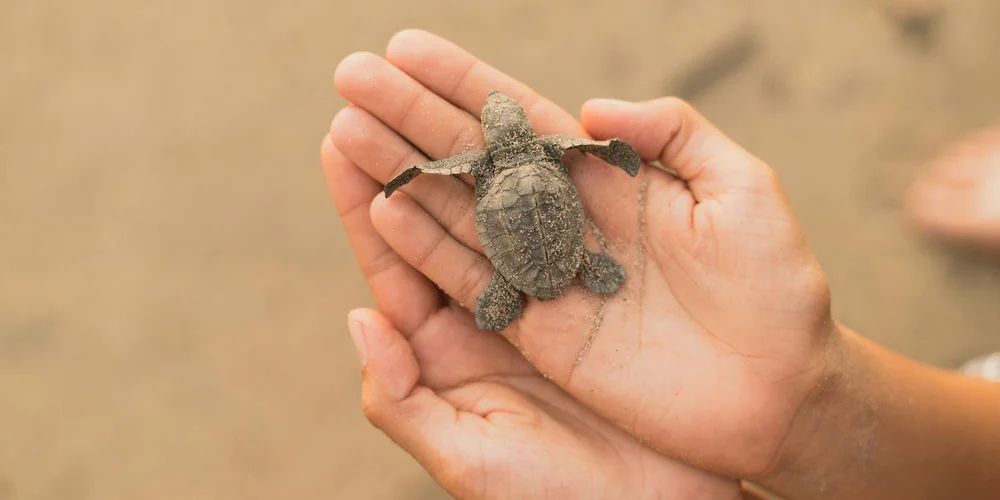
Step 1: Identify and Remove Common Hazards
Get down on your hands and knees. Seriously. See the world from your turtle’s perspective. You’ll spot dangers you never knew were there.
Here is a checklist of common household hazards to eliminate:
- Small Objects: Hair ties, coins, pen caps, and children’s toys are choking hazards.
- Electrical Cords: Turtles may chew on them. Use cord concealers or secure them out of reach.
- Toxic Plants: Many common houseplants are poisonous. Research every plant in the roaming area.
- Chemicals: Floor cleaners, pest traps, and even spilled perfume can be toxic.
- Human Food: Crumbs or dropped food can be harmful if ingested.
My Greek tortoise, Bronte, has a particular fascination with anything dark and circular, mistaking it for a tasty berry. A thorough, ground-level sweep before each free-roaming session is your first and best defense.
Step 2: Secure Escape Routes and High-Risk Areas
Turtles are surprisingly determined escape artists. They can wedge themselves into impossibly small spaces and are masters of the slow, steady push.
Focus your efforts on these key areas:
- Under Furniture: Block gaps under couches, bookshelves, and beds with foam pool noodles cut to size or sturdy boards.
- Staircases: Use pet gates or a temporary barrier. A fall down even a single step can cause serious injury.
- Behind Appliances: The warm, dark space behind a refrigerator or oven is dangerously appealing. Seal these areas off completely.
- Balconies and Patios: Ensure there are no gaps in railings where a turtle could squeeze through or fall.
I learned this the hard way when my box turtle, Orwell, vanished for an hour only to be found peacefully napping inside a closed cabinet he had somehow nudged open. Never underestimate their strength and persistence; what seems secure to you might be an open door to them.
Step 3: Set Up a Temporary Safe Zone
Even in a well-proofed room, you cannot watch your turtle every single second. A designated safe zone is your safety net. To set it straight, here are 9 turtle habitat myths that could hurt your pet. Understanding these myths helps you keep your turtle healthy and safe.
This area should be a small, enclosed space where your turtle can be left for short periods if you need to answer the door or attend to something quickly. But how much space does your turtle actually need? The size of the enclosure matters for their welfare, even for brief periods.
You can create one easily with:
- A large, low-sided plastic storage bin with no lid.
- A small pet playpen.
- A section of room blocked by interlocking foam mats or boards.
Place a shallow water dish and a hide box inside. This safe zone isn’t a prison; it’s a secure “home base” that prevents panic if you need to step away momentarily. It gives both you and your pet peace of mind.
Room-by-Room Safety Checklist
Living Room and Common Areas
Your living room is a hub of activity, but it hides sneaky dangers for a roaming turtle. I learned this when Austen, my Russian Tortoise, wedged himself under a bookshelf-his gentle nature didn’t stop him from finding trouble. Always scan for small items like coins or rubber bands that could be swallowed, as turtles are curious nibblers. Secure electrical cords out of reach or use cord covers to prevent chewing. Move low furniture to block gaps where they might get stuck, and avoid loose rugs that could trip them up. A quick sweep before roaming time keeps everyone safe.
- Tuck away wires and cables behind furniture or use protective tubing.
- Remove tiny decor pieces or children’s toys from the floor.
- Check under sofas and chairs for hidden spaces; block them with boards or towels.
Kitchen and Bathroom
Kitchens and bathrooms are slippery and full of hazards, from wet floors to toxic substances. Bronte, my Greek Tortoise, once slipped on a damp tile, reminding me how crucial grip is for their graceful movements. Keep floors dry and store cleaning supplies in locked cabinets to avoid accidental exposure. Close toilet lids and empty buckets of water to prevent drowning risks. In the kitchen, wipe up spills immediately and avoid leaving food scraps that might attract your turtle to unsafe areas.
- Use non-slip mats near sinks and tubs for better traction.
- Store chemicals like bleach or detergent high up or in child-proof latches.
- Supervise closely around appliances to avoid burns or falls.
Bedrooms and Less-Frequented Spaces
Bedrooms and spare rooms often collect clutter, creating hidden traps for a slow-moving explorer. Orwell, my Box Turtle, taught me this when he disappeared under a bed piled with boxes-his reserved personality meant he stayed quiet until I found him. Declutter floors regularly and check under furniture for dust bunnies or small objects that could cause harm. Close closet doors and use draft stoppers to seal gaps under doors, ensuring your turtle doesn’t wander into unsafe nooks.
- Vacuum or sweep under beds and dressers to remove debris.
- Keep laundry and shoes off the floor to prevent chewing or hiding.
- Install soft barriers like foam noodles under door cracks if needed.
Creating a Supportive Indoor Habitat

Essential Habitat Elements for Free-Roaming
A supportive habitat isn’t just about the enclosure-it’s about blending safety with comfort during roaming sessions. Based on my years with Austen, Bronte, and Orwell, I’ve found that simple additions make a big difference. Place a shallow water dish in a corner for easy hydration, as dehydration can sneak up on them during exploration. Add a low-wattage basking lamp in a safe spot to mimic natural warmth, and include hideaways like overturned plant pots or tunnels for stress relief. Use reptile-safe substrates in areas they frequent to encourage natural digging behaviors.
- Set up a designated “rest zone” with a soft mat and hiding spot.
- Keep a thermometer handy to monitor room temperature, aiming for 75-85°F.
- Offer edible plants like dandelion greens in a small dish to enrich their diet.
Balancing Enclosure Time with Roaming
Finding the right balance between enclosure time and free-roaming is key to your turtle’s health and happiness. I’ve noticed that Orwell, with his intelligent demeanor, gets restless if cooped up too long, while Bronte thrives on routine. Start with short roaming sessions of 30-60 minutes, gradually increasing as your turtle shows comfort and curiosity. Always return them to their enclosure for feeding, basking, and overnight safety. Watch for signs of fatigue, like reduced movement or hiding, and adjust the schedule to avoid stress.
- Observe your turtle’s behavior during roams-are they active or seeking shelter?
- Use a timer to track sessions and prevent overexertion.
- Integrate roaming into daily routines, like after morning feedings, for consistency.
Supervision and Monitoring Best Practices
Supervising a free-roaming turtle isn’t like watching a hamster in a ball; it requires your active, engaged presence. Active supervision means keeping your turtle within your line of sight and being close enough to intervene in seconds, not minutes. My tortoise, Bronte, once made a beeline for a forgotten electrical cord I hadn’t even noticed, proving that constant vigilance is non-negotiable. To help with that, many keepers automate habitat timers and controls for lights, heat, and water. When used thoughtfully, these tools help keep conditions stable even when you’re momentarily away.
Setting Up a Supervision Schedule
Life gets busy, which is why a schedule prevents lapses in care. I structure my turtle’s free-roam time around my own daily rhythms.
- Anchor sessions to existing routines, like a 30-minute roam while you have your morning coffee or during your evening TV time.
- Keep initial sessions short, around 15-20 minutes, to prevent both you and your turtle from becoming fatigued.
- Schedule sessions for when your turtle is naturally most active, which for many species is late morning or early afternoon.
- Always do a final “turtle check” before ending a session to ensure they haven’t tucked themselves into a quiet, dangerous corner.
Using Tools for Better Monitoring
Your eyes are the best tool, but technology offers a fantastic safety net. I use a combination of simple and smart devices to keep tabs on my crew.
- A standard baby monitor is perfect for keeping an audio and visual connection if you need to step into another room.
- For larger spaces, a Wi-Fi security camera with pan-and-tilt features lets you monitor your turtle from your smartphone.
- Create small, temporary barriers using pet playpen panels to section off a safe, easy-to-watch area.
- Place a small, brightly colored marker on your turtle’s shell (non-toxic, pet-safe nail polish works) to make them easier to spot in complex environments.
Handling Emergencies and Common Issues

Even with perfect preparation, things can go wrong. Staying calm is your most powerful tool in any emergency, as panic helps no one, especially your slow-moving friend. Having a plan for common scenarios transforms a potential crisis into a manageable situation.
Immediate Response to Escapes or Injuries
If your turtle goes missing or gets hurt, a swift, methodical response is key. I’ve had to enact this plan more than once with my curious box turtle, Orwell. Part of that plan is preparing your turtle’s first vet visit. This means finding a reptile-savvy veterinarian and scheduling a check-up early.
- For a missing turtle: Check every dark, warm, and tight space immediately. Look under appliances, inside closets, and behind furniture. Turtles are masters of hiding in plain sight.
- If you find them and they are unharmed, gently place them back in their secure enclosure to calm down.
- For an injury, like a fall or a cracked shell, carefully move the turtle to a small, clean container with a soft towel.
- Do not attempt to treat serious wounds yourself. Contact your exotic veterinarian immediately for instructions and get there as soon as possible.
Preventing Health Risks Like Salmonella
This is a critical, often overlooked aspect of turtle ownership that protects both your family and your pet. Salmonella is a natural gut bacteria in many reptiles, not a sign of illness in them.
- Wash your hands thoroughly with soap and water for at least 20 seconds after every single interaction with your turtle or their environment.
- Never allow turtles to roam in areas where food is prepared or eaten, such as kitchens or dining rooms.
- Designate specific towels or blankets for your turtle’s free-roaming time and wash them separately on a hot cycle.
- Avoid letting high-risk individuals (children under 5, elderly, immunocompromised) handle the turtle or be in the immediate area during free-roam sessions.
Products and DIY Solutions for Enhanced Safety
Recommended Safety Products
When I first let Austen, my Russian Tortoise, roam freely, I quickly learned that a few key products can make all the difference. Investing in baby gates or pet playpens creates safe zones, preventing accidental falls or escapes. Look for ones with narrow gaps to avoid tiny heads getting stuck.
Non-slip mats placed under food and water dishes stop spills and provide stable footing. Corner guards on sharp furniture edges protect your turtle from painful bumps and scratches. I’ve seen Bronte, my Greek Tortoise, gracefully navigate rooms once these were in place.
- Temperature-controlled heating pads to maintain safe basking spots away from drafts.
- Low-profile ramps for easy access over small ledges, reducing strain on their shells.
- Pet-safe barrier sprays to deter chewing on cords or wood, which Orwell, my Box Turtle, once tried.
Always choose items made from non-toxic materials to support animal welfare and avoid health risks.
Simple DIY Turtle-Proofing Ideas
You don’t need a big budget to keep your home turtle-safe. Use cardboard or foam board to block off gaps under furniture where a curious tortoise might hide. I did this for Austen, and it saved me many worried searches. Avoid common terrestrial turtle enclosure mistakes like leaving gaps or loose panels. Regular checks keep the setup secure and safer for your tortoise.
Create homemade ramps from sturdy, sanded wood planks covered in grip tape. Repurpose old towels or rugs as soft pathways to cushion hard floors and prevent shell damage. Bronte loves her custom “turtle trail” I made from spare fabric.
- Secure loose wires with zip ties or tape them along baseboards out of reach.
- Place heavy books or decor as temporary barriers to limit access to risky areas.
- Add shallow water dishes in corners to hydrate without deep drowning hazards.
Test each DIY fix during supervised sessions to ensure it holds up to your turtle’s unique personality and movements, especially when handling your pet turtle for the first time.
When to Consult a Professional
Some safety issues go beyond simple fixes and need expert help. If your home has structural risks like loose floorboards or unstable shelving, a handyman can secure them safely. I called one when Orwell kept nudging a wobbly bookcase.
Electrical wiring near roaming areas poses a severe shock hazard. Hire an electrician to reroute cords or install outlet covers that resist tampering. This step is non-negotiable for animal welfare.
Consult a vet or reptile specialist if your turtle shows stress signs like refusing to move or eat in new spaces. They can assess if environmental changes are causing health issues and recommend tailored solutions. My experience with Bronte taught me that professional advice often reveals hidden problems—particularly when it’s not obvious that a vet visit is needed.
FAQs
How frequently should I reassess my home’s turtle-proofing?
Regular checks are essential to adapt to new hazards or changes in your home. Aim for a quick inspection weekly and a thorough review monthly to maintain a safe environment.
Can all types of pet turtles safely free-roam indoors?
Not all species are suited for free-roaming due to differences in size, behavior, and health needs. Always research your turtle’s specific requirements and consult a veterinarian to ensure it’s safe for your pet.
How can I tell if my turtle is enjoying its free-roaming time?
Look for positive behaviors like steady movement and curiosity toward new objects. This can be part of a behavioral diagnostic checklist for why your turtle is acting strange. Keeping a simple log of unusual behaviors can help identify patterns. If your turtle appears stressed, such as by hiding frequently, shorten the sessions and adjust the roaming area for comfort.
A Safe Start for Your Shelled Friend
Supervised free-roaming hinges on constant vigilance and removing hazards like loose wires or toxic plants from their path. I’ve seen my tortoise, Austen, curiously nudge at cords, so securing these is non-negotiable for their safety.
Caring for a turtle is a rewarding journey that demands ongoing education and adaptation to their needs. From my experience with Bronte and Orwell, I continuously research to provide the best life, and I encourage you to do the same for your pet’s welfare.
Further Reading & Sources
- Aquatic Turtle Care Sheet | PetMD
- Turtle & Tortoise Care Sheet – Fluker Farms
- Aquatic Turtle Care: Expert Guide & Tips | Petco
- API® | Turtle Simple Care Guide
Matthew is a dedicated turtle enthusiast and conservationist with over 15 years of experience in reptile care. Known affectionately as "The Leatherback" among his peers, he combines his passion for turtles with a commitment to educating pet owners on responsible turtle care and environmental stewardship.
Common Hazards