
A Guide to Aquatic Plants That Turtles Can Safely Eat
Published on: August 17, 2026 | Last Updated: August 17, 2026
Written By: Matthew The
You want to provide a varied, natural diet for your turtle, but you worry about which greens from their aquatic home are truly safe for them to munch on.
This guide covers safe plant options, what to absolutely avoid, how to prepare them, and how to incorporate these greens into a balanced diet.
Why Turtles Thrive on Aquatic Plants
Plant-based foods are the cornerstone of a healthy turtle diet, providing essential fiber for digestion and a rich spectrum of vitamins. Think of these aquatic greens as their daily multi-vitamin, packed into a form they instinctively know how to eat.
My Russian tortoise, Austen, visibly brightens up when he spots fresh water lettuce in his enclosure. I’ve watched my Greek tortoise, Bronte, methodically graze on duckweed, her deliberate movements showing clear enjoyment and satisfaction. Their steady growth and vibrant shell health are a direct testament to the power of a plant-rich menu.
Imagine a giant, floating salad bar available all day long. That’s what a well-planted habitat offers. This constant access to natural food sources mimics their wild behavior and reduces stress significantly.
Safe and Nutritious Aquatic Plants for Turtles
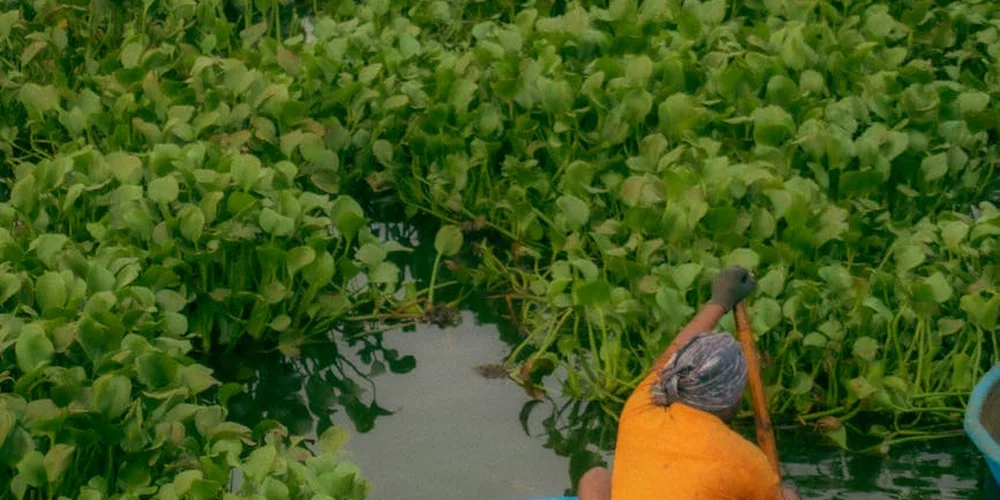
Common Floating Plants Turtles Love
Floating plants are often the easiest for turtles to find and consume. They create a living buffet right on the water’s surface. In a pond practical guide, these plants are highlighted as a simple, safe feeding option. We also outline how to balance their diet and avoid overfeeding.
- Duckweed: These tiny, bright green floating discs are a superstar. They multiply quickly and are packed with protein. Turtles gobble them up like popcorn.
- Water Lettuce: With its soft, velvety leaves and rosette shape, this plant is a favorite. Its texture is easy for turtles of all sizes to tear and digest.
- Water Hyacinth: Recognizable by its beautiful lavender flowers and bulbous leaf stalks. The roots are particularly nutritious and fun for turtles to pull apart.
Watching turtles nudge these plants around the tank is a joy; it perfectly supports their natural instinct to forage and explore. The various greens and textures also make their environment more visually stimulating.
Submerged and Pondside Vegetation Choices
These plants grow below the surface or along the water’s edge, offering different textures and nutritional profiles.
- Pondweed (Elodea): Its long, flowing stems are soft and highly digestible. It oxygenates the water while providing a great hiding spot and snack.
- Watercress: This peppery-tasting plant is a vitamin powerhouse. Its crisp stems and leaves are easy for turtles to chew and break down.
- Eel Grass (Vallisneria): Its ribbon-like leaves are tougher, providing excellent fiber that aids in digestion and wears down beaks naturally.
I always source these plants from reputable aquarium suppliers or my own pesticide-free garden pond. Never collect from the wild, as you can’t be sure of the water quality or chemical exposure. My box turtle, Orwell, particularly enjoys nibbling on clean watercress I grow in a small, filtered water tray. Seeing them interact with these plants feels like bringing a small piece of their natural ecosystem home.
How to Prepare and Serve Aquatic Plants
-
Start by rinsing plants under cool, running water to wash off dirt and potential pesticides. I always do this for Austen’s meals, as his gentle nature means he’s sensitive to contaminants. Next, soak plants in a diluted vinegar solution—one part vinegar to ten parts water—for about 10 minutes to disinfect them. Rinse thoroughly afterward to remove any residue. When you source fresh foods for your turtle, choose pesticide-free greens and wash them thoroughly as part of prep. This routine helps ensure meals are safe and nourishing. Proper cleaning protects your turtle from harmful bacteria and chemicals that could upset their stomach.
-
Adjust plant size based on your turtle’s mouth and age. For smaller turtles like Orwell, my box turtle, I chop plants into tiny pieces to prevent choking. Larger species, such as Bronte the Greek tortoise, can handle whole leaves, but monitor how they eat to ensure comfort. Tailoring plant size makes feeding safer and helps turtles like Austen digest their food without strain.
-
Mix aquatic plants with other foods to create a balanced diet. I combine them with high-quality turtle pellets, insects, or veggies-aim for about half plants, a quarter protein, and the rest varied greens. This approach keeps meals interesting and supports shell strength. Variety in their diet ensures turtles get all the nutrients they need for a healthy, active life.
Plants to Avoid for Your Turtle’s Health
-
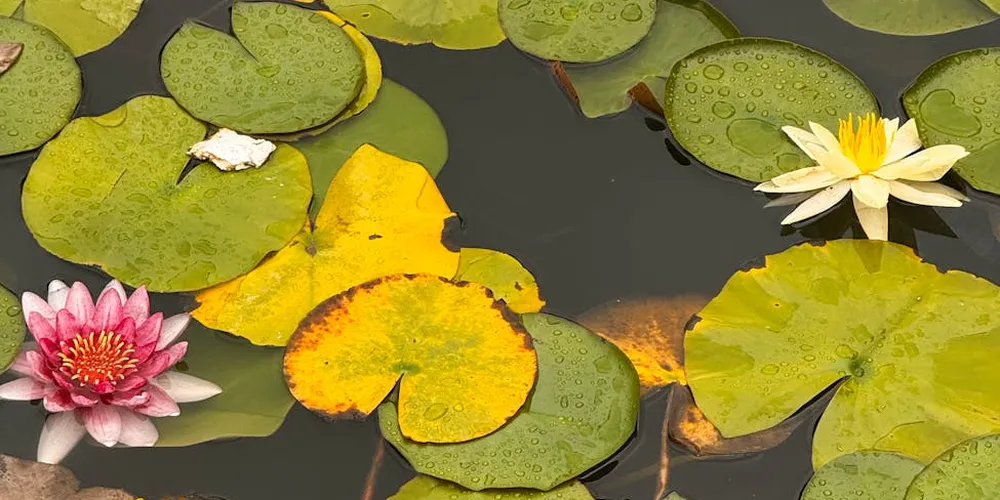
Steer clear of toxic aquatic plants like water hemlock, which can look similar to safe options such as watercress. Other risky plants include certain algae types and decorative species like some lilies. I once nearly fed a lookalike to Bronte, but caught it in time after double-checking. Accurate identification prevents accidental poisoning and keeps your turtle out of harm’s way.
-
Watch for symptoms like lethargy, vomiting, or loss of appetite, which could signal plant poisoning. If you see these signs, remove the plant immediately and contact a veterinarian right away. Keep a sample of the suspect plant for the vet to identify. Prompt veterinary care can make all the difference in a poisoning emergency, as I learned with Orwell’s sensitive system.
-
Always prioritize animal welfare by researching plants before offering them. When unsure, skip it and stick to verified safe choices. This cautious approach reflects a commitment to your turtle’s well-being. Ethical turtle care also means evaluating whether keeping a turtle fits your living situation and resources. Choosing safe, suitable plants is one practical way to honor that responsibility. Thoughtful plant selection is a simple way to show love and responsibility toward your pet.
Growing and Sourcing Turtle-Safe Plants
Easy Ways to Cultivate Plants at Home
Starting your own mini aquatic garden is simpler than you think. I grow duckweed in a shallow plastic tub near a sunny window. This plant multiplies so quickly it looks like tiny green confetti covering the water’s surface. For a steady supply, scoop a handful into a separate container each week to let it regenerate.
- Use a small, clean container like a baking dish or plastic bin with dechlorinated water.
- Place it in a spot with bright, indirect light for at least 6 hours a day.
- Change the water weekly to prevent stagnation and provide essential nutrients.
My watercress thrives in a similar setup, but I keep its roots anchored in a small pot of aquarium gravel. Watching its bright green leaves flourish gives me immense satisfaction. Maintaining these plants at home ensures I always have fresh, pesticide-free food for my shelled family.
Where to Find Reliable Plant Sources
Finding safe plants is critical for your turtle’s health. I always start with reputable aquatic plant specialists, both online and at local fish stores. These retailers understand the needs of aquatic life and typically offer healthier, cleaner plants. Live plants can enhance a turtle’s habitat by providing grazing, hiding spots, and improving water quality through nutrient uptake and oxygenation. So, yes—the benefits of live plants in turtle habitats are real and worth considering.
- Purchase from trusted online aquatic plant nurseries or well-reviewed pet supply websites.
- Always ask if plants are grown without pesticides or chemical fertilizers, as these can be toxic.
- If you’re confident in identifying safe species, foraging from chemical-free ponds or streams is an option, but always wash plants thoroughly.
I avoid general garden centers unless they can guarantee their plants are organic. Your turtle’s safety is worth the extra effort to verify the source. To create a bio-secure environment for your pet turtle, quarantine new plants and inspect them for pests. Keep the habitat clean and monitor for signs of illness to prevent problems before they start.
Creating a Balanced Feeding Routine
- For young, growing turtles like a 2-year-old Red-Eared Slider, offer a portion of leafy greens roughly the size of its shell every day. Adult turtles, like my 10-year-old Russian tortoise Austen, only need that same amount every other day.
- Combine these plants with high-quality proteins. I often mix finely chopped dandelion greens with a few pellets or a bit of cooked, unseasoned chicken for my omnivorous turtles.
- Introduce new greens slowly. My box turtle Orwell was initially suspicious of watercress, but after seeing his tank-mates eat it, he now nibbles cautiously. Patience is key with new foods.
A varied diet prevents nutritional deficiencies and keeps mealtime interesting for your turtle. I find that a consistent schedule, feeding at the same time each day, helps my turtles feel secure and eager to eat. Nutrition also affects shell health, so a balanced diet supports a strong, well-formed shell. Calcium-rich foods and proper vitamin balance can help prevent shell problems and promote overall health.
FAQs
Are there any land-based plants that are safe for turtles to eat alongside aquatic ones?
Yes, turtles can enjoy land plants like dandelion greens and hibiscus leaves as part of a varied diet. Always wash them thoroughly and introduce new plants slowly to monitor for any adverse reactions. You can find a list of safe plants and flowers for turtles to eat.
How can I tell if an aquatic plant is safe if it’s not listed in this guide?
Consult reliable sources such as veterinary guides or reputable pet care websites to verify plant safety. When in doubt, avoid feeding it to prevent potential health risks for your turtle. If you are growing your own turtle food, consult a growing-your-own guide to select safe plants and establish an edible garden. This way you can ensure the greens you offer are fresh and pesticide-free.
What are the signs that a plant is benefiting my turtle’s health?
Look for indicators like consistent growth, a vibrant shell, and active foraging behavior after introducing new plants. A healthy appetite and regular digestion also suggest the plant is providing essential nutrients.
Can turtles overeat on certain aquatic plants, and how do I prevent it?
Yes, overconsumption can lead to digestive issues, so monitor portion sizes and remove uneaten plants promptly. Offer a balanced diet with proteins and other greens to discourage overreliance on one type of plant.
What are the best ways to store and preserve aquatic plants for feeding?
Keep fresh plants in a container with clean, dechlorinated water in the refrigerator to maintain freshness for a few days. For longer storage, consider freezing or drying them, but ensure they are thoroughly rinsed before use.
Cultivating a Healthy Habitat
Providing a variety of safe, edible aquatic plants is fundamental to your turtle’s health and enrichment. Always confirm a plant is non-toxic before offering it and observe how your turtle interacts with new foods. In a turtle or tortoise enclosure, it’s essential to distinguish between safe and unsafe turtle plants. Some common garden greens can be toxic to reptiles, so research each plant before introducing it.
Caring for a pet turtle is a long-term commitment that deepens with knowledge and observation. Stay curious, keep learning about their specific needs, and you’ll be rewarded with a thriving companion for years to come.
Further Reading & Sources
- 5 Best Turtle-Safe Plants for a Thriving Tank – Glass Grown Aquatics
- Turtle Safe Aquatic Plant Packs – Wetplants
- 7 Best Plants For Turtle Tanks – All Turtles
- An Aquascape Guide for Turtle Tanks – The Tye-Dyed Iguana – Reptiles and Reptile Supplies in St. Louis.
Matthew is a dedicated turtle enthusiast and conservationist with over 15 years of experience in reptile care. Known affectionately as "The Leatherback" among his peers, he combines his passion for turtles with a commitment to educating pet owners on responsible turtle care and environmental stewardship.
Common Turtle Foods