
Are Turtles Nocturnal? Understanding Turtle Sleep Patterns
Published on: April 19, 2026 | Last Updated: April 19, 2026
Written By: Matthew The
If you’ve ever wondered why your turtle seems active at odd hours or sleeps all day, you’re not alone in your confusion. The sleep habits of these shelled companions can be puzzling, and it’s a question I’ve personally grappled with while observing my own tortoises over the years.
This article will guide you through turtle sleep cycles, factors influencing their activity, and how to ensure your pet gets proper rest.
Defining Nocturnal and Diurnal Behaviors in Turtles
In the reptile world, activity patterns like nocturnal, diurnal, and crepuscular help us understand when turtles are most alert.
- Nocturnal species thrive at night, using darkness for foraging and avoiding predators.
- Diurnal turtles are active during daylight hours, soaking up sun and exploring their surroundings.
- Crepuscular animals peak at dawn and dusk, blending elements of both for optimal survival.
Most pet turtles lean diurnal, with sleep woven into their daily rhythm to recharge after daytime adventures.
Observing my own turtles, Austen the Russian Tortoise starts his day at sunrise, methodically patrolling his enclosure before settling into a midday nap.
Bronte, my Greek Tortoise, shows a graceful crepuscular tendency, often becoming most lively in the late afternoon as shadows lengthen.
Photoreception in their eyes detects light changes, triggering melatonin release that guides their sleep-wake cycles naturally.
How Turtles Sleep: Methods and Common Locations
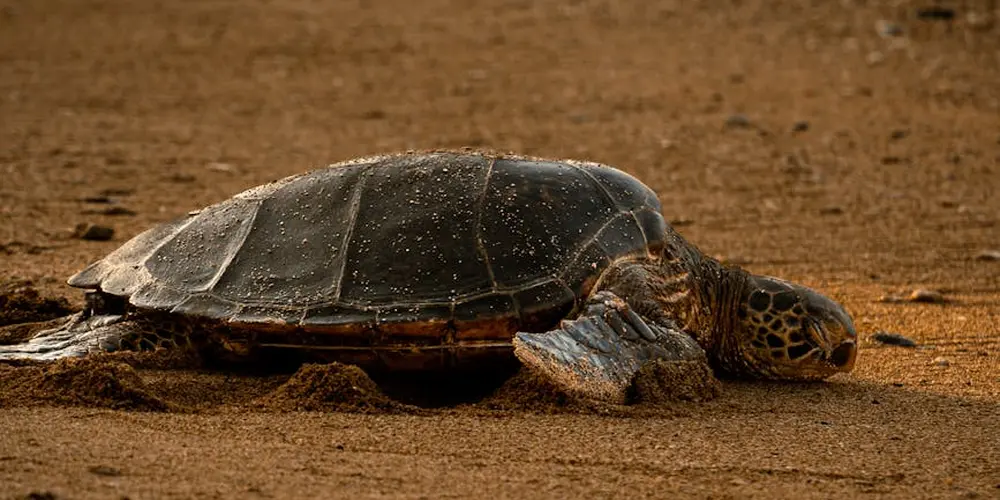
Turtles have unique sleep postures, often retracting their heads and limbs snugly into their shells for protection and comfort. This behavior links directly to their shell biology—the carapace and plastron are bony plates fused with the spine and ribs, covered by keratinous scutes. The way the shell’s structure closes around the body helps them sleep safely with minimal exposure.
Some close their eyes fully, while others might keep a slight crack open to stay aware of their environment.
Aquatic turtles, like red-eared sliders, can sleep underwater by slowing their metabolism and surfacing briefly for air. This helps conserve energy and reduce exposure to threats, which is why they sleep underwater.
Terrestrial species, such as tortoises, prefer dry land, tucking into cozy spots to avoid nighttime chill and dampness.
- Burrows dug into soft soil offer insulation and safety from elements.
- Rocks or logs provide shaded, secure hiding places for uninterrupted rest.
- Submerged areas in ponds allow aquatic turtles to blend into their surroundings while dozing.
From my experience, Orwell the Box Turtle seeks out damp, leaf-littered corners in his habitat, curling up there each evening like clockwork.
Providing varied sleeping spots in your turtle’s enclosure supports their natural instincts and promotes better welfare.
Sleep Duration and Cycles Across Turtle Species
Turtles don’t follow a one-size-fits-all sleep schedule, and their rest periods can surprise you. On average, many pet turtles sleep in sessions totaling 4 to 8 hours daily, but this shifts dramatically with age and surroundings. Baby and juvenile turtles often need up to 12 hours of sleep to support their rapid growth, while adults might settle into shorter, more frequent naps. In my years caring for turtles like Austen and Bronte, I’ve seen how a stable environment encourages deeper sleep, whereas noisy or unpredictable settings lead to fragmented rest. It’s just one of the things to consider when figuring out how much time daily to commit to a pet turtle.
- Age plays a big role: hatchlings sleep longer for development, whereas seniors may doze lightly due to slower metabolism.
- Environment matters: captive turtles with consistent temperatures and hiding spots sleep more soundly than wild ones alert to predators.
Circadian rhythms are like internal clocks guiding when turtles wake and sleep, heavily influenced by light. Exposure to natural or full-spectrum artificial light helps regulate their sleep-wake cycles, preventing disorientation. I always use timers for my turtles’ lamps to mimic sunrise and sunset, which keeps their rhythms steady-something I learned after noticing Bronte becoming restless with irregular lighting.
- Light exposure triggers activity: dim or red light at night can support rest, while bright days promote alertness.
- Disrupted cycles from poor lighting may lead to stress or health issues, underscoring the need for animal welfare in habitat setup.
Seasonality and habitat deeply impact how long turtles sleep, especially in species that brumate. During cooler months, many turtles enter brumation, a state of reduced activity where sleep duration increases significantly. In the wild, this adaptation conserves energy, but in captivity, it requires careful monitoring to avoid dehydration or weight loss. Observing Austen’s gentle slowdown each winter has taught me to adjust food and water gradually. During brumation, feeding during brumation is typically reduced or paused, following seasonal changes in temperature and metabolism. I adjust the diet and hydration accordingly to support a healthy winter transition.
- Seasonal changes: brumation in winter lengthens sleep, while warmer seasons see more active, shorter rest periods.
- Habitat differences: aquatic turtles might sleep submerged with brief surfacing for air, while terrestrials like Bronte prefer dry, secluded spots.
Comparing captivity to the wild reveals stark contrasts in sleep patterns. Wild turtles face constant threats, leading to lighter, more interrupted sleep, whereas captive ones in safe enclosures enjoy longer, uninterrupted rest. From my experience, providing hides and low-stress environments mimics the security of the wild, promoting healthier sleep-a key part of ethical pet care that respects their natural instincts.
- Captive examples: regulated light and food lead to predictable sleep cycles, unlike the variable wild where survival dictates rest.
- Wild observations: sleep is often shorter and more alert, with turtles waking frequently to scan for dangers.
Species-Specific Sleep Patterns: From Box Turtles to Sliders
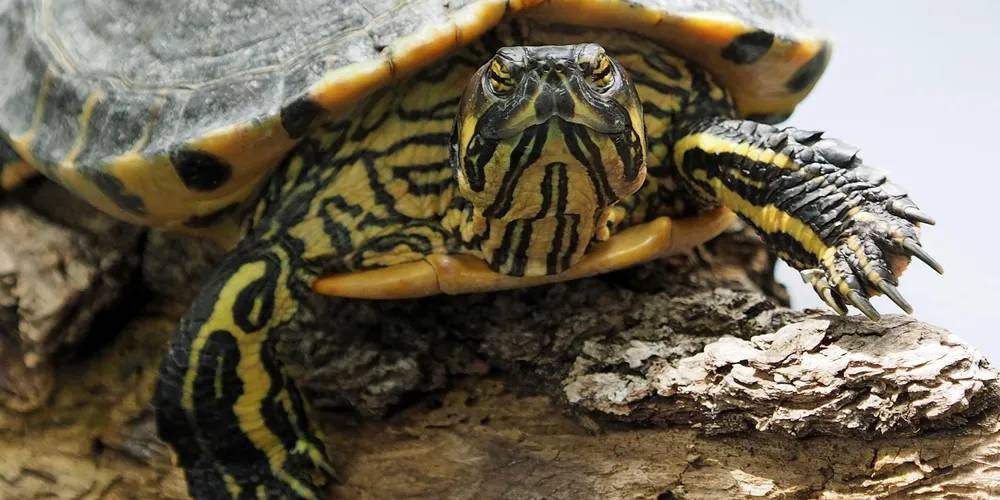
Each turtle species has unique sleep habits that reflect their lifestyle, and understanding these can prevent common care mistakes. Box turtles, like my reserved Orwell, often show crepuscular tendencies, being most active at dawn and dusk with naps throughout the day. He’ll tuck into his hide by late afternoon, reminding me that not all turtles fit strict labels. Snapping turtles lean nocturnal, hunting at night, while red-eared sliders are typically diurnal, basking and swimming during daylight hours.
- Box turtles: sleep in burrows or under foliage, with periods of light dozing and deep rest influenced by temperature.
- Snapping turtles: primarily nocturnal sleepers, resting by day in muddy bottoms and becoming active after dark.
- Red-eared sliders: diurnal patterns with naps on basking spots, though they can adapt to quieter nighttime environments.
Comparing aquatic and terrestrial turtles highlights how habitat shapes their nocturnal leanings. Aquatic species, such as red-eared sliders, often sleep while floating or resting on submerged objects, surfacing briefly for air without fully waking. In contrast, terrestrials like Austen and Bronte prefer digging into substrate or hiding in caves for uninterrupted sleep. I’ve noticed Orwell, a box turtle, blends both—sometimes sleeping in shallow water but mostly on land. To diagnose your turtle’s habitat, use a quick checklist for perfect lighting, heat, and water. Fine-tuning these cues helps align their sleep patterns with their natural tendencies.
- Aquatic turtles: sleep underwater with slow metabolism, reducing oxygen needs, and may be more active in dim light.
- Terrestrial turtles: sleep on land in secure spots, with deeper sleep cycles less disturbed by water currents.
Personal experiences with species like Orwell debunk the idea that sleep patterns are fixed. Watching Orwell’s intelligent adjustments to his routine has shown me that individual personality and environment override general rules. He might nap longer on cool days or stay alert if something new enters his space, proving that attentive care tailored to each turtle is vital for their well-being.
- Orwell’s habits: reserved but adaptable, he sleeps soundly in his custom hide but wakes easily to explore, reflecting his curious nature.
- Broader insights: consistent observation helps identify what’s normal for your turtle, preventing stress from mismanaged expectations.
Addressing myths about turtles being strictly nocturnal or diurnal clears up confusion for pet owners. Many turtles are crepuscular or cathemeral, meaning their activity spans day and night based on food availability and safety. Assuming all are one or the other can lead to poor habitat setups-like excessive night lighting that disrupts sleep. Advocating for species-specific care ensures we meet their needs without imposing human assumptions.
- Common myths: not all aquatic turtles are nocturnal; red-eared sliders, for instance, thrive in daytime setups with proper basking.
- Reality check: flexibility is key, and providing a varied environment supports natural behaviors, reducing captivity-related stress.
Creating an Ideal Sleep Environment in Captivity

Your turtle’s sleep quality directly depends on how well you replicate their natural world inside their enclosure.
A consistent light cycle is the single most important factor for regulating healthy turtle sleep. I use programmable timers for my turtles’ lights to ensure they experience a reliable day and night rhythm.
Setting Up Lighting and Photoperiod
- Provide 12-14 hours of bright, full-spectrum light during the day to simulate sunlight.
- Ensure complete darkness at night; even a small night light can disrupt their rest.
- Use a timer to automate the schedule, which prevents human error and builds a reliable routine.
Habitat Adjustments for Rest
Land and water areas must serve both active and restful needs. Bronte, my Greek tortoise, has a soft, soil-based substrate in her hide that she can burrow into slightly for sleep.
- For aquatic turtles, ensure water is deep enough to swim but include a completely dry, easy-to-access basking platform.
- For land turtles like Austen and Bronte, provide a flat, stable area away from food and water dishes for undisturbed sleep.
Temperature and Hiding Spots
Sleep quality plummets if your turtle is too cold or feels exposed. A proper temperature gradient is non-negotiable. A nighttime heat management guide helps you keep temperatures stable after dark. It answers whether turtles need nighttime heating and shows how to manage it safely.
- Maintain a cooler area in the enclosure, away from the basking lamp, where they can sleep comfortably.
- Provide multiple hiding spots, like half-logs, cork rounds, or dense foliage, to offer security.
I’ve noticed Austen sleeps most soundly when his hide box is in the enclosure’s coolest corner, mimicking the insulated safety of a burrow. This small adjustment made a significant difference in his nighttime calmness.
Monitoring and Interpreting Your Turtle’s Sleep Behavior

Observing your turtle’s sleep habits is a quiet way to take the pulse of their overall health.
Healthy sleep in turtles looks like prolonged periods of profound stillness, often with limbs and head retracted. They should be responsive to major disturbances but otherwise appear deeply at rest.
Observing Patterns for Health and Stress
- Keep a simple mental log of when and where your turtle typically sleeps. Sudden changes in this routine can be the first sign of stress or illness.
- A turtle that sleeps excessively during the day, especially under the hot basking lamp, may be trying to fight off an infection.
- Restlessness at night, with constant pacing or scratching, often points to an incorrect environmental setup or discomfort.
Understanding Abnormal Sleep
If your turtle is lethargic, sleeping constantly, and has a loss of appetite for more than a day or two, it’s time to consult a veterinarian. Other signs that your turtle may need veterinary care include shell changes, swelling, breathing difficulties, or discharge from the eyes or nose.
Orwell, my box turtle, once spent two full days sleeping in his water dish, which was a clear signal his habitat humidity was too low and he was dehydrated. This direct observation allowed me to correct the issue quickly.
Activity Levels and Overall Well-being
A healthy turtle has a balanced rhythm of activity and rest. Bronte is typically active for a few hours in the morning, basks, forages, and then settles in for a long afternoon rest.
Their energy levels are a reliable barometer; a sudden drop in daytime activity is a more immediate concern than a slight shift in nighttime sleep position. Trust your gut-you know your turtle’s normal behavior better than anyone.
FAQs
How do turtles sleep?
Turtles often retract their heads and limbs into their shells for safety and comfort while resting. Some may keep their eyes partially open to monitor their surroundings for potential threats.
Do turtles sleep underwater or on land?
Aquatic turtles can sleep submerged by reducing their metabolic rate and surfacing occasionally for air. Terrestrial species typically sleep on dry land in sheltered spots to avoid moisture and predators. Many turtles live in a land-and-water lifestyle, moving between ponds and shores as needed. This dual habitat use is a defining feature of turtles.
Where do turtles sleep?
Turtles choose sleeping locations based on their habitat, such as burrows, under foliage, or on submerged objects. In aquatic turtles, they must surface to breathe, so a safe, accessible surface or basking spot is an essential part of their habitat. In captivity, providing hides and secure areas helps them feel safe and rest better.
How long do turtle sleep sessions last?
Sleep duration varies, with many turtles resting in intervals totaling 4 to 8 hours per day. Younger turtles may sleep longer, up to 12 hours, to support their rapid growth and development.
Do different turtle species have different sleep patterns?
Yes, species like box turtles are often crepuscular, while snapping turtles tend to be nocturnal. Recognizing these variations ensures proper habitat setup and care tailored to each turtle’s needs.
Caring for Your Turtle’s Restful Rhythms
Observe your turtle’s daily habits to determine if they are diurnal or nocturnal, and adjust their habitat lighting and feeding times accordingly. Creating a consistent day-night cycle in their enclosure supports their natural sleep patterns and overall health. To safely wake your turtle from brumation, gradually increase warmth and light exposure as they begin to stir. Avoid forcing activity and monitor their response.
From my years with Austen, Bronte, and Orwell, I’ve seen how attentive care makes all the difference in their well-being. Keep exploring trustworthy pet care guides to deepen your connection and provide the best life for your shelled friend.
Further Reading & Sources
- Are Turtles Nocturnal Or Diurnal? Their Sleep Behavior Explained – A-Z Animals
- How Do Turtles Sleep?
- Are Turtles Nocturnal?
- Are turtles nocturnal or diurnal? Do turtles sleep with their eyes open or closed? • Turtle Conservation Society of Malaysia
Matthew is a dedicated turtle enthusiast and conservationist with over 15 years of experience in reptile care. Known affectionately as "The Leatherback" among his peers, he combines his passion for turtles with a commitment to educating pet owners on responsible turtle care and environmental stewardship.
Understanding Turtle Behavior