
Can My Dog or Cat Make My Turtle Sick (and Vice Versa)? A Zoonotic Disease Guide
Published on: February 18, 2026 | Last Updated: February 18, 2026
Written By: Matthew The
If you’ve ever watched your dog or cat interact with your turtle and wondered about hidden health risks, that concern is both common and valid-I’ve navigated this myself with my tortoises Austen, Bronte, and Orwell, ensuring their well-being alongside other pets.
This guide explores key areas: common zoonotic diseases, prevention methods, symptom monitoring, and practical care tips for a safe multi-pet home.
Understanding Zoonotic Diseases in Pet Homes
Living with multiple species is a joy, but it creates a unique ecosystem in your home. Zoonotic diseases are infections that can naturally pass between animals and people, and sometimes between different animal species themselves. Think of your home as a small, shared environment where germs can be unexpected guests.
From my own experience with Austen, Bronte, and Orwell, I learned that even with the best care, pathogens are opportunistic. A dog’s playful lick or a cat’s curious sniff can be a transmission route if one pet is carrying something the other is susceptible to. The health of one pet is intrinsically linked to the health of all pets in the household.
Good hygiene is your first and most powerful line of defense. It’s not about creating a sterile, clinical environment, but about mindful practices.
- Wash your hands thoroughly with soap and water after handling any pet, their food, or their habitat.
- Designate separate feeding areas and bowls to prevent saliva cross-contamination.
- Clean and disinfect habitats and common pet areas regularly.
- Prevent direct contact between species if one is unwell.
Common Pathogens Transmitted Between Pets

While the risk can be managed, it helps to know the common culprits. These are the frequent fliers in multi-species homes.
Bacterial Infections
Bacteria are tenacious and can be shed in feces, saliva, or from contaminated surfaces.
- Salmonella: This is a well-known bacterium often associated with reptiles like turtles. A dog or cat that investigates a turtle’s habitat could pick up Salmonella and become ill or become a carrier. The reverse is also possible if a cat or dog is a carrier.
- Campylobacter: Commonly found in the intestines of dogs, cats, and other animals. It can cause gastrointestinal upset in any species, including your turtle if their environment is contaminated.
Parasitic Invaders
Parasites are experts at finding new hosts, and your home provides the perfect bridge.
- Giardia: This single-celled parasite causes diarrheal illness. It spreads through contaminated water or surfaces soiled with feces. A dog with Giardia can easily contaminate a shared living space.
- Roundworms & Hookworms: These intestinal parasites produce eggs that are passed in feces and can survive in the environment for a long time. Curious noses and paws can track these microscopic eggs throughout your home.
Fungal Foes
Fungal spores are lightweight and can travel through the air or on fur.
- Ringworm: Despite its name, this is a fungal infection of the skin, not a worm. It’s highly contagious. A cat can bring ringworm spores indoors from the outside, which could then potentially affect other pets or people.
How Diseases Spread: Cross-Species Transmission Routes
You might wonder how germs hop between your pets, especially when they’re so different. Diseases can travel through direct contact, shared environments, or even tiny particles in the air. I’ve seen this firsthand with my tortoises Austen and Bronte; their calm shells don’t hide the risks.
Direct contact is a common culprit. If your dog licks your turtle or they share a snuggle spot, bacteria like Salmonella can transfer. Salmonella from turtles can infect dogs and cats, causing stomach upset or worse. Keep interactions supervised and brief to reduce this risk.
Indirect Routes You Might Overlook
- Contaminated surfaces: Food bowls, toys, or bedding can harbor germs. Clean them regularly with pet-safe disinfectants.
- Water sources: Turtles often carry bacteria in their water, which dogs might drink. Change water daily and keep bowls separate.
- Airborne particles: In rare cases, respiratory illnesses from cats or dogs can affect turtles in close quarters. Ensure good ventilation in shared spaces.
From my experience, Orwell the box turtle once got a mild infection after my cat sneezed near his enclosure. Simple hygiene habits, like washing hands after handling pets, make a huge difference. If a turtle is new or ill, quarantine it in a separate tank for at least 2-4 weeks to prevent disease spread. Monitor closely for symptoms and consult a reptile vet before reintroducing it. Always prioritize their well-being by keeping habitats clean and interactions safe.
Recognizing Signs of Illness in Turtles, Dogs, and Cats

Spotting sickness early can save you and your pets from stress. Each species shows unique symptoms, so watch for changes in behavior or appearance. Over the years, I’ve learned to read the subtle cues in Austen’s slow movements or Bronte’s eating habits.
Common Symptoms in Turtles
- Lethargy: If your turtle is less active than usual, like Austen on a cold day, it could signal illness.
- Loss of appetite: Refusing food for more than a day is a red flag; Bronte once skipped meals due to a minor infection.
- Shell issues: Soft spots, discoloration, or cracks need immediate attention to prevent long-term damage.
Trust your instincts-if something feels off, consult a vet who specializes in reptiles. Turtles hide illness well, so regular checks are key to their health. Be alert for signs your turtle needs a vet—lethargy, loss of appetite, or shell changes. If you notice any of these, book a visit with a reptile veterinarian promptly.
Signs in Dogs and Cats
- Vomiting or diarrhea: Sudden changes in digestion can indicate cross-species infections.
- Behavior changes: A usually playful dog becoming withdrawn might be feeling unwell.
- Respiratory symptoms: Coughing or sneezing in cats could spread to other pets if not managed.
I recall my dog once had a mild fever after sniffing around Orwell’s area. Quick action, like isolating sick pets, helps prevent outbreaks in your home. Always monitor for these signs and seek veterinary care to keep everyone healthy and happy.
Preventing Cross-Contamination: Hygiene and Safe Handling
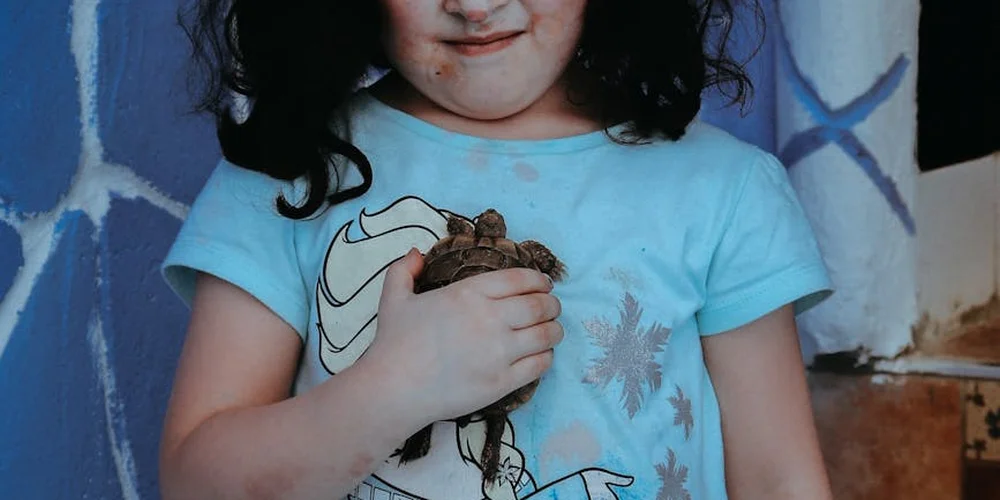
Keeping your pets healthy starts with simple, daily habits that I’ve honed over years with my own crew-Austen, Bronte, and Orwell. Washing your hands thoroughly with soap and water before and after handling your turtle is the single most effective way to stop germs from spreading. I make it a ritual, like brushing my teeth, to protect all my animals from unseen threats. When it’s time to refresh their home, I clean and disinfect their enclosure safely with reptile-safe cleaners and warm water. I always rinse well and let everything dry completely before returning Austen, Bronte, and Orwell.
Create separate spaces for each pet to eat and play, reducing the risk of saliva or waste mixing. I always feed Austen and Bronte in their enclosures, far from where my cat might wander, to avoid any accidental contact. This small step has kept everyone happy and illness-free in my home.
Essential Hygiene Practices
- Wash hands for at least 20 seconds with warm water and soap after touching your turtle, their habitat, or any shared surfaces.
- Clean and disinfect turtle tanks weekly using a pet-safe cleaner, rinsing well to remove residues that could harm sensitive skin.
- Keep dog and cat food bowls away from turtle areas to prevent cross-contamination from drool or spills.
- Use separate tools, like brushes and scoops, for each pet’s care to avoid transferring bacteria or parasites.
Orwell, my box turtle, taught me that even reserved pets need extra care during handling. Always supervise interactions between turtles and other pets, and never allow direct contact without a barrier like a clean hand or enclosure wall. This prevents stress and potential bites or scratches that could introduce infections. There are five critical mistakes to avoid when handling your pet turtle for the first time. Keeping these in mind helps reduce stress and prevent injuries.
Safe Handling Steps
- Approach your turtle calmly, speaking in a soft voice to avoid startling them-I do this with Bronte, who responds well to gentle tones.
- Support their shell fully with both hands to prevent drops or injuries, and wash your hands immediately after.
- If other pets are nearby, secure them in another room to minimize distractions and risks.
- Clean any surfaces your turtle touches, like floors or tables, with a disinfectant to eliminate lingering pathogens.
Animal welfare is at the heart of this routine; it’s not just about disease prevention but respecting each pet’s unique needs. By maintaining these habits, you’re building a safer environment where all your animals can thrive without fear of illness. I’ve seen how consistency pays off, with Austen’s steady nature reminding me that small efforts lead to big rewards.
When to Seek Veterinary Guidance
Recognizing early signs of illness in your pets can save lives, and I’ve learned this through Orwell’s occasional health scares. If your turtle shows changes in behavior, like reduced appetite or lethargy, contact a vet experienced with reptiles right away. Delaying could allow conditions to worsen, putting all your pets at risk.
Dogs and cats might exhibit symptoms like vomiting, diarrhea, or unusual fatigue after exposure to turtles. Monitor all pets closely for any shifts in their normal routines, as these can be red flags for zoonotic diseases. In my home, I keep a simple journal to track habits, making it easier to spot problems early. During a turtle’s routine veterinary checkup, the vet will often review exposure risks to other pets and advise on safety procedures. You may also receive tips on observing your animals between visits.
Common Warning Signs in Turtles
- Loss of interest in food or water for more than a day-Austen once skipped meals, signaling a vet visit was needed.
- Swollen eyes, runny nose, or labored breathing, which could indicate respiratory infections.
- Soft or discolored shells, often a sign of nutritional deficiencies or bacterial issues.
- Unusual lethargy or hiding more than usual, as turtles like Bronte are typically active and curious.
For dogs and cats, watch for similar symptoms that might stem from cross-species contact. Any sudden illness in one pet should prompt a check-up for all, as diseases can spread silently between species. I advocate for regular vet visits to catch issues before they escalate, ensuring every animal gets the care they deserve.
Steps to Take When Concerns Arise
- Isolate the sick pet in a clean, quiet space to prevent stress and limit exposure to others.
- Note specific symptoms, durations, and any recent interactions with other animals to share with your vet.
- Call your veterinarian immediately for advice; many offer telehealth consultations for quick guidance.
- Follow their recommendations for testing or treatment, and update care routines based on their expertise.
Trust your instincts-if something feels off, it’s better to err on the side of caution. Early intervention often leads to faster recovery, protecting the well-being of your entire pet family. My experience with Orwell’s reserved personality taught me that even subtle changes matter, so stay vigilant and prioritize their health above all.
Public Health and Prevention Measures

Living with multiple species is a joy, but it requires a mindful approach to keep everyone safe. My years of caring for my tortoises, Austen, Bronte, and Orwell, alongside other household pets have taught me that a clean and organized routine is your best defense. The goal isn’t to create a sterile, joyless environment, but a harmonious and healthy one.
Essential Hygiene Practices for Your Household
Think of these habits as non-negotiable, like locking your front door at night. They become second nature quickly.
- Handwashing is Non-Negotiable: Wash your hands thoroughly with soap and warm water for at least 20 seconds after any contact with your turtle, its habitat, or its food. Do this before you touch your dog or cat, and vice versa.
- Designate a Turtle Care Area: I keep all turtle maintenance-feeding, tank cleaning, equipment handling-confined to one specific sink or basin. This area is never used for preparing human food or washing pet bowls for my other animals.
- No Shared Spaces During Meals: Your turtle’s feeding area should be entirely separate from where your dog or cat eats and drinks. This prevents curious noses from investigating and cross-contaminating food and water sources.
- Regular Habitat Scrutiny: Perform frequent, partial water changes and spot-clean your turtle’s enclosure to remove waste promptly. A full, deep clean of the entire habitat on a regular schedule is vital for preventing bacterial build-up.
Managing Pet Interactions and Boundaries
Creating physical and behavioral boundaries protects all your pets from stress and potential illness.
- Supervision is Mandatory: Never allow your dog or cat to interact with your turtle unsupervised. A dog’s playful nudge or a cat’s curious paw can cause serious injury or transfer pathogens, even without aggressive intent.
- Establish a “Look, Don’t Touch” Rule: I’ve trained my other pets to observe the tortoises from a respectful distance. This satisfies their curiosity while keeping my shelled friends safe and calm in their environment.
- Secure the Enclosure: Ensure your turtle’s tank or pen has a secure, fitted lid. This prevents any unplanned encounters and stops your turtle from embarking on an unsupervised adventure around your home.
Special Considerations for Vulnerable Individuals
While everyone should follow these guidelines, some individuals need to exercise extreme caution.
- Young Children: Children under 5 should have no direct contact with turtles. Their immune systems are still developing, and they are more likely to touch their faces or mouths after handling a reptile or its environment.
- Immunocompromised People: Individuals with conditions like HIV/AIDS, those undergoing chemotherapy, or organ transplant recipients should avoid handling turtles altogether. The risk of severe infection is significantly higher.
- Pregnant Women: It is strongly advised that pregnant women avoid cleaning turtle habitats due to the specific health risks certain pathogens can pose during pregnancy.
If someone from a high-risk group lives in your home, the safest practice is for them to enjoy the turtle as a “look-only” pet, with all maintenance handled by a healthy adult following strict hygiene protocols. This simple adjustment allows everyone to enjoy your turtle’s presence without compromising anyone’s health. From an ethical perspective, responsible turtle ownership means ensuring the animal’s welfare—proper housing, diet, and veterinary care. It also invites reflection on whether keeping a turtle is suitable for your household while protecting vulnerable individuals.
FAQs
What are the symptoms of turtle zoonosis in humans?
Common symptoms include gastrointestinal issues like diarrhea, vomiting, and abdominal cramps. Fever and dehydration may also occur, requiring medical attention if severe.
Which turtle species are most often associated with zoonotic transmission?
Red-eared sliders and other aquatic turtles are frequently linked to zoonotic diseases due to Salmonella prevalence. Pet owners should handle these species with extra care to minimize risks. Rabies is a concern primarily for mammals and is not carried by turtles. Understanding zoonotic risks means recognizing which diseases affect which species and taking appropriate precautions.
How is turtle zoonosis diagnosed?
Diagnosis typically involves laboratory tests such as stool cultures to detect pathogens like Salmonella. Blood tests or imaging may be used in severe cases to confirm infections.
What treatments exist for turtle zoonosis?
Treatment often includes antibiotics for bacterial infections and supportive care like fluid replacement. Most people recover with proper medical management, but immunocompromised individuals may need hospitalization.
Are there regulations on keeping turtles as pets to prevent zoonoses?
Yes, the FDA bans the sale of small turtles under 4 inches in the U.S. to reduce Salmonella transmission. Many regions require health certifications or education for sellers to promote safe practices. Feeding myths can put turtles at risk. The article “Turtle diet debunked: 8 feeding myths that actually harm your pet” highlights which beliefs to avoid and how to feed safely.
Living Harmoniously with All Your Pets
From my years with tortoises like Austen and Bronte, I’ve found that consistent hygiene, like washing hands after any pet contact, is your best defense against disease spread. Supervise interactions to keep stress low and prevent accidental harm between species.
Responsible pet ownership means committing to lifelong learning about each animal’s unique needs. Stay curious and informed through reliable sources to ensure all your pets, from turtles to dogs, thrive together.
Further Reading & Sources
- Zoonotic Infections: Your Pets Can Make You Sick
- UpToDate
- Zoonotic Diseases: Disease Transmitted from Animals to Humans – MN Dept. of Health
- Feline zoonoses guidelines from the American Association of Feline Practitioners – PMC
Matthew is a dedicated turtle enthusiast and conservationist with over 15 years of experience in reptile care. Known affectionately as "The Leatherback" among his peers, he combines his passion for turtles with a commitment to educating pet owners on responsible turtle care and environmental stewardship.
Safe Handling Techniques