
Choosing the Right Size Turtle Pellets: A Guide by Species and Age
Published on: August 23, 2026 | Last Updated: August 23, 2026
Written By: Matthew The
Feeding your turtle the wrong pellet size can cause choking or malnutrition, leaving you anxious about their health and happiness.
In this guide, we’ll cover species-specific needs, age-based sizing, common feeding mistakes, and tips for smooth transitions.
Why Pellet Size Matters for Your Turtle’s Health
Getting the pellet size right is more than a convenience; it directly influences how your turtle digests its food. Pellets that are too large can be difficult to swallow and may even cause choking or digestive impaction. Your turtle might simply ignore food that feels intimidating, leading to nutritional gaps.
Using the wrong size consistently connects to several common health problems. I’ve seen turtles develop nutritional deficiencies from refusing oversized food. Undersized pellets can fail to provide the necessary jaw exercise, potentially leading to weaker muscles over time. This can also encourage your turtle to gulp food without proper chewing, upsetting its digestive system.
My Russian tortoise, Austen, once struggled with a brand of pellets I thought were fine. He would laboriously chew the slightly-too-large pieces, often giving up halfway through his meal. Switching to a smaller, more manageable size transformed his feeding time. He became more enthusiastic and finished his meals completely, which was a clear sign of better comfort and health.
Finding the Perfect Pellet Size by Turtle Species
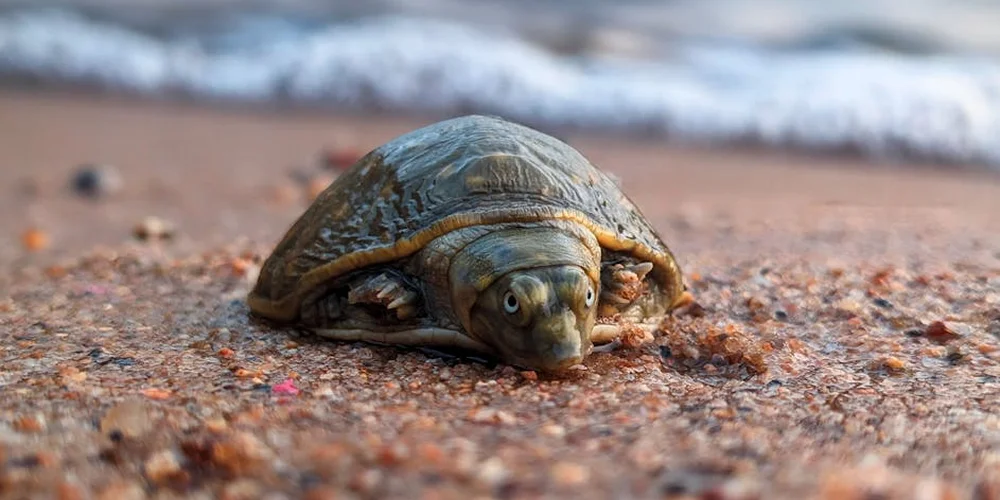
Pellet Size Recommendations for Aquatic Turtles
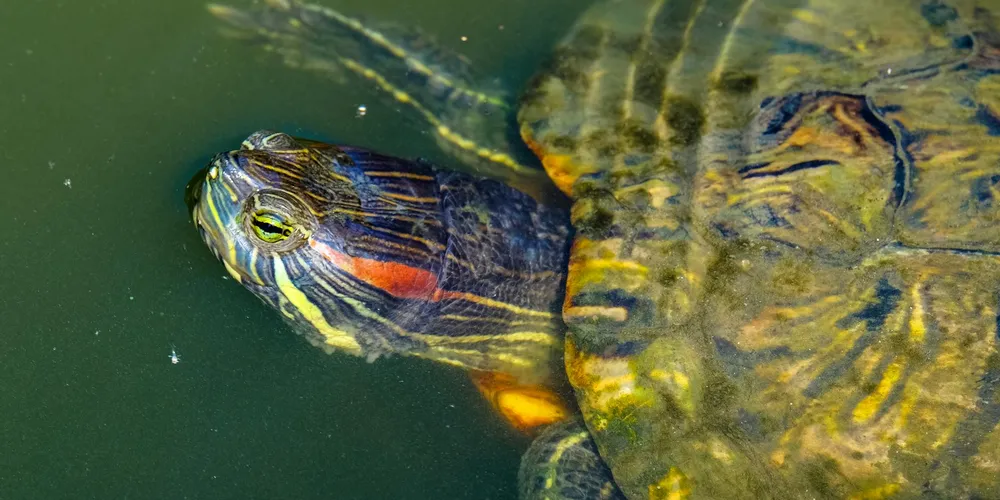
Aquatic turtles like red-eared sliders, painted turtles, and map turtles have strong jaw muscles designed for tearing apart prey. For most adult aquatic species, a pellet roughly the size of their head is a good starting point, but you can often go slightly larger. Their powerful bites can handle more substantial pieces.
- Red-eared sliders are vigorous eaters and can manage larger, floating pellets that mimic fish or insects.
- Painted turtles often prefer smaller, sinking pellets that resemble aquatic invertebrates.
- Map turtles, with their stronger jaws for crushing mollusks, can handle some of the most durable pellet sizes available.
Remember they eat in water. Pellet composition matters as much as size; you need a formula that holds together without clouding the tank. Softer pellets that disintegrate too quickly are wasteful and can foul the water.
Pellet Size Recommendations for Land Turtles and Tortoises
Land turtles and tortoises have a different approach to eating. My box turtle, Orwell, methodically chews his food. For box turtles, choose a pellet size no larger than the space between their eyes to prevent choking. They often benefit from pellets that can be lightly moistened to create a softer, more natural texture. If you’re after a complete diet guide for eastern box turtles, you can check out the Eastern box turtles diet guide; these basics are a good start. A full guide would cover greens, protein, calcium, and occasional fruit to keep your turtle healthy.
- Box turtles are omnivores, so their pellets should be a smaller, manageable size that allows them to pick at both plant and animal-based components.
- Tortoises like my Greek and Russians are primarily grazers and need smaller, harder pellets that encourage slow, deliberate chewing.
Chewing mechanics differ greatly. Land turtles use a slower, grinding motion compared to the swift, snapping bite of an aquatic turtle. A pellet that is too hard or large can easily frustrate them. Since they eat dry food, always provide a shallow water dish nearby. Proper hydration is non-negotiable to help them process the dry pellets comfortably.
Adjusting Pellet Size as Your Turtle Grows
Hatchling Turtle Feeding Guidelines
Hatchling turtles have incredibly small mouths, so their food must be tiny. I learned this firsthand with my Russian tortoise, Austen, when he was just a hatchling. The pellets need to be the size of a pinhead or small crumb. Anything larger is a choking hazard they simply cannot manage. That’s the sort of detail a hatchling nutrition guide covers: safe, tiny portions that match their tiny mouths. It also helps answer the question of what baby turtles should eat and how to plan their meals for proper growth.
- Optimal pellet size for tiny mouths: Look for pellets specifically labeled for hatchlings. They should be crumbled or micro-sized, no bigger than the space between your turtle’s eyes.
- Frequency and portion control for rapid growth phase: Offer a small pile of pellets, roughly the size of your turtle’s head, once or twice daily. Their metabolism is incredibly fast, requiring frequent, small meals to fuel their development.
- Calcium and protein needs for developing shells: This is the most critical building phase for their shell and bones. Choose pellets fortified with calcium, and I often lightly dust them with a pure calcium powder supplement for an extra boost.
Juvenile Turtle Transition Period
This is the stage where your turtle starts to look less like a baby and more like a miniature adult. My Greek tortoise, Bronte, went through a serious growth spurt around age three. You’ll notice they become more adventurous and their appetite increases significantly.
- Signs your turtle is ready for larger pellets: The biggest clue is when they start swallowing their current small pellets whole without any chewing effort. You might also see them actively seeking more food after finishing their portion.
- Balancing pellet size with increased appetite: Move up to a small, uniform pellet. While their appetite grows, resist the urge to overfeed; portion control remains key to preventing pyramiding, a shell deformity.
- Monitoring growth spurts and adjusting accordingly: Weigh your turtle monthly. A steady increase means you’re on track. A sudden plateau or excessive weight gain means it’s time to reassess portion sizes and pellet nutritional content.
Adult Turtle Maintenance Feeding
Once your turtle reaches maturity, its growth slows dramatically. My box turtle, Orwell, has been on the same pellet size for years now. The focus shifts from growth support to lifelong health maintenance and preventing weight-related issues. Knowing how big box turtles get can help you plan their diet accordingly.
- Stable pellet size requirements for mature turtles: An adult turtle can handle a pellet about the size of a pea. The brand and size you settle on at this stage will likely be their staple for life.
- Adjusting portions to prevent obesity: This is crucial. An adult turtle’s metabolism is much slower, so overfeeding pellets is a fast track to obesity and liver problems. Feed a portion the size of their head every other day, or as recommended for your specific species.
- Nutritional balance for long-term health: Look for pellets with a balanced calcium-to-phosphorus ratio (around 2:1) and high fiber content. A good adult pellet supports organ function and joint health without excessive protein that can strain their kidneys.
How to Successfully Transition Between Pellet Sizes
Switching foods can be stressful for a creature of habit like a turtle. A sudden change can lead to a hunger strike. I’ve found a gentle, gradual approach works best for all three of my shelled companions.
- Step-by-step method for introducing new pellet sizes: Start by offering a mix of 75% old pellets to 25% new pellets. Every 3-4 days, adjust the ratio by 25% until you’re serving 100% of the new size. This slow process gives their digestive system time to adapt.
- Mixing old and new pellets during transition: Thoroughly mix the pellets together in the same feeding dish. This ensures your turtle encounters the new pellets while searching for their familiar food, encouraging them to give it a try.
- Monitoring acceptance and digestion during change: Watch their eating behavior closely. Are they eating the new pellets or picking around them? Also, keep an eye on their waste; any drastic change in consistency might mean the transition is happening too quickly.
- What to do if your turtle rejects new pellet size: Don’t panic. Simply revert to the previous ratio they were accepting for a few more days before trying to advance again. Sometimes, slightly moistening the new, larger pellets can make them more appealing and easier to eat. Patience is your most important tool here.
Essential Turtle Pellet Nutrition Beyond Size
Getting the calcium to phosphorus ratio right is vital for your turtle’s health. I always aim for a 2:1 calcium to phosphorus balance in pellets to support strong shells and bones, which I’ve seen prevent issues in my tortoises like Austen and Bronte. In turtle nutrition, the calcium to phosphorus ratio is the single most important rule. This balance guides your choices in food and supplements. An imbalance can lead to metabolic bone disease, so check this first on any label.
Protein needs vary widely by species and age. Younger turtles, like Orwell when he was small, benefit from higher protein around 40-50%, while adults like my 10-year-old Austen do better with 25-30% to avoid organ stress. Adjusting this has kept my pets energetic and healthy over the years. For senior turtles, care often means tweaking both diet and habitat as they age. This helps manage metabolic changes and stress, keeping them comfortable and active.
Vitamins in pellets should cover basics like A, D3, and E without over-supplementing. Look for pellets that include these vitamins to reduce the need for extra additives, as I’ve found with Bronte’s diet keeping her graceful and active. Overdoing it can harm their digestion, so trust a balanced pellet.
Reading ingredient labels is a skill that pays off. Focus on whole foods like fish meal or algae as top ingredients, and avoid fillers like corn or soy that offer little nutrition. With my turtles, I’ve learned that simple, natural lists lead to better health and fewer vet visits.
Safe Feeding Practices for Different Pellet Sizes

Proper portion control starts with matching pellet size to your turtle’s mouth. Use a rule of thumb: pellets should be no larger than the space between your turtle’s eyes to prevent overfeeding and waste. I measure portions for Austen and Orwell using a small spoon, which keeps their weight steady. To keep aquatic turtles healthy and engaged, complement pellets with occasional live foods and chopped vegetables. Just like pellets, these additions should be offered in small, controlled portions to avoid overfeeding.
Feeding schedules depend on age and activity. Young turtles eat daily, while adults like my 12-year-old Bronte do well with meals every other day to mimic natural foraging. Sticking to this routine has helped my pets maintain ideal energy levels without obesity. Be mindful not to feed too often or too much, as overfeeding can lead to obesity. Tailor portions to your turtle’s size and activity level.
Recognizing choking hazards is key with varied pellet sizes. Always supervise feedings and crush large pellets for smaller turtles, as I did for Orwell when he was young to ensure safe swallowing. Watch for signs like gagging or food refusal, and act quickly to avoid emergencies.
Monitoring digestive health means observing stool and behavior. Healthy droppings are firm and regular, and any changes might mean the pellet size isn’t right for your turtle’s system. Understanding how digestion shows up in waste helps explain why turtles pee and poop the way they do. This awareness makes it easier to monitor hydration and gut health. With my experience, I adjust diets gradually to keep their guts happy and avoid issues like impaction.
FAQs
How do I choose pellet size for a turtle with an unusually large or small head compared to its body?
Focus on the space between the eyes as a guide, not the overall head size, to prevent choking or difficulty swallowing. Adjust based on your turtle’s ability to chew and swallow comfortably during feedings. Be mindful of common turtle feeding mistakes and avoid them, such as overfeeding or offering pieces that are too large.
What are the consequences of feeding pellets that are too small for an adult turtle?
Oversmall pellets may not provide enough jaw exercise, potentially weakening muscles over time. They can also lead to overeating and obesity if the turtle consumes them too quickly without proper chewing.
Can pellet size impact the turtle’s ability to hunt or behave naturally in its enclosure?
Yes, incorrectly sized pellets might discourage natural foraging behaviors, reducing mental stimulation and activity. Offering appropriately sized pellets encourages slower, more deliberate eating that mimics wild feeding habits.
How often should I reassess the pellet size based on my turtle’s growth rate?
Check every few months during rapid growth phases, such as in juveniles, and annually for adults to ensure the size still fits. Monitor for signs like easy swallowing or food refusal to guide adjustments.
Are there any breed-specific exceptions to general pellet size rules?
Some species, like soft-shelled turtles, may need smaller, softer pellets due to delicate jaws, while larger species like snapping turtles can handle bigger, tougher options. Always research your specific turtle’s natural diet and jaw strength for tailored sizing.
Steady Steps for Your Turtle’s Health
Always pick pellet sizes that suit your turtle’s species and age, just as I do for my thoughtful Greek tortoise, Bronte, to support proper growth and ease of eating. This careful matching helps prevent choking and ensures they get the full nutritional benefits from every meal.
Commit to responsible pet ownership by staying informed and attentive to your turtle’s changing needs throughout their life. Embrace ongoing learning about pet turtle care to create a safe, enriching environment that honors their natural behaviors and welfare. Check out the care aquatic turtles essential guide for practical, species-specific tips on housing, diet, and health. It helps you apply responsible ownership with confidence.
Further Reading & Sources
- r/turtle on Reddit: Help! How many pellets do I feed my turtle
- Commercial Turtle Foods: Benefit/Use, Staple/Supplement -theTurtleRoom
- Redearslider.com :: Feeding Pellets
- Redearslider.com :: View topic – how many pellets
Matthew is a dedicated turtle enthusiast and conservationist with over 15 years of experience in reptile care. Known affectionately as "The Leatherback" among his peers, he combines his passion for turtles with a commitment to educating pet owners on responsible turtle care and environmental stewardship.
Common Turtle Foods