
Kemp’s and Olive Ridley Sea Turtles: Their Diet and Eating Habits Explained
Ever wonder how Kemp’s and Olive Ridley sea turtles find enough food to survive in our changing oceans? Many people worry that shifts in their diet could threaten these already vulnerable species.
In this article, we’ll explore their preferred foods, unique feeding behaviors, habitat influences, and how you can help protect them.
Meet the Ridley Sea Turtles: Kemp’s and Olive Ridley Profiles
Getting to know the Ridley sea turtles feels like meeting two fascinating cousins from the same family. Both belong to the genus Lepidochelys, but they have their own unique stories. Understanding their wild origins is the first, and most crucial, step in appreciating their complex needs, even in a captive care context.
The Kemp’s Ridley (Lepidochelys kempii) is the smallest and most endangered sea turtle. My experience with turtle conservation has shown me their primary habitat is the Gulf of Mexico. The Olive Ridley (Lepidochelys olivacea) is slightly larger and more abundant, with a pantropical range in warm coastal waters. Their specific habitats directly shape the image of what we’ve evolved to eat, which is a principle we must carry into any care we provide. Understanding the habitat and range of Kemp’s Ridley and Olive Ridley sea turtles is essential for their proper care.
Why does this matter for pet turtle care? While keeping these species is highly regulated and often not recommended, their biology teaches us about turtle nutrition as a whole. Studying their specialized diets in the wild gives us a blueprint for what a balanced, species-appropriate diet should look like, influencing how we feed other aquatic turtles, like painted turtles, in our care.
| Characteristic | Kemp’s Ridley | Olive Ridley |
|---|---|---|
| Average Size | 24-28 inches (carapace length) | 24-30 inches (carapace length) |
| Color | Greyish-green carapace | Olive-green to heart-shaped carapace |
| Typical Foraging Zones | Shallow coastal waters, estuaries, bays | Coastal regions, open ocean surface waters |
Wild Diets: Natural Prey and Feeding Preferences
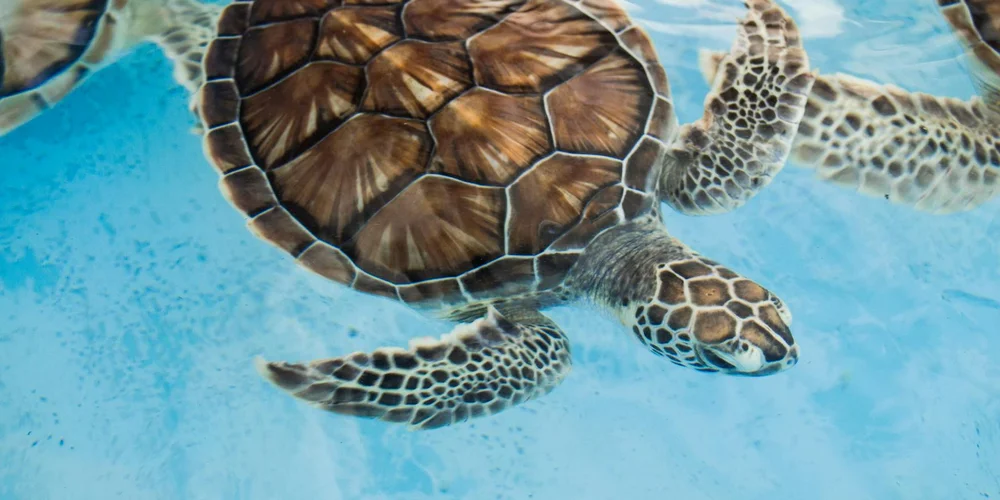
These turtles are not picky eaters; they are opportunistic carnivores. Research into their stomach contents reveals a menu built on what’s available. Their foraging strategy is a masterclass in energy efficiency, targeting prey that provides the most nutritional return for the least effort. Across turtle species, diets vary: some are herbivores, some carnivores, and many are omnivores that eat both plants and animals. This spectrum helps explain why their feeding habits can look so opportunistic in the wild.
Prey preference studies show their diets shift with age, location, and season. Hatchlings start life feasting on tiny floating organisms, while adults develop powerful jaws for crunching harder prey. This lifecycle variation reminds us that a turtle’s dietary needs are not static from youth to adulthood.
Kemp’s Ridley Diet
They are benthic feeders, meaning they love scouring the seafloor.
- Blue crabs and other crab species are a staple.
- Various mollusks like mussels and clams.
- Shrimp, sea urchins, and jellyfish.
- They occasionally consume fish and seaweed.
Olive Ridley Diet
Their diet is more varied, reflecting their wider geographic range.
- Jellyfish, salps, and other soft-bodied invertebrates.
- Snails, shrimp, and a wide array of crustaceans.
- Fish eggs and small fish.
- They are known to consume algae more frequently than Kemp’s Ridleys.
From my observations, the key takeaway is protein diversity. A diet heavy in just one type of prey, like jellyfish, lacks certain nutrients, which is why a varied menu is vital for their health, a lesson that applies directly to caring for any pet turtle.
Feeding Habits and Foraging Behaviors in the Wild
These turtles are masters of the coastal buffet, patrolling the dynamic zone where land meets sea.
Their survival hinges on productive, shallow-water ecosystems like estuaries, seagrass beds, and sandy bays.
- Coastal foraging allows them to exploit rich food sources while minimizing energy spent on deep dives.
- Estuaries act as nutrient traps, concentrating crabs, mollusks, and jellyfish in a manageable area.
- Vast seagrass meadows provide both a direct food source and a hunting ground for small invertebrates hiding within the blades.
Life stage dramatically shifts their dinner plans and location.
Juveniles often forage in different, sometimes more sheltered, nursery grounds compared to robust adults.
- Young Kemp’s ridleys frequently inhabit the open Gulf of Mexico, targeting smaller, softer prey like sea pansies.
- Adults, with stronger jaws, can crush larger crabs and mollusks in nearshore waters.
- Adults need massive energy intake for migration and reproduction, while juveniles focus their intake on pure growth.
Their menu changes with the calendar, dictated entirely by what the ocean provides.
Seasonal variation means their diet is a reflection of local prey abundance, not a fixed preference.
- During shrimp spawning seasons, their diet may become heavily dominated by this single, plentiful food source.
- Colder water temperatures can reduce their metabolic rate and foraging activity, leading to leaner periods.
- El Niño events can disrupt typical prey distributions, forcing turtles to adapt their foraging strategies or travel farther.
Nutritional Needs and Health Considerations
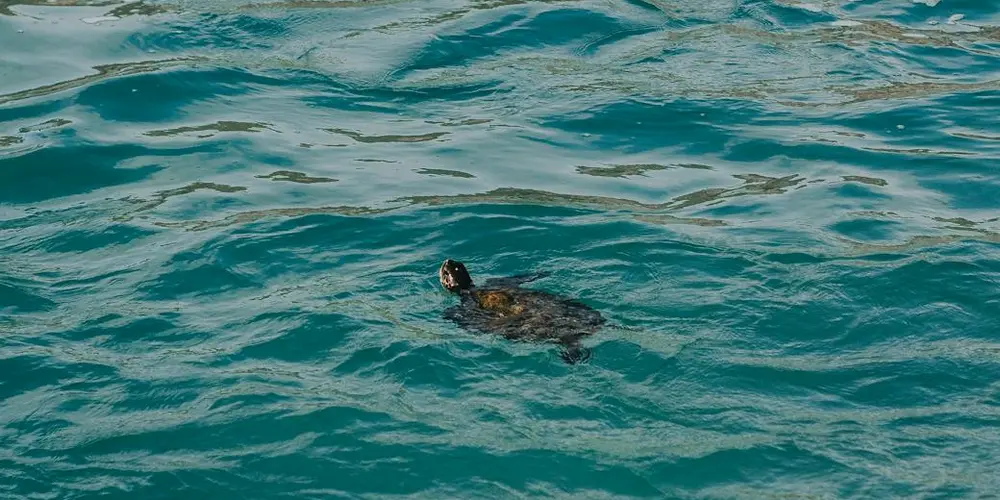
A balanced diet in the wild provides a complex mix of nutrients that we must strive to replicate.
Calcium and phosphorus are the bedrock of their health, directly impacting shell and bone strength.
- They get calcium from crushing crustacean exoskeletons and mollusk shells.
- Vitamin A, crucial for vision and epithelial tissue health, comes from consuming a variety of colorful marine life.
- A proper balance of fats and proteins fuels their long migrations and supports overall organ function.
Getting the diet wrong has severe, often irreversible, consequences.
Improper diet is a slow-moving crisis that manifests in debilitating physical conditions.
- Metabolic Bone Disease (MBD) results from a calcium deficiency or improper calcium-to-phosphorus ratio, leading to a soft, deformed shell-I’ve seen this in rescued turtles, and it’s heartbreaking.
- Hypovitaminosis A causes swollen eyelids, respiratory infections, and skin problems, severely compromising their quality of life.
- Research on stranded turtles consistently links poor body condition and specific deficiencies to a diet lacking in variety and essential nutrients.
Vigilance is your greatest tool for preventing diet-related illnesses in a captive environment.
Monitoring for diet-related diseases requires a consistent, multi-faceted approach.
- Conduct weekly visual checks of the shell for any softening, pyramiding, or discoloration.
- Observe their energy levels and swimming behavior; lethargy can be a early sign of nutritional issues.
- Maintain detailed feeding logs to track what they eat, ensuring variety and appropriate supplementation.
- Schedule regular veterinary check-ups that include bloodwork to screen for underlying deficiencies.
- Keep their water pristine, as poor water quality can exacerbate health problems and stress their systems.
Captive Diet Planning and Ethical Care
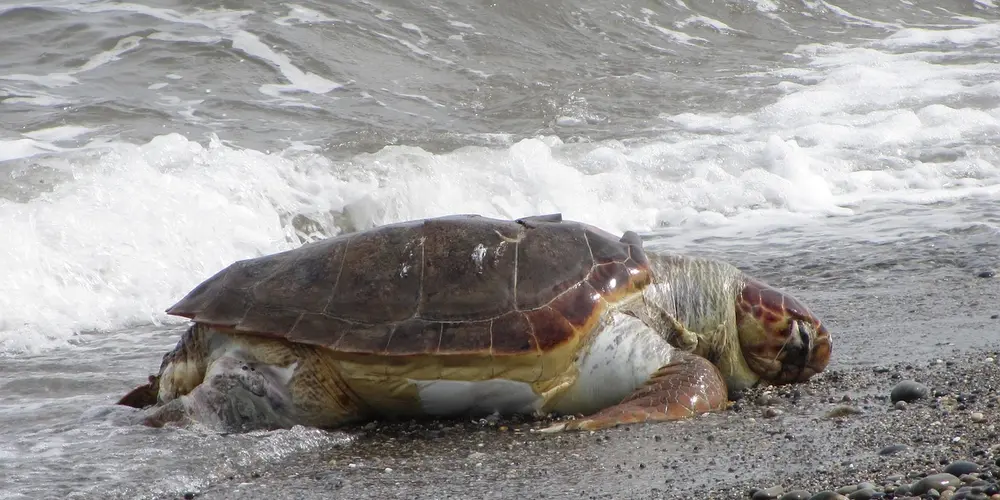
Replicating the wild diet of Kemp’s and Olive Ridley sea turtles in captivity is a complex task best left to accredited facilities. Their natural diets consist of jellyfish, crabs, and mollusks, which are hard to source and balance for home environments. Unlike some other species, such as the loggerhead sea turtles, these species have very specialized dietary requirements.
- Safe foods: High-quality commercial turtle pellets, thawed squid, shrimp, and occasional greens like seaweed.
- Unsafe foods: Bread, dairy, processed meats, or anything with additives-these can cause digestive issues or malnutrition.
Prepare foods by rinsing thoroughly and cutting into bite-sized pieces to prevent choking. Always thaw frozen items slowly to retain nutrients and avoid shocking their systems.
Kemp’s and Olive Ridley sea turtles are protected under laws like the Endangered Species Act and CITES, making it illegal to keep them as pets. Their large size, migratory nature, and specialized needs mean they thrive only in the wild or professional rescue centers, unlike many land turtles that can be legally kept as pets.
Practical Feeding Tips for Turtle Enthusiasts
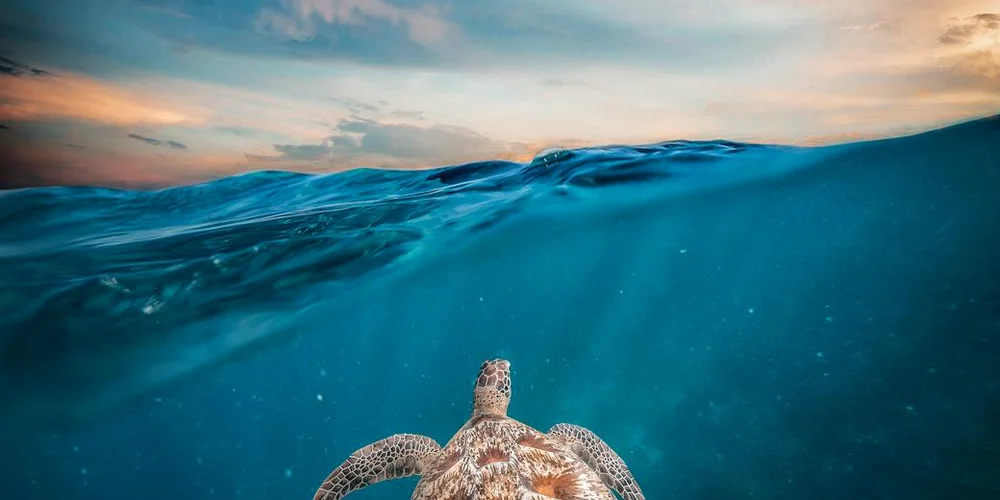
For those caring for similar species, enrichment activities can mimic natural foraging. Scatter food in their enclosure or use puzzle feeders to encourage hunting behaviors.
- Source foods from reputable pet suppliers or consult a herpetologist for tailored advice.
- Regularly check with exotic vets to adjust diets based on age and health.
I’ve spent years observing my tortoises, like Austen, methodically graze-it reminds me how patience in feeding builds trust. Watching sea turtles in aquariums feed on jellyfish taught me that each species has unique, instinct-driven habits we must respect.
FAQs
What does an Olive Ridley sea turtle typically eat in the wild?
Olive Ridleys are opportunistic feeders that primarily consume soft-bodied prey like jellyfish and salps. They also eat hard-shelled crustaceans and occasionally algae for nutritional balance.
Can you outline a sample diet chart for Olive Ridley sea turtles?
A basic chart could include daily protein sources such as shrimp or small fish, with weekly additions of calcium-rich items like crushed mollusk shells. Always tailor portions to the turtle’s size and consult an expert for accuracy. This guidance is part of the Feed Your Pet Turtle: Ultimate Beginners Guide, offering simple, balanced dietary basics for new turtle keepers. Use it as a starting point and adjust as you learn your turtle’s preferences and needs.
How should I plan a diet for an Olive Ridley sea turtle in captivity?
A captive diet plan should replicate wild variety with seafood and supplements, but these turtles are illegal to keep as pets. For box turtles, a wild vs captivity diet guide helps compare natural foraging to safe captive options. This knowledge can then inform care for similar, legal species in home aquariums.
Nurturing Your Turtle’s Well-Being
From my years with tortoises like Austen and Bronte, I’ve learned that a diet tailored to your turtle’s species and age is the foundation of their health. Focus on offering varied, nutrient-rich foods that reflect their natural eating patterns to prevent deficiencies and boost vitality. Diet also directly influences shell health; adequate calcium, vitamin D, and minerals are essential for a strong, well-formed shell. A well-nourished shell reflects the turtle’s overall wellness.
Responsible pet ownership means staying informed and adapting care as new insights emerge in turtle husbandry. Your commitment to continuous learning not only enriches your turtle’s life but also honors their wild counterparts by promoting ethical practices.
Further Reading & Sources
- Kemp’s Ridley Sea Turtle | National Wildlife Federation
- Kemp’s Ridley Turtle | NOAA Fisheries
- Kemp’s ridley sea turtle – Wikipedia
- Kemp’s Ridley Sea Turtle (Lepidochelys kempii)
Matthew is a dedicated turtle enthusiast and conservationist with over 15 years of experience in reptile care. Known affectionately as "The Leatherback" among his peers, he combines his passion for turtles with a commitment to educating pet owners on responsible turtle care and environmental stewardship.
Common Turtle Foods