
Painted Turtle Basking: Platform Setup, Lighting, and Temperature Guide
Published on: April 11, 2026 | Last Updated: April 11, 2026
Written By: Matthew The
Creating the perfect basking spot for your painted turtle can feel daunting, especially when you’re worried about their health and comfort in captivity. From my years caring for reptiles like my Russian tortoise Austen, I’ve seen how the right environment transforms their well-being, reducing stress and promoting natural behaviors.
This guide covers platform setup, lighting essentials, and temperature control to help you build a safe, effective basking area. You’ll find clear steps and options based on proven care practices, ensuring your turtle enjoys a slice of their wild habitat right at home.
Why Basking Is Vital for Your Painted Turtle’s Health
Think of the basking area as your turtle’s personal spa and wellness center. This isn’t just a luxury; it’s a non-negotiable part of their daily routine that fulfills deep biological needs. From my years with my tortoises, I’ve seen firsthand how this simple act supports their entire well-being.
The Core Biological Needs
Your painted turtle basks for three critical reasons:
- Thermoregulation: Turtles are ectotherms, meaning they rely on external heat to power their bodies. They swim in cool water to eat and then haul out to raise their internal temperature for digestion and energy.
- Vitamin D3 Synthesis: The specific UVB rays from their special lamp interact with their skin, enabling them to produce Vitamin D3. This is the only way they can properly absorb the calcium from their food, which is fundamental for a strong shell and skeleton.
- Drying Off Completely: Staying perpetually wet creates a breeding ground for fungus and bacteria on their shell and skin. A thorough dry-out session prevents these issues.
Direct Health Benefits
Neglecting the basking spot directly leads to serious, preventable health problems.
- Preventing Shell Rot: This is a nasty fungal or bacterial infection that eats away at the scutes of the shell. A consistently dry basking area is your best defense.
- Averting Metabolic Bone Disease (MBD): Without proper UVB for D3 synthesis, calcium cannot be used. The shell becomes soft and deformed, the jaw may weaken, and the turtle suffers immensely. It’s a heartbreaking condition that is entirely avoidable with correct lighting and basking.
Basking Duration and Daily Patterns
Don’t be alarmed if your turtle’s habits vary. A healthy painted turtle will typically bask for a few hours each day, often in several shorter sessions. You might see them out first thing in the morning to warm up, and again after a big meal. They follow their own internal clock, so provide consistent light and heat for 10-12 hours daily to mimic a natural cycle.
Choosing and Setting Up the Ideal Basking Platform
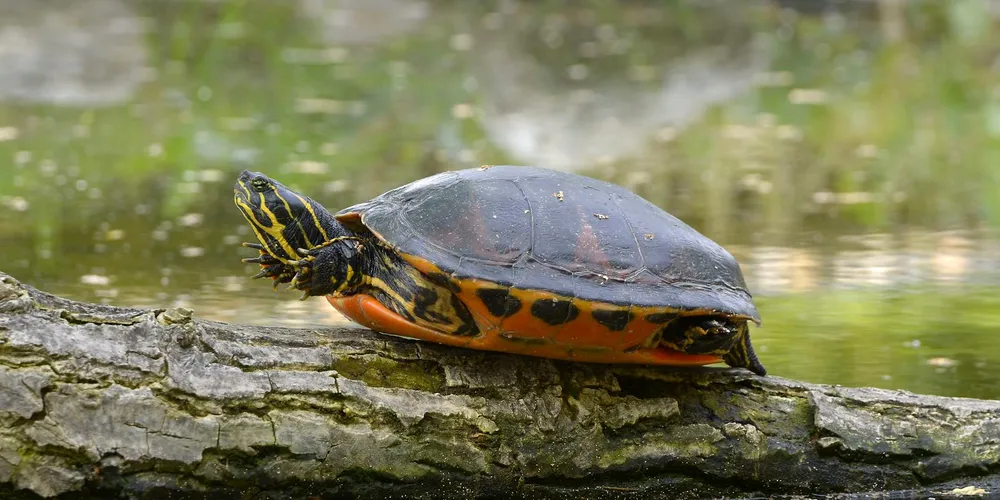
Getting this part right makes all the difference. I’ve tried various setups over the years and learned what works through trial and error.
Essential Platform Features
Your turtle’s platform must be:
- Stable and Secure: It should not wobble or shift when your turtle climbs on. A nervous turtle will avoid an unstable platform.
- Non-Slip Surface: Their claws need texture to grip. A smooth, slippery surface is an accident waiting to happen.
- Easy to Exit and Enter: Provide a gently sloped ramp or a series of stable “steps” from the water. Think of it as a welcoming driveway to their sunny spot.
- Completely Dry: The entire surface must be out of the water. Even a partially submerged platform defeats the purpose of drying off.
Comparing Common Platform Materials
- Driftwood or Rocks: These are my personal favorite for a natural look. They are durable, provide excellent grip, and retain heat well. Just ensure they are thoroughly cleaned and boiled before use.
- Commercial Turtle Docks: These floating plastic ramps are widely available and easy to adjust to water levels. The best ones have a textured, carpet-like surface for traction.
- DIY Egg Crate Light Diffuser: A popular and affordable DIY option. You can cut and cable-tie panels to create a custom platform. Cover the top with a safe, non-toxic reptile carpet to prevent tiny feet from slipping through the gaps.
Setup Steps for Success
- Position the Platform: Place it firmly at one end of the aquarium. It should be large enough for your turtle to rest on fully extended.
- Set the Proper Distance: This is critical. The platform must be far enough from the water that splashing doesn’t wet the entire surface, but the main consideration is the distance to the heat and UVB lamps. Follow your lamp manufacturer’s guidelines precisely, usually between 10-12 inches, to provide the correct temperature and UV index.
- Consider a Splash Guard: If you find the platform is getting damp from your turtle’s enthusiastic exits, you can install a clear acrylic splash guard on the aquatic side. This simple addition helps maintain that crucial dry zone they need.
Essential Basking Lighting: UVB and Heat Lamps
Proper lighting is the cornerstone of a healthy painted turtle. It’s not just about keeping them warm; it’s about powering their entire internal system. To diagnose your turtle’s habitat, work through a checklist for perfect lighting, heat, and clean water. When these elements are dialed in, your turtle will thrive.
The Critical Role of UVB Lighting
UVB light allows your turtle to produce Vitamin D3, which is essential for absorbing calcium from their diet. Without adequate UVB, they cannot metabolize calcium properly, leading to metabolic bone disease (MBD), a serious and often fatal condition. I’ve seen the devastating effects of MBD in rescues, and ensuring proper UVB exposure is the single most important preventative measure you can take. Proper UVB lighting is critical for turtle health, and as discussed in the article on Why UVB lighting is critical, it must be set up correctly to be effective. I’ll outline how to set it up safely in the next section.
Selecting the Correct UVB Bulb
Not all bulbs are created equal. For painted turtles, you need a high-output linear fluorescent UVB bulb.
- Type: A T5 HO tube bulb is your best bet for efficiency and strength.
- Strength: Look for a bulb that emits 5.0 to 10.0 UVB. The 10.0 is ideal for taller enclosures.
- Replacement: UVB output degrades over time. Replace these bulbs every 6 to 12 months, even if they still emit visible light.
Pairing the right UVB light with a calcium supplement routine helps maintain a healthy turtle shell. Using the best UVB lights in tandem with proper calcium supplementation supports a strong, well-formed shell.
The Purpose of a Basking Light
UVB provides the “sunshine” for health, but a separate basking light provides the heat. This heat lamp encourages your turtle to leave the water, dry off completely, and properly thermoregulate. A simple incandescent flood bulb works perfectly. For maintaining ambient heat at night without light, a ceramic heat emitter is a fantastic, invisible source of warmth. Turtles do need both UVB lighting and a heat source: UVB supports calcium metabolism and shell health, while a basking light provides the warmth for proper thermoregulation.
Safe Lamp Setup and Timing
Placement is everything for safety and effectiveness.
- Position both the UVB and heat lamp directly over the basking platform.
- Follow the manufacturer’s distance guidelines to prevent thermal burns and ensure optimal UVB exposure.
- Always use lamp stands or secure fixtures; never let them rest directly on the mesh screen lid.
- Plug all lights into a simple digital timer to create a consistent 12-hour day/night cycle. This mimics natural conditions and reduces your daily workload.
Getting the Basking Temperature Just Right
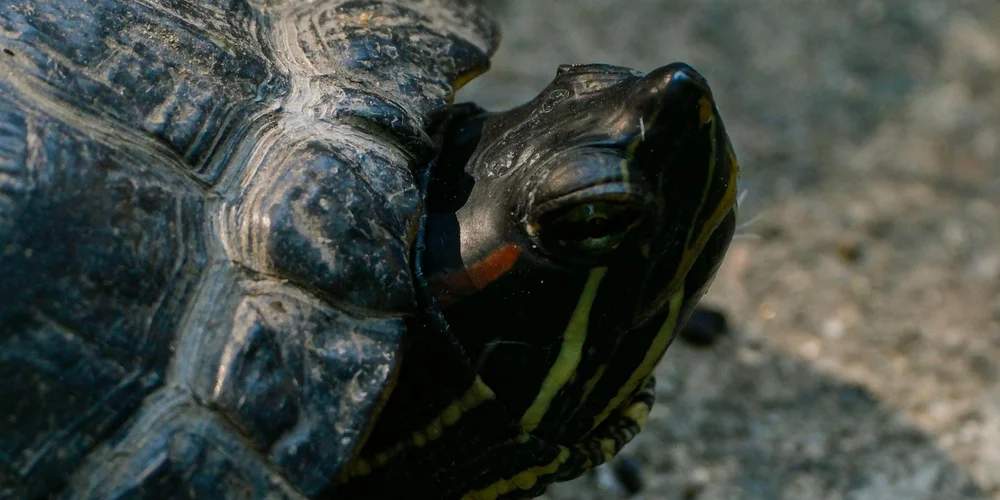
Temperature is the invisible guide that tells your turtle where it needs to be. Getting it wrong can lead to stress, poor digestion, and a host of other issues. Nighttime temperatures can drift and impact health, so a nighttime heat management plan is important. A simple nighttime heat management guide helps you maintain a stable, warm environment through the night.
The Ideal Basking Temperature Range
Your painted turtle’s basking platform surface should be between 85-90°F (29-32°C). This specific range is warm enough to encourage basking but not so hot that it risks overheating or discouraging use. My tortoise, Austen, seeks out surfaces in this exact range, and I see the same behavior in aquatic turtles.
Creating a Temperature Gradient
Your entire enclosure should not be one uniform temperature. A proper thermal gradient means the basking area is the hottest spot, the water is significantly cooler, and the air in between has a middle temperature. This allows your turtle to self-regulate its body temperature by moving between the different zones, just as it would in the wild. Different aquatic turtle species have different ideal water temperatures, so tailor the water temperature to the species you keep. Matching the water temperature to the species’ needs helps support digestion, activity, and overall health.
Accurately Measuring Surface Temperature
Guessing the temperature is not an option. An air thermometer won’t tell you what you need to know.
- Use an infrared temperature gun for the most accurate reading of the basking spot’s surface.
- Simply point the laser at the spot where your turtle rests and get an instant digital readout.
- Check the temperature at different times of day, especially when room temperatures fluctuate, to ensure it remains stable.
If you’re wondering how to tell if my turtle is sick, temperature checks are just part of the picture. Look for signs like lethargy, appetite loss, or abnormal breathing, and contact a reptile vet if you notice any.
Daily Monitoring and Safety Checks for Your Basking Area
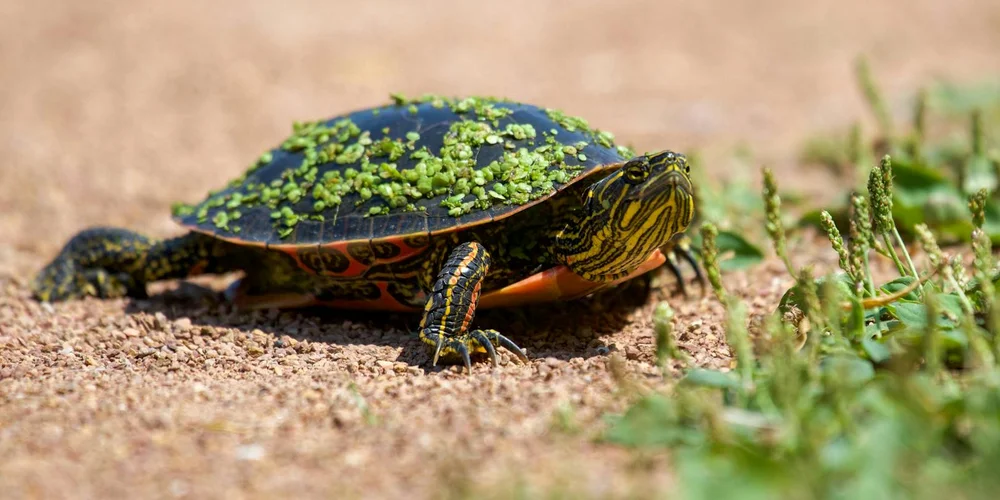
Keeping your painted turtle’s basking spot safe and functional is a daily ritual that ensures their well-being. I make it a habit to glance at the setup each morning, much like checking on my own tortoises Austen and Bronte, to catch any issues early. Part of that care is creating basking areas with hiding spots so your turtle can feel secure while sunning. When hiding spots are available, basking becomes more regular and their overall well-being improves. This simple routine builds trust and prevents small problems from becoming big ones.
- Daily checks: Verify the basking lamp and UVB light are on and not flickering, feel the platform for stable warmth, and ensure the water temperature stays consistent.
- Weekly checks: Inspect cords for wear, clean any algae off the platform, and test the thermostat calibration to avoid sudden temperature swings.
A thermostat is non-negotiable for precise temperature control. Using a thermostat prevents dangerous spikes that could harm your turtle, much like how I rely on one to keep Orwell’s enclosure just right. It automates safety, giving you peace of mind.
Safety tips focus on preventing accidents. Position heat lamps at a safe distance to avoid burns, and choose a platform with a rough texture to reduce slipping risks. I’ve seen how a secure setup encourages natural basking without fear of falls.
Troubleshooting Common Painted Turtle Basking Problems
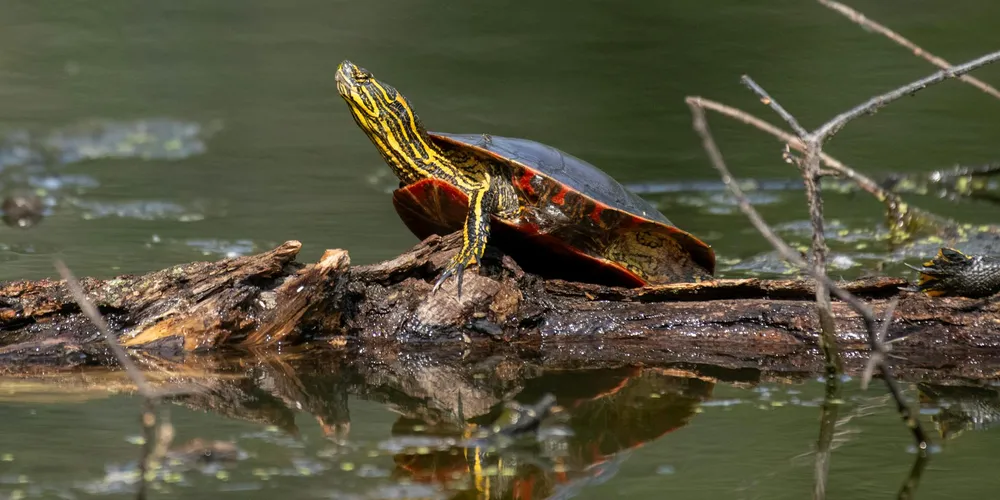
If your turtle avoids basking, start by checking the basics. Wrong temperatures can make the area uncomfortable, while an insecure platform might feel threatening, much like how Bronte hesitates if her spot feels unstable. Illness, such as respiratory infections, can also deter basking, so watch for other symptoms like lethargy.
- Signs of overheating include excessive panting, lethargy, or trying to escape the heat. Correct it by lowering the lamp height or adjusting the thermostat immediately.
- For turtles that bask too little, ensure the temperature is 85-90°F and the platform is easily accessible; if illness is suspected, consult a vet promptly.
- If basking too much, it might indicate poor water quality or low ambient temperatures; improve filtration and check overall habitat balance.
Observing your turtle’s habits closely helps you respond with care. In my experience, small adjustments often resolve issues, reinforcing that a attentive approach keeps your pet healthy and happy. Knowing how to tell if your turtle is stressed helps you act quickly. Look for signs like changes in appetite, activity, or shell color, and adjust care accordingly.
FAQs
How long do painted turtles bask?
Painted turtles typically bask for a few hours daily, often in multiple shorter sessions. This routine supports digestion and overall health by allowing proper thermoregulation.
When do painted turtles bask?
They commonly bask in the morning to warm up and after meals to aid digestion. Basking frequency can vary with individual habits and environmental cues like light cycles.
Where do painted turtles bask?
They prefer dry, stable platforms that are easily accessible from the water, such as rocks or commercial docks. A secure, non-slip surface ensures safety and encourages regular use.
Your Basking Haven Awaits
Getting your painted turtle’s basking spot right boils down to providing a stable, easy-to-access platform, a high-quality heat lamp for warmth, and a specialized UVB light to keep their shell and bones healthy. When these three elements work in harmony, you create a slice of wild paradise that supports their natural behaviors and long-term health. Learn more about perfecting their basking area.
Caring for a turtle is a rewarding journey of attentive observation and lifelong learning, so always keep an eye on how your shelled friend uses their space. Your commitment to understanding their specific needs is the most powerful tool you have for ensuring they live a full, vibrant life under your care.
Further Reading & Sources
- Painted Turtle Tank Setup: Everything you need for a painted turtle habitat – TurtleHolic
- Painted Turtle Care Sheet | DubiaRoaches.com – Dubia.com
- r/turtle on Reddit: Is this set up okay for my turtle
- 15 Sturdy DIY Turtle Basking Platform Plans You Can Make Today (With Pictures) | Hepper Pet Resources
Matthew is a dedicated turtle enthusiast and conservationist with over 15 years of experience in reptile care. Known affectionately as "The Leatherback" among his peers, he combines his passion for turtles with a commitment to educating pet owners on responsible turtle care and environmental stewardship.
Heating and Lighting