
Pet Store Turtle vs. Breeder Turtle: Which Source Is Right for You?
Published on: March 21, 2026 | Last Updated: March 21, 2026
Written By: Matthew The
Choosing where to get your new turtle is one of the most significant decisions you’ll make, impacting their health, personality, and your entire experience.
This guide will cover health history, personality traits, cost differences, and the ethical considerations for each source.
Health and Genetics: A Tale of Two Sources
Where you get your turtle can dramatically shape its long-term health. I’ve seen firsthand how a turtle’s origin story can ripple through its entire life, influencing everything from shell strength to its overall zest for life. Let’s break down the realities of each source.
The Pet Store Reality
Pet stores offer convenience, but the health background of their turtles is often a mystery. These animals typically come from large-scale breeding facilities.
- Higher stress levels from transport and crowded enclosures can weaken their immune systems.
- You rarely receive any information about their genetic lineage or parental health.
- They are more susceptible to common ailments like respiratory infections and shell rot.
The initial low price can be misleading, as vet bills for an ailing turtle can quickly add up. My friend once rescued a pet store turtle, and we spent months nursing it back to basic health.
The Breeder Advantage
Reputable breeders invest deeply in the well-being of their animals. Their focus is on quality, not quantity.
- You often get a detailed health history and can sometimes even meet the parent turtles.
- They practice selective breeding to avoid passing on common genetic weaknesses.
- Baby turtles are typically well-started, meaning they are already eating and thriving.
My Russian Tortoise, Austen, came from a dedicated breeder, and his steady growth and vibrant personality are a testament to his robust start in life. The peace of mind this provides is priceless.
Key Health Questions to Ask
No matter where you go, be your turtle’s advocate. Always ask these questions.
- Can you provide a record of its initial veterinary check-up?
- What is its current diet, and is it eating regularly?
- How long have you had this specific turtle?
- What is your policy if a health issue arises shortly after purchase?
A trustworthy source will answer these questions transparently and without hesitation. This simple step can save you from heartache later on.
The Ethical Dimension of Turtle Sourcing
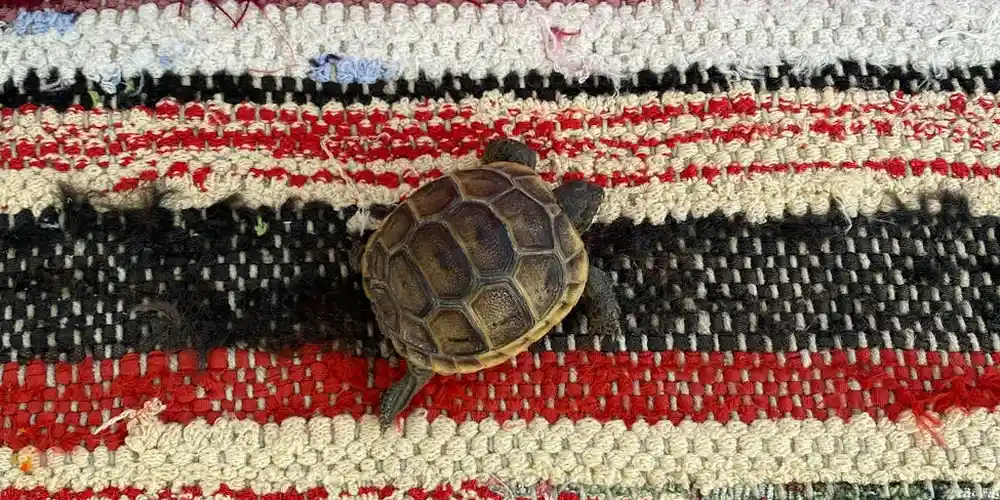
Where you get your turtle says a lot about your commitment to animal welfare. I’ve seen both sides of this, and the choice is more personal than many realize. If you’re considering rehoming a turtle, choose a reputable rescue that guarantees a suitable home. Ethical rehoming means passing on the full care history and confirming the new owner can meet its needs.
Pet stores often source from large-scale commercial breeders. These facilities prioritize volume, sometimes at the expense of individual animal health. The journey from a mass-breeding facility to a store shelf can be incredibly stressful for a young turtle, impacting its long-term well-being. My Russian tortoise, Austen, came from a situation like this, and it took years for him to fully trust his environment.
Why Breeders Often Represent a Kinder Choice
Reputable breeders typically operate on a smaller scale. This allows for a level of care that large operations can’t match.
- Individual Attention: Breeders handle their turtles frequently, leading to better-socialized pets accustomed to human presence.
- Health Transparency: You can often see the parent turtles and the actual living conditions, something rarely possible with pet store animals.
- Preservation Focus: Many dedicated breeders work with species that are struggling in the wild, contributing to conservation.
Choosing a breeder directly supports someone who is often passionate about the species, not just the sale. My Greek tortoise, Bronte, came from a wonderful breeder, and her graceful demeanor is a testament to her calm, well-cared-for start in life.
Navigating Legality and Permits
This is the part nobody talks about but everyone needs to hear. Turtle ownership isn’t always as simple as walking into a store and making a purchase.
Laws exist to protect both native ecosystems and vulnerable species. Many common pet turtles are regulated, and assuming you don’t need a permit is a risky gamble. I learned this the hard way years ago, navigating the paperwork for my box turtle, Orwell. For new keepers, a care pet box turtle complete beginners guide can help you navigate both legal requirements and day-to-day care.
Common Legal Hurdles for Turtle Keepers
- Size Restrictions: Federal law in the U.S. prohibits the sale of turtle shells under 4 inches to protect children from salmonella, affecting what you’ll find in many pet stores.
- State-Specific Laws: Your state may ban or restrict ownership of certain species altogether, regardless of their source.
- Native Species Protection: Taking a turtle from the wild is illegal in most places and is ecologically damaging.
How to Stay on the Right Side of the Law
Protecting yourself and your future pet requires a little homework.
- Research your local and state fish and wildlife department websites for reptile ownership laws.
- Contact a breeder or reptile rescue organization; they are usually well-versed in current regulations.
- Always ask for documentation proving the turtle was legally acquired and can be legally owned in your area.
Proper documentation from a breeder not only proves legal ownership but also provides a health history you simply won’t get from a pet store. This peace of mind is worth its weight in gold for any responsible pet owner.
How to Verify a Turtle’s Provenance
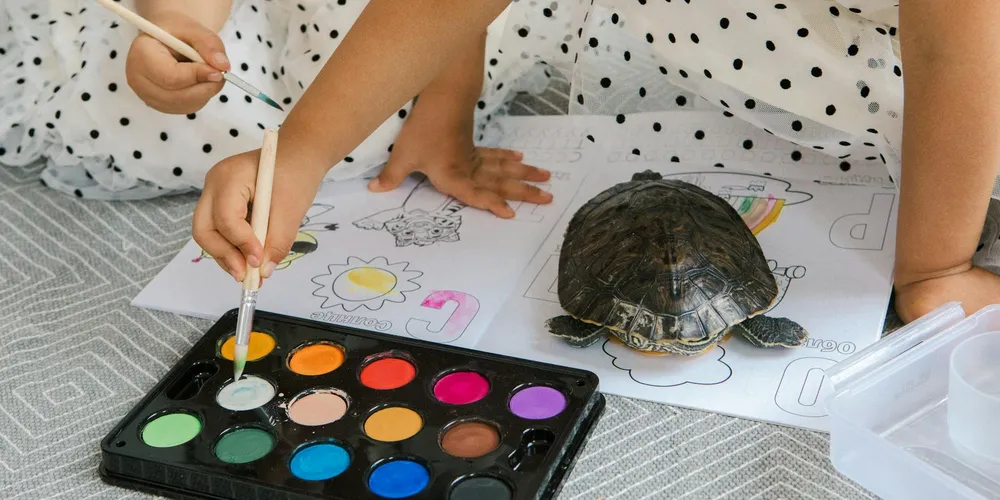
Checking where your turtle comes from helps ensure it’s healthy and ethically sourced, something I learned firsthand with my Russian tortoise, Austen. Always ask for detailed records to confirm the turtle’s age, health history, and breeding background. This simple step can prevent surprises down the road.
Questions to Ask Sellers
Start by having a friendly chat with the seller to gather key details. Inquire if the turtle is captive-bred or wild-caught, as captive-bred ones like my Greek tortoise, Bronte, often adapt better to home life. Use this list to guide your conversation:
- Can you provide veterinary health certificates or vaccination records?
- What is the turtle’s exact age and lineage? Breeders should share parent info.
- How was the turtle raised-solo or in a group? This affects social behavior.
- Are there any known genetic issues in the breeding line?
Physical and Behavioral Checks
Observe the turtle closely before deciding, just like I did with Orwell, my box turtle. If you’re wondering how I tell if my turtle is sick, I look for changes in appetite, energy, and breathing. Look for clear eyes, smooth shell without cracks, and active movement—these are signs of good health. Avoid turtles that seem lethargic or have discharge, as they might need urgent care. Additionally, you can find more information by checking out how to look for changes in appetite.
- Check the shell for symmetry and uniform coloring; irregularities can indicate poor nutrition.
- Watch how it responds to gentle handling; a calm turtle is often well-socialized.
- Note the environment: clean tanks and proper heating show responsible care.
Documentation and Red Flags
Trustworthy sources provide paperwork, so don’t hesitate to request it. Be wary of sellers who avoid questions or offer vague answers; this could signal unethical practices. I always advocate for animal welfare by choosing breeders who prioritize transparency over quick sales.
- Ask for CITES permits if applicable, to confirm legal trade.
- Review any guarantees on health or return policies.
- Compare multiple sources to spot inconsistencies in stories.
Preparing for Your New Chelonian Companion
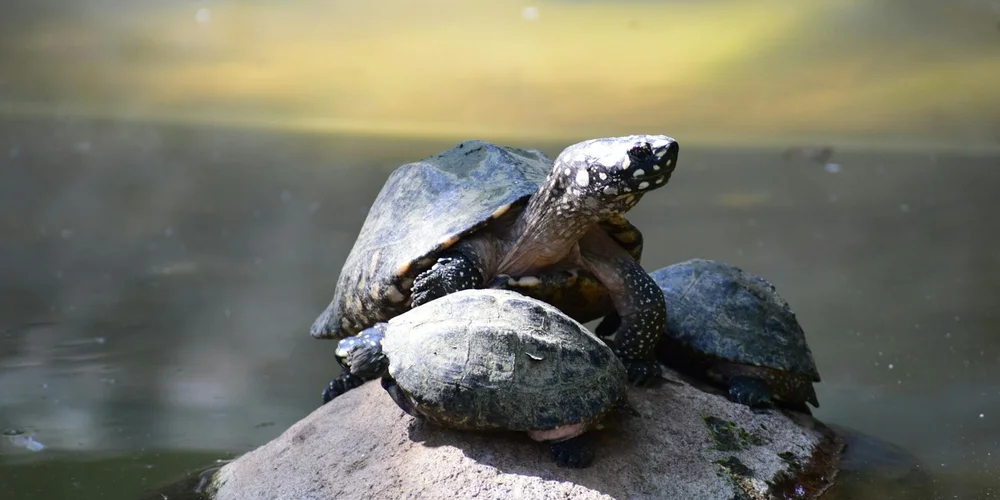
Getting everything ready before your turtle arrives makes the transition smoother, a lesson I learned with Bronte’s graceful arrival. Set up the habitat at least a week in advance to stabilize temperature and humidity levels. This prep work reduces stress for both you and your new friend. A first-week turtle checklist with 10 essential tasks helps settle your new turtle. Stick to it to cover setup, feeding, and daily care.
Habitat Setup Essentials
Create a comfortable space that mimics their natural environment. Choose an enclosure size based on the turtle’s adult dimensions-my Russian tortoise, Austen, needs room to roam and dig. Size matters: a properly sized enclosure supports movement, thermoregulation, and enrichment. If you’re unsure, start with more space and adjust as needed. Follow these steps for a basic setup:
- Select a tank or outdoor pen with secure lids to prevent escapes.
- Add substrate like coconut coir or cypress mulch for burrowing.
- Install UVB and heat lamps to support shell and bone health.
- Include hiding spots and shallow water dishes for hydration.
Diet and Nutrition Planning
Feed a balanced diet to keep your turtle thriving, as I do with Orwell’s reserved but intelligent nature. Offer a mix of leafy greens, vegetables, and occasional protein sources like worms or pellets. For an omnivorous turtle, variety is key. Balance plant foods with protein to support growth and health. Adjust portions based on age and species to avoid overfeeding.
- Research specific dietary needs; for example, Greek tortoises enjoy fibrous plants.
- Provide calcium supplements for strong shell development.
- Monitor eating habits weekly to catch any health issues early.
Handling and Socialization Tips
Ease your turtle into handling with patience and gentle approaches. Start with short, positive interactions to build trust, much like how Bronte became more graceful over time. Always wash your hands before and after to protect their delicate skin.
- Limit handling to a few minutes daily until the turtle seems comfortable.
- Observe body language; retracting into the shell means it needs space.
- Introduce new environments slowly to prevent stress-related illnesses.
Making Your Final Sourcing Decision
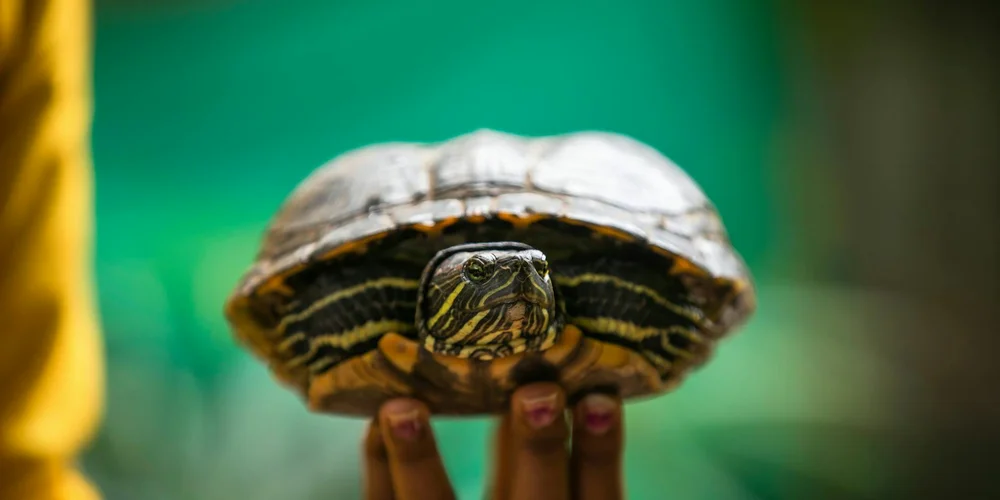
Choosing where your shelled friend comes from is a deeply personal decision. Your lifestyle, budget, and the specific kind of turtle you envision will ultimately guide your choice. I’ve welcomed turtles from both paths into my home, and each experience taught me something new.
Weighing Your Priorities
Think of this not as a right-or-wrong choice, but as a matching process. Ask yourself these questions honestly.
- What is my absolute maximum budget for the initial purchase and setup?
- How much time can I dedicate to vet visits and potential initial health issues?
- Am I seeking a specific, uncommon species or a common, hardy one?
- How important is knowing the exact hatch date and genetic history to me?
- Do I want the convenience of immediate acquisition, or am I willing to wait for the right animal?
A Quick Comparison Table
| Factor | Pet Store Turtle | Breeder Turtle |
|---|---|---|
| Cost | Generally lower initial cost | Higher initial cost, reflects quality care |
| Health History | Often unknown, higher risk of illness | Typically well-documented, vet-checked |
| Species Variety | Limited to common species (e.g., Red-Eared Sliders) | Wide variety, including rare and captive-bred species |
| Knowledge & Support | Basic care sheet, limited ongoing support | Extensive, lifelong support from the expert |
| Ethical Source | Origin can be uncertain, may support wild capture | Supports conservation-focused captive breeding |
This table is a starting point, but your gut feeling matters just as much as the facts. My Greek tortoise, Bronte, came from a dedicated breeder, and that direct line of support was invaluable during her first year.
My Personal Sourcing Philosophy
After years in this hobby, my perspective has solidified. I now strongly lean towards reputable breeders for most situations. The peace of mind that comes from knowing your turtle started life in a healthy, controlled environment is simply priceless. It often leads to fewer vet bills and a calmer, more predictable animal, like my thoughtful Bronte. In other words, when choosing a turtle, consider factors like space, climate needs, diet, and lifespan. These are the key factors to consider when choosing turtle species.
However, I also believe in giving a good home to animals already in the system. If you find a healthy-looking turtle at a store and have the experience to provide excellent care, that can be a wonderful act of compassion. My box turtle, Orwell, was a rehome from a less-than-ideal situation, and his intelligent personality has been a joy. Just be prepared for the possibility of hidden health challenges that may require extra dedication and resources. In turtle care, it’s especially helpful to know which health issues are the most critical to watch for. Early signs—such as appetite loss, lethargy, breathing changes, or shell and eye problems—should prompt a vet check.
Common Questions
How do we verify the provenance of a turtle?
Request detailed documentation from the seller, such as a sales receipt and any available health or breeding records. You can also ask specific questions about the turtle’s age, captive-bred history, and the conditions in which it was raised.
Is there risk of disease transfer between sources?
Yes, turtles from different sources, especially those with unknown health histories, can carry and transmit pathogens. Quarantining any new turtle before introducing it to an existing habitat is a critical step to prevent disease spread. It helps ensure that the new turtle is healthy and won’t infect the other turtles in your collection. You can learn more about proper quarantine procedures in our Quarantine Protocol: The Essential First Steps for Every New Turtle article.
How do growth rates vary by source?
Turtles from breeders often have more consistent growth rates due to controlled diets and environments from hatching. In contrast, growth can be uneven in turtles from other sources, potentially due to early nutritional deficits or stress.
What environmental impacts are associated with turtle sourcing?
Wild capture can deplete local populations and disrupt delicate ecosystems. Conversely, captive breeding from reputable sources helps conserve wild populations by reducing the demand for wild-caught animals.
What steps ensure traceability of turtle origin?
Proper documentation, such as a detailed receipt that includes the source’s information, is the primary method. For certain protected species, legal trade requires official CITES permits that track the animal’s origin.
Your Shell-Shaped Decision
Ultimately, choosing a turtle comes down to prioritizing long-term health and ethical sourcing. For a pet with a known history and robust start in life, a reputable breeder is your best path, while pet stores offer accessibility but require extra vigilance. Ethical considerations also include whether you can meet a turtle’s long-term care needs. If you can’t commit to a proper enclosure, lighting, diet, and veterinary care, reconsider. Your personal circumstances and commitment level will guide this important choice.
Whichever path you choose, remember that you are making a promise to a creature that may outlive many of your other possessions. Commit to being a lifelong student of turtle care, ensuring your shelled friend thrives for decades to come.
Further Reading & Sources
- r/turtle on Reddit: Is it ethical to get turtles from your local pet stores? Where do those come from?
- Things to Consider Before Getting a Pet Turtle or Tortoise – PetHelpful
- Where to Buy a Pet Turtle in 2025: Adoption, Online & Retail Options | PangoVet
- New to Turtles. Trying to find reputable shops and/or breeders. Is there a list? | Tortoise Forum
Matthew is a dedicated turtle enthusiast and conservationist with over 15 years of experience in reptile care. Known affectionately as "The Leatherback" among his peers, he combines his passion for turtles with a commitment to educating pet owners on responsible turtle care and environmental stewardship.
Turtle Myths and Misconceptions