
Weekly Turtle Tank Maintenance Checklist: Water Changes & Filter Cleaning
You might feel overwhelmed by the thought of keeping your turtle’s tank clean, worrying about murky water, clogged filters, or your pet’s health, but a consistent weekly routine makes it simple and stress-free.
Drawing from my years caring for turtles like Austen and Bronte, I’ve found that regular upkeep not only keeps the water clear but also supports their well-being, preventing common issues before they start.
This article covers water changes, filter cleaning, tank inspection, and health checks to guide you step by step.
Essential Tools for Your Weekly Turtle Tank Maintenance
Having the right gear turns a chore into a simple, mindful routine. I learned this after years with my own shelled companions, Austen, Bronte, and Orwell.
A good siphon gravel vacuum is your best friend for quick water changes and waste removal. It pulls water out while cleaning the gunk from your substrate.
My Go-To Toolkit
- Siphon Gravel Vacuum: Choose one with a hand pump to start the flow easily.
- Large, Dedicated Buckets: I use two-one marked for waste water and one for fresh, clean water to avoid cross-contamination.
- Water Conditioner: This neutralizes chlorine and chloramines from tap water, making it instantly safe for your turtle.
- Algae Scraper or Pad: A simple magnetic cleaner or a new, soft-bristled brush works wonders on the viewing panes.
- Aquarium-Safe Glass Cleaner: For the outside of the tank where curious noses and paws leave prints.
Keeping these items together in a caddy saves me precious minutes every single week. It makes the process feel organized and calm.
Performing a Safe and Effective Water Change
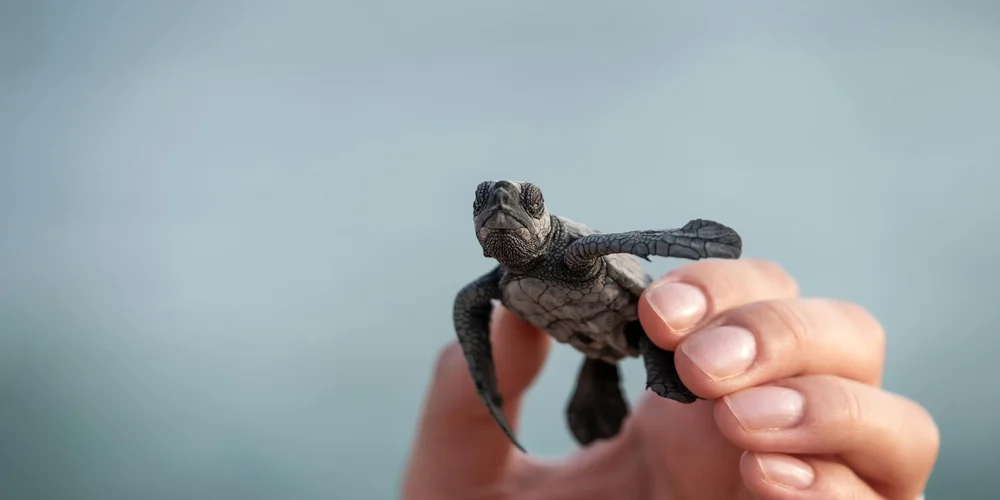
This weekly ritual is less about cleaning and more about creating a stable, healthy environment. I approach it with a gentle, steady hand.
Always move your turtle to a secure, temporary holding bin with some of its tank water before you start. This keeps them safe from falling objects and stress. This step is part of our Safe Turtle Handling for Children: Complete Guide. If children are helping, supervise closely and keep handling gentle and brief.
The Step-by-Step Process
- Unplug All Equipment: Heaters, filters, and lights must be turned off and unplugged to prevent damage or electrical hazards.
- Use Your Siphon: Start the siphon and vacuum the substrate, focusing on areas where waste accumulates. Remove 25-50% of the tank water into your waste bucket.
- Scrub the Walls: Use your algae scraper to clean the inside glass. A little algae is healthy, but too much blocks light and views.
- Prepare New Water: Fill your clean bucket with tap water that is close to the tank’s current temperature. Add the correct dose of water conditioner and stir.
- Gently Add Water: Slowly pour the prepared water back into the tank to avoid disturbing the setup and stressing any remaining beneficial bacteria.
- Restart and Reunite: Plug all equipment back in. Once the water temperature has stabilized, gently return your turtle to its refreshed home.
Watching my turtles explore their clean water is one of the small, quiet joys of being a keeper. It reaffirms that this simple care makes a profound difference in their well-being.
Cleaning Your Turtle Tank Filtration System
Your turtle’s filter is like the heart of their aquatic home, pumping out clean water and removing harmful waste. Essential filtration systems are crucial for keeping turtle water clean, as they continuously filter and circulate it. A reliable filter tailored to your tank size helps maintain crystal-clear water between cleanings. I’ve found that a consistent weekly cleaning routine prevents buildup and keeps your turtle active and healthy. From caring for Orwell, my box turtle, I learned that skipping filter maintenance can quickly lead to murky water and stressed behavior.
Start by unplugging the filter to ensure safety during cleaning. Always handle the filter components gently to avoid damaging the delicate parts that house beneficial bacteria. Rinse the exterior with a soft cloth and dechlorinated water to remove algae without introducing chemicals.
- Inspect the impeller for debris-this small part can clog easily and reduce efficiency.
- Check hoses and connections for cracks or leaks to prevent unexpected failures.
- Wipe down the filter housing with a vinegar solution for a natural clean that won’t harm your turtle.
After cleaning, reassemble the filter and run it for a few minutes to ensure everything works smoothly. You’ll notice the water clarity improve almost immediately, which is a sure sign your efforts are paying off. This simple step has saved me from many potential health scares with my turtles over the years. Keeping the tank clean helps prevent odors from building up. An odor-free tank is healthier and more inviting for your turtles.
Maintaining Your Filter Media
Filter media is where the magic happens, hosting bacteria that break down toxins in the water. Proper care of this media keeps your tank’s ecosystem balanced and your turtle safe from ammonia spikes. I remember one time with Bronte, my Greek tortoise, when I rinsed the media too harshly and had to rebuild the bacteria colony—it taught me to be extra cautious. These are exactly the kinds of water quality woes explored in the piece “Water quality woes: 6 common filtration mistakes turtle owners make.” Understanding and avoiding these mistakes can keep your turtle’s tank healthier.
Never use tap water to clean filter media, as chlorine can kill the beneficial bacteria. Instead, swish it gently in a bucket of water taken from the tank during your weekly change. This preserves the bacteria while removing excess debris.
- Remove the media from the filter and place it in a separate container.
- Gently agitate it in tank water until the water runs relatively clear.
- Replace the media if it’s falling apart or overly saturated, but do this gradually to avoid shocking the system.
I advocate for animal welfare by stressing that clean media supports a stress-free habitat. Your turtle will show their appreciation through bright eyes and energetic swimming. Regular maintenance here is a small act that makes a big difference in their quality of life.
Testing Your Turtle Tank’s Water Quality
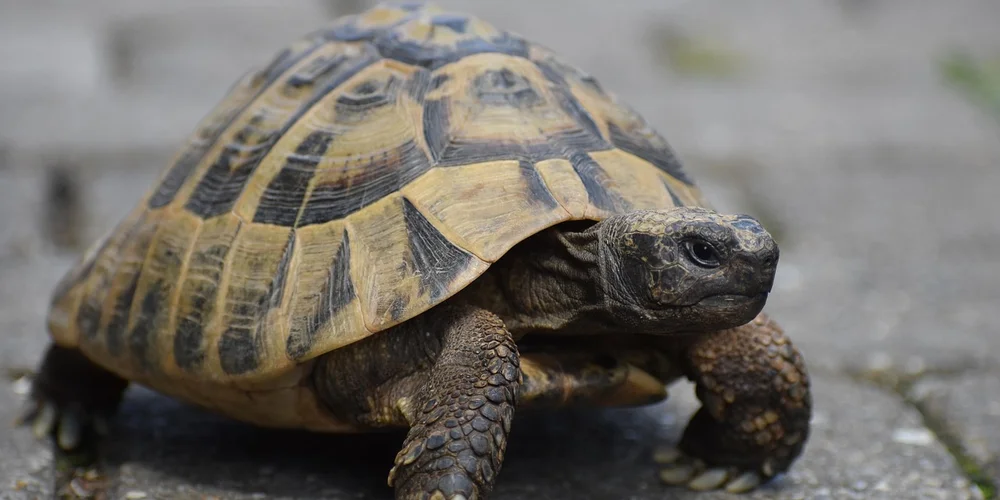
Testing your tank’s water is like giving it a regular health check-up—it catches problems before they affect your turtle. I make it a habit to test weekly, and it’s helped me keep Austen, my Russian tortoise, in top shape despite his messy eating habits. You can use simple test strips or liquid kits for accurate results. To make this easier, I follow a simple water-quality maintenance schedule—test on the same day each week. I adjust water changes and filter cleaning based on the results.
Focus on key parameters to ensure a safe environment. Ammonia levels should always be at zero, as even small amounts can irritate your turtle’s skin and eyes. Nitrite and nitrate readings give insight into the nitrogen cycle, which is vital for waste breakdown.
- pH levels: Aim for a range of 6.5 to 8.0, depending on your turtle species-Orwell prefers it slightly alkaline.
- Ammonia: Any detectable level requires immediate action, like a partial water change.
- Nitrite: Keep this at zero to prevent respiratory issues in your turtle.
- Nitrate: Levels below 20 ppm are ideal to avoid algae growth and health risks.
Record your results in a notebook to track trends over time. This proactive approach has saved me from emergency vet visits and keeps my turtles thriving. If levels are off, adjust slowly with water changes and filter tweaks-your turtle will thank you with their vibrant behavior.
Controlling Algae and Cleaning Tank Decor
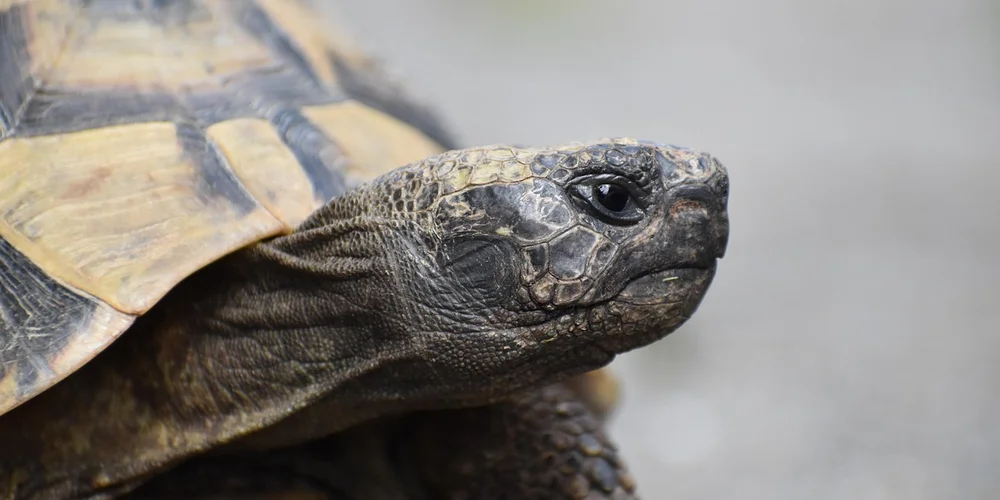
Algae can sneak into your turtle’s tank like an uninvited guest. Managing algae growth starts with consistent weekly habits to keep the water healthy and clear. To do this sustainably, lean on proper filtration, balanced lighting, and regular water changes. I recall a time with Bronte’s enclosure where skipping a clean led to a stubborn green film; it taught me the value of routine.
Effective Algae Reduction Techniques
- Adjust lighting to 8-10 hours daily to limit algae fuel.
- Add natural cleaners like snails, but research safe species for your setup.
- Scrub surfaces during water changes to remove early algae signs.
Cleaning tank decor requires a gentle touch. Always use dechlorinated water for rinsing to protect your turtle’s sensitive skin and shell. With Orwell’s items, I avoid harsh scrubs that could scratch and harbor bacteria (especially when cleaning a turtle tank).
Step-by-Step Decor Cleaning
- Take out decorations when you do water changes.
- Wipe them with a soft cloth or brush in a separate bucket.
- Rinse well and let them air dry before placing back.
Animal welfare means avoiding chemicals that harm turtles. Stick to physical cleaning methods over additives for a safer environment. My experience with Austen showed that simple tools work best without risking health issues.
Creating Your Personalized Weekly Maintenance Log
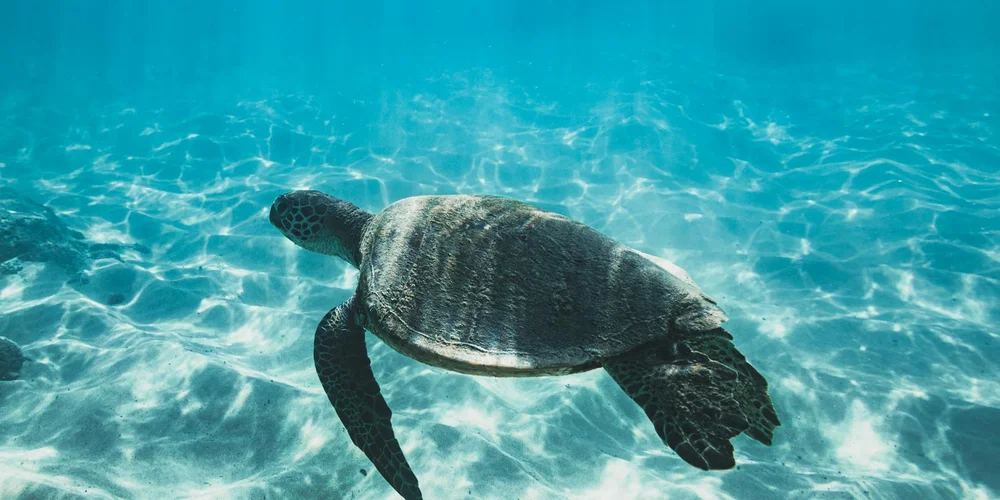
A maintenance log turns guesswork into a reliable system. Tracking your actions helps you notice trends and prevent problems early. I began logging for Bronte years ago, and it made care feel like a shared journey rather than a chore.
Essential Elements for Your Log
- Record water change dates and percentages replaced.
- Note filter cleanings and any part replacements.
- Document algae levels and turtle behavior observations.
- Include feeding habits and shell condition checks.
Customize your log to fit your turtle’s unique needs. Use a format you enjoy, whether digital or handwritten, to stay motivated. For Orwell, I include quirky notes on his curiosity, which adds personality to the routine.
Building Your Log Step by Step
- Choose a notebook or app and label sections clearly.
- Set a weekly reminder to update entries promptly.
- Review past logs monthly to adjust care as needed.
Consistency in logging supports long-term turtle health. Your records become a valuable history that guides better decisions over time. With Austen, I spotted a pattern in his activity that hinted at seasonal changes, thanks to detailed notes.
Example Log Entry Table
| Date | Water Change | Filter Status | Algae Level | Turtle Notes |
|---|---|---|---|---|
| 10/15/2023 | 30% | Cleaned | Minimal | Bronte basked often, ate greens eagerly. |
| 10/22/2023 | 25% | Rinsed media | Low | Orwell explored new decor, shell looks smooth. |
FAQs
What are the signs that my turtle tank needs immediate maintenance beyond the weekly routine?
Cloudy water or a strong, unpleasant odor can indicate waste buildup requiring prompt attention. Addressing these quickly helps prevent health issues like shell rot or respiratory problems in your turtle. If you’re wondering why your turtle water always seems dirty, this filtration maintenance troubleshooting guide can help. It covers common causes and practical steps to keep the water clean and healthy.
What is an easy maintenance turtle tank pump and how does it help?
An easy maintenance turtle tank pump is designed for simple disassembly and cleaning to save time during weekly upkeep. It reduces the risk of clogs and maintains consistent water flow for a healthier habitat.
Where can I buy an easy maintenance turtle tank pump?
You can find these pumps at specialty pet stores or online marketplaces like Amazon or Chewy. Always check product specifications to ensure it fits your tank size and turtle species.
How do I install and use an easy maintenance turtle tank pump?
Follow the included instructions to connect the pump to your filter system and power source securely. Run it in a test bucket first to confirm it operates quietly and efficiently before adding it to the tank.
When should I replace my turtle tank pump, and how do I do it safely?
Replace the pump if it fails to start, makes loud noises, or has visible damage like cracks. Always unplug all equipment and handle the replacement gently to avoid stressing your turtle or disrupting the tank environment.
A Clean Habitat for a Thriving Turtle
Sticking to a weekly routine of partial water changes and filter maintenance is the most effective way to keep your turtle’s aquatic environment pristine. This consistent care prevents toxin buildup and directly supports your turtle’s long-term health and vitality. This routine is part of an ultimate turtle habitat cleaning schedule. It helps you plan deeper cleans and inspections.
Remember, being a turtle guardian is a long-term commitment that rewards you with a unique, fascinating companion. Your dedication to learning and adapting your care is the greatest gift you can give your shelled friend.
Further Reading & Sources
- Keeping the Water in Your Turtle Tank Clean
- r/turtle on Reddit: How do you keep your tanks so clean?!
- Turtle Tank and Water Maintenance | Chewy
- How to Clean a Turtle Tank or Tortoise Habitat | PetSmart
Matthew is a dedicated turtle enthusiast and conservationist with over 15 years of experience in reptile care. Known affectionately as "The Leatherback" among his peers, he combines his passion for turtles with a commitment to educating pet owners on responsible turtle care and environmental stewardship.
Water Changes