
What Do Softshell Turtles Eat? A Species-Specific Diet Guide
Published on: February 1, 2026 | Last Updated: February 1, 2026
Written By: Matthew The
Feeding your softshell turtle the right foods can feel overwhelming, especially when you’re concerned about their health and happiness. From my years of caring for reptiles like Austen, my gentle Russian tortoise, I’ve learned that a proper diet is the foundation of their well-being, and it’s something every responsible keeper strives to master.
This guide covers species-specific diets, ideal feeding schedules, essential nutrients, and practical tips to avoid common mistakes.
Understanding Softshell Turtle Dietary Basics
Natural Diet in the Wild
In their natural waterways, softshell turtles are active hunters. Their flat, leathery shells and long necks are perfectly adapted for ambushing prey. They spend much of their time partially buried in sandy or muddy substrates, waiting for an unsuspecting meal to swim by. This isn’t a lazy strategy; it’s an energy-efficient one honed by evolution.
Carnivorous and Insectivorous Feeding Habits
Their diet is almost exclusively animal-based. I’ve observed my own turtles exhibit pure predatory instincts when presented with live food. To round out their nutrition, many keepers feed a mix of live prey, commercially formulated turtle pellets, and leafy vegetables.
- Small fish like minnows and guppies
- Aquatic insects and their larvae
- Crustaceans such as crayfish and shrimp
- Amphibians like frogs and tadpoles
- Occasional carrion (dead fish or animals)
They are opportunistic feeders, meaning they will consume almost any protein source they can catch and overpower. This varied intake in the wild provides a complete nutritional profile that we must replicate in captivity.
Key Nutritional Needs for Pet Softshell Turtles
Feeding a pet softshell turtle goes beyond just tossing in some fish. You need to think like a nutritionist for a very demanding aquatic athlete. Be aware of common turtle feeding mistakes—avoid them by offering a balanced mix of protein, vegetables, and calcium, and keeping portions appropriate. This helps prevent obesity and digestive issues.
- High-Quality Protein: This is the cornerstone of their health, vital for growth, shell development, and energy.
- Calcium and Phosphorus Balance: A proper ratio (around 2:1) is non-negotiable for preventing metabolic bone disease and maintaining a healthy shell.
- Minimal Fruits and Vegetables: Their systems are not designed to process plant matter efficiently. Offering greens is largely unnecessary.
- Vitamin and Mineral Supplementation: A reptile-specific vitamin powder used 1-2 times a week ensures they aren’t missing any key micronutrients.
Gut-loading their live food-feeding the feeder insects nutritious meals before offering them to your turtle-is a simple way to boost nutritional value. It’s a small step that makes a big difference in ensuring a balanced diet. Learn how to gut-load insects properly for your turtle’s diet.
Species-Specific Softshell Turtle Diets
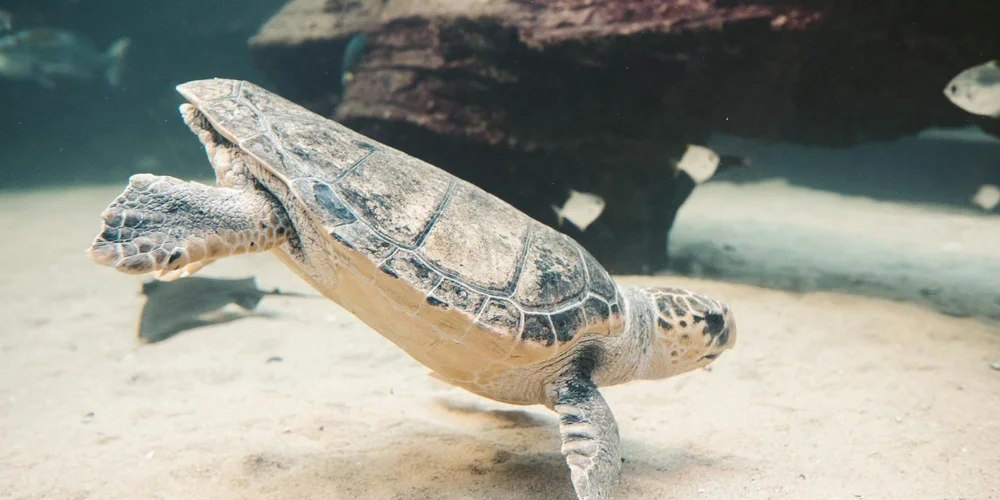
Spiny Softshell Turtle Diet
Native to North America, the Spiny Softshell is an aggressive and enthusiastic eater. Their name comes from the spiny, cone-like projections on the front edge of their carapace.
Preferred Foods and Feeding Behavior
They are powerful swimmers and will actively chase down prey. I find they have a particular fondness for foods that trigger their hunting drive.
- Live or thawed earthworms and nightcrawlers
- Small feeder fish like platies or rosy reds
- Crickets and mealworms (dusted with calcium)
- Freshwater shrimp and snails
Their feeding response is so vigorous that it’s best to feed them in a separate container to keep their main tank clean. This also prevents them from accidentally ingesting substrate while striking at food.
Smooth Softshell Turtle Diet
The Smooth Softshell, a close relative, has a sleeker, more pancake-like shell without the spines. They share a similar range and many dietary habits but can be slightly more particular.
Dietary Preferences and Variations
They tend to enjoy a diet rich in aquatic invertebrates. While they will eat fish, their wild diet often consists heavily of bottom-dwelling creatures.
- Crayfish and small crabs are a favorite
- Bloodworms and blackworms (excellent for juveniles)
- Small portions of lean, raw fish fillet (like tilapia)
- Aquatic insect larvae
I’ve noticed Smooth Softshells often use their sensitive snouts to probe the sand for buried prey, so sinking food items can encourage natural foraging behavior.
Chinese Softshell Turtle Diet
This is the species commonly associated with turtle soup in parts of Asia, but as pets, they are intelligent and engaging. They are highly adaptable omnivores, but protein should still dominate.
Common Foods in Captivity
Their tolerance for some plant matter is higher than other softshells, but it should not become a staple.
- Commercial turtle pellets formulated for aquatic species
- Small fish and shrimp
- Occasional treats of leafy greens like romaine lettuce
- Lean meats (in strict moderation)
Providing a balanced commercial pellet as a base diet ensures they receive a consistent level of vitamins and minerals, which you can then supplement with fresh foods. This takes the guesswork out of their core nutrition.
Vietnamese Softshell Turtle Diet
Also known as the Wattle-necked Softshell, this is a larger, more demanding species. They require spacious tanks and a robust, protein-heavy diet to thrive.
Unique Feeding Habits
These turtles are impressive predators. Their size and strength allow them to tackle larger prey items. Their powerful jaws can make short work of crustaceans and mollusks that other turtles would avoid. In the bigger picture, they are both turtles as predators and prey within an interconnected ecosystem. This dual role helps shape prey populations and overall community dynamics.
- Larger feeder fish
- Whole shrimp with the shell on for extra calcium
- Mussels and clams (shells help wear down their beak)
- Live crickets and locusts for enrichment
Feeding them whole prey, like a small fish or a mussel in its shell, provides immense mental and physical stimulation. It mimics the work they would do in the wild to eat, keeping them active and healthy.
Best Food Choices for Softshell Turtles
Animal Protein Sources
Softshell turtles thrive on a diet rich in animal proteins, much like their wild counterparts. Offering a mix of live and frozen options keeps meals exciting and nutritionally balanced. I’ve seen my own turtles, like Orwell, perk up at the sight of wriggling prey-it taps into their natural instincts.
- Small fish such as minnows or guppies
- Earthworms and bloodworms for easy digestion
- Crickets and mealworms to add crunch and variety
- Shrimp or krill for essential omega-3 fatty acids
Rotating these sources prevents dietary boredom. In my care, I’ve found that variety not only supports health but also reduces the risk of nutrient deficiencies.
Commercial Turtle Foods
High-quality commercial pellets can simplify feeding while ensuring balanced nutrition. Look for brands with whole protein listed first, like fish meal, to mimic their natural diet. I often use these as a base for my turtles, supplementing with fresh treats. When considering turtle diets, many keepers weigh the pros and cons of commercial versus homemade options for turtle health. Commercial diets provide consistent nutrition and convenience, while homemade diets can offer greater variety and more control over ingredients but require careful planning to avoid nutrient gaps.
- Floating pellets that encourage surface feeding
- Sticks or wafers for slower eaters
- Fortified options with calcium for shell health
Mixing commercial and fresh foods works well in my routine. This approach saves time and still provides the nutrients softshells need to stay vibrant.
Occasional Plant Matter
While softshells are mainly carnivorous, some may sample plant material. Including small amounts of greens can aid digestion and add enrichment. I’ve noticed my turtles occasionally nibble on duckweed or leafy veggies.
- Romaine lettuce or spinach in tiny portions
- Duckweed or water hyacinth for aquatic grazing
- Blanched zucchini slices as a rare treat
Keep plant offerings minimal to avoid displacing protein. From my experience, this balance supports overall wellness without compromising their carnivorous nature.
Feeding Your Softshell Turtle: A Practical Care Guide
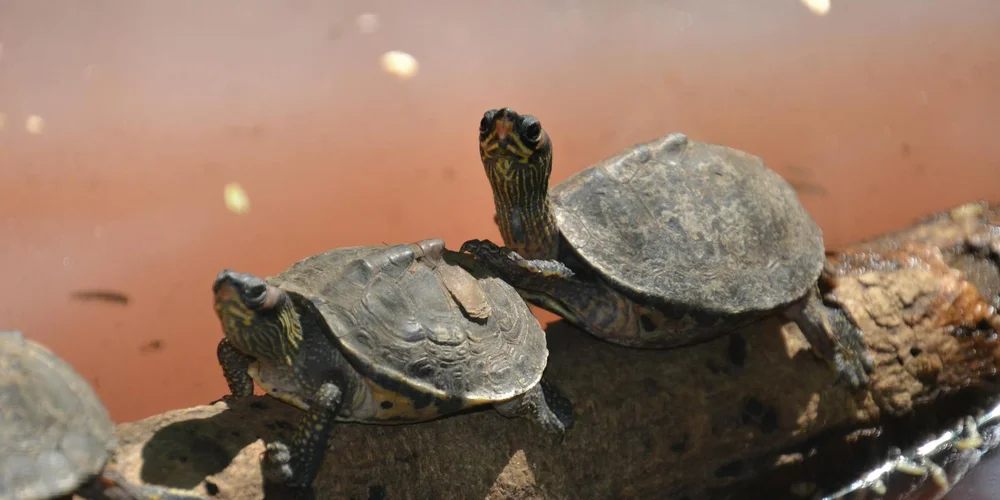
How Often to Feed
Feeding frequency shifts with age and activity level. Juvenile softshells benefit from daily meals to fuel their growth spurts. Adults do well with meals every other day or three times a week.
I adjust schedules based on season-less in cooler months when metabolism slows. Watching your turtle’s energy helps you fine-tune this rhythm for their well-being.
How Much to Feed
Portion control is key to preventing obesity and tank pollution. Aim for an amount roughly the size of your turtle’s head per feeding session. I use a small measuring spoon to keep servings consistent.
- For juveniles: a pinch of food that they finish in 5-10 minutes
- For adults: a slightly larger portion, adjusted if leftovers appear
Overfeeding can lead to health issues. In my practice, mindful portions keep turtles active and their habitat cleaner.
Preparing and Serving Food
Proper prep ensures safety and appeal. Thaw frozen items fully and rinse them to remove excess salts or preservatives. For live food, source from reputable suppliers to avoid parasites.
- Chop larger items into bite-sized pieces
- Serve in shallow water to encourage natural hunting behaviors
- Remove uneaten food within hours to maintain water quality
I’ve found that varying presentation-like scattering food-stimulates their minds. This simple step turns mealtime into engaging enrichment for your softshell.
Diet Plans for Different Life Stages
Hatchling Diet (0-1 Year)
Hatchling softshell turtles grow incredibly fast and need a protein-packed diet to support their development. I feed my young turtles small, live prey like bloodworms and brine shrimp daily, as it mimics their natural hunting instincts and keeps them engaged. Their tiny mouths can’t handle large pieces, so always chop food into bite-sized portions. Many keepers follow a hatchling nutrition guide to answer questions like ‘do baby turtles eat?’ and to ensure a balanced diet. These guides emphasize high-protein sources, appropriate portion sizes, and calcium supplementation.
- Offer live or frozen foods: bloodworms, daphnia, finely chopped earthworms
- Feed 2-3 times per day in small amounts to prevent overfeeding
- Include calcium supplements twice a week for strong shell growth
From my experience with Orwell, my box turtle, I learned that variety early on reduces pickiness. Rotate between different protein sources to ensure they get a balanced intake of nutrients. Always remove uneaten food within 30 minutes to keep their water clean and healthy.
Juvenile Diet (1-4 Years)
As juveniles, softshell turtles become more active and need a slightly larger and more diverse diet. I gradually introduce larger prey items, like small feeder fish and crickets, to match their growing size and energy levels. This stage is perfect for establishing good eating habits that last into adulthood.
- Base meals on high-protein foods: small fish, shrimp, insects
- Feed once daily, adjusting portions based on appetite and activity
- Add occasional plant matter, like duckweed, for fiber-though softshells are mostly carnivorous
Watching Bronte, my Greek tortoise, taught me that consistency is key. Stick to a regular feeding schedule to help juveniles feel secure and reduce stress-related eating issues. Monitor their weight monthly to avoid under or overfeeding, which can impact shell health.
Adult Diet (4+ Years)
Adult softshell turtles have slower metabolisms and require a balanced diet to maintain health without excess weight gain. I feed my adults every other day with a mix of whole fish, crustaceans, and occasional lean meats to keep their diet interesting and nutritious. To create a balanced diet for your omnivorous turtle, include a mix of animal protein and plant matter. Overfeeding can lead to obesity, so portion control is vital.
- Focus on whole prey: small fish, crayfish, snails
- Include calcium-rich items like cuttlebone to prevent shell softening
- Offer treats like mealworms sparingly-no more than once a week
Based on caring for Austen, my Russian tortoise, I’ve seen how a stable diet supports longevity. Adults thrive on routine, so maintain a consistent feeding plan and observe their behavior for any changes in appetite. Always provide fresh, clean water for hydration and to aid digestion.
Avoiding Common Feeding Problems
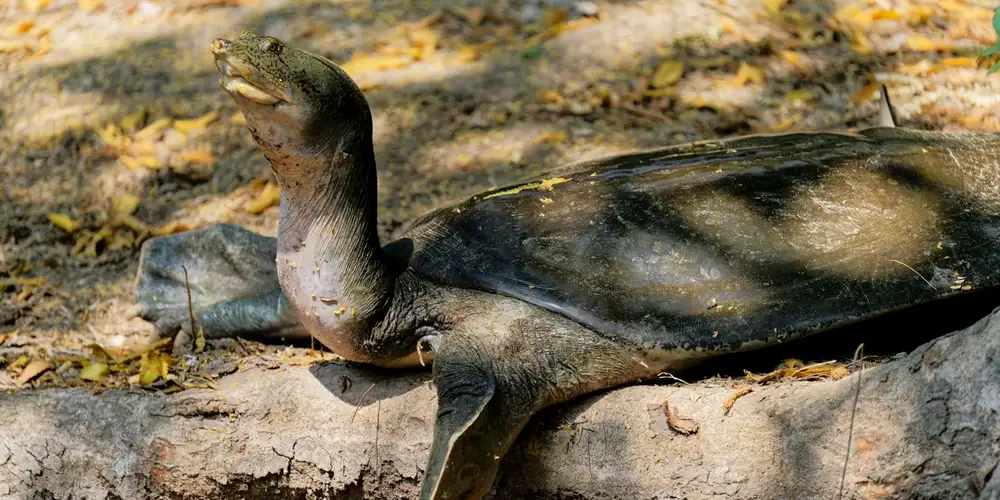
Handling Picky Eaters
Picky eating is common in softshell turtles, often due to boredom or stress. I’ve successfully encouraged finicky turtles by varying textures and smells-try offering live food to stimulate their natural hunting behavior. Start with their favorite items and slowly introduce new foods over time.
- Mix familiar foods with new options to ease transitions
- Use feeding tools like tongs to make meals interactive and fun
- Avoid forcing food; instead, create a calm environment to reduce anxiety
With Orwell, I found that patience pays off. If your turtle refuses food for a day or two, don’t panic – sometimes a brief fast helps reset their appetite. Consistency in feeding times and locations can build trust and make them more willing to eat. A daily, regular feeding schedule helps them stay active and manage their intake. Offer small, frequent portions rather than large, infrequent meals.
Signs of Malnutrition and Solutions
Malnutrition in softshell turtles often shows through physical and behavioral changes. Look for signs like a soft or misshapen shell, lethargy, or weight loss, which indicate deficiencies in calcium or vitamins. These symptoms can be early signs of metabolic bone disease in turtles. Recognizing them prompts timely treatment and dietary changes. Early detection allows for quick adjustments to their diet and care.
- Common symptoms: sunken eyes, poor growth, lack of energy
- Solutions: increase calcium supplements, add vitamin D3 for absorption, consult a vet for severe cases
- Prevent issues by offering a varied diet and regular health checks
From my experience with Bronte, I learned that proper nutrition is non-negotiable for animal welfare. Always source high-quality, fresh food to avoid contaminants that could harm your turtle’s health. If problems persist, seek professional advice to tailor a recovery plan that addresses specific needs.
FAQs
What do softshell turtles in Florida typically eat in their natural habitat?
Florida softshell turtles primarily consume local prey like small fish, crayfish, and aquatic insects found in the state’s rivers and lakes. Their diet reflects the abundant biodiversity, including species such as sunfish and various insect larvae.
Can you suggest a balanced weekly diet plan for a pet softshell turtle?
A sample week could include feeder fish on Monday, calcium-dusted insects on Wednesday, and commercial pellets on Friday. Rotating protein sources ensures variety and meets nutritional needs without overfeeding.
How does the diet of Chinese softshell turtles compare to other species?
Chinese softshell turtles are more omnivorous and can tolerate occasional plant matter like leafy greens. However, they still require a protein-heavy diet similar to other softshells, with foods such as shrimp and small fish.
What are the key dietary needs for Vietnamese softshell turtles?
Vietnamese softshell turtles need a robust, high-protein diet with whole prey like larger fish and crustaceans to support their size. Including items with shells, such as mussels, aids in calcium intake and beak maintenance.
What foods should I avoid feeding my softshell turtle?
Avoid processed human foods, high-fat meats, and toxic plants like avocado, as they can cause digestive problems or toxicity. Stick to natural, animal-based proteins to keep your turtle healthy and active. Some turtle guides also suggest lean chicken as a straightforward source of animal protein. If you choose chicken, offer it in moderation as part of a varied protein mix.
Caring for Your Softshell Turtle
A softshell turtle’s health thrives on a species-specific diet rich in whole prey like fish and insects, supported by a clean, spacious aquatic habitat. Mimicking their natural feeding behaviors in captivity is the single most important factor for their long-term wellness.
Committing to a softshell turtle means committing to a lifetime of learning and adapting your care as new information emerges. Your dedication to understanding their unique needs is what transforms basic survival into a truly thriving life for your shelled friend.
Further Reading & Sources
- A Guide to Caring for Softshell Turtles as Pets
- Florida Softshell Turtle | FWC
- Soft Shelled Turtle Care Sheet
- Spiny Softshell Turtle | National Wildlife Federation
Matthew is a dedicated turtle enthusiast and conservationist with over 15 years of experience in reptile care. Known affectionately as "The Leatherback" among his peers, he combines his passion for turtles with a commitment to educating pet owners on responsible turtle care and environmental stewardship.
Common Turtle Foods