
Why Are Green Sea Turtles Green? The Simple Science Explained
You might be curious why green sea turtles sport that lush green color, perhaps worrying if it’s a sign of diet issues or environmental harm, but rest assured, it’s a fascinating adaptation tied to their survival.
In this article, we’ll explore: their unique herbivorous diet, the role of green fat in their bodies, how it aids in ocean camouflage, and why this knowledge supports turtle conservation efforts.
Meet the Green Sea Turtle
Let’s get acquainted with the magnificent Green Sea Turtle, or Chelonia mydas if you want to be scientific.
These gentle giants roam the warm, tropical oceans and are one of the largest sea turtles.
After years of caring for my land-dwelling tortoises, I’m always humbled by the sheer scale and grace of their marine cousins.
The Source of Their Green Hue
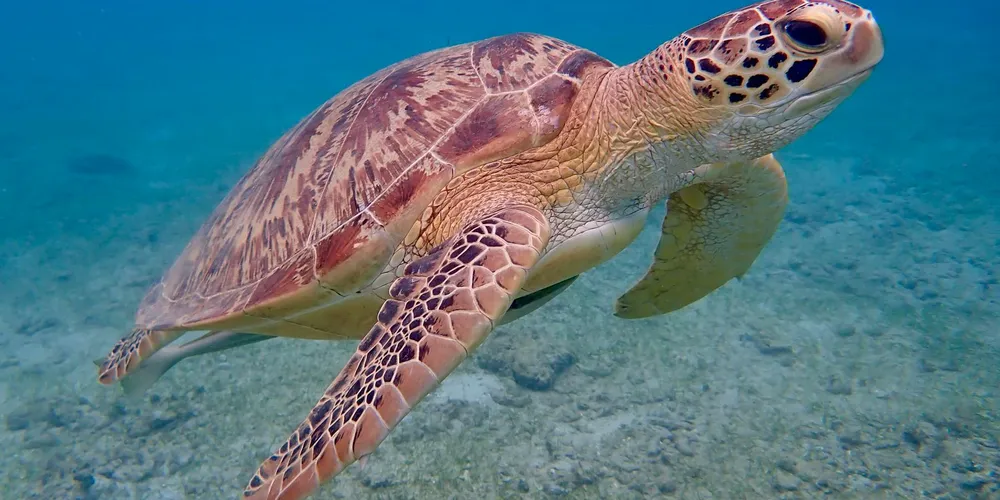
Their famous green color doesn’t come from their shell’s surface.
It originates from within, a direct result of their diet and how their body processes it.
The green is a built-in souvenir from a lifetime of munching on seagrass and algae.
As marine herbivores, their digestive system breaks down these plants.
Specific pigments from the vegetation are then absorbed and deposited into their body fat.
This process gives their fat tissue a distinct greenish color.
How Diet Creates Color
Think of it like flamingos turning pink from eating shrimp.
For Green Sea Turtles, the magic lies in carotenoids and other pigments found in their leafy meals.
My Russian Tortoise, Austen, gets a wonderfully rich shell color from his varied diet, but the sea turtle’s version is far more dramatic. Sea turtles have fascinating shells that serve as both protection and camouflage in the wild.
This is a perfect example of diet-derived coloration, where you literally are what you eat.
The Role of Green Body Fat
The green color is most concentrated in their fat deposits.
This fat lies just beneath their skin and around their internal organs.
It’s this layer of green fat that shows through their skin and the cartilage of their shell, creating that overall olive-green appearance.
It’s not a surface paint job; it’s a deep, internal glow from a healthy, plant-based life.
Color Changes Through Life
Watching a Green Sea Turtle grow is like seeing a living painting slowly change its palette. Their color story is deeply intertwined with a dramatic shift in their diet and lifestyle. By learning to read these color changes as body language, we gain clues about their mood and needs. These cues help observers understand how they respond to their environment.
As a hatchling, a Green Sea Turtle is not the vibrant green we imagine. They are typically much darker, often a near-black or dark brown. I’ve seen similar dark phases in young reptiles, a trait that often provides better camouflage. This initial darkness coincides with their carnivorous youth, spent feasting on tiny crabs, jellyfish, and other protein-rich marine snacks. In science, researchers study how turtle shell coloration patterns develop as turtles grow, revealing how genetics and environment shape pigment deposition. These patterns can also indicate developmental stage and habitat history.
The real transformation begins as they mature into “teenagers” and adults. Their bodies start to crave a different menu. They undergo one of the animal kingdom’s most fascinating dietary shifts, moving from a carnivorous diet to an almost exclusively herbivorous one.
Their new favorite food becomes seagrass and algae. This plant-based diet is loaded with chlorophyll, the same green pigment found in all plants on land and sea. Over years, these green pigments accumulate in their body fat. The constant grazing on seagrass meadows slowly infuses their tissues with a greenish hue from the inside out. It’s a beautiful, gradual process of their environment literally coloring them.
Not Just the Shell: Skin and Fat Color
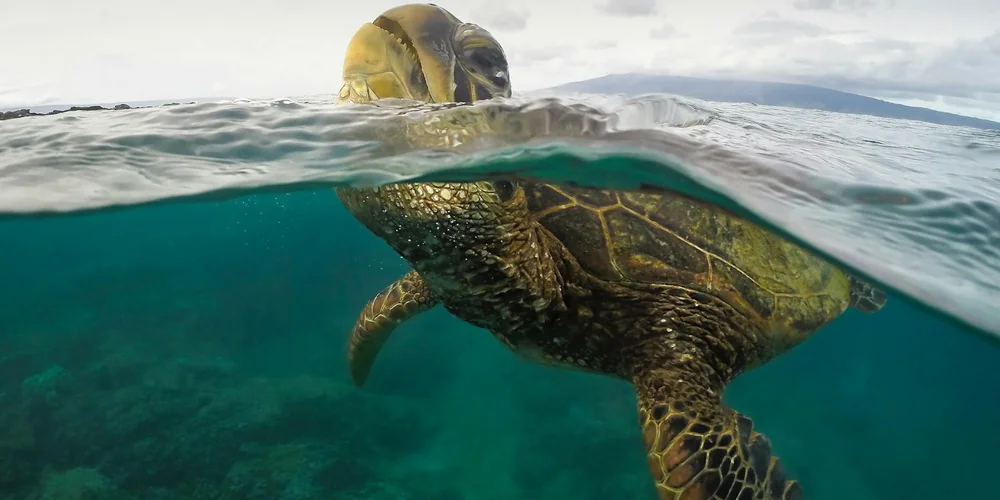
Many people assume a Green Sea Turtle is named for its shell, but the truth is more fascinating. The name “Green Sea Turtle” actually refers to the color of their body fat, not primarily their shell or skin.
Let’s break down their actual external colors. Their carapace, or top shell, isn’t a bright Kelly green. It’s typically a mosaic of beautiful patterns in shades of olive green, brown, black, and sometimes even hints of yellow. Color, for people, is mainly read from the shell—the shell is the turtle’s color display. In turtles, the shell is the primary canvas for their colors, with the skin usually echoing those tones. My tortoise, Bronte, has a shell with similar earthy, blended tones. The turtle’s skin on its head and flippers usually matches this, often a bit darker.
The secret to their green reputation lies beneath the surface. That herbivorous diet rich in chlorophyll causes their body fat to take on a distinct greenish color.
Since a sea turtle’s skin is relatively thin and somewhat translucent in places, this green-tinted fat can subtly show through. This internal green glow, combined with the olive tones of their shell and skin, creates the overall “green” impression we recognize. It’s a wonderful example of how an animal’s inner life, its diet, becomes a visible part of its identity.
Conservation and Color
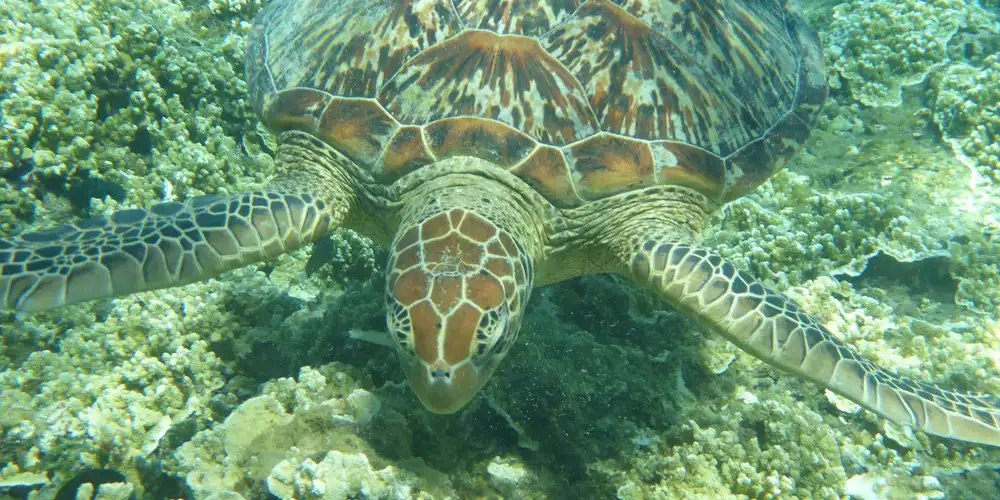
- The green sea turtle’s unique color stems from their herbivorous diet, rich in seagrass and algae, which pigments their fat and shells. This dietary reliance ties directly to their habitat, making them vulnerable to environmental changes. From my experience with pet tortoises like Austen and Bronte, I’ve seen how diet shapes shell health and color, mirroring the wild dependence of green sea turtles on specific food sources. These turtles are endangered due to habitat loss, pollution, and climate change impacting seagrass beds. Protecting areas like Hawaii’s seagrass meadows is vital, as it safeguards their food supply, ensuring their survival and the persistence of that iconic green hue. By advocating for habitat conservation, we help preserve not just their color but their very existence.
Why This Green Color Matters
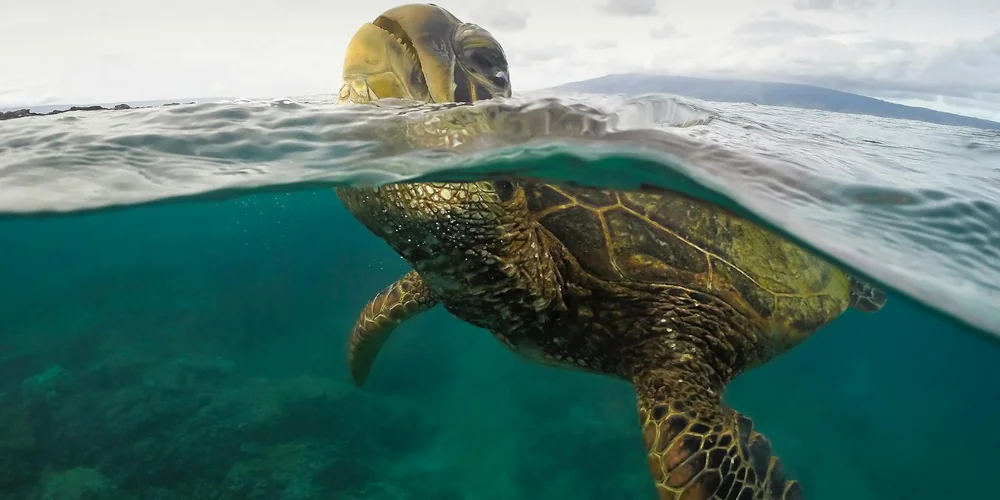
- Evolution has gifted green sea turtles with a color that offers superb camouflage in seagrass meadows, hiding them from predators like sharks. This natural disguise is a survival tool, allowing them to graze safely and thrive in their oceanic homes. Their health and diet are inseparable from this pigmentation-a well-fed turtle with access to lush seagrass maintains its vibrant green, signaling robust well-being. In caring for my own turtles, I’ve observed how proper nutrition reflects in their appearance, and it’s no different in the wild. Supporting conservation efforts ensures these magnificent creatures can continue to blend into their environments and flourish.
FAQs
How large can green sea turtles grow?
Adult green sea turtles typically reach 3 to 4 feet in shell length and can weigh between 300 to 500 pounds. Their size makes them one of the largest sea turtle species, requiring vast ocean habitats to thrive. In particular, they rely on warm, shallow waters and extensive seagrass beds for food. Protecting these habitats is key to sustaining green sea turtle populations.
Are green sea turtles still considered endangered?
Yes, green sea turtles are classified as endangered or threatened in many regions due to threats like habitat loss and pollution. Conservation efforts are ongoing to protect their populations and promote recovery. Understanding sea turtle biology—such as nesting behavior, migration routes, and temperature-dependent sex ratios—helps tailor conservation actions. Public education and policy measures further support habitat protection and bycatch reduction.
What is the conservation status of green sea turtles in Hawaii?
In Hawaii, green sea turtles are protected under state and federal laws, such as the Endangered Species Act. Local conservation programs focus on preserving nesting beaches and reducing human impacts to support their survival. People can help save endangered sea turtles by keeping beachfront lights low at night during nesting season. Reducing plastic waste and avoiding disturbing nests also makes a big difference.
Your Turtle’s Vibrant Health Journey
Green sea turtles owe their hue to a diet rich in seagrass, showing how nutrition shapes a turtle’s well-being. Do green sea turtles eat other animals, or are they strictly herbivores? In the wild, adults are primarily herbivores, grazing on seagrass and algae. Apply this by feeding your pet turtles a balanced mix of greens and veggies to support their natural vitality and coloration.
From my years with Austen and Bronte, I’ve learned that responsible ownership means always putting their habitat and dietary needs first. Stay curious and keep exploring reliable sources to grow your knowledge, ensuring your turtle thrives under your care. As part of the care land aquatic turtles essential guide, this approach translates into balanced land-and-water care. You’ll find practical tips for enclosures, lighting, and nutrition there.
Further Reading & Sources
- Green sea turtle – Wikipedia
- Green Sea Turtle | National Wildlife Federation
- Green Turtle | NOAA Fisheries
- Green Sea Turtle | Mass.gov
Matthew is a dedicated turtle enthusiast and conservationist with over 15 years of experience in reptile care. Known affectionately as "The Leatherback" among his peers, he combines his passion for turtles with a commitment to educating pet owners on responsible turtle care and environmental stewardship.
Aquatic Turtles