
10 Dangerous Turtle Care Myths Debunked by Veterinarians
Published on: March 14, 2026 | Last Updated: March 14, 2026
Written By: Matthew The
Have you ever worried that the care tips you follow for your turtle might accidentally be putting their health at risk? I’ve cared for my own turtles-Austen, Bronte, and Orwell-for years, and I’ve seen how common myths can lead to real problems, from shell issues to stress.
We’ll explore myths about diet, habitat size, handling, health signs, and more, all cleared up with vet-backed facts.
Myths About Turtle Lighting and Heating Needs
Many turtle owners underestimate how vital proper lighting and heating are for their pets’ well-being. UVB light is non-negotiable because it enables turtles to produce vitamin D3, which lets them absorb calcium for strong shells and bones. Without it, they can’t process the calcium from their diet, leading to serious health issues. I’ve seen this firsthand with my Russian Tortoise Austen; after upgrading his UVB setup, his shell became noticeably harder and healthier.
Some believe that placing a tank near a window provides enough UV rays, but this is a dangerous misconception. Window glass blocks nearly all UVB radiation, leaving indoor turtles deficient and at risk. Even on sunny days, your pet won’t get the UV exposure they need, which I learned the hard way when Bronte showed early signs of weakness before I corrected her habitat.
- Use a dedicated UVB bulb designed for reptiles, replacing it every 6-12 months as output diminishes.
- Ensure the light covers the basking area directly, with no barriers, for 10-12 hours daily.
- Pair UVB with a heat lamp to maintain a basking spot temperature of 85-95°F, depending on species.
Veterinarians consistently warn that poor lighting setups are a top cause of metabolic bone disease in turtles. This condition results in soft, deformed shells, fractures, and chronic pain, drastically shortening their lifespan. Investing in quality lighting isn’t just an option-it’s a responsibility that mirrors their natural environment and supports their long-term health.
Misconceptions About Turtle Habitat Size and Setup
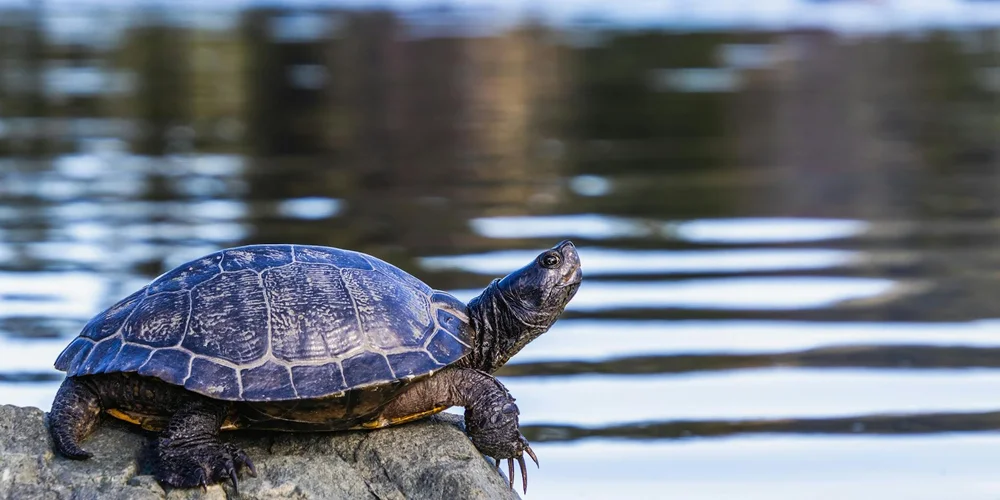
A common myth suggests turtles “grow to the size of their tank,” but this is biologically inaccurate and harmful. Turtles grow based on genetics and nutrition, and restricting space can stunt their development, leading to organ compression and mobility issues. My Box Turtle Orwell, for instance, doubled in size after moving to a larger enclosure, proving that cramped quarters don’t control growth-they just cause suffering.
Both aquatic and terrestrial turtles need roomy habitats to exhibit natural behaviors like swimming, digging, and exploring. Spacious enclosures reduce stress, prevent aggression, and support physical and mental health. For aquatic species, ample water volume allows proper swimming, while land areas let terrestrial turtles bask and burrow without feeling trapped.
- Aim for a tank that’s at least 4-5 times the turtle’s shell length in width and depth.
- Provide water depth of 1.5-2 times the shell length for swimming turtles, with a secure basking platform.
- Include climbing features and hiding spots to encourage activity and reduce anxiety.
Inadequate space doesn’t just limit movement-it triggers stress-related illnesses like shell rot and respiratory infections. Cramped environments force turtles into constant alertness, weakening their immune systems over time. By prioritizing ample room, you’re not just housing a pet; you’re fostering a thriving, happy companion.
Dangerous Diet Myths for Pet Turtles
Many new turtle owners believe a lettuce-only diet is safe, but this myth can lead to severe malnutrition. From my experience with Austen, my Russian Tortoise, I quickly learned that relying solely on lettuce caused lethargy and shell issues, which improved only after diversifying his meals. Turtles need a balanced mix of leafy greens, vegetables, and proteins to thrive, not just watery greens that offer little nutritional value. A complete, safe list of vegetables turtles can eat can serve as a handy guide. Rotating items from that list helps ensure a balanced diet.
Protein Needs Vary by Species and Age
Protein requirements aren’t one-size-fits-all and depend heavily on your turtle’s species and life stage. Younger turtles, like Orwell my Box Turtle was as a hatchling, need higher protein for growth, while adults like Bronte, my Greek Tortoise, thrive on more plant-based diets with occasional protein boosts. For instance, aquatic turtles often require more animal protein than land-dwelling species, so always research your specific turtle’s needs to prevent deficiencies.
Calcium Supplementation Is Non-Negotiable
Calcium is vital for strong shells and bones, and cuttlebone is a simple, effective way to provide it. I keep a cuttlebone in each of my turtles’ enclosures-Austen loves gnawing on his, which helps prevent metabolic bone disease, a common issue in poorly supplemented pets. Without adequate calcium, turtles can develop soft, deformed shells, so dust their food with calcium powder or offer calcium-rich items like dark leafy greens regularly.
Dangerous Foods and Proper Feeding Schedules
Some foods are toxic to turtles and must be avoided to keep them safe. Common dangerous items include avocado, rhubarb, and dairy products, which can cause digestive upset or poisoning—I always double-check any new food before offering it to my crew. Bread is a common question when people discuss what turtles can eat, but it’s not a healthy staple. If you ever offer it, keep it tiny, plain, and mold-free. Stick to a consistent feeding schedule: juveniles may eat daily, while adults like my 12-year-old Bronte do well with meals every other day to prevent obesity.
- Avoid: Avocado, chocolate, onions, and processed human foods
- Safe staples: Dark leafy greens, carrots, and species-appropriate proteins like insects or worms
- Feeding tips: Offer food in small portions and remove uneaten items to maintain water quality
Water Quality and Substrate Safety Misunderstandings

Tap water might seem harmless, but it often contains chlorine and chloramines that irritate turtles’ skin and shells. I always use a water conditioner for Orwell’s aquatic setup-it neutralizes harmful chemicals quickly, making tap water safe without the risk of stress or illness. Conditioning water is a simple step that protects your turtle’s health and mimics their natural, clean habitat.
Filtration Systems Are Essential
A good filtration system isn’t optional; it’s crucial for removing waste and toxins from the water. Without proper filtration, ammonia levels can spike, leading to respiratory infections-I saw this improve dramatically for Bronte after upgrading her filter to a canister type. Choose a filter rated for at least twice your tank’s volume to ensure efficient cleaning and reduce how often you need full water changes.
Substrate Risks Like Impaction
Using sand or small gravel as substrate poses a high risk of impaction if turtles accidentally ingest it. When Austen was younger, he nibbled on fine sand, and I had to switch to safer options after a scare with potential blockage-vets warn this can be fatal without prompt care. Impaction occurs when substrate blocks the digestive tract, so always opt for larger, indigestible materials to minimize this danger.
Safe Alternative Substrate Options
There are many safe substrates that provide enrichment without the risks. I now use large, smooth river rocks or bare-bottom tanks for my turtles, which are easy to clean and eliminate ingestion hazards entirely. Other great choices include reptile-safe bark or tile, which allow natural behaviors like digging while keeping your pet secure and healthy.
- Recommended: River rocks, slate tiles, or commercial reptile substrates
- Avoid: Fine sand, small gravel, and materials that can mold or break apart easily
- Maintenance: Clean substrates regularly to prevent bacterial growth and monitor for wear
False Beliefs About Turtle Behavior and Care Level

Many new turtle owners believe these pets are low maintenance, but that myth can harm your shelled friend. Caring for a turtle demands daily time and attention, much like tending a delicate garden that thrives with consistent effort. So, are pet turtles easy to care for, or do they demand more than you expect? The truth is, they require consistent daily care and proper habitat. From my years with Austen, my Russian Tortoise, I’ve learned that skipping even a day of care can lead to health issues.
- Daily care includes feeding fresh vegetables, cleaning the water, and checking the habitat’s temperature and humidity.
- You might spend 20-30 minutes each day on basic tasks, plus weekly deep cleans that take over an hour.
- Neglecting this routine can cause shell rot or respiratory infections, which I’ve seen in rescue turtles.
Turtles have natural activity cycles that include basking, swimming, and resting. Basking is essential for digestion and shell health, so expect your turtle to spend hours under a heat lamp or sun spot. That’s also why you’ll often see them out of water for long stretches—basking raises body temperature for digestion and metabolism. UV exposure and drying help with vitamin D production and shell health. Bronte, my Greek Tortoise, often basks gracefully in the morning, reminding me of her need for warmth and light.
- Normal patterns vary by species; some are more active at dawn or dusk.
- If your turtle hides too much, it could signal stress or illness.
- Providing a proper basking area with the right temperature encourages healthy behavior.
Enrichment is vital for your turtle’s mental well-being, as boredom can lead to stress and poor health. Simple changes like rearranging rocks or adding safe toys can stimulate their curiosity and prevent lethargy. With Orwell, my Box Turtle, I rotate his habitat layout weekly, and he explores it with intelligent curiosity. Knowing what to use for enrichment makes all the difference in maintaining their vitality.
- Offer varied textures and hiding spots to mimic their natural environment.
- Introduce new foods occasionally to engage their senses.
- Interactive elements, like floating objects in water, can encourage movement and play.
Turtles cannot be left alone for extended periods, as they rely on you for food, clean water, and health monitoring. Even a weekend trip requires a reliable pet sitter to ensure their needs are met. I once had to rush Orwell to the vet after a short absence led to dehydration-a lesson in never underestimating their dependence.
- Arrange for care if you’re away more than 24 hours.
- Use automatic feeders or timers for lights, but never as a full substitute for human checks.
- Regular interaction helps you spot subtle changes in behavior or appetite early.
Risky Assumptions About Wild Turtles and Health
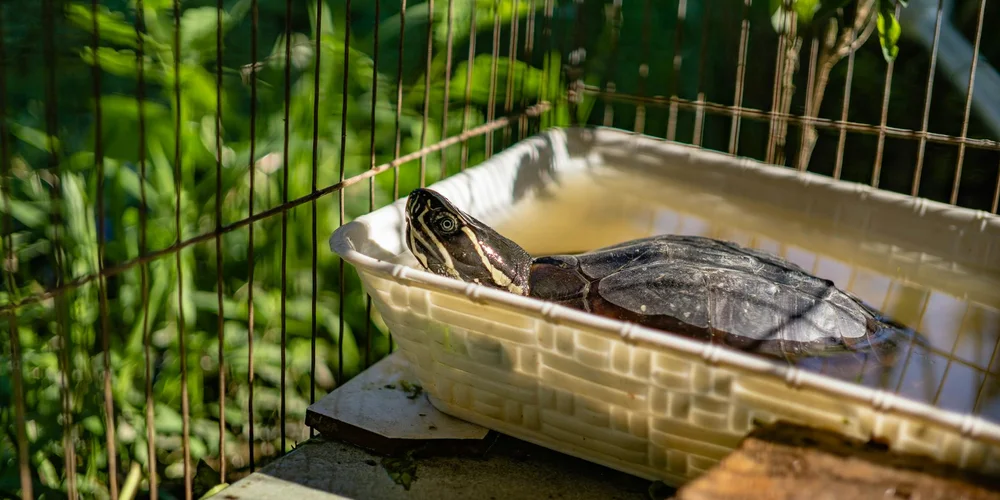
Keeping wild-caught turtles poses serious risks to their health and yours, as they often carry hidden diseases or parasites. Adopting from reputable sources protects both the turtle and your household from potential outbreaks. I’ve cared for wild-rescued turtles that introduced illnesses, underscoring the importance of ethical choices.
- Wild turtles may suffer stress in captivity, leading to a weakened immune system.
- They can harbor salmonella or other zoonotic diseases that affect humans.
- Support conservation by not removing turtles from their natural habitats.
Quarantining new turtles is a non-negotiable step to prevent disease spread in your collection. Isolate newcomers for at least 30-45 days in a separate enclosure with their own equipment. When I brought Bronte home, I kept her quarantined for six weeks, which helped ensure she was healthy before introducing her to others. Properly quarantine new or sick turtles to prevent disease spread.
- Monitor for signs of illness like lethargy or abnormal droppings during quarantine.
- Use this time to gradually acclimate them to your care routine.
- Consult a vet for a health check before ending quarantine.
Many turtle owners miss subtle illness signs, assuming their pet is just “slow” or “shy.” Watch for changes in eating habits, shell discoloration, or reduced activity, as these can indicate underlying issues. If you’re wondering how to tell if your turtle is sick, these signs give you a quick checklist to track. Keeping notes on daily behavior helps when you talk to a vet. With Austen, I once overlooked his slight lethargy, which turned out to be a vitamin deficiency needing prompt treatment.
- Common missed symptoms include puffiness around the eyes or nose bubbles.
- Keep a health journal to track behavior and catch deviations early.
- Regular vet visits are crucial, even if your turtle seems fine.
Relying solely on “natural” outdoor sun for UVB exposure is unreliable and often insufficient for indoor turtles. Proper UVB lighting in their habitat ensures consistent rays for calcium metabolism and shell strength. I learned this the hard way when Orwell’s shell started softening due to inconsistent sun access, despite sunny days. That’s why UVB lighting for turtles is critical in indoor habitats: it provides consistent exposure that outdoor sun alone can’t guarantee. Setting it up correctly ensures your turtle gets reliable rays day after day.
- UVB bulbs should be replaced every 6-12 months, as they lose effectiveness over time.
- Combine artificial light with supervised outdoor time for best results.
- Monitor exposure to prevent overheating or burns, especially in hot climates.
FAQs
Are turtles low maintenance pets compared to other pets?
No, turtles are not low maintenance and require daily care similar to other pets. They need regular feeding, habitat cleaning, and health monitoring to prevent issues like shell rot or stress. Proper care for turtles involves understanding their specific needs for land and aquatic environments.
Is it dangerous to keep turtles in chlorinated tap water without filtration?
Yes, chlorinated tap water can harm turtles by irritating their skin and shells. Always use a water conditioner and a proper filtration system to remove toxins and maintain a safe environment.
Do turtles sleep all day and bask only at certain times?
No, turtles do not sleep all day and have active periods for basking, swimming, and exploring. Basking is essential for digestion and occurs at specific times, but they also engage in other behaviors throughout the day.
Your Journey to Expert Turtle Care
From my decade with Austen, my gentle Russian tortoise, I’ve learned that trusting veterinary guidance over common myths is the fastest way to ensure your turtle’s diet and habitat support their long-term health. Always verify care practices with reliable sources to avoid preventable issues like shell deformities or nutritional deficiencies.
Committing to ongoing education about pet turtle care reflects true dedication to their well-being, as these creatures depend entirely on your informed choices. Being aware of the most critical health issues to watch for helps you act quickly to protect their health. Knowing what signs to monitor also empowers you to seek timely veterinary care when needed. I encourage you to regularly seek out new research and connect with fellow enthusiasts to keep your shelled friends happy and healthy for years to come.
Further Reading & Sources
- 10 Common Turtle Myths
- 11 Turtle Myths & Misconceptions to Stop Believing | PangoVet
- Top 10 Myths Debunked About Pet Turtles: What You Need to Know – The Turtle Hub
- Turtle Myths Debunked: 5 Common Misconceptions Explained #turtle #tortoise #turtlewatching – YouTube
Matthew is a dedicated turtle enthusiast and conservationist with over 15 years of experience in reptile care. Known affectionately as "The Leatherback" among his peers, he combines his passion for turtles with a commitment to educating pet owners on responsible turtle care and environmental stewardship.
Turtle Myths and Misconceptions