
Predators and Enemies of Green Sea Turtles
You might worry about the survival of green sea turtles as they face countless threats in the ocean and on land. From my time studying marine life and advocating for animal welfare, I’ve seen how vital it is to recognize these dangers early. We’ll dive into natural predators, human impacts, conservation successes, and simple ways to support their protection.
The Circle of Life: Natural Predators in the Wild
- Tiger sharks patrol tropical waters, using their keen sense of smell to track down green sea turtles. These sharks often ambush turtles near reefs, targeting adults and larger juveniles with powerful bites.
- Great white sharks, though less common, pose a threat in cooler coastal areas. They typically hunt by surprise, focusing on younger turtles that are slower and less experienced.
- On land, ghost crabs scuttle across beaches at night, digging into nests to feast on eggs. Their quick movements and sharp claws make them efficient nest raiders, especially during the incubation period.
- Raccoons use their dexterous paws to uncover and consume eggs, often leaving behind scattered shells. These clever mammals target nests under cover of darkness, when mother turtles are absent.
- Hatchlings face the highest mortality rates, with many falling prey during their first moments. From the moment they emerge, these tiny turtles are vulnerable to both land and sea hunters in a relentless cycle.
A Life Stage Journey: Predators from Egg to Adulthood
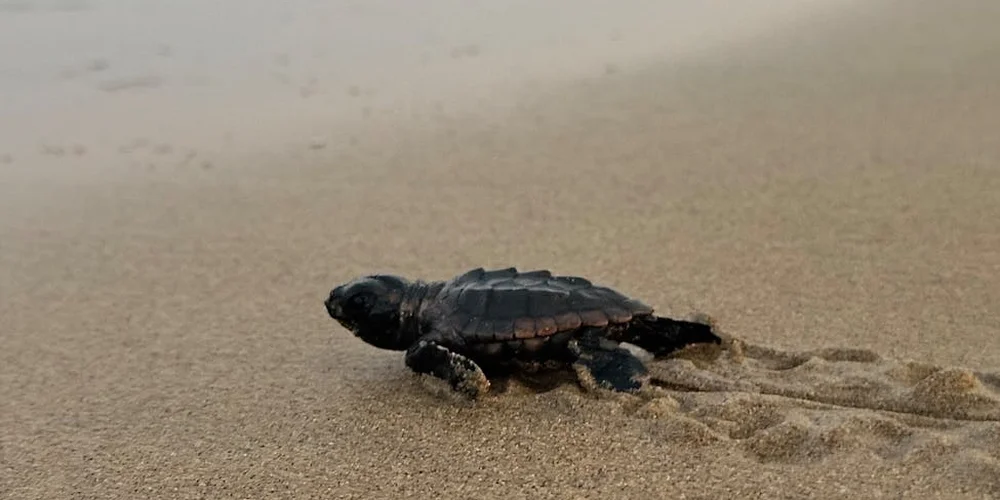
Egg and Hatchling Dangers
- Foxes sniff out nesting sites, digging up eggs with precision. Their opportunistic nature means they often return to the same beaches, decimating entire clutches if left unchecked.
- Dogs, whether feral or accompanied by humans, can disturb nests through digging or playful curiosity. I’ve seen how even well-meaning pets can accidentally crush eggs, highlighting the need for controlled beach access.
- Birds like seagulls and frigatebirds swoop down on hatchlings as they scramble toward the ocean. Their sharp eyesight allows them to pick off the slowest runners in a matter of seconds.
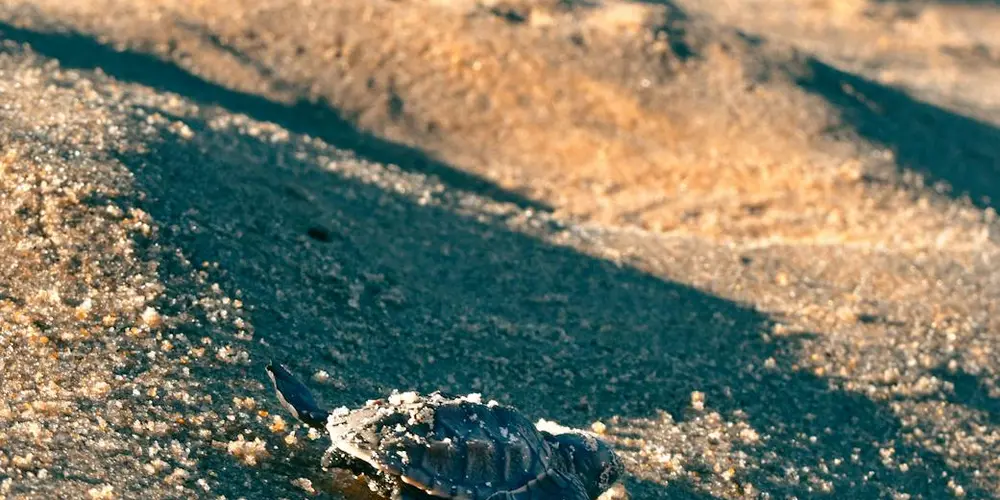
- The journey from nest to sea is a frantic dash under the moonlit sky. Hatchlings rely on instinct and luck to evade predators, with only a small fraction making it to the water alive.
Juveniles and Adult Threats
- Killer whales hunt in pods, using teamwork to isolate larger turtles in open waters. Their intelligence and strength make them formidable foes, even for adult green sea turtles.
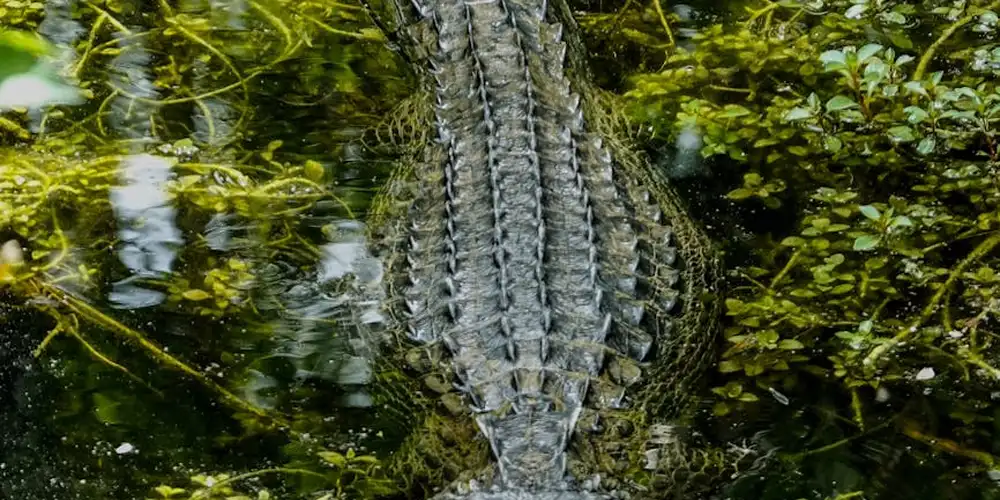
- Crocodiles lie in wait in estuaries and shallow coastal areas, snapping up juveniles with lightning speed. These ambush predators capitalize on the turtles’ need to surface for air, turning calm waters into danger zones.
- As turtles grow, their size and hardened shells offer more protection. Still, I’ve observed through conservation work that no life stage is completely safe, as even adults can fall to persistent hunters like sharks.
- Larger turtles face fewer natural enemies but must remain vigilant. Their survival depends on avoiding hotspots where predators gather, such as feeding grounds or migratory routes.
The Human Factor: Our Role as Protectors and Predators
Watching my own turtles, Austen and Bronte, navigate their safe enclosure reminds me how different life is for their wild cousins. Our species presents the most complex threat to green sea turtles, acting as both their greatest enemy and their only hope for salvation.
Direct Human Threats
Poaching for their beautiful shells, meat, and eggs continues in many parts of the world, driven by illegal markets. I’ve seen the heartbreaking images of ravaged nests.
- Poaching: Adults are killed for their meat and calipee (cartilage), a key ingredient in some turtle soups.
- Egg Harvesting: Nests are raided, destroying the next generation before it even has a chance.
- Coastal Development: Beachfront construction and artificial lighting disorient hatchlings and destroy critical nesting habitats.
Indirect Dangers We Create
Even when we don’t mean to, our daily actions create immense peril. A plastic bag floating in the ocean looks eerily similar to a jellyfish, one of the green sea turtle’s favorite meals. This mistaken identity is often a death sentence.
- Plastic Pollution: Ingestion leads to internal blockages, starvation, and poisoning.
- Fishing Bycatch: Turtles become accidentally entangled in fishing nets and lines, drowning before they can be released.
- Watercraft Strikes: Boat and ship propellers cause severe, often fatal, injuries.
The Path to Protection
Thankfully, our role isn’t solely destructive. Legal frameworks like the U.S. Endangered Species Act and international trade regulations under CITES provide a critical shield against exploitation. Supporting organizations that patrol nesting beaches and fund rescue centers is a powerful way to help.
Are Green Sea Turtles Endangered?
Yes, they are globally classified as Endangered. While some specific nesting populations are thriving due to intense conservation, the overall species remains at high risk of extinction. Their future is a delicate balance between ongoing threats and our growing efforts to protect them.
Why They Are Endangered
The primary reasons trace back to us. Human activity has tipped the scales against their survival for decades. It’s a cumulative effect of the threats we just discussed.
- Historic overexploitation for commercial harvests.
- Continuous loss and degradation of nesting beaches.
- Persistent high rates of bycatch in fisheries.
- Ocean pollution and climate change impacts.
Successful Protection Efforts
There is hope, and it comes from concerted human effort. I find immense inspiration in the success stories, which prove that our intervention can and does work.
- Beach Protection: Guarded nesting sites in Florida and Costa Rica have seen hatchling success rates skyrocket.
- Turtle Excluder Devices (TEDs): These clever grates in shrimp trawl nets allow turtles to escape, dramatically reducing bycatch deaths.
- Plastic Reduction Campaigns: Community-led beach cleanups and bans on single-use plastics directly address ingestion threats.
Lessons for Pet Turtle Owners: Safety from a Distance
Observing the challenges green sea turtles face in the wild offers a powerful mirror for our own caregiving responsibilities. The constant vigilance required for survival at sea directly translates to the proactive protection we must provide in our homes and backyards, especially when turtles defend themselves in the wild. Just as a reef shark tests the defenses of a marine turtle, our domestic companions face their own scaled-down versions of these threats every single day.
From Oceanic Foes to Backyard Hazards
The parallels are striking and deeply informative. I’ve learned from my own trio-Austen, Bronte, and Orwell-that a threat doesn’t need to be as large as a tiger shark to be just as lethal.
- Land-based Predators: On land, hatchling sea turtles are snatched by crabs and birds. For your pet, this translates to raccoons, opossums, and even unleashed dogs that can see a slow-moving turtle as a curious toy.
- Aerial Threats: In the wild, frigate birds and gulls are a constant danger from above. In your garden, hawks, crows, and even the neighbor’s outdoor cat can pose a similar risk to an unguarded turtle.
- Small but Mighty: While orcas are a rare threat to adult sea turtles, the “orcasm” of the pet world are rats and mice. I once had a scare with a rat that found its way into an outdoor pen; they are surprisingly capable of inflicting severe injury on a sleeping turtle.
Fortifying Your Turtle’s Domain
Protecting your shelled friend requires building a fortress of safety, not just a simple enclosure. Your primary goal is to create a habitat that is predator-proof from all angles—top, bottom, and sides. A secure lid is non-negotiable, even for larger turtles, as it stops climbing and flying threats in their tracks. For an outdoor setup, plan a turtle pond with secure fencing and a watertight perimeter to support aquatic life. A well-designed turtle pond also provides safe basking areas and clean water, so your turtles stay healthy and secure.
- Use hardware cloth or sturdy wire mesh for any outdoor enclosures, as raccoons can tear through chicken wire with ease.
- Bury the edges of outdoor pens at least a foot deep to prevent digging predators from gaining access.
- Never leave food out overnight, as the scent can attract unwanted visitors from rats to raccoons.
- Supervise all outdoor time, even in a fenced yard. A moment’s distraction is all it takes for a predator to strike.
Building a Sanctuary of Security and Stimulation
A secure habitat does more than just protect; it allows your turtle to express its natural behaviors, which is the cornerstone of good welfare. Think of your turtle’s enclosure not as a cage, but as a curated landscape that provides both safety and mental engagement. My Russian tortoise, Austen, spends his afternoons methodically patrolling the perimeter of his indoor habitat, a behavior that mirrors the patrolling of a reef by a sea turtle. Integrating turtle-safe woods and non-toxic plants creates a naturalistic habitat decor that supports exploration and safety. This thoughtful choice helps keep Austen engaged while protecting his wellbeing.
Provide multiple hiding spots, like cork bark rounds, half-logs, and dense patches of edible plants. These safe havens allow your turtle to retreat and feel secure, reducing stress significantly. A shallow water dish large enough for soaking can serve as a “cove” for a terrestrial species, while a properly sized filter for an aquatic turtle creates a clean, clear “lagoon.” Essential filtration systems keep turtle water clean by removing waste and maintaining water quality. Regular filter maintenance helps keep the lagoon healthy and inviting. By mimicking the complexity of a natural environment, you give your turtle the tools to manage its own wellbeing, fostering a calm and confident companion.
FAQs
What do green sea turtles eat, and who are their main predators?
Green sea turtles are primarily herbivores, feeding on seagrass and algae as adults. Their main predators include sharks like tiger sharks and land-based animals such as raccoons and birds. Learn more about their diet and feeding habits here.
Are any green sea turtle predators dangerous to humans?
Some predators, like tiger sharks, can pose a risk to humans if provoked, but such incidents are rare. Most natural predators of green sea turtles avoid human contact and are not typically a direct threat.
What are some surprising facts about green sea turtle predators?
Many predators have evolved unique strategies, such as ghost crabs raiding nests under cover of darkness. Interestingly, human activities now outweigh natural predators as the leading cause of green sea turtle mortality. Understanding whether turtles are predators or prey helps clarify their role in the food web and the broader ecosystem. Their interactions—preying on certain invertebrates or grazing seagrass, while themselves becoming prey—shape habitat structure and nutrient cycles.
Which ocean predators pose the biggest threat to green sea turtles?
Sharks, especially tiger sharks, are the most common ocean predators targeting green sea turtles. In the open ocean, these predators regularly eat sea turtles. This predation can influence sea turtle populations across different habitats. Other significant threats include killer whales and large crocodiles in coastal and open waters.
How do green sea turtle predators vary in California compared to other regions?
In California, great white sharks are more prevalent predators due to the cooler coastal environment. Local prey includes jellyfish and invertebrates, while human impacts like pollution add to the threats.
Becoming a Guardian, Not Just an Owner
Your primary role is to create a safe, controlled environment that eliminates the risks wild turtles face. This means providing a secure habitat indoors and vigilant supervision during any outdoor excursions. This approach also means creating a biosecure habitat for your pet turtle. Regular cleaning, water quality checks, and careful quarantine of new pets help prevent disease.
Caring for a turtle is a lifelong journey of learning about their complex needs and natural history. Your commitment to their well-being not only gives your shelled friend a better life but also fosters a deeper appreciation for all turtles in the wild. For those starting out, our care aquatic turtles essential guide offers practical, science-based tips for both land and aquatic species.
Further Reading & Sources
- Sea Turtle Predators – An Expert Overview – The State of the World’s Sea Turtles | SWOT
- Green Sea Turtle (Chelonia mydas)
- Green sea turtle – Wikipedia
- Sea Turtle Predators – Sea Turtle Camp
Matthew is a dedicated turtle enthusiast and conservationist with over 15 years of experience in reptile care. Known affectionately as "The Leatherback" among his peers, he combines his passion for turtles with a commitment to educating pet owners on responsible turtle care and environmental stewardship.
Common Hazards