
Can Turtles Live on Land or in Water?
Published on: April 20, 2026 | Last Updated: April 20, 2026
Written By: Matthew The
You might be wondering if turtles can truly thrive on land or in water, and perhaps you’re concerned about their habitat needs or the risks of improper care.
This article covers turtle habitats, adaptations, land vs. water living, and care tips based on my experience with tortoises like Austen and Bronte.
The Turtle Habitat Spectrum: Aquatic, Semiaquatic, and Terrestrial Lifestyles
Turtles display a fascinating range of lifestyles that directly shape their care needs. Observing my own turtles, like Austen the Russian Tortoise and Bronte the Greek Tortoise, has shown me how habitat preferences vary widely across species. You can group pet turtles into three main categories based on where they spend most of their time.
- Aquatic turtles live almost entirely in water. They swim constantly and rarely venture onto dry land except to bask or lay eggs. Red-eared sliders are a common example that thrive in aquariums with ample swimming space.
- Semiaquatic turtles split their time between water and land. They need both environments to eat, rest, and regulate body temperature. Box turtles, such as my reserved Orwell, enjoy shallow water for soaking and dry areas for hiding and exploring.
- Terrestrial turtles prefer life on solid ground. They may drink water or soak occasionally but do not swim for long periods. Species like Russian and Greek tortoises, which I care for, are built for digging and walking on varied terrain.
Recognizing where your turtle falls on this spectrum helps you replicate their natural home. Mimicking their wild habitat reduces stress and supports their overall well-being, which is a core part of responsible pet ownership.
Do Pet Turtles Need Both Land and Water to Thrive?
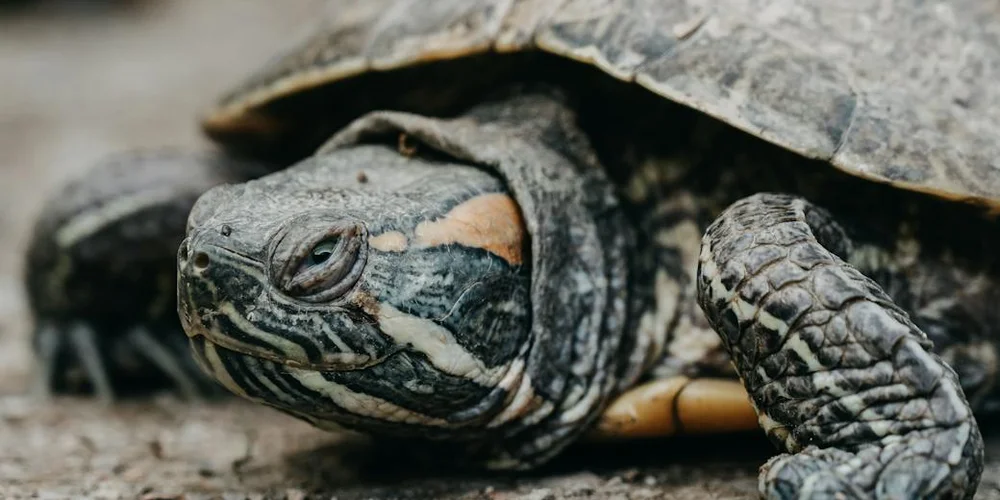
Whether your turtle needs both land and water depends entirely on its species and natural behavior. From my experience, forcing a turtle into the wrong environment can lead to health issues like shell rot or respiratory infections, so it is vital to match their setup to their instincts. These tips come from our care land aquatic turtles essential guide. It helps you balance land and water needs for different turtle species. Here is a simple guide based on common pet turtle types.
- Aquatic turtles require a water-dominated habitat with a small basking area. They need clean, filtered water for swimming and a dry spot under a heat lamp to digest food and absorb UVB light.
- Semiaquatic turtles must have access to both land and water zones. Provide a shallow water section for drinking and soaking, plus a dry area with substrate for burrowing. My box turtle Orwell, for instance, uses his water dish daily but spends hours roaming his terrestrial hideouts.
- Terrestrial turtles like Austen and Bronte thrive on land with minimal water access. A shallow water dish for hydration is sufficient; deep water can be dangerous as they are poor swimmers. Focus on creating a spacious enclosure with hiding spots and varied textures underfoot.
Always research your specific turtle’s needs to build a safe and enriching home. Advocating for animal welfare means prioritizing habitats that let turtles express natural behaviors, whether that involves swimming, basking, or simply ambling across the soil.
Setting Up the Ideal Home: Land and Water Elements for Pet Turtles
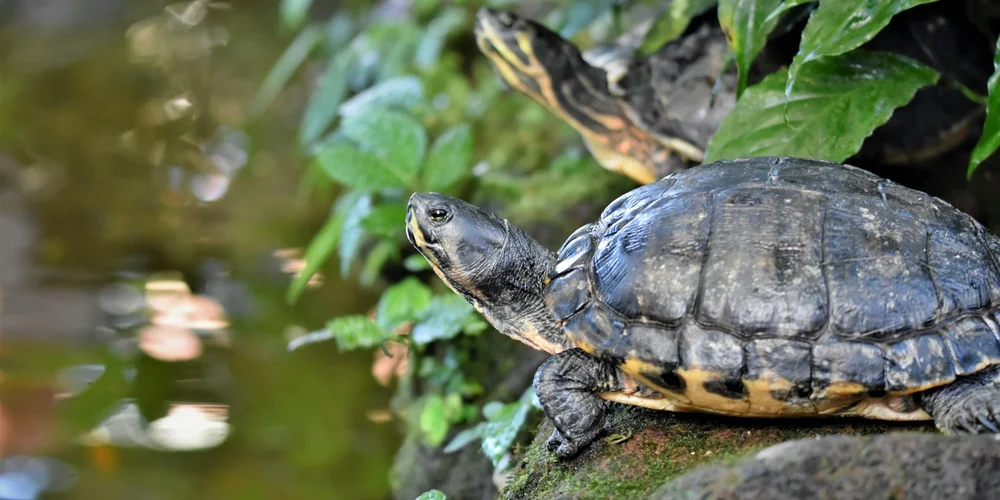
Water Quality and Depth: Keeping Your Turtle Healthy
Clean water is vital for your turtle’s health, as poor conditions can lead to infections or stress. I always use a reliable filter in Orwell’s enclosure to keep the water clear and free of harmful bacteria. Essential filtration systems help keep turtle water clean by continually removing waste and circulating fresh water. They also reduce odors and disease risk, making tank maintenance easier. From my experience, semi-aquatic turtles like box turtles need shallow water—just deep enough to soak their shells without struggling to surface. For fully aquatic species, aim for depths that allow easy swimming, but ensure they can reach the bottom comfortably.
Regular water changes are a must, and I test the pH and temperature weekly to mimic their natural habitat. I follow a simple maintenance schedule: test pH, temperature, and ammonia on the same day each week, and log the results. Maintaining stable water parameters prevents shell rot and keeps your turtle active and happy. Regular logging helps me spot trends and plan water changes before issues arise. If you notice your turtle avoiding the water, it might be a sign of poor quality, so act quickly to adjust it.
- Use a submersible heater to keep water temperatures consistent, especially for tropical species.
- Add a water conditioner to remove chlorine and heavy metals from tap water.
- Provide a gradual slope or ramp for easy entry and exit, reducing stress for your pet.
Basking and Thermoregulation: The Role of Dry Land
Turtles rely on dry land to regulate their body temperature and dry off completely. Watching Austen bask under his heat lamp reminds me how crucial this is for digestion and overall well-being. A proper basking spot should be warm, around 85-90°F, and easily accessible from the water. Without it, turtles can develop respiratory issues or become lethargic.
I set up basking areas with flat rocks or driftwood that absorb heat and feel natural under their feet. Ensure the land area is spacious enough for your turtle to move around and choose its preferred temperature zone. To create the perfect basking area for your aquatic turtle, use a stable, dry platform that stays warm under the heat source. Keep the area easily accessible with safe edges and a gentle slope for entry and exit. Bronte, for instance, loves alternating between warm spots and cooler shaded areas throughout the day.
- Place a UVB lamp over the basking area to support vitamin D3 synthesis for strong shells.
- Use non-toxic substrates like coconut coir or cypress mulch to retain moisture without molding.
- Monitor your turtle’s behavior-if it’s always hiding, the temperature might be off.
Common Pet Turtle Species and Their Habitat Preferences
Different turtle species have unique needs, so understanding their natural habits is key to proper care. Based on my years with Austen, Bronte, and Orwell, I’ve learned that matching the habitat to their instincts prevents health issues and boredom. For example, Russian and Greek tortoises are primarily land-dwellers, while box turtles enjoy a mix of land and shallow water (Aquatic vs. terrestrial turtle ownership).
- Russian Tortoise (like Austen): Thrives in dry, terrestrial setups with hiding spots and minimal water access for drinking only.
- Greek Tortoise (like Bronte): Prefers rocky, arid environments and needs a warm basking area but little to no swimming space.
- Box Turtle (like Orwell): Requires a semi-aquatic habitat with both land for exploring and shallow water for soaking and hydration.
Other popular species, such as Red-Eared Sliders, need mostly aquatic setups with ample swimming room and a sturdy basking platform. Always research your specific turtle’s origins to create a home that feels safe and stimulating. I advocate for adopting rescued turtles, as it supports animal welfare and gives them a second chance at a healthy life.
Avoiding Habitat Pitfalls: Health and Ethical Considerations
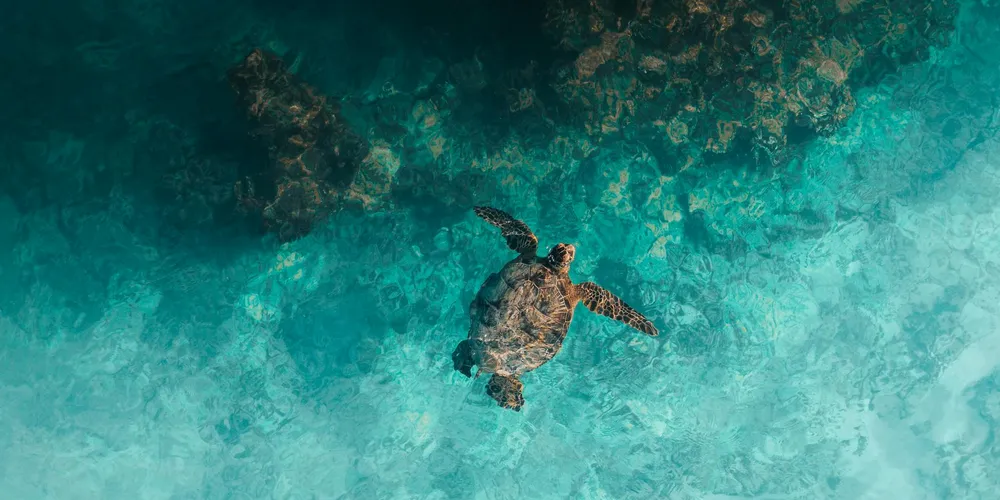
Caring for a turtle is a decades-long commitment, and their habitat is the foundation of their well-being. An improper setup doesn’t just cause stress; it can lead to severe, irreversible health problems. I’ve learned this through years of trial, error, and careful observation of my own shelled companions. If you’re unsure how to tell if your turtle is stressed, look for changes in appetite, activity, and shell condition. When in doubt, seek help from a reptile-savvy veterinarian or experienced keeper.
The Physical Toll of an Incorrect Habitat
When a turtle’s environment is wrong, its body will show you. These are not subtle hints.
- Respiratory Infections: Aquatic turtles forced to live in conditions that are too dry, or terrestrial turtles kept in damp, poorly ventilated enclosures, are highly susceptible to pneumonia. You might notice wheezing, nasal discharge, or lethargy.
- Shell Rot (Ulcerative Shell Disease): This is a nasty fungal or bacterial infection that occurs when a turtle, especially an aquatic one, cannot properly dry off. It creates soft, discolored, and smelly patches on the shell.
- Metabolic Bone Disease (MBD): This is a heartbreakingly common condition. Without the correct type and intensity of UVB light, turtles cannot metabolize calcium. Their shells become soft and deformed, and their jawbones can weaken to the point where they can no longer eat. I’ve seen the devastating effects up close, and it is entirely preventable.
- Skin and Eye Infections: Dirty water is a soup of bacteria. Aquatic turtles living in unfiltered water often develop swollen eyes and skin lesions.
Beyond Survival: The Ethical Duty to Thrive
Providing the right habitat is more than just preventing illness. It’s about honoring the animal’s nature. My Russian tortoise, Austen, spends his afternoons methodically patrolling the perimeter of his enclosure. This isn’t pacing from stress; it’s natural, exploratory behavior. Denying him that space would be cruel.
Our responsibility extends beyond keeping an animal alive; it’s about creating an environment where they can express their innate behaviors. An aquatic turtle needs to swim and dive. A box turtle needs to burrow and hide. A habitat that doesn’t allow for these actions is fundamentally inadequate.
Common Setup Mistakes to Avoid
Based on my experience, these are the pitfalls I see most often.
- The “Too Small” Tank or Enclosure: A turtle will grow to the size its genetics dictate, not the size of its tank. Cramping them stunts their spirit and physical health.
- Neglecting UVB Lighting: This is non-negotiable. UVB bulbs must be replaced every 6-12 months, as their output diminishes long before the bulb burns out.
- Inadequate Temperature Gradients: Turtles are ectotherms. They need a warm basking area and a cooler area to regulate their body temperature. A single, uniform temperature throughout the habitat is stressful and unhealthy.
- Poor Water Quality for Aquatic Species: A filter is not optional. It is a vital organ for the tank. Without it, your turtle is living in its own waste.
- Ignoring the Need for Hiding Spots: All turtles, regardless of species, need secure places to retreat and feel safe. Without hides, they live in a state of low-grade anxiety.
What People Ask
What is the main difference between land turtles and water turtles as pets?
Land turtles, like tortoises, require a dry, terrestrial enclosure with a shallow water dish for drinking. Water turtles, like sliders, need a large aquatic tank with a powerful filter and a dedicated dry basking area. Pet turtles drink water, so always provide fresh, accessible water. Keep the water clean and change it regularly to prevent health issues.
How does water pollution affect turtles?
Polluted water can cause severe skin and shell infections and lead to toxic chemical buildup in a turtle’s body. Contaminants can also poison their food sources, leading to long-term health issues and organ failure.
Are there any interesting similarities between turtles and watermelons?
Both turtles and watermelons can have a hard, protective outer shell or rind that safeguards the softer interior. The patterns on some turtle shells can also resemble the streaked or mottled green skin of a watermelon.
Can a water turtle drown if it has no land?
Yes, even fully aquatic turtles can drown if they are unable to reach a dry spot to rest and breathe. They are air-breathing reptiles and require a basking platform to completely leave the water to regulate their body temperature and dry off. Understanding aquatic turtle safety helps prevent drownings by ensuring easy access to dry land and reliable basking spots, and by supervising turtles around deep or fast-moving water.
Why is clean water so critical for pet turtles?
Dirty water is a breeding ground for bacteria that cause shell rot and eye infections. Maintaining clean, filtered water is essential for preventing disease and ensuring your aquatic turtle can hydrate and swim safely. Follow a weekly turtle tank maintenance checklist that includes water changes and filter cleaning. Regular water changes and filter maintenance keep the water safe and clear.
Your Turtle’s Home, Your Responsibility
Turtles need a carefully balanced habitat that provides both a dry basking area and a large aquatic space to swim and submerge. Mimicking this natural land-water division is the single most important factor for your turtle’s health and happiness. Understanding turtle basking behavior explains why they spend so much time out of water. Basking helps regulate body temperature, absorb UVB light for vitamin D, and keep the shell healthy.
Committing to a turtle means committing to a lifetime of learning about their specific needs as they grow and age. Your dedication to understanding their world is the foundation of a long, thriving life together.
Further Reading & Sources
- Not all turtles love water. Box turtles thrive on land | Forest Preserve District of Will County
- Waterlandtubs
- Aquatic or Terrestrial – Texas Parks & Wildlife Department
- 10 Types of Turtles That Make the Best Pets | Chewy
Matthew is a dedicated turtle enthusiast and conservationist with over 15 years of experience in reptile care. Known affectionately as "The Leatherback" among his peers, he combines his passion for turtles with a commitment to educating pet owners on responsible turtle care and environmental stewardship.
Freshwater vs. Saltwater