
Leatherback and African Sideneck Turtle Lifespans
If you’re considering one of these turtles, you might be concerned about their long lifespans and whether you can provide the right care for their entire lives.
This article covers their average lifespans, factors influencing longevity, care tips from my reptile experience, and animal welfare insights.
Leatherback Turtle Lifespan and Longevity
Leatherback turtles, the ocean’s gentle giants, can live for decades in the wild, with estimates often ranging from 45 to 50 years or more. Their longevity is deeply tied to their migratory patterns and the health of marine ecosystems they inhabit. I’ve observed through years of reptile care that species like these thrive when their natural behaviors are supported, much like my tortoise Orwell, who enjoys a steady, enriched environment.
Threats like plastic pollution and fishing nets significantly shorten their lives, making conservation efforts vital. Advocating for cleaner oceans and protected nesting sites can help ensure these majestic creatures reach their full lifespan potential. In my experience, even small actions, like reducing single-use plastics, contribute to a safer world for all turtles.
- Average lifespan: 45-50 years in the wild, though some individuals may exceed this.
- Key threats: Habitat loss, climate change, and human activities like bycatch.
- Conservation focus: Support marine protected areas and reduce ocean debris.
Their slow maturation means it takes up to 30 years for them to reproduce, highlighting why long-term protection is essential. Understanding the life cycle of sea turtles—from nesting on beaches to long ocean migrations—shows why protection must span generations. Each life stage, from egg to adult, matters for their survival. By understanding their life cycle, we can better appreciate the urgency of global conservation initiatives. Caring for turtles, whether wild or captive, always circles back to respecting their innate needs and vulnerabilities.
African Sideneck Turtle Lifespan and Longevity
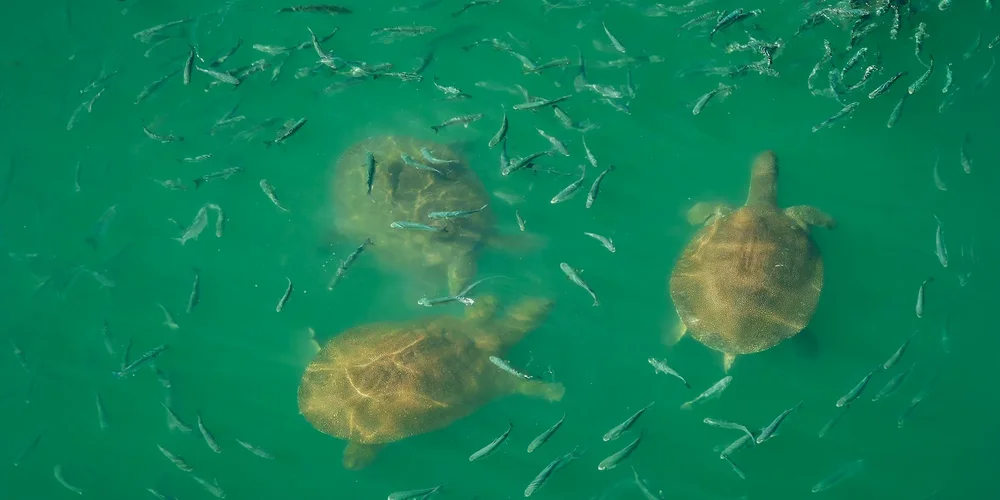
African Sideneck turtles, often kept as pets, can live 20 to 30 years or longer with proper care, making them a long-term commitment. Their lifespan heavily depends on factors like diet, habitat quality, and regular health checks, similar to what I provide for my tortoises Austen and Bronte. As they grow, their size and development influence their overall health, so tracking growth is key to supporting a longer lifespan. I’ve found that a balanced environment mimics their natural wetlands, promoting vitality and reducing stress.
These turtles need spacious enclosures with clean water and basking areas to prevent common issues like shell rot. Regular monitoring and a varied diet rich in proteins and vegetables are key to avoiding health problems that could shorten their lives. From my own routine with Orwell, I know that consistency in care builds trust and supports overall well-being.
- Provide a tank with at least 40 gallons for adults, ensuring ample swimming space.
- Maintain water temperature between 75-85°F and include UVB lighting for shell health.
- Feed a mix of commercial pellets, insects, and leafy greens to meet nutritional needs.
Advocating for ethical pet ownership means sourcing turtles from reputable breeders to avoid supporting wild capture. By prioritizing their welfare, we not only extend their lives but also foster a deeper connection to these fascinating animals. In my care, I’ve seen how attentive husbandry turns potential challenges into rewarding, lifelong companionships. It is crucial to understand the ethical considerations of keeping a pet turtle before deciding to own one.
Comparing Lifespans Between Leatherbacks and African Sidenecks
Leatherback turtles often live over 50 years in the wild, while African Sideneck turtles typically reach 20 to 30 years with proper care in captivity. This difference stems from their distinct habitats and biological traits, which shape how long they thrive.
From my time with Orwell, my box turtle, I’ve seen how species-specific needs impact longevity. Leatherbacks, as ocean giants, face fewer predators but navigate vast, changing seas. African Sidenecks, common in home aquariums, rely on stable environments we provide. Understanding these contrasts helps you appreciate why care varies so much between wild and pet turtles.
- Leatherbacks: Large size and migratory habits support longer wild lifespans, but they rarely survive long in captivity due to space and dietary needs.
- African Sidenecks: Smaller and adaptable to tanks, their lifespan hinges on consistent human care, like clean water and balanced meals.
I recall watching Austen, my Russian tortoise, bask peacefully-a reminder that each turtle’s life journey is unique. By comparing these species, you gain insights into how to support your own turtle’s health, whether it’s a sideneck or another type.
Factors Influencing Turtle Longevity
Environmental and Biological Factors
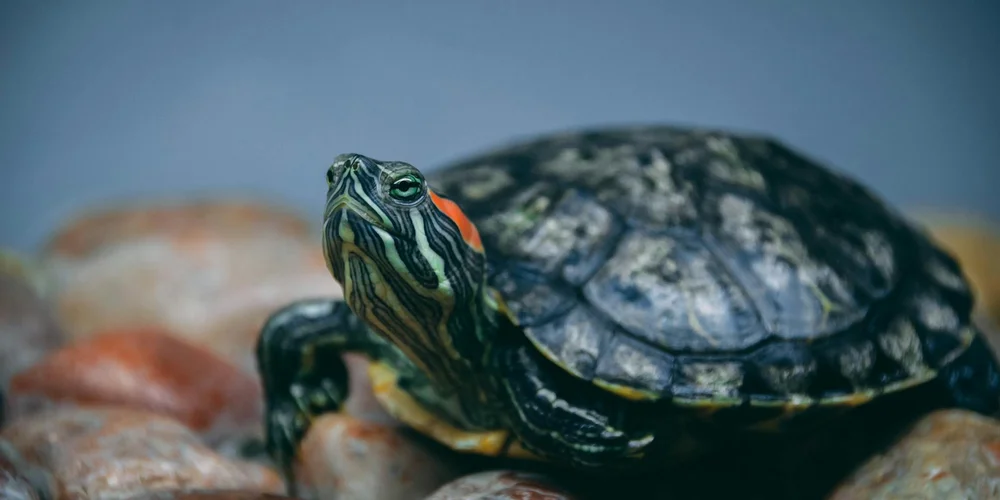
Genetics and natural habitats play huge roles in how long turtles live. Leatherbacks evolved for cold ocean depths, with thick skin and fat layers, while African Sidenecks thrive in warm, freshwater systems. Biological adaptations, like shell strength and metabolism, directly affect their resilience to diseases and aging.
In the wild, factors like climate shifts and predator pressures can shorten lives. For instance, my Greek tortoise Bronte’s graceful movements remind me that slow growth in stable settings often leads to longer lives. Even small changes in temperature or water quality can stress a turtle, reducing its potential lifespan significantly, especially when compared to healthy, well-cared-for turtles in captivity.
- Diet: Omnivorous habits in African Sidenecks versus the jellyfish-focused diet of Leatherbacks influence energy levels and immune health.
- Habitat size: Larger spaces allow for natural behaviors, reducing stress and promoting vitality.
- Genetic diversity: Inbreeding in captive populations can lead to health issues that cut lives short.
Human Impact and Care Practices
Your daily care choices deeply affect your turtle’s longevity. Poor water quality, improper diets, or cramped enclosures are common pitfalls. I’ve learned through trial and error that regular tank cleanings and vet check-ups can add years to a turtle’s life, much like they have for my pets.
Advocating for animal welfare, I stress avoiding wild-caught turtles, as captivity stress often harms them. Instead, support ethical breeders or rescues. Simple acts, like providing UVB lighting for shell health, mimic natural conditions and prevent metabolic diseases.
- Monitor water parameters: Test pH and temperature weekly to avoid shocks that weaken immune systems.
- Offer varied diets: Include leafy greens and proteins to prevent deficiencies, as I do for Orwell to keep him alert and healthy.
- Minimize handling: Too much stress from frequent interaction can lead to illness; observe from a distance when possible.
Reflecting on Bronte’s thoughtful demeanor, I see how calm, consistent routines foster trust and well-being. By prioritizing these practices, you not only extend your turtle’s life but also enrich the bond you share.
Enhancing Lifespan Through Proper Pet Care

Optimal Nutrition Strategies
Feeding your turtle a balanced diet is key to boosting their longevity. I rely on a mix of high-quality pellets, fresh greens, and occasional proteins to keep my turtles like Austen and Bronte energetic and healthy. For an omnivorous turtle, creating a balanced diet means mixing plant and animal foods to cover all nutritional bases. I’ve learned that variety, portioning, and timing matter as much as choosing the right foods. Over the years, I’ve seen how proper nutrition prevents common issues.
- Offer commercial turtle pellets as a staple for essential vitamins.
- Include leafy greens like dandelion greens or kale for fiber.
- Add protein sources such as earthworms or small fish once a week.
- Use calcium supplements to support shell strength, especially for growing turtles.
Variety is your best friend here. Avoid overfeeding to prevent obesity, which I’ve noticed can shorten a turtle’s active years. If you’re unsure whether your turtle is overweight, look for signs like a rounded belly or reduced movement. Stick to a schedule, and always provide clean, fresh water.
Ideal Habitat and Enclosure Management
Creating a comfortable home mimics their natural environment and reduces stress. With Orwell, my box turtle, I’ve learned that a well-maintained enclosure prevents many health scares. Focus on these elements for a thriving habitat.
- Choose a tank or pond that’s spacious enough for swimming and basking.
- Maintain water temperature between 75-85°F with a reliable heater.
- Include a dry basking area with UVB lighting for shell health.
- Clean the enclosure weekly to avoid bacteria buildup.
Regular upkeep makes a huge difference. I change the water frequently and check filters to ensure my turtles aren’t exposed to harmful toxins. This simple routine has kept my pets lively and disease-free.
Regular Health Monitoring and Veterinary Care
Staying proactive with health checks can catch problems early. I schedule vet visits annually for my turtles, and it’s saved us from potential emergencies. Watch for subtle changes in behavior or appearance.
- Check eyes and nose for discharge, which might signal infection.
- Monitor eating habits and weight to spot declines quickly.
- Look for shell abnormalities like soft spots or discoloration.
- Keep a log of any unusual symptoms to discuss with your vet.
Don’t skip those vet appointments. Early intervention often means a longer, happier life for your shelled friend. I’ve found that building a relationship with a reptile-savvy vet gives peace of mind.
Recognizing Signs of Aging and Common Health Issues
As turtles age, their needs evolve, and being observant helps you adapt. My older turtles, Bronte and Austen, show slower movements and less appetite, which is normal with time. Knowing what to expect makes care easier.
- Watch for reduced activity levels or reluctance to bask.
- Notice changes in shell texture, such as increased brittleness.
- Be alert for respiratory issues, like wheezing or bubbles from the nose.
- Check for signs of shell rot, which appears as soft, discolored areas.
Common health problems include parasitic infections and vitamin deficiencies. I always quarantine new plants or decorations to prevent introducing pests into their space. With gentle care, you can manage these issues and support your turtle through their golden years. If you’re unsure about what health problems to watch for, learn more here.
Ethical and Legal Considerations for Pet Turtle Owners
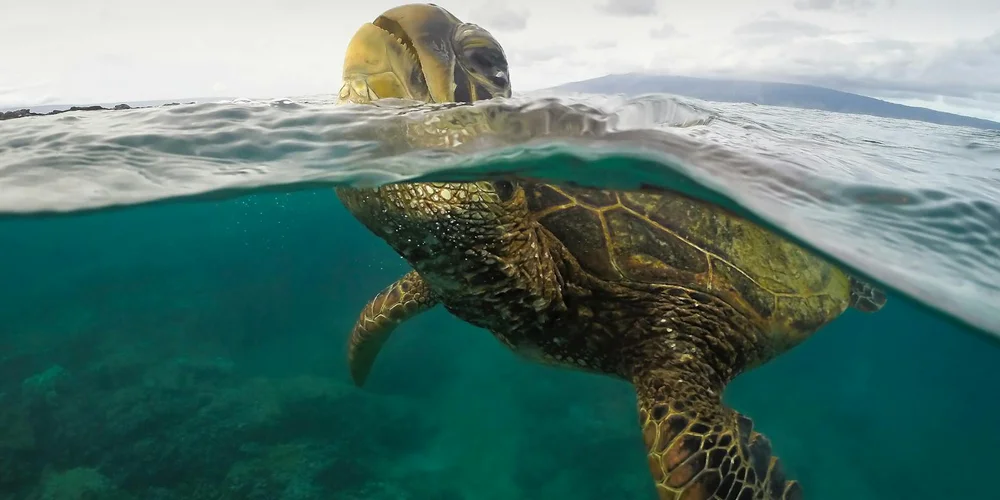
Owning a turtle like a Leatherback or African Sideneck is not just a hobby-it is a decades-long promise. Their impressive lifespans demand a deep commitment to their well-being, rooted in both ethical care and legal awareness. From my experience with Bronte, my Greek Tortoise, I have seen how a 12-year journey requires constant adaptation and learning.
Ethical Responsibilities in Turtle Care
Caring for these animals means putting their needs first, every single day. Long-lived species like African Sideneck Turtles can thrive for over 50 years, so your initial decision impacts generations. I recall how Austen, my Russian Tortoise, taught me that a gentle, steady approach builds trust over time.
- Provide a habitat that mimics their natural environment, including proper lighting and space to roam.
- Commit to lifelong veterinary care, as age-related issues can emerge slowly.
- Source turtles ethically-avoid wild-caught individuals to protect wild populations.
- Never release pets into the wild, as this can harm local ecosystems and the turtle.
Legal Obligations You Must Follow
Laws exist to safeguard both turtles and owners, and ignorance is not an excuse. Many regions restrict ownership of species like Leatherbacks due to their endangered status under treaties like CITES. When I adopted Orwell, my Box Turtle, I researched local permits to ensure everything was above board. That usually means getting a permit or license from wildlife authorities before bringing a turtle home. Many protected species require strict compliance with care and habitat regulations, and some cannot be kept as pets at all.
- Check your local and national wildlife regulations before acquiring any turtle.
- Verify if your turtle species requires special permits or documentation.
- Report any suspicious trade or improper care to authorities to support conservation.
Why Advocacy Matters
Standing up for turtle welfare starts with informed choices. By prioritizing rescue adoptions and sustainable practices, you help reduce the demand for illegal pet trade. My years with Bronte have shown me that every small action, like educating others, creates waves of positive change.
FAQs
Can Leatherback turtles be kept as pets, and why is it not recommended?
Leatherback turtles are not suitable for home aquariums due to their massive size and specialized ocean-based needs. Keeping them in captivity is often illegal and unethical, as it can lead to stress and health issues that shorten their lives. If you are considering a turtle as a pet, be sure the species is legal to own in your area and obtained from a licensed source. In most places, only certain captive-bred species are legally permissible and suitable for home care.
What are the initial setup costs for an African Sideneck turtle habitat?
Expect to spend $200 to $500 upfront for a proper tank, filter, heater, and UVB lighting to mimic their natural environment. These investments are crucial for ensuring your turtle’s health and longevity from the start.
How can I tell if my African Sideneck turtle is stressed or unhappy?
Watch for behaviors like constant hiding, loss of appetite, or unusual aggression, which signal discomfort. Addressing issues promptly with habitat adjustments and minimal handling can restore their calm and support a healthier life.
Your Turtle’s Lifespan Journey
Focus on species-specific care, like mimicking natural habitats and providing proper nutrition, to support a long, healthy life for your turtle. Consistent monitoring and adjustments to their environment can significantly impact their vitality and longevity.
Embrace the responsibility of pet ownership by committing to their lifelong needs and welfare. Always seek out new knowledge and resources to enhance your turtle care practices and ensure their happiness. For new box turtle owners, a complete beginners guide can walk you through setup, diet, and habitat needs. It’s a practical resource to get you started and keep your shelled friend thriving.
Further Reading & Sources
- Leatherback sea turtle – Wikipedia
- Leatherback Sea Turtle
- Leatherback Sea Turtle | Mass.gov
- Leatherback Sea Turtle | National Wildlife Federation
Matthew is a dedicated turtle enthusiast and conservationist with over 15 years of experience in reptile care. Known affectionately as "The Leatherback" among his peers, he combines his passion for turtles with a commitment to educating pet owners on responsible turtle care and environmental stewardship.
Aquatic Turtles