
What Are the Best Small Pet Turtle Species That Stay Small Forever?
Finding a pet turtle that stays small forever can feel overwhelming, especially when you worry about outgrowing tanks and long-term care commitments. I’ve faced similar doubts while caring for my Russian Tortoise Austen, who has been a steady companion for a decade. Many turtles grow larger than expected, but some species remain compact and manageable for life.
In this article, I’ll share insights on top small turtle species, their unique traits, ideal habitats, and essential care tips for their well-being. Drawing from my experience with Austen, Bronte, and Orwell, I’ll help you make an informed, compassionate choice. We’ll explore options like Russian and Greek Tortoises, discuss size limits, and emphasize animal welfare to ensure a happy, healthy pet.
Why Small Turtles Make Wonderful Pets
Small turtles fit beautifully into modern living spaces. They don’t demand the room a large dog or even a big reptile might need. A properly sized aquarium or terrarium becomes their entire world. Their compact size makes them ideal for apartments and smaller homes where space is a premium.
Their care, while specific, is often more manageable than that of larger, more demanding pets. You won’t need to build a massive outdoor enclosure or worry about a creature that can rearrange your furniture. This makes them a fantastic choice for responsible beginners and experienced reptile lovers alike.
Don’t let their size fool you. Each one has a distinct personality. My Russian Tortoise, Austen, has his favorite basking spot and will stare at me until I offer a piece of dandelion green. You’ll be amazed at the unique behaviors and quiet companionship these small creatures offer.
Top Tiny Turtle Species That Stay Small
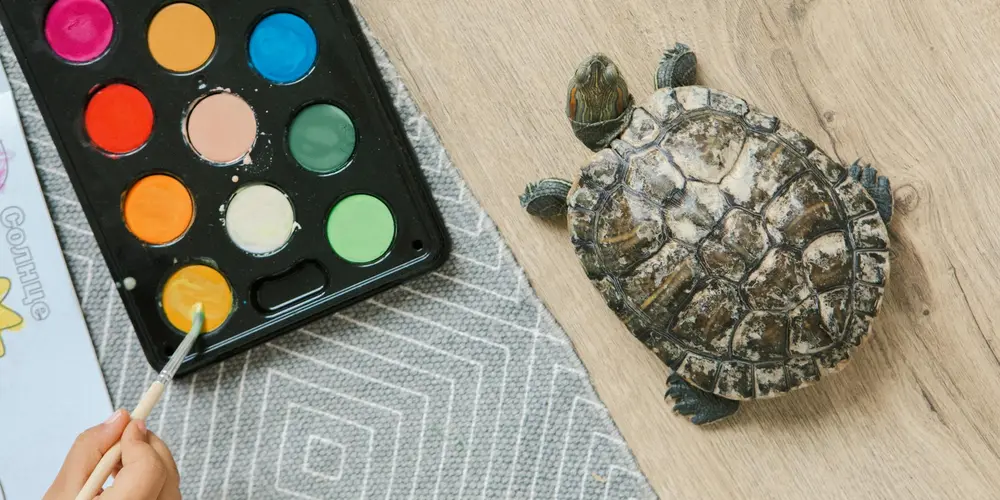
Musk Turtle
Adult Size and Lifespan
Common musk turtles are one of the smallest aquatic turtles available. They typically reach only 3 to 5 inches in shell length. With proper care, these little charmers can live for 30 to 50 years. Their tiny stature and incredibly long lifespan make them a true long-term commitment.
Care Requirements
They thrive in a fully aquatic setup with a secure lid, as they are excellent climbers. A 20 to 40-gallon tank is usually sufficient for one.
- Provide a water heater to maintain a temperature around 78°F.
- They need a powerful filter as they are messy eaters.
- Their diet is omnivorous, leaning towards protein like worms, crickets, and commercial turtle pellets.
- They rarely bask, but a small, dry area with a heat lamp should always be available.
Their minimal basking needs and small tank size simplify their habitat setup compared to other species.
Eastern Box Turtle
Adult Size and Lifespan
These terrestrial treasures grow to about 4 to 7 inches long. They are known for their highly domed shell and ability to completely enclose themselves. A well-cared-for Eastern box turtle can easily live for 50 years, with some reaching over 100. Welcoming one into your home is a decision that spans generations.
Care Requirements
They require a spacious terrarium or a secure outdoor pen, not an aquarium. My box turtle, Orwell, spends his days exploring his enclosure filled with leaf litter and hiding spots.
- Maintain high humidity levels and provide a shallow water dish for soaking.
- They need a temperature gradient with a basking spot around 85°F and cooler areas in the 70s.
- Their diet is varied: earthworms, slugs, berries, mushrooms, and leafy greens.
- They hibernate in colder months, which requires special preparation.
Their complex dietary and environmental needs make them better suited for an intermediate keeper.
Spotted Turtle
Adult Size and Lifespan
Spotted turtles are stunning, with a black shell adorned with bright yellow spots. They are small, reaching only 3.5 to 5 inches in length. Their lifespan is typically 25 to 50 years. Their beautiful patterning and gentle nature make them a highly sought-after species.
Care Requirements
They are semi-aquatic, needing both water and dry land. A 30 to 40-gallon tank with a 50/50 land-to-water ratio works well.
- Water should be shallow, clean, and filtered.
- They require a basking area with a heat lamp reaching 85-90°F.
- Their diet is omnivorous, including turtle pellets, insects, and aquatic plants.
- They are sensitive to water quality, so consistent maintenance is non-negotiable.
Their specific need for pristine water means you must be diligent with tank cleaning and filtration.
Map Turtle
Adult Size and Lifespan
There are many map turtle species, with females being larger. A good small choice is the male False Map or Ouachita Map turtle, which stays around 3 to 5 inches. Females can grow much larger. They live for 15 to 20 years, sometimes longer. Always confirm you are getting a male if you want to ensure a small adult size.
Care Requirements
Map turtles are avid baskers and strong swimmers. They need an aquarium with a large, dry, and warm basking platform.
Essential Care for Small Pet Turtles
Caring for a small turtle is a long-term commitment, and getting the basics right from the start is the kindest thing you can do for your shelled friend. A proper habitat is the single most important factor for a turtle’s health and happiness. I learned this through trial and error with my own trio, and it’s a lesson that saves you and your pet a lot of stress.
Creating the Perfect Habitat
Think of their enclosure as their entire world. For aquatic and semi-aquatic species, this means a tank with both water and dry land.
- Tank Size: Start with at least a 20-gallon long tank for one small turtle, but always plan for a larger upgrade as they grow. Bigger is always better.
- Basking Area: This is a completely dry platform where your turtle can climb out to rest and dry off completely. It’s non-negotiable.
- Heating & Lighting: You need two types of lamps over the basking spot: a heat lamp to create a warm zone of about 85-90°F, and a separate UVB lamp. UVB light is absolutely critical for them to process calcium and prevent metabolic bone disease, a common and tragic ailment in pet turtles.
- Water Filtration: Turtles are messy. A high-quality canister filter rated for double your tank’s volume is a worthwhile investment to keep the water clean and your turtle healthy.
Diet and Nutrition
A balanced diet prevents a host of health problems. Most common small turtle species are omnivores, requiring a mix of commercial pellets, leafy greens, and occasional protein. To create a balanced diet for your omnivorous turtle, combine these elements with appropriate portions and occasional protein sources. My tortoises, Austen and Bronte, thrive on a diet of dark leafy greens like dandelion greens and endive, with a sprinkle of calcium powder.
- Commercial turtle pellets should be a staple, but not the only food.
- Offer fresh, leafy vegetables daily. Avoid iceberg lettuce; it has no nutritional value.
- For aquatic turtles, offer live or frozen prey like bloodworms or shrimp once or twice a week as a treat.
Handling and Health
Turtles are观察 animals, not cuddly pets. Limit handling to essential activities like tank cleaning to avoid causing them unnecessary stress. Always wash your hands before and after you handle your turtle or anything in its tank to prevent the spread of salmonella. Watch for signs of illness: lethargy, swollen eyes, a soft shell, or lack of appetite. A qualified reptile veterinarian is your best ally.
Best Small Turtles for Beginner Reptile Keepers
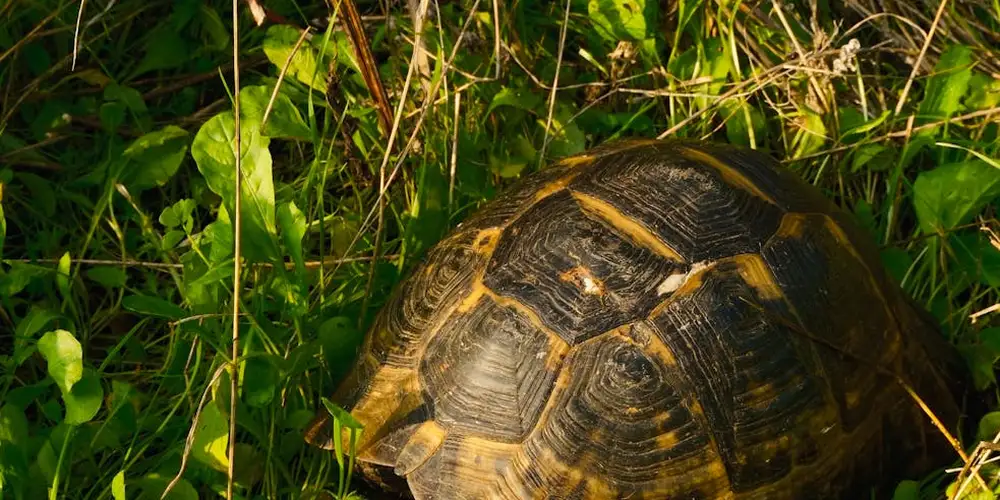
Starting with a hardy, personable species makes the journey into turtle keeping much smoother. If you’re wondering what the best pet turtle species for beginners are, these three are widely regarded as beginner-friendly. Based on my experience and the general consensus among keepers, these three species are fantastic for beginners.
Russian Tortoise
The Russian Tortoise, like my steady companion Austen, is a wonderful choice. Their fully terrestrial nature means you don’t have to manage a complex aquatic setup, which simplifies care significantly. They are small, typically reaching only 6-8 inches, and have charming, curious personalities. They do require a spacious terrarium or tortoise table and a diet rich in fibrous greens.
Greek Tortoise
Similar to the Russian in care, the Greek Tortoise is another terrestrial gem. My Greek tortoise, Bronte, has a graceful and thoughtful demeanor that I find utterly captivating. They are active during the day and enjoy exploring a well-decorated enclosure with places to hide and burrow. Their small size and generally robust health make them a joy for a first-time keeper.
Box Turtle
Box Turtles, like my reserved but intelligent Orwell, are a unique semi-terrestrial option. What makes them special is their hinged plastron (bottom shell), which allows them to completely “box” themselves up for protection. They need a habitat with both a moist terrestrial area and a shallow water dish for soaking. They can be a bit more particular about their diet and humidity, but their incredible personality is worth the extra attention.
Setting Up the Perfect Habitat for Your Small Turtle

Creating the right home is the single most important thing you can do for your new shelled friend. A proper habitat isn’t just a box of water; it’s a complete, carefully balanced ecosystem that supports their health and happiness. From my years of caring for Austen and Bronte, I’ve learned that a little upfront effort saves you from countless problems later.
Choosing the Right Enclosure
Think big, even for a small turtle. A common mistake is starting with a tank that’s too small. Your turtle needs space to swim, explore, bask, and hide, so a 40-gallon breeder tank is a great starting point for most small aquatic species. For my Russian and Greek tortoises, I use large, custom-built wooden tortoise tables that allow for deep substrate and plenty of roaming room.
- Aquatic Turtles: A standard glass aquarium with a secure screen top.
- Semi-Aquatic Turtles (like Box Turtles): A paludarium setup with distinct land and water areas.
- Tortoises: A tortoise table or a very large, modified plastic storage bin for juveniles.
The Non-Negotiable Essentials: Heat and Light
Turtles are reptiles, which means they are entirely dependent on their environment to regulate their body temperature. Providing the correct temperature gradient and UVB light is not optional; it’s critical for their digestion, shell health, and overall vitality. I have a strict routine of checking my basking and water temperatures daily. When I’m diagnosing my turtle’s habitat, I follow a checklist for perfect lighting, heat, and water quality. Regular checks help me catch issues early and keep the environment aligned with their needs.
- Basking Area: Create a dry spot under a heat lamp where the temperature reaches 85-95°F (29-35°C). Use a flat rock or a commercial basking platform.
- Water Temperature: For aquatic species, keep the water a consistent 75-80°F (24-27°C) with a submersible aquarium heater.
- UVB Lighting: A high-quality UVB bulb is essential for metabolizing calcium and preventing metabolic bone disease. Replace it every 6-12 months, as the UV output diminishes even if the light still turns on.
Water and Filtration
If your turtle spends any time in water, you need a filtration system that can handle a significant bioload. Turtles are famously messy eaters and producers of waste, so a filter rated for at least twice the volume of your tank is a wise investment. I learned this the hard way with frequent water changes before upgrading to a robust canister filter.
For my box turtle, Orwell, I provide a shallow water dish large enough for him to soak his entire body in, which I clean and refresh with fresh, dechlorinated water every single day.
Understanding the Long Lifespan of Small Turtles
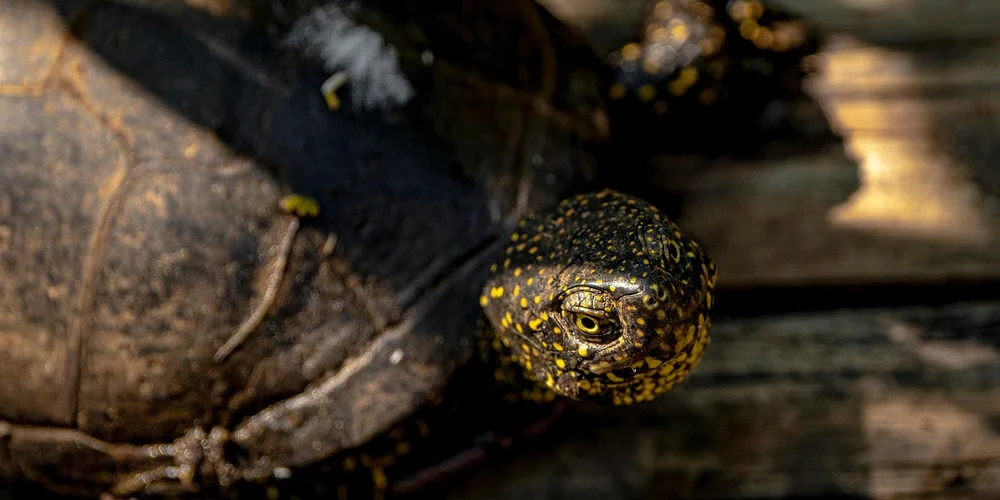
When you bring a small turtle into your home, you are making a commitment that could span decades. My Russian tortoise, Austen, is only 10, which means he’s not even middle-aged yet, with a potential lifespan of 50 years or more. Understanding the Russian tortoise lifespan can guide you in planning a habitat, diet, and routine for those decades. With careful care, these tortoises can live healthy, fulfilling lives throughout much of that span. This is a beautiful aspect of turtle ownership, but it demands serious forethought.
Their long lives are a testament to their resilient biology, but that resilience depends entirely on the care we provide. Proper husbandry is the key that unlocks their full genetic potential for a long, healthy life. Neglect, even unintentional, can drastically shorten their years.
A Commitment Measured in Decades
It’s crucial to look at your own life and plan for your turtle’s future. Who will care for them if you go to college, move for a job, or become unable to? I have a care plan in place for all three of my turtles as part of my own long-term planning.
- Small aquatic turtles often live 20-40 years.
- Common small tortoise species, like the Russian or Greek, regularly live 50-100 years.
- Box turtles can easily surpass 50 years in captivity with excellent care.
The Pillars of a Long, Healthy Life
Extending your turtle’s life isn’t a mystery. It comes down to a few consistent, well-established practices. Think of their care as a four-legged stool; if one leg is weak, the whole structure becomes unstable. My gentle Bronte has thrived for 12 years because we’ve focused on these pillars.
- Nutrition: A species-appropriate, varied diet is fundamental. This means fresh leafy greens, vegetables, and the right amount of protein, not just processed commercial pellets.
- Habitat: As discussed above, a spacious, clean, and properly heated and lit environment prevents disease and stress.
- Veterinary Care: Establish a relationship with a reptile-savvy veterinarian for annual check-ups and anytime you notice unusual behavior.
- Mental Stimulation: Provide enrichment like rearranging tank decorations, offering food in puzzle toys, or safe outdoor time in a secure enclosure.
FAQs
Where can I buy the best small turtles for pets?
Reputable breeders and specialized reptile stores are ideal sources for healthy, captive-bred small turtles. Always avoid wild-caught specimens to support conservation and ensure your pet’s well-being. When weighing a pet store turtle vs a breeder turtle, focus on transparency, health guarantees, and the ability to trace origin. A breeder can often provide detailed lineage and care guidance, while a store offers variety and immediate availability.
What are the best small turtle species for Australian enthusiasts?
In Australia, consider native species like the saw-shelled turtle, but always check local regulations as many are protected. Focus on legally available, captive-bred options to comply with wildlife laws and ensure ethical ownership.
What do Reddit communities suggest for first-time small turtle owners?
Reddit users often recommend hardy, low-maintenance species like musk turtles or Russian tortoises for beginners. They emphasize starting with proper UVB lighting and a balanced diet to avoid common health issues.
Which small turtles are best for a beginner aquarium setup?
Musk turtles and male map turtles are excellent for beginner aquariums due to their compact size and straightforward care. Ensure the tank has a reliable filter and a dedicated basking area to mimic their natural habitat.
What should I look for when choosing the best small turtle for a beginner?
Prioritize species known for hardiness, manageable adult size, and simple dietary needs, such as Greek tortoises or spotted turtles. Confirm you can meet their long-term requirements for habitat, lighting, and veterinary care.
Finding Your Perfect Small Turtle Match
Opt for species like Russian or Greek tortoises that stay compact, easing habitat and care demands over time. My own Bronte, a graceful Greek tortoise, has taught me that a well-planned diet and environment are non-negotiable for their vitality.
Commit to your turtle’s welfare by providing consistent, attentive care and advocating for their needs. Stay curious and keep exploring pet turtle resources to grow alongside your shelled friend for years to come. For box turtle care, a complete beginner’s guide can help you start with proper housing, temperatures, humidity, and diet.
Further Reading & Sources
- r/turtle on Reddit: Are there any turtles that stay relatively small in size?
- Best Pet Turtle Species for Beginners
- Dwarf turtles for sale | Small turtles for sale | Slider | Spotted | Terrapins
- 18 Types of Turtles You Can Keep as Pets
Matthew is a dedicated turtle enthusiast and conservationist with over 15 years of experience in reptile care. Known affectionately as "The Leatherback" among his peers, he combines his passion for turtles with a commitment to educating pet owners on responsible turtle care and environmental stewardship.
Terrestrial Turtles