
Painted Turtle Cost Guide: Initial Price and Ongoing Expenses
Worried about the true cost of welcoming a painted turtle into your home? Let’s dive into what you can expect, from that first purchase to years of happy, healthy care.
We’ll cover: initial purchase price, habitat setup, food and feeding, healthcare, and maintenance costs.
Breaking Down the Initial Setup Costs
Painted Turtle Purchase Price
The first cost you’ll encounter is the turtle itself. A painted turtle typically costs between $30 and $80 from a reputable breeder or pet store. I paid $40 for my first turtle, Austen, and that initial price felt like just the beginning of our journey.
Factors Influencing Turtle Cost
Why such a price range? A few key things affect the final tag.
- Age and Size: Hatchlings are often less expensive than young adults, who are hardier and have already passed the fragile baby stage.
- Species and Coloration: While all painted turtles are lovely, some specific subspecies or those with exceptionally vibrant markings may command a higher price.
- Breeder Reputation: A breeder known for healthy, well-started turtles will charge more than a large-scale pet supplier. This extra cost is an investment in your turtle’s long-term health.
Essential Habitat Expenses
This is where the real investment begins. Your turtle’s home is its entire world, and getting it right from the start prevents costly problems later. I learned this the hard way with a too-small tank for Bronte that I had to upgrade within a year.
Tank or Aquarium Selection
Think big, much bigger than you might initially imagine. A single adult painted turtle needs a minimum of a 75-gallon aquarium to thrive. A good rule is 10 gallons of water per inch of shell length. A 40-gallon breeder tank is a decent start for a juvenile, but they grow quickly! Prices can range from $100 for a basic setup to over $300 for larger, more robust tanks. For a complete habitat guide on setting up the perfect painted turtle tank, check out our guide. It covers tank size, basking areas, UVB lighting, filtration, and water maintenance to keep your painted turtle thriving.
Filtration System Basics
Turtles are famously messy creatures. You need a filter rated for two to three times the volume of your tank. For a 75-gallon tank, aim for a filter that handles 150-225 gallons. A reliable canister filter will cost between $150 and $300, but it is the most important piece of equipment for maintaining clean, healthy water and reducing your cleaning workload.
Heating and Lighting Needs
Replicating their natural environment is non-negotiable. You need two types of lamps over a dry basking area.
- Heat Lamp: Provides a warm spot of around 85-90°F for your turtle to dry off and regulate its body temperature.
- UVB Lamp: This special light is essential for your turtle to metabolize calcium and prevent serious shell deformities. These bulbs need replacement every 6-12 months, even if they still light up, as the UV output diminishes. Budget around $50-$100 for the initial lamp fixtures and bulbs.
Substrate and Decor Choices
This is the fun part, making the tank feel like home. Large, smooth river rocks are my preferred substrate-they are too big to be eaten and are easy to clean. Avoid small gravel. Decor like driftwood and smooth slate rocks for basking are important for enrichment. A well-decorated tank reduces stress by providing hiding spots and a more natural environment. You can spend $20 on basic rocks or over $100 for beautiful, aquarium-safe driftwood and plants.
Understanding Ongoing Care Expenses
Monthly Food and Supplement Costs
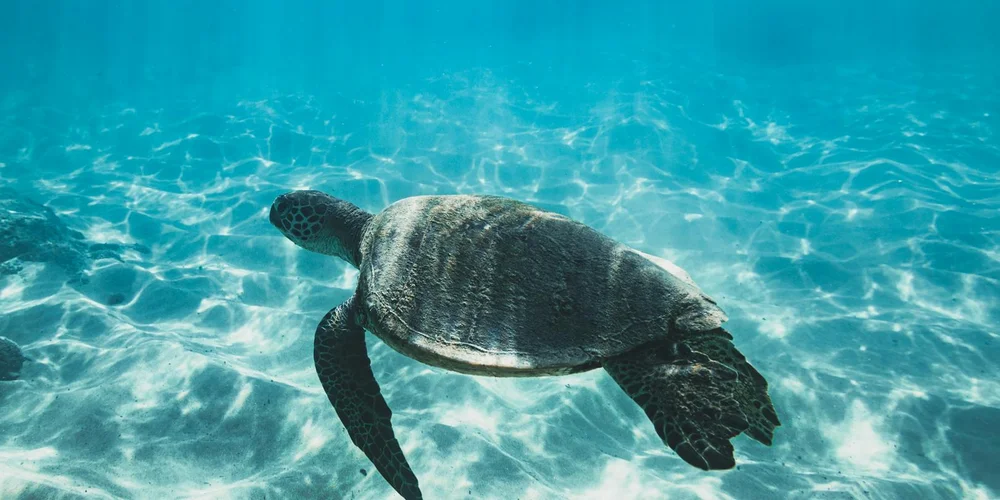
Feeding a painted turtle is relatively inexpensive, but variety is key. My turtles, Austen and Bronte, get a mix of commercial pellets, fresh leafy greens, and the occasional treat of live or frozen prey like bloodworms. Knowing what to feed them is crucial for their health and longevity.
Balancing Diet with Budget
A high-quality commercial pellet should be the staple of their diet. A container lasts for months and costs around $15. Supplement this with affordable greens like romaine lettuce and dandelion greens from your own grocery shopping. You must also provide a calcium supplement, usually in powder form, dusted on their food a few times a week. This simple step is cheap insurance against metabolic bone disease.
Regular Maintenance and Utilities
The work and cost of ownership don’t stop after the initial setup.
Water Change Supplies
You will be doing partial water changes weekly. A Python water changer or a simple gravel vacuum and buckets are your best friends here. A water dechlorinator is mandatory to make tap water safe, and a large bottle costs about $10 and lasts a long time.
Electricity for Equipment
That filter, heater, and lamps are running 24/7. The combined energy use for a full turtle setup typically adds $10 to $20 to your monthly electric bill. It’s a small price for their health and comfort, but one you should be aware of.
Health and Veterinary Care Budgeting
Finding a vet who specializes in reptiles is crucial. Not all vets are comfortable or knowledgeable about turtles, so locate one before you have an emergency. For a turtle, look for a qualified reptile veterinarian with turtle experience. They can provide preventive care and guidance if problems arise.
Routine Check-ups
An annual wellness exam for my turtle Orwell costs about $75. This check-up helps catch minor issues like shell rot or parasites before they become major, expensive problems.
Emergency Fund Tips
I strongly advise setting aside a small amount of money each month into a “turtle fund.” Reptile medical emergencies, like respiratory infections or surgeries, can easily cost $300 to $1,000. Understanding routine turtle vet costs, including check-ups and preventive care, helps you plan for annual maintenance and avoid surprises. Regular wellness exams can catch problems early and may reduce overall expenses. Having that fund gives you peace of mind and ensures you can provide the best care when it’s needed most.
Total Cost of Ownership Over Time
Looking beyond the initial setup, the recurring costs of turtle care form the true financial picture. Budgeting for these annual and lifetime expenses is what separates a prepared keeper from a stressed one. I learned this over years with my own shelled companions.
Annual Expense Summary
A painted turtle’s yearly upkeep generally falls between $300 and $600. This covers food, electricity, and substrate replacement. The biggest variable in your annual budget will always be the electricity to run their aquarium heater and powerful filters. My own tanks taught me that efficient equipment saves money in the long run.
- High-quality commercial pellets and fresh greens: $100-$150
- Filter media and substrate: $50-$100
- Electricity for heating, lighting, and filtration: $120-$300
- Veterinary wellness check: $50-$80
Lifetime Investment Projections
With a potential lifespan of 25-40 years, a painted turtle is a multi-decade commitment. Caring for a painted turtle for its entire life is a significant financial undertaking, often totaling between $8,000 and $20,000. This includes everything from a dozen tank upgrades to potential medical procedures. In captivity, the average lifespan typically falls within this range when kept with proper care. Longevity then depends on habitat quality, diet, and regular veterinary attention.
Age and Health Considerations
As turtles age, their needs and associated costs can change. Older turtles may require more specialized veterinary care, which can increase annual expenses significantly. I’ve found that investing in preventative care with my vet when they are young helps avoid costly issues later in life.
Smart Strategies to Minimize Expenses
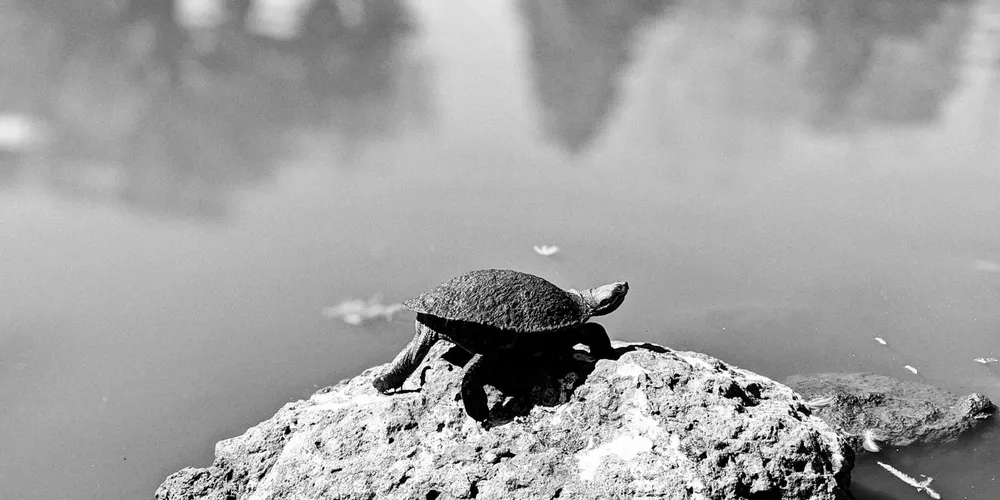
Providing excellent care doesn’t have to break the bank. Smart planning and a little creativity can dramatically reduce your costs without compromising your turtle’s welfare. I’ve used many of these methods myself to provide the best for my pets affordably.
Cost-Effective Habitat Setup
The initial enclosure is your biggest upfront cost, but it doesn’t have to be your biggest financial strain. Focus your budget on the non-negotiable items: a high-quality filter and proper heating equipment are where you should never cut corners. For the tank itself, think outside the brand-new box.
DIY and Secondhand Options
One of my first successful turtle habitats was a secondhand 75-gallon tank I found online. Checking local marketplaces for used aquariums and sturdy storage tubs can save you 50-75% on your main enclosure cost. Just be sure to inspect them thoroughly for cracks or leaks.
- Search for used glass aquariums on local resale sites.
- Use large, food-safe storage tubs as temporary or permanent enclosures.
- Create your own safe basking platform with slate tiles and aquarium-safe silicone.
Savings on Food and Supplies
A painted turtle’s diet offers numerous opportunities for savings. Combining high-quality commercial pellets with fresh, turtle-safe vegetables from your own kitchen creates a nutritious and budget-friendly menu. When weighing commercial versus homemade diets, there are pros and cons for turtle health. A blended approach can provide reliable nutrients from pellets while adding the variety of fresh greens, with careful attention to calcium and vitamin balance. My turtles have always thrived on this mixed approach.
Bulk Buying and Homemade Solutions
Buying turtle pellets in bulk online often provides the best price per ounce. Purchasing food and supplies in larger quantities typically offers substantial savings over small, frequent purchases. For fresh greens, I often set aside parts of my own salads that are safe for them, like romaine lettuce and zucchini slices.
- Research which human foods are safe for occasional turtle treats.
- Buy filter media in bulk and cut it to fit your filter.
- Rinse and reuse certain decorations during tank cleanings.
Adoption as an Affordable Alternative
Many wonderful painted turtles need new homes through reptile rescues and adoption networks. Adopting a turtle is often significantly less expensive than purchasing one from a breeder, and you’re providing a home to an animal in need. My Greek tortoise, Bronte, came to me this way, and she’s been a delightful, steady presence.
Adoption fees typically range from $25 to $75 and often include a basic health check. You not only save on the initial cost of the turtle but frequently acquire some starter supplies from the previous owner. This approach aligns perfectly with responsible animal stewardship.
Comparing Painted Turtle Costs to Other Pets
Initial Outlay Versus Common Pets
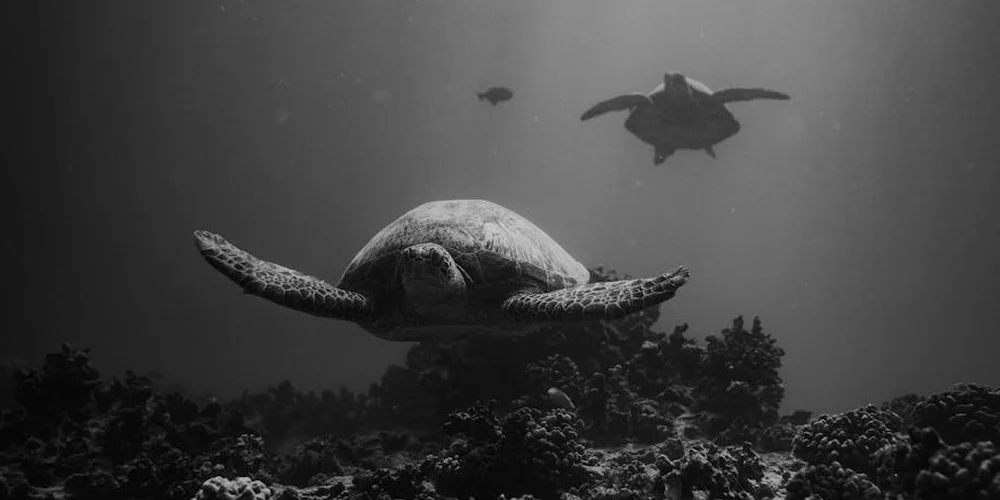
When you bring home a painted turtle, the initial costs often feel lighter on your wallet compared to many furry friends. I remember setting up my first turtle habitat for under $300, while a puppy or kitten can easily hit $500 or more with vaccinations and supplies. Painted turtles typically cost $20 to $50 for the animal itself, plus a basic setup of tank, filter, and heater totaling around $150 to $300. Wondering how much a pet turtle costs in a complete breakdown? Here’s a straightforward look at the full range of one-time and ongoing expenses. In contrast, dogs might need crates, training classes, and higher-priced adoption fees upfront.
- Turtle setup: $150-$300 for essentials like a 40-gallon tank, UVB light, and water filter
- Dog or cat: $300-$800 for items like beds, carriers, and initial vet visits
- Small pets like hamsters: $50-$100 for cages and accessories, but they lack the longevity of turtles
You will find that reptiles like painted turtles demand less in initial outlay if you focus on durable, second-hand equipment. I often recommend checking local reptile groups for affordable used tanks to keep costs down. This approach saved me nearly half on my initial expenses and supports sustainable pet ownership.
Long-Term Care Differences
Caring for a painted turtle over years reveals how their expenses differ from mammals or birds. While dogs need frequent grooming and cats demand litter refills, turtles thrive on a simpler routine. Their diet of commercial pellets, leafy greens, and occasional insects costs about $10 to $20 monthly, far less than premium dog food. I have noticed my turtle’s food bill stays steady, whereas my friend’s dog requires special diets that spike costs.
- Monthly food: Turtles eat economically, while dogs or cats can run $30-$60
- Habitat upkeep: Filter replacements and substrate for turtles cost $10-$15 monthly, similar to small mammal bedding
- Veterinary care: Turtles need fewer routine visits but require exotic vets, which can be pricier per appointment
Over time, the steady rhythm of turtle care feels manageable. Advocating for animal welfare, I stress that turtles’ lower social needs mean less spending on toys or training, but their specialized habitat is non-negotiable. This balance makes them a budget-friendly choice for patient owners.
Planning for Unexpected and Long-Term Costs
Budgeting for Veterinary Emergencies
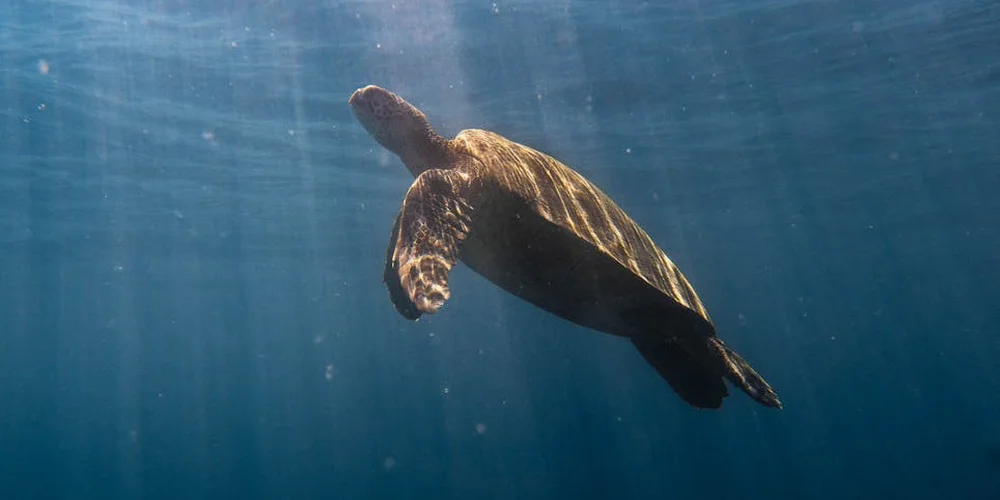
Unexpected vet bills can surprise any pet owner, and painted turtles are no exception. From shell infections to respiratory issues, emergencies might cost $100 to $500 per visit. Setting aside $20 monthly into a pet emergency fund has saved me from stress when my turtle needed treatment for a fungal infection. Exotic vets charge more than standard ones, so research local options early. That’s why many turtle owners build an emergency fund specifically for their turtle’s vet care. A small monthly contribution can cover both routine checkups and unexpected treatments.
- Common emergencies: Shell repairs, parasite treatments, or injuries from tank hazards
- Cost range: $50-$300 for diagnostics and medications
- Prevention tips: Regular water changes and a balanced diet reduce health risks
I learned the hard way that skipping water quality checks led to a costly vet trip. Water quality woes often come from common filtration mistakes—six mistakes that turtle owners frequently make. Planning for these unknowns ensures your turtle gets care without financial strain. It is a gentle reminder that all pets deserve a safety net.
Factoring in Lifespan and Care Changes
Painted turtles can live 20 to 30 years, so your costs will evolve as they age. Juvenile turtles need smaller tanks, but adults require upgrades to 75 gallons or more, adding $200-$500 over time. In my experience, budgeting for a larger tank every few years keeps the habitat suitable and prevents stress on your pet. As turtles grow, their dietary needs might shift, increasing food expenses slightly.
- Lifespan impact: Plan for decades of filter replacements, bulb changes, and potential habitat expansions
- Age-related changes: Older turtles may need softer foods or more frequent vet checks for arthritis
- Long-term savings: Investing in high-quality equipment upfront reduces replacement costs later
Thinking ahead helps you avoid surprises. I advocate for regular reassessment of your turtle’s environment to match their life stage, promoting well-being without last-minute expenses. This proactive approach makes pet ownership a joyful, sustainable journey.
FAQs
Why does the cost of a painted turtle differ depending on where I live?
Local factors like the availability of breeders and regional demand can cause price variations. Additionally, shipping fees for online purchases may increase the total cost in some areas.
What should I expect to pay for boarding my painted turtle at a pet hostel?
Daily boarding rates typically range from $10 to $30, depending on the services included. Always verify that the facility provides proper habitat conditions, such as heating and filtration, to ensure your turtle’s health.
Are there any hidden costs at the Painted Turtle Hostel in Nanaimo?
Contact the hostel directly for a detailed fee structure, as extra charges might apply for specialized care or extended stays. Reading reviews or asking about included amenities can help avoid surprises.
How do painted turtle expenses change as they grow from juveniles to adults?
Juveniles may need smaller, less expensive setups initially, but adults require larger tanks and more powerful equipment. Dietary needs can also shift, potentially increasing food costs over time.
Are there pet insurance options to help manage painted turtle healthcare costs?
Some insurers offer reptile-specific policies that cover emergencies and routine care. Premiums depend on factors like the turtle’s age and the coverage level, so compare plans to find a suitable option.
Your Financial Roadmap to Turtle Parenthood
Ultimately, your painted turtle’s well-being hinges on viewing their care as a long-term investment, not a one-time purchase. Plan thoroughly for both the initial setup costs and the predictable, recurring expenses for food, utilities, and habitat maintenance to ensure a smooth journey. First-time owners often miss hidden costs of turtle ownership like UVB bulb replacements and occasional vet visits. Being aware of these helps prevent surprises down the line.
Committing to a painted turtle means embracing a lifelong learning process about their specific needs and natural behaviors. Your dedication to their welfare, supported by continuous education, is what truly transforms a simple pet into a thriving companion for decades to come.
Further Reading & Sources
- Painted Turtles for Sale in the US: 2025 Breeders List | PangoVet
- Cost of a Turtle – Pets and Pet Care – CostHelper
- How Much Do Turtles Cost? (Breakdown Of Costs) – All Turtles
- Turtle Prices in 2024: Purchase Cost by Type, Supplies, Food, and More!
Matthew is a dedicated turtle enthusiast and conservationist with over 15 years of experience in reptile care. Known affectionately as "The Leatherback" among his peers, he combines his passion for turtles with a commitment to educating pet owners on responsible turtle care and environmental stewardship.
Tank Size and Type