
Understanding Turtle Ownership Laws: A Clear Guide
You might be dreaming of a gentle, shelled companion like my Russian tortoise, Austen, but bringing a turtle home involves more than just setting up a habitat. Before you fall in love with a specific species, knowing the legal rules protects you from unexpected fines and safeguards these amazing animals from illegal trade.
Based on my decade of experience with turtles like the graceful Bronte and reserved Orwell, I can tell you that laws exist for good reason-they prevent wildlife exploitation. This guide will help you steer clear of legal trouble and become a responsible turtle guardian from the start.
We’ll explore the essential layers of regulation together. You’ll get a straightforward look at federal acts, state-specific permits, commonly restricted species, and simple steps to verify your local laws.
Navigating the Waters: Why Turtle Laws Exist
You might wonder why owning a turtle comes with legal hoops to jump through. These laws aren’t about making your life difficult; they’re a lifeline for the turtles themselves. I learned this firsthand when I brought home Bronte, my Greek Tortoise. The paperwork felt tedious, but it ensured she came from a legal, ethical source. These rules exist for three big reasons: to protect wild populations from over-collection, to safeguard animal welfare in captivity, and to prevent the spread of diseases to humans and other animals. If you ever need to rehome a turtle, ethical surrender means working with licensed rescues or sanctuaries, not releasing them or abandoning them. This helps ensure the turtle finds a safe, suitable home.
Think of wild turtle populations like a delicate coral reef. Turtles rely on specific habitats—mudflats, wetlands, riverbanks—which are fragile in the wild and easy to degrade when collecting pets. Taking too many creatures from one area can collapse the entire ecosystem. Many species reproduce slowly, and removing adults for the pet trade can push them toward extinction. Laws act as a protective barrier, keeping that ecosystem intact. Preserving these habitats helps keep wild populations stable and reduces the pressure to take animals for the pet trade. For animals like my steady Austen, the Russian Tortoise, ethical captive breeding is the only responsible path to pet ownership.
On the welfare front, regulations help ensure turtles aren’t kept in poor conditions. Proper laws mandate humane treatment and discourage impulse buys from unprepared owners. I’ve cared for my reserved Box Turtle, Orwell, for years, and his specific needs-from humidity to diet-are not for casual keepers. Rules help filter for committed guardians. They also address public health, like restrictions on selling small turtles that can carry salmonella, especially to families with young children.
The Federal Framework: Understanding National Rules
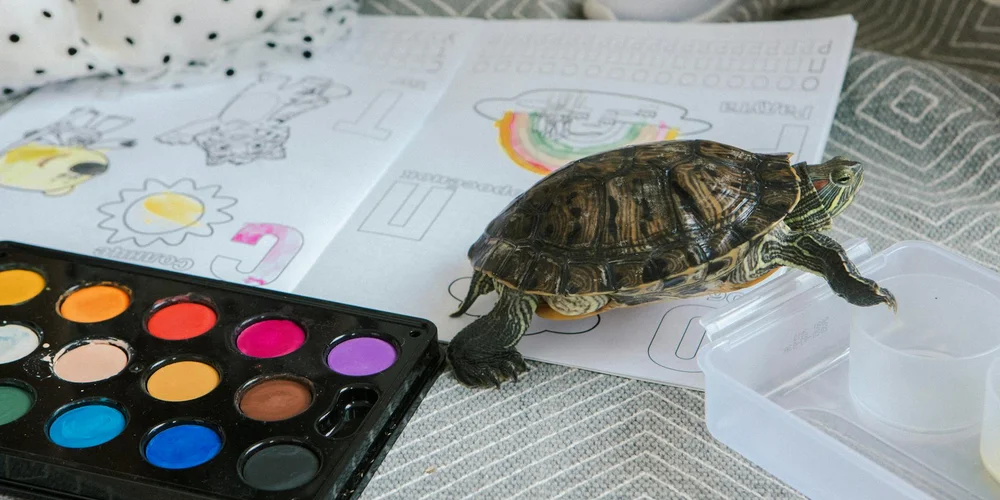
In the United States, federal laws create the main current you must swim with. The Endangered Species Act (ESA) is the most powerful of these, protecting listed turtles from harm, trade, and possession without permission. If a species is on that list, like the Bog Turtle or the Alabama Red-Bellied Cooter, federal approval is your starting point. Another key law is the Lacey Act, which makes it a federal crime to trade in wildlife taken or possessed illegally under any state, tribal, or foreign law.
This means you can’t legally buy a turtle in one state where it’s restricted and bring it home to another. Crossing state lines with a protected turtle triggers a whole new set of federal requirements. When I researched moving with Orwell, I discovered that even though he’s a captive-bred box turtle, transporting him across certain state borders would have required federal documentation to prove his legal origin. The rules are there to stop illegal trafficking and protect ecosystems.
- The Endangered Species Act (ESA) protects species at risk of extinction.
- The Lacey Act prohibits interstate or international trade of illegally taken wildlife.
- The Public Health Service Act regulates the sale of small turtles to prevent salmonella spread.
Permits and Paperwork: When You Need Federal Approval
So, when do you need to dive into the federal permit process? You’ll need federal approval if you wish to acquire, sell, or transport any turtle listed under the Endangered Species Act. This applies whether it’s for pet keeping, breeding, or educational purposes. The process involves applying to the U.S. Fish and Wildlife Service, detailing exactly why you need the permit and proving you can provide expert care.
The application asks for more than just your name. You must demonstrate that your activity will not harm the survival of the species in the wild. For a pet owner, this often means providing proof of captive birth from a licensed breeder. I’ve helped friends navigate this; it requires patience, detailed records, and sometimes veterinary statements. The goal is to ensure every protected turtle in captivity is accounted for and cherished.
- Identify the exact species you’re interested in and check its ESA status.
- Gather all proof of legal origin, like breeder certificates and sales receipts.
- Contact the U.S. Fish and Wildlife Service to get the correct application forms.
- Complete the forms with meticulous detail about your facilities and experience.
- Submit the application and be prepared for a review period that can take months.
It’s a rigorous system by design. This paperwork is the tangible proof of our commitment to animal welfare and conservation. While my tortoises Austen and Bronte are not ESA-listed, understanding this framework makes me a more responsible advocate for all shelled friends. It ensures that our enjoyment of these ancient creatures doesn’t come at the cost of their future.
Your Local Current: State and City Regulations
Think of turtle laws like ocean currents-they shift and change depending on where you are. Your state and city have their own rules about keeping turtles, and they often differ from federal guidelines. I learned this firsthand when I moved across the country with Austen, my Russian tortoise; what was fine in one state required a permit in another.
Some states, like Georgia, heavily restrict owning native box turtles. Others focus on shell size, banning the sale of small turtles under four inches to prevent salmonella risks. You must check with your state’s wildlife agency and local city ordinances before bringing a shelled friend home. It’s a simple step that saves so much heartache later.
Here’s a calm way to navigate those waters:
- Visit your state’s Department of Natural Resources or Fish and Wildlife website.
- Look for sections on “regulated species” or “pet ownership laws.”
- Call or email them directly if the information feels murky; they’re usually helpful.
- Don’t forget to check your city or county codes-they can have extra layers.
Following these local currents isn’t just about legality; it’s a deep act of care for the animal. Proper regulations exist to protect both turtles and their ecosystems from harm. My gentle Bronte, a Greek tortoise, thrives because her ownership was always above board, ensuring her long-term security.
The Quarantine Question and Health Certificates
Bringing a turtle into a new state sometimes feels like preparing for a gentle voyage. Many states require a health certificate from a veterinarian and a quarantine period to prevent disease spread. When I introduced Orwell, my box turtle, to our home, this process ensured he didn’t bring any unseen illnesses to our other pets.
A health certificate is a vet’s assurance your turtle is free from contagious issues. Quarantine, often 30 to 90 days, lets you observe the new arrival in isolation. These are the essential first steps for every new turtle—quarantine protocol helps you establish a health and behavior baseline. It also gives you a chance to notice stress signals and appetite changes early. This quiet time is precious—it lets your turtle de-stress and you spot any health whispers early. I spent those weeks with Orwell, noting his eating habits and personality, which are reserved but intelligent.
Your steps will likely flow like this:
- Schedule a vet visit for a full check-up before any move.
- Obtain the official health certificate, usually valid for 30 days.
- Set up a separate, simple habitat away from other turtles.
- Monitor closely for signs of lethargy, runny nose, or lack of appetite.
Advocating for animal welfare means embracing these steps. Quarantine is a kindness, a buffer that safeguards all creatures in your care. It mirrors the steady patience of a tortoise, ensuring everyone starts healthy and safe.
Species Under Protection: Commonly Restricted Turtles
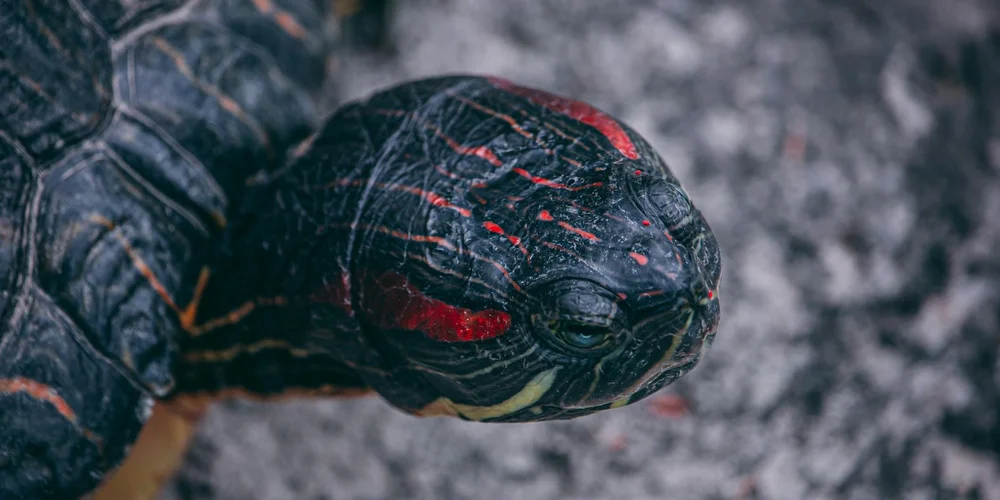
Certain turtles swim in protected waters, and for good reason. Species like the Bog Turtle, Alabama Red-Bellied Cooter, and most sea turtles are generally illegal to own as pets. They’re often listed under the Endangered Species Act or state protections due to plummeting wild populations. That reality raises the question: is it ethical to keep turtles as pets when many are protected or endangered? Ethical considerations include ensuring proper welfare, not impacting wild populations, and complying with legal protections.
Even common box turtles, like Orwell’s kin, face restrictions in many areas because taking them from the wild harms local ecology. I’ve seen the sad result of wild collection-fragile ecosystems disrupted and turtles struggling in unfit homes. Their dark brown shells with yellow patterns belong in their native forests, not in unprepared enclosures.
Here’s a list of types you’ll often find shielded by law:
- All sea turtle species (e.g., Loggerhead, Green Sea Turtle)
- Many North American box turtles (e.g., Eastern, Three-toed)
- Desert Tortoises, protected in states like Nevada and California
- Spotted Turtles and Wood Turtles in numerous northeastern states
Owning these without permits is like trying to hold back the tide-it’s futile and causes damage. Choosing a legal species shows respect for conservation and the turtle’s own right to thrive. My own pets, like Austen with his brown and tan shell, are species that do well in captivity when sourced responsibly. To legally keep a turtle as a pet, check local regulations and obtain any required permits. This helps protect the species and ensures humane care.
The Captive-Bred Distinction: A Crucial Clarification
This point is the bedrock of ethical turtle keeping. A captive-bred turtle is born in a controlled environment, while a wild-caught one is taken from nature. The difference isn’t just paperwork; it’s a life story. All my turtles-Austen, Bronte, and Orwell-are captive-bred, which I verified before welcoming them home.
Captive-bred turtles are typically legal where wild ones aren’t, and they adapt better to home life. They haven’t experienced the trauma of capture, so their personalities, like Bronte’s graceful thoughtfulness, shine through without wild stress. Wild-caught turtles often harbor parasites, struggle with captivity, and their removal depletes natural populations.
To ensure you’re getting a captive-bred turtle, follow these waves of action:
- Ask the breeder for detailed records of the turtle’s birth and parents.
- Look for reputable breeders who specialize in one or two species, not a huge variety.
- Avoid buying from sources that can’t provide history or that offer “wild” specimens.
- Consider adoption from rescues, where many turtles need second chances.
Making this distinction protects wild turtles and supports ethical breeding practices. When you choose captive-bred, you give a turtle a good life without pulling threads from the ecological tapestry. It’s a choice that feels as right as the steady pace of a happy tortoise in its garden.
The Ripple Effect: Penalties for Illegal Ownership
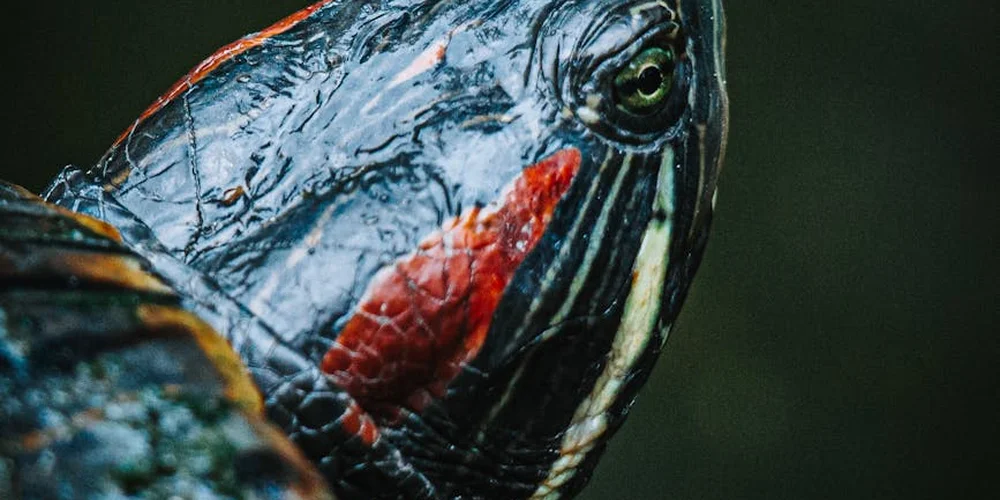
Think of breaking turtle ownership laws like tossing a heavy stone into a still pond. The initial splash is your fine or citation, but the ripples spread far wider, touching everything from your wallet to the animal’s very future. Getting caught is more than a simple “oops” moment.
Authorities don’t just shrug it off. The consequences are designed to deter and to protect.
- Substantial Fines: You’re looking at hundreds to thousands of dollars, depending on the species and your location. That “rare” find online can become the most expensive pet you never got to keep.
- Confiscation of the Animal: This is the heartbreaking one. The turtle will be taken. They won’t go to your neighbor. They’ll likely enter a wildlife rehab or sanctuary system, if they’re lucky.
- Criminal Charges: For serious, knowing violations, especially with endangered species, this can escalate to misdemeanor or even felony charges. That’s a permanent mark.
- Loss of Permits: If you have other legal wildlife or breeding permits, those can be revoked.
- Harm to the Animal: This is the worst ripple. A turtle plucked from the wild often can’t be returned, as it may introduce disease. A captive-bred illegal species may have nowhere to go, languishing in a holding facility.
I’ve seen the aftermath in rescue circles. It’s a stressful, messy process that almost always harms the very creature someone claimed to love. The law isn’t there to be a buzzkill. It’s a lifeline for species on the edge.
Sailing Safe Waters: How to Find and Own Legally
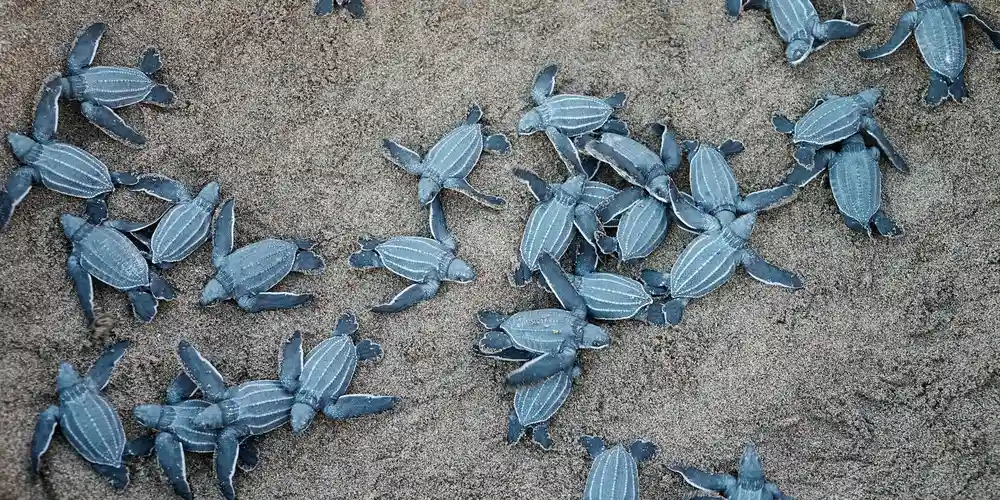
So how do you navigate these waters without hitting a reef? It comes down to diligent research and asking the right questions. Assume nothing.
Your first and most crucial stop is your state’s wildlife agency website. Don’t rely on forum gossip from 2008. Laws change. Search for “[Your State] reptile possession laws” or “controlled species list.” Print it out. Bookmark it.
When you find a potential turtle, become an investigator. Ask the seller for clear, verifiable proof.
- Ask for CITES paperwork if applicable. A legitimate seller won’t hesitate.
- Request proof of captive breeding. This should be more than a verbal promise.
- Check their reputation. Are they known in the turtle community? A good breeder is proud of their lineage.
My rule, born from twenty years of keeping turtles like my steady Russian, Austen, is this: If a deal feels secretive or too good to be true, it almost certainly is. Walk away. The right turtle, obtained the right way, is worth the wait.
Wonderful Legal Alternatives: Popular Pet Turtles
The wonderful news is that the world of legal, captive-bred pet turtles is vibrant and full of personality. You don’t need an illegal animal to have a magical companion.
My own shelled family are all perfectly legal, common, and utterly captivating.
- Russian Tortoises: Like my Austen. These small, hardy tortoises are charismatic diggers with big attitudes. Perfect for a spacious outdoor pen or a very large indoor enclosure.
- Greek Tortoises: My graceful Bronte. Similar in care to Russians, they are gentle browsers. Their shell patterns are like ancient maps.
- Box Turtles: Like Orwell, my reserved thinker. North American natives, but only ever seek captive-bred. They need humid, forest-floor-style habitats, not an aquarium.
- Painted Turtles & Red-Eared Sliders: Common aquatics. They get large, live for decades, and need massive filtration. Do your homework on their adult size before falling for a tiny hatchling.
- Musk & Mud Turtles: Smaller aquatic options with huge personalities. They are often feisty and fun to watch.
Choosing a legal species is an act of compassion. You’re ensuring your turtle has a stable lineage, known health history, and your conscience remains clear. In the pet store vs breeder debate, the right source is one with verifiable origin and transparent health records. Seek breeders or retailers who can provide lineage documentation and health guarantees. You support ethical breeders who care for the animals, not smugglers who see them as cargo.
Start your journey with one of these common species. The bond you’ll build is just as deep, the lessons just as profound. Your love for them helps ensure their wild cousins have a fighting chance, too. That’s a win for everyone.
FAQs
Do I need a lawyer to own a turtle legally?
Typically, no, if you thoroughly research federal and state regulations yourself. For complex cases like owning endangered species or interstate transport, consulting a wildlife law attorney may be wise.
What happens if my turtle species becomes protected after I own it?
You must comply with new laws, which may require registering your turtle or obtaining a permit. In particular, protected turtle species often require specific permits to own protected turtles, keep, or transport. Check with your local wildlife agency for the exact requirements. Stay informed on legal updates through wildlife agencies to maintain lawful ownership.
Are there any turtle species that are universally legal across the U.S.?
No species is universally legal due to varying state and local laws. Always verify with your state’s wildlife department before acquiring any turtle, even commonly kept types. Laws often cover not just possession but also the sale and transport of turtles. If you’re buying or moving turtles, check the seller and carrier rules in your state before any transaction.
A Final Word on Turtle Laws
Your main task is to double-check your state’s specific wildlife regulations before even looking at a turtle for sale. This simple act of verification is your strongest shield against legal trouble and your clearest path to a clear conscience as a keeper. Always source your pet from a reputable, licensed breeder to ensure you aren’t accidentally supporting the harmful trade of wild-caught, protected animals. For guidance on where to buy a pet turtle responsibly, consult a reputable guide that highlights licensed breeders and compliant sellers. This helps ensure your acquisition is responsible and legal.
Caring for a turtle is a long-term promise that extends beyond just food and water; it includes being a lawful and informed steward. I’ve found that the most rewarding parts of keeping my turtles, like Austen and Bronte, are grounded in the quiet confidence of knowing I’m doing right by them within the bounds of the law. Let your commitment to their well-being be the guiding force that inspires you to keep learning and growing in this fascinating niche of pet care. Together with a practical guide for land and aquatic turtles, this forms an essential blueprint. Think of it as the essential guide for land and aquatic turtle care—covering habitat, diet, and welfare to support your lifelong stewardship.
Further Reading & Sources
- Reptile Ownership Laws by State | USARK – United States Association of Reptile Keepers
- Turtle & Tortoise Laws (US, CA, UK & AU) – All Turtles
- The Legal Maze: Is Owning a Turtle as a Pet Allowed?
- Thinking of getting a pet turtle? | Humane World for Animals
Matthew is a dedicated turtle enthusiast and conservationist with over 15 years of experience in reptile care. Known affectionately as "The Leatherback" among his peers, he combines his passion for turtles with a commitment to educating pet owners on responsible turtle care and environmental stewardship.
Aquatic Turtles