
Can Turtles Eat Berries and Strawberries? A Complete Guide
Published on: January 14, 2026 | Last Updated: January 14, 2026
Written By: Matthew The
You’re likely eyeing those juicy berries and wondering if they’re a safe snack for your turtle, while worrying about potential digestive troubles or hidden risks. Based on my years caring for tortoises like Austen and Bronte, I’ve navigated these questions firsthand and found that many turtles can enjoy these treats with care.
This guide will walk you through:
- Safe berry types and why strawberries often top the list
- Simple steps to prepare and serve them without hassle
- Key nutritional perks and red flags to keep your pet healthy
- Personal stories from my turtle-keeping journey for real-world advice
- How to balance treats with their main diet for overall well-being
Are Berries Safe for Pet Turtles?
Yes, most common berries are perfectly safe for turtles when prepared correctly and fed in moderation. My Russian tortoise Austen gets particularly excited when he spots a dark blueberry rolling toward him in his enclosure. I’ve spent years observing how different turtles react to various berries, and the key is always balance and preparation.
Not all berries are created equal. Stick to turtle-safe options like strawberries, blueberries, raspberries, and blackberries while avoiding potentially toxic varieties like holly berries or juniper berries. Wild berries should never be picked and fed unless you’re absolutely certain of their safety and pesticide-free status.
Safe Berry Preparation Steps
- Thoroughly wash all berries to remove pesticides and contaminants
- Remove any stems, leaves, or tough skins
- Cut larger berries like strawberries into bite-sized pieces
- Mix with other vegetables and greens rather than serving alone
- Offer as an occasional treat, not a daily food item
Nutritional Benefits of Berries for Turtles
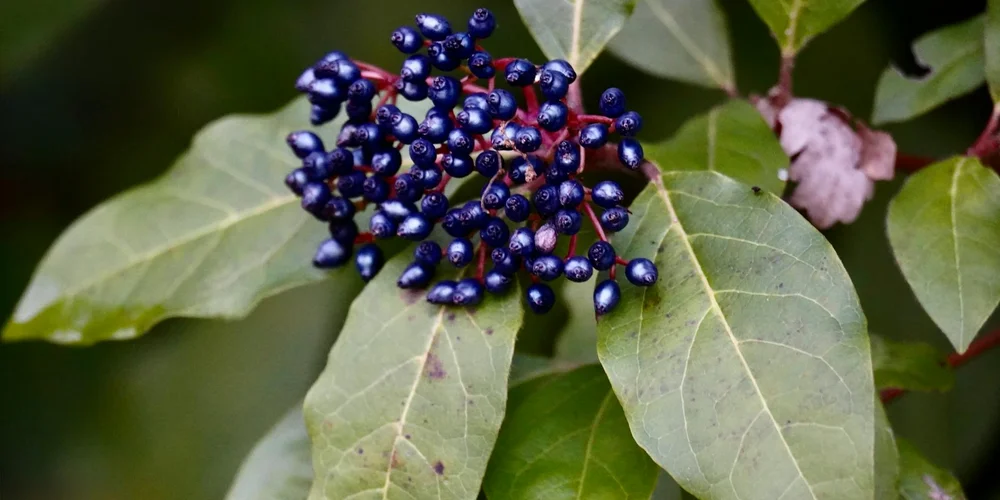
Berries pack a powerful nutritional punch that can benefit your turtle’s health when incorporated properly. My Greek tortoise Bronte seems to have brighter energy and more vibrant shell health since I introduced small berry portions to her varied diet. These colorful fruits bring more than just flavor to the table.
The antioxidant content in berries helps combat cellular damage and supports overall vitality. Blueberries and blackberries contain anthocyanins that may help reduce inflammation and support immune function in turtles. I’ve noticed my turtles seem more active and engaged after berry treats, though this could be the natural sugar boost.
Key Nutrients in Common Berries
- Vitamin C: Supports immune health and shell development
- Fiber: Aids digestion and prevents constipation
- Manganese: Essential for bone and shell health
- Vitamin K: Important for blood clotting and bone metabolism
- Antioxidants: Protect cells from damage and support longevity
Different berries offer unique nutritional profiles. Strawberries provide excellent vitamin C content while blueberries deliver powerful antioxidants that support your turtle’s overall cellular health. Raspberries offer higher fiber content that can aid digestion when your turtle seems sluggish.
Remember that berries should complement, not replace, the core components of your turtle’s diet. The nutritional benefits shine brightest when berries represent about 10% of your turtle’s overall fruit and vegetable intake. My box turtle Orwell particularly enjoys the variety that seasonal berries bring to his meal rotation.
Which Berries Can Turtles Eat Safely?
Can Turtles Eat Strawberries?
Yes, turtles can eat strawberries, but moderation is key. The high sugar content means they should be an occasional treat, not a staple. I slice them into small, manageable pieces for my Russian tortoise, Austen, who nibbles them delicately. Always wash strawberries thoroughly to remove pesticide residues before offering a piece.
Remove the leafy green tops, as they aren’t toxic but can be difficult for some turtles to digest. I typically offer a small slice once every couple of weeks as a special reward. This keeps the treat exciting without upsetting their balanced diet.
Can Turtles Eat Blueberries and Blackberries?
Blueberries and blackberries are excellent, antioxidant-rich choices. Their smaller size makes them a convenient, bite-sized snack. My Greek tortoise, Bronte, seems to enjoy the slight tartness of blackberries. These berries are generally safer and easier to portion than larger fruits.
You can offer them whole for larger turtles or gently mashed for smaller ones. I find that my turtles are more active on the days they get a couple of blueberries. Just remember that even these healthier berries are still a sugary supplement to their main meals.
Can Turtles Eat Raspberries?
Raspberries are perfectly safe for turtles in small amounts. Their delicate structure makes them easy to eat. However, they can be quite messy, so I usually feed them to my box turtle, Orwell, in his feeding dish to contain the juice. The high water content in raspberries can provide a little extra hydration.
Because they are so soft, they can spoil quickly in the enclosure. Always remove any uneaten berry pieces within a few hours to keep your turtle’s home clean and prevent bacterial growth.
Feeding Berries to Different Turtle Species
Can Box Turtles Eat Berries?
Absolutely. Box turtles, like my curious Orwell, are more omnivorous and can enjoy a wider variety of fruits, including berries, as part of their diet. In the wild, they would naturally forage for fallen fruits. Berries can make up about 10-20% of a box turtle’s overall fruit and vegetable intake.
I’ve found that offering a mixed berry medley once a week provides enrichment and nutritional variety. Their diverse palate makes them one of the easier species to please with fruity treats.
Can Aquatic Turtles Like Red-Eared Sliders Eat Berries?
Yes, but far more sparingly. Aquatic turtles are primarily carnivorous when young, becoming more omnivorous as they age. Berries should be a very rare treat. Their main diet should consist of commercial pellets, live foods, and greens (pellets, live foods, and greens), not fruit. Include occasional live foods like insects or small fish. Also offer leafy greens and other vegetables alongside the pellets.
If you do offer a small piece of berry, do so on dry land or in a separate feeding tank to avoid fouling the main water. The sugar can quickly degrade water quality, leading to potential health issues for your aquatic friend.
How to Prepare and Serve Berries to Your Turtle
Getting berries ready for your turtle is simple, but doing it right makes all the difference. Proper preparation ensures your turtle gets the nutritional benefits without any hidden dangers. I always follow this routine for my own shelled friends, Austen and Bronte.
Step-by-Step Preparation
- Wash Thoroughly: Rinse all berries under cool, running water. I gently rub the surface of strawberries to remove any pesticide residue you can’t see.
- Chop Appropriately: Cut berries into tiny, bite-sized pieces. For my Russian tortoise, Austen, I make pieces smaller than his head to prevent choking.
- Remove Stems and Leaves: Always pluck the green tops from strawberries and any stems from other berries. These parts offer no nutritional value and can be tough to digest.
Creative Serving Ideas
You don’t just have to drop berries in the enclosure. Mixing berries with their regular greens encourages a more varied and exciting diet. Some plants and flowers are safe for turtles to eat, so you can mix in safe varieties alongside their greens. Just avoid toxic plants and pesticides, and introduce new items gradually. Here are a few methods I use that my turtles adore.
- The Salad Topper: Sprinkle a few chopped berry pieces over a bed of dandelion greens or endive. It adds a pop of color and sweetness.
- The Berry Mash: For younger or smaller turtles, mash a single raspberry or blueberry and smear it on a piece of safe leafy green. It acts like a tasty paste.
- The Foraging Mix: Hide a couple of berry pieces within their enclosure to stimulate natural foraging behavior. My Greek tortoise, Bronte, loves the hunt.
Risks and Precautions with Berry Treats
While berries are a wonderful treat, they are not a staple food. Overindulgence is the single biggest risk when introducing sweet fruits to a turtle’s diet. I learned this the careful way after noticing Orwell, my box turtle, would ignore his healthier food if berries were an option.
Key Health Concerns
- High Sugar Content: The natural sugars in berries can lead to digestive upset and weight gain if fed too often.
- Pesticide Exposure: Conventionally grown berries often carry pesticide residues, which is why washing is non-negotiable for your pet’s safety.
- Nutritional Imbalance: Relying on berries can displace crucial nutrients from dark, leafy greens that should form the core of their diet.
Essential Safety Precautions
Following these simple rules has kept my turtles healthy and happy for years. Moderation and observation are your best tools for safely treating your pet. By knowing what to watch for, you can catch the most critical turtle health issues early. Most serious problems show clear warning signs, so daily observation is worth the effort.
- Limit Frequency: Offer berries only as a rare treat, no more than once every week or two, and in very small quantities.
- Source Wisely: Choose organic berries when possible to minimize chemical exposure. When I can’t find organic, I wash them with a produce-specific wash.
- Observe Their Reaction: After the first time you offer a new berry, watch for any changes in their behavior or droppings. This tells you how they are tolerating it.
- Consult a Vet for Specifics: If your turtle has a known health issue, like a predisposition to kidney problems, always check with a reptile veterinarian before introducing new foods.
Safe and Unsafe Fruits for Turtles: A Comprehensive List

Knowing which fruits are safe is like learning a new language for your turtle’s health. Not all fruits are created equal in the shelled world, and some can cause serious digestive upset. I’ve spent years observing my own crew-Austen, Bronte, and Orwell-to see what they enjoy and what they politely (or not so politely) ignore.
Fruits Your Turtle Can Safely Enjoy
Think of these as the occasional treats, the special weekend dessert. Fruits should only make up about 10% of an adult turtle’s overall diet, served in small, manageable pieces. My Russian tortoise, Austen, gets particularly excited when he sees these colorful options. Watermelon can be a safe option when offered in tiny pieces with the rind and seeds removed. Keep portions very small and offer only occasionally due to its natural sugars.
- Berries: Strawberries, blueberries, raspberries, and blackberries are all excellent choices. They are soft and packed with antioxidants.
- Melons: Cantaloupe and watermelon (a tiny bit of the flesh, not the rind) are hydrating and usually a big hit.
- Apples and Pears: Always serve these peeled, cored, and without seeds. The seeds contain trace amounts of cyanide.
- Bananas: A very small piece of banana is a high-potassium treat, but it’s quite sugary so offer it sparingly.
- Peaches and Plums: These are fine in moderation, but remember to remove the pit completely first.
Fruits to Absolutely Avoid
This list is non-negotiable for the well-being of your pet. Some fruits contain compounds that are difficult for a turtle’s digestive system to process and can be toxic. My rule of thumb is: when in doubt, leave it out. I’ve never risked these with my turtles, and neither should you—especially when there are plenty of safe options available, such as those mentioned in this guide.
- Citrus Fruits: Oranges, lemons, limes, and grapefruit are far too acidic for a turtle’s stomach and can cause severe digestive issues.
- Avocado: Every part of the avocado-the flesh, pit, and skin-is toxic to many animals, including turtles.
- Rhubarb: The leaves are highly toxic, and the stalks contain oxalic acid, which can be harmful in large quantities. It’s best to avoid it entirely.
- Any Canned or Processed Fruit: These are packed with syrups, preservatives, and added sugars that have no place in a turtle’s diet.
Preparation is Everything
How you serve the fruit is just as important as the fruit itself. Always wash fruits thoroughly to remove any pesticide residue before offering a piece to your turtle. I make it a habit to do this for Bronte and Orwell, even with organic produce. Additionally, it’s crucial to source and prepare fresh foods properly to ensure your turtle’s health.
- Wash the fruit under cool, running water.
- Chop it into bite-sized pieces appropriate for your turtle’s mouth. A piece should be no larger than the space between their eyes.
- Remove any inedible parts like seeds, pits, cores, and tough skins.
- Mix a small amount into their main salad of leafy greens to create a balanced meal.
FAQs
Can turtles eat berries as a main part of their diet?
No, berries should not be a staple food because they lack essential nutrients like calcium and protein that turtles need. They are best offered as an occasional treat to avoid nutritional imbalances.
Do turtles naturally eat berries in the wild?
Some species, like box turtles, may forage for berries as part of their omnivorous diet in natural habitats. However, dietary preferences depend on the turtle’s species and available food sources in their environment. In captivity, you can create a balanced diet for your omnivorous turtle by offering a mix of greens, vegetables, and appropriate protein sources. Variety and moderation help mimic natural foraging and support overall health.
What are the signs that my turtle has eaten too many berries?
Overconsumption can cause digestive issues such as diarrhea or unusual lethargy in turtles. If these symptoms appear, stop feeding berries and monitor your pet’s health closely.
Can I feed my turtle berries from the grocery store without washing?
No, always wash store-bought berries thoroughly to remove pesticides and chemicals that could harm your turtle. Even organic berries should be rinsed to ensure they are safe for consumption.
How do I know if a berry is safe for my specific turtle species?
Research your turtle’s species-specific dietary guidelines or consult a reptile veterinarian for tailored advice. Generally, start with small amounts of common berries like strawberries or blueberries and observe for any adverse reactions. You can find more detailed information in The Ultimate Beginner’s Guide to Feeding Your Pet Turtle.
Your Berry Feeding Plan
Offer small, bite-sized pieces of safe berries like strawberries and blueberries as an occasional treat, not a dietary staple. Always wash produce thoroughly and remove any uneaten fruit from the habitat within a few hours to maintain clean water.
Caring for a turtle is a long-term commitment that deepens with every new piece of knowledge you gather. Your dedication to learning about their specific needs is the single greatest gift you can give your shelled companion. To make an informed decision, it’s crucial to understand their individual requirements. Care tips differ for different species, such as land and aquatic turtles.
Further Reading & Sources
- r/Redearedsliders on Reddit: how can i introduce foods like strawberries to my turtle?
- Turtles Eating Strawberries: Is It Healthy? (Must Read)
- Can Turtles Eat Strawberries? Nutrition Facts & FAQ | Hepper Pet Resources
- Can I feed my red eared turtles strawberries? – Quora
Matthew is a dedicated turtle enthusiast and conservationist with over 15 years of experience in reptile care. Known affectionately as "The Leatherback" among his peers, he combines his passion for turtles with a commitment to educating pet owners on responsible turtle care and environmental stewardship.
Common Turtle Foods