
Are Mushrooms Safe for Turtles? (Toxic vs. Edible Varieties)
Published on: January 24, 2026 | Last Updated: January 24, 2026
Written By: Matthew The
You might be eyeing those mushrooms in your kitchen and wondering if they’re a harmless treat for your turtle, but picking the wrong one could lead to serious health risks.
This guide covers toxic species to avoid, safe edible varieties, proper feeding methods, and emergency steps if poisoning occurs.
Understanding Mushrooms in a Turtle’s World
In the wild, a turtle’s diet is incredibly varied, but it’s primarily driven by instinct and availability. My tortoise, Austen, has taught me that they are opportunistic feeders, not gourmet chefs. They will sample what’s in front of them, which is why our role as caregivers is so vital.
Mushrooms are a type of fungus, not a plant. They grow in damp, often nutrient-rich soils. This environment is a perfect breeding ground for bacteria and molds that a turtle’s digestive system simply isn’t equipped to handle. Think of it like this: their gut is built for tough greens and fibrous plants, not the complex, sometimes volatile, compounds found in fungi.
From my own experience, I once found a small, harmless-looking mushroom sprouting in Bronte’s outdoor pen after a rainy week. My immediate reaction wasn’t to identify it, but to remove it entirely, because the risk is never worth the reward.
The Truth About Turtles and Mushroom Safety
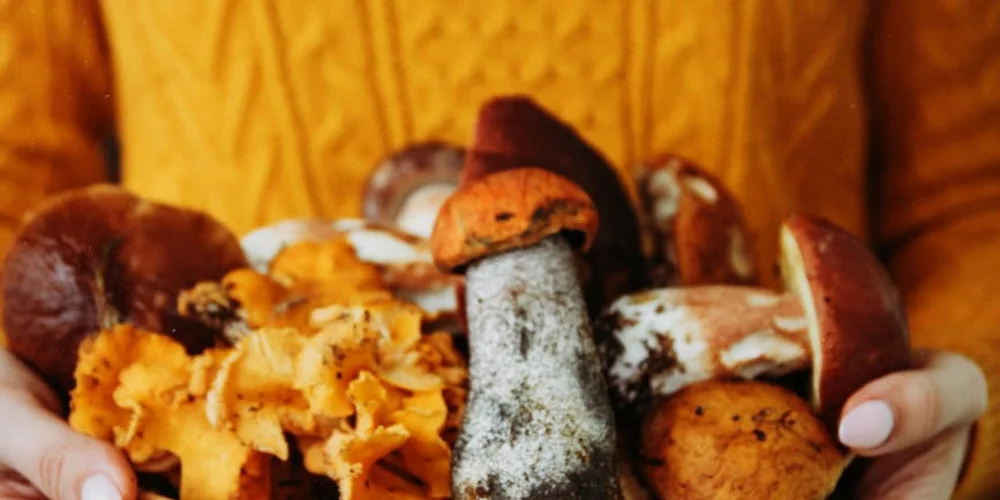
Let’s be perfectly clear: the vast majority of mushrooms are unsafe for turtles. The core issue isn’t just about a short list of “toxic” varieties; it’s that their digestive systems are poorly suited for processing fungi of any kind.
Here is a simple breakdown of the primary dangers:
- Toxicity: Many common backyard mushrooms contain potent toxins that can cause severe liver or neurological damage, leading to a rapid and tragic outcome.
- Digestive Upset: Even non-toxic mushrooms can cause significant gastrointestinal distress, including vomiting, diarrhea, and lethargy.
- Pesticides and Pollutants: Mushrooms are excellent at absorbing chemicals from their environment, which then become concentrated and dangerous for your pet.
I’ve observed my box turtle, Orwell, who is naturally curious. His intelligence means he’ll investigate anything new, but it’s my job to ensure his environment contains only what is known to be safe. A mushroom, regardless of type, is an unknown variable that has no place in their diet.
The safest and most responsible practice is to consider all mushrooms off-limits and focus on providing a well-researched, species-appropriate diet. If you spot mushrooms in your turtle’s enclosure, remove them immediately, along with the surrounding soil, to prevent regrowth.
Identifying Toxic Mushrooms for Turtle Care
Spotting toxic mushrooms is like navigating a rocky shore-you need a keen eye to keep your turtle safe from harm. Many wild mushrooms contain toxins that can cause severe illness or even be fatal to turtles, so never assume a mushroom is safe based on appearance alone. In my years caring for Austen, Bronte, and Orwell, I’ve learned to treat any unfamiliar fungus with caution, especially after Orwell once showed interest in a garden growth that turned out to be hazardous.
Common Toxic Varieties to Avoid
Focus on these well-known toxic mushrooms, as they pose the highest risk in many environments. Amanita species, like the death cap, are particularly dangerous because they contain amatoxins that attack a turtle’s liver and kidneys. Always remove these from areas your turtle explores.
- Amanita phalloides (Death Cap): Features a greenish-yellow cap and white gills; even small amounts can lead to organ failure.
- Galerina marginata: Often found on decaying wood, this brown-capped mushroom shares similar toxins with death caps.
- Gyromitra esculenta (False Morel): Has a brain-like, wrinkled cap and contains gyromitrin, which causes neurological issues if ingested raw or undercooked.
If you suspect your turtle has nibbled on a toxic mushroom, contact a veterinarian immediately—early action can save their life. Being aware of signs that your turtle needs veterinary care can help you act quickly. Look for lethargy, loss of appetite, swelling or shell changes, or breathing trouble—if you see any of these after exposure, seek care right away. I keep a photo guide of local toxic mushrooms handy, as it helps me double-check during outdoor time with my tortoises.
Safe Mushroom Varieties for Pet Turtle Diets
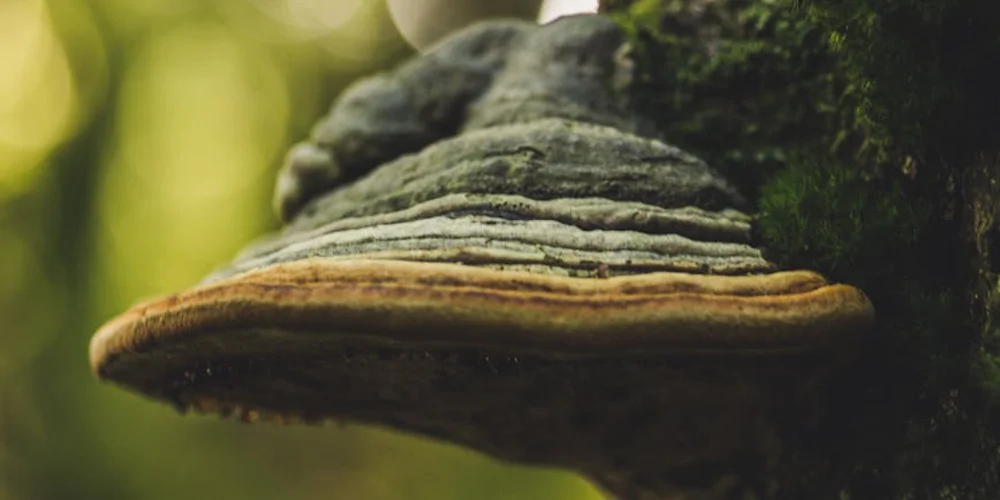
Incorporating safe mushrooms into your turtle’s diet can add variety and nutrients, but always choose cultivated types to minimize risks. Stick to store-bought mushrooms like button or shiitake, as they are grown in controlled environments and free from harmful contaminants. Bronte, my Greek tortoise, occasionally enjoys a small piece of cooked cremini mushroom, and I’ve seen how it adds enrichment without issues.
Recommended Edible Options
These mushrooms are generally safe when prepared properly, but introduce them slowly to monitor your turtle’s reaction. Cook all mushrooms thoroughly to break down tough fibers and enhance digestibility, making them easier for your pet to handle. Avoid raw varieties, as they might cause stomach upset.
- Agaricus bisporus (Button, Cremini, Portobello): Mild in flavor and widely available; steam or boil them before offering tiny, bite-sized pieces.
- Lentinula edodes (Shiitake): Rich in nutrients; cook until soft to ensure they’re safe and palatable.
- Pleurotus ostreatus (Oyster Mushroom): Soft texture when cooked; ideal for older turtles like Austen, who prefers gentle foods.
Limit mushrooms to an occasional treat-no more than once a week-to maintain a balanced diet focused on leafy greens and other staples. I always wash mushrooms thoroughly and chop them finely to prevent choking, especially for smaller turtles like Orwell. This approach supports animal welfare by prioritizing safety and variety in their meals.
Recognizing Mushroom Poisoning Symptoms
If your turtle has sampled a wild mushroom, you need to act fast. The symptoms can appear suddenly and escalate quickly, demanding your immediate attention. I’ve handled enough reptile emergencies to know that early recognition is your greatest ally. If your turtle is acting strange, a quick behavioral diagnostic checklist can help identify potential causes and determine when to seek urgent care. This checklist keeps you focused on the right signs and actions during a crisis.
Watch for these critical signs of distress in your turtle.
- Lethargy or unusual weakness; your normally active pet may seem unable to lift its body.
- Vomiting or signs of regurgitation, which is always a serious concern in turtles.
- Loss of coordination, stumbling, or an inability to walk in a straight line.
- Diarrhea or unusual, discolored stools.
- Excessive drooling or bubbles around the mouth and nose.
- Swelling around the head, neck, or limbs.
- A sudden and complete loss of appetite.
My Greek tortoise, Bronte, once became mysteriously lethargic after a backyard adventure, and that initial sign was our only early warning. Never dismiss even a single symptom, as their small bodies are incredibly vulnerable to toxins. Trust your instincts; you know your shelled friend better than anyone.
Emergency Response to Mushroom Ingestion
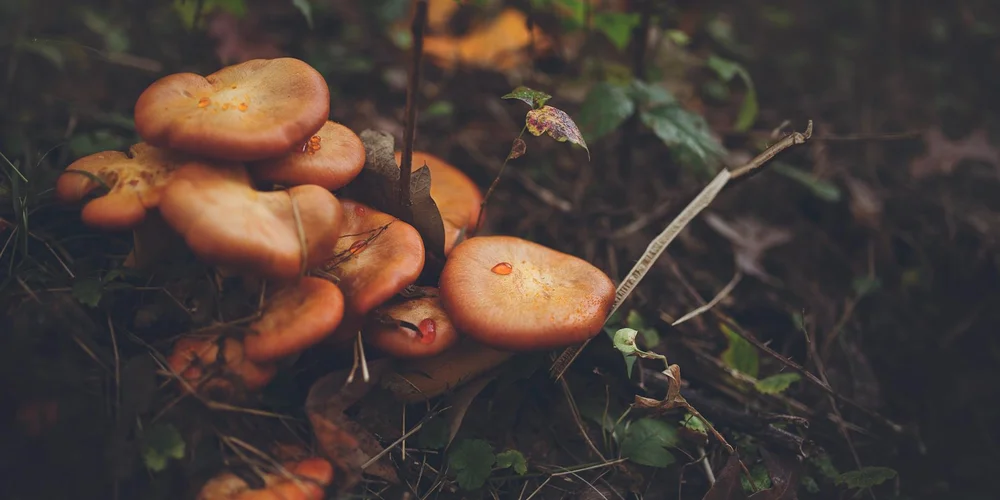
Discovering your turtle has eaten a mushroom is a frightening moment. Your first and most critical step is to remain calm; your clear-headed action is their best chance. Panic helps no one, especially not your pet.
Follow these steps methodically and without delay.
- Immediately isolate your turtle. Gently move them to a clean, empty, secure container like a plastic tub with a towel on the bottom. This prevents them from eating anything else and allows you to monitor them closely.
- Remove all remaining mushroom material. Search their enclosure meticulously and remove every piece of the mushroom, including any small fragments. Wear gloves to protect yourself.
- Contact your veterinarian or an emergency animal poison control center immediately. Do not wait for symptoms to appear. Time is of the essence. Have details ready: your turtle’s species, approximate weight, and a description or photo of the mushroom if possible.
- Do not induce vomiting or give any home remedies. You can easily cause more harm than good. Follow only the specific instructions given to you by a qualified professional.
- Transport your turtle safely to the clinic. Keep them in the secure container you placed them in, and maintain a warm, quiet, and stress-free environment during the journey.
Here are some common toxic mushrooms to be aware of. This list is not exhaustive, as many toxic varieties look similar to safe ones.
| Mushroom Type | Toxicity Level |
|---|---|
| Amanita species (e.g., Death Cap) | Extremely High – Often Fatal |
| Galerina species | Very High |
| False Morels | High |
| Little Brown Mushrooms (LBMs) | Variable – Assume Toxic |
My rule, forged from experience, is simple: if it wasn’t purchased from a reputable pet food supplier, it doesn’t belong in my turtle’s diet. When in doubt, always err on the side of caution and assume a wild mushroom is dangerous. Your turtle’s life is worth far more than the risk.
Building a Safe Turtle Diet Without Mushrooms
After years of caring for my tortoises, Austen and Bronte, I learned that a simple, predictable diet is a safe one. The best way to protect your turtle is to build a diet from known, safe ingredients you intentionally provide. Many edible garden plants and flowers, when correctly identified as edible, can form a safe part of their diet. Wild foraged foods, especially fungi, introduce too much risk.
Staple Foods for a Healthy Turtle
Your turtle’s primary diet should be built on a foundation of leafy greens and vegetables. These are the reliable staples that provide essential nutrients without the guesswork. A complete, safe list of vegetables turtles can eat helps you plan meals confidently.
- Dark, leafy greens like dandelion greens, collard greens, and endive
- Aquatic plants such as duckweed and anacharis for aquatic species
- Finely chopped carrots, zucchini, and squash
- Opuntia cactus pads (a favorite for many tortoise species)
The Role of Commercial Diets
I always supplement my turtles’ fresh food with a high-quality commercial pellet. A good commercial diet is scientifically formulated to fill any nutritional gaps in a fresh-food regimen. It takes the pressure off you to be a perfect nutritionist. When weighing commercial vs homemade diets for turtle health, each has pros and cons. A balanced approach—pellets for consistent baseline nutrition plus well-planned homemade foods for variety—can help support overall health.
Look for brands that list whole foods and are specific to your turtle’s species—whether aquatic, box turtle, or tortoise. My box turtle, Orwell, is particularly fond of the ones that include insects, especially suitable for Eastern box turtles.
Preventing Mushroom Exposure in Turtle Habitats
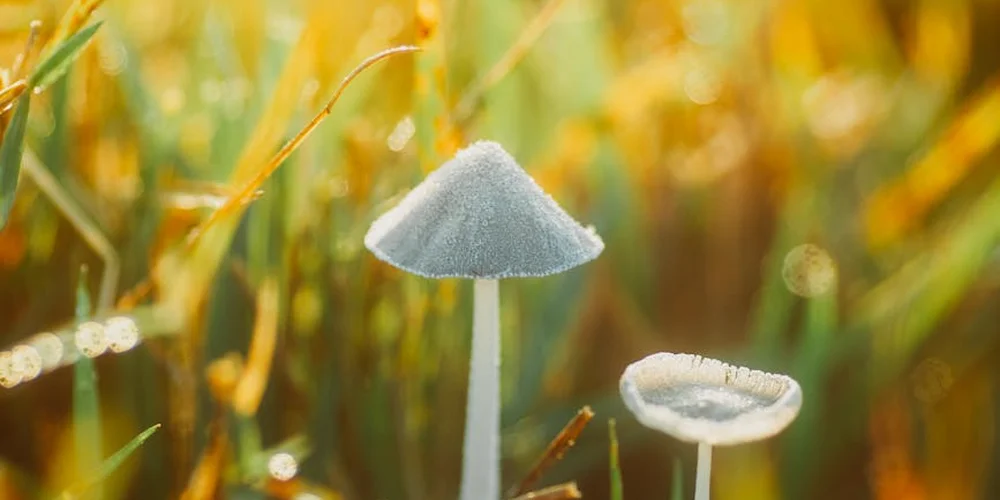
Mushrooms can pop up in an enclosure with surprising speed, often overnight. Vigilant habitat maintenance is your first and most powerful line of defense against accidental ingestion. A single mushroom can be a serious problem.
Choose and Maintain Your Substrate Wisely
The material you use for bedding can either encourage or discourage fungal growth.
- Avoid soil or mulch mixes bought from garden centers, as they often contain mushroom spores.
- Opt for substrates like coconut coir, cypress mulch, or orchid bark, which are less prone to fungal issues.
- Spot-clean the enclosure daily to remove leftover food and waste, which are food sources for fungi.
Establish a Regular Inspection Routine
I make a habit of checking my turtles’ enclosures every morning during feeding. A quick visual scan of the entire habitat takes less than a minute but can prevent a lifetime of regret. Look for any strange, umbrella-shaped growths.
If you do find a mushroom, remove it immediately with gloves. Replace the substrate in that immediate area. This simple act has kept my own pets safe for years.
Control the Environment
Mushrooms thrive in damp, dark conditions. Managing humidity and providing proper ventilation makes your turtle’s home less inviting to fungal invaders.
- Ensure your enclosure has adequate airflow.
- Allow the substrate surface to dry out slightly between mistings.
- Position heat and UVB lamps to create a dry basking area that discourages moisture-loving fungi.
FAQs
Can organic mushrooms be fed to turtles safely?
Organic mushrooms may reduce pesticide exposure, but they still require thorough cooking to aid digestion. Always choose safe varieties like button or shiitake and introduce them in small amounts as an occasional treat.
Do turtles have allergic reactions to mushrooms?
While uncommon, turtles can develop sensitivities to new foods, including mushrooms, leading to symptoms like swelling or respiratory issues. If you’re wondering how to tell if your turtle is sick, watch for lethargy, poor appetite, or breathing trouble. Monitor your pet closely after introduction and seek veterinary care if any unusual signs appear.
What is the best way to store mushrooms for turtle feeding?
Store mushrooms in a cool, dry place and use them within a few days to maintain freshness and prevent spoilage. Always wash and cook them thoroughly before serving to minimize any risks to your turtle’s health. When sourcing fresh foods for your turtle, choose clean, pesticide-free produce. Then prepare and portion them, washing and cutting into bite-sized pieces before feeding.
Your Turtle’s Safety First
The safest path is to stick with thoroughly researched, commercially grown mushrooms like cremini or portobello, offered as a rare treat. Always avoid any wild mushrooms, as the risk of misidentification and toxicity is far too great for our slow-moving friends.
Caring for a turtle is a long-term commitment to learning and adapting to their unique needs. I encourage you to keep asking questions, consult with a reptile-savvy vet, and continue exploring the fascinating world of proper turtle nutrition together.
Further Reading & Sources
- Here’s Why You Shouldn’t Eat a Box Turtle in the Wild | HowStuffWorks
- Can Turtles Eat Mushrooms? Safe Types & Feeding Tips
- Can Turtles Eat Mushrooms? – Turtle Pet Guide
- Browse and Search the Tortoise Table Plant Database
Matthew is a dedicated turtle enthusiast and conservationist with over 15 years of experience in reptile care. Known affectionately as "The Leatherback" among his peers, he combines his passion for turtles with a commitment to educating pet owners on responsible turtle care and environmental stewardship.
Common Turtle Foods