
Are Pet Turtles a Good Choice for Families with Young Children?
Published on: May 21, 2026 | Last Updated: May 21, 2026
Written By: Matthew The
If you’re thinking about bringing a pet turtle into your home with young kids, it’s natural to feel both excited and a bit anxious about safety, care, and whether it’s a good fit for your family’s lifestyle.
Based on my personal experience with tortoises like Austen and Bronte, we’ll explore the benefits, challenges, care essentials, and safety tips in this article.
Safety First: Understanding the Risks for Kids and Turtles
Bringing a turtle home is exciting, but your child’s safety and the turtle’s wellbeing must come first. I learned this firsthand when my young nephew tried to “share” his peanut butter sandwich with my Russian tortoise, Austen. It was a gentle but important lesson for everyone involved.
The primary concern is Salmonella bacteria, which turtles can carry naturally.
- Always wash hands thoroughly with soap and water after any contact with the turtle or its habitat.
- Never allow a turtle near food preparation areas, like the kitchen counter or dining table.
- Supervise all interactions to prevent children from putting their hands near their mouths after touching the turtle.
Beyond germs, the physical interaction needs careful management. A turtle is a living creature, not a toy, and it can feel stressed or frightened by loud noises and sudden movements. My box turtle, Orwell, will retreat into his shell for hours if he’s handled too roughly.
- Teach children to handle the turtle gently, with two hands, close to a soft surface like the floor.
- Always support the turtle’s entire body; never pick one up by the edges of its shell.
- Respect the turtle’s need for quiet and solitude. If it hides, it’s asking for space.
The Ideal Turtle Habitat: A Major Commitment for Families
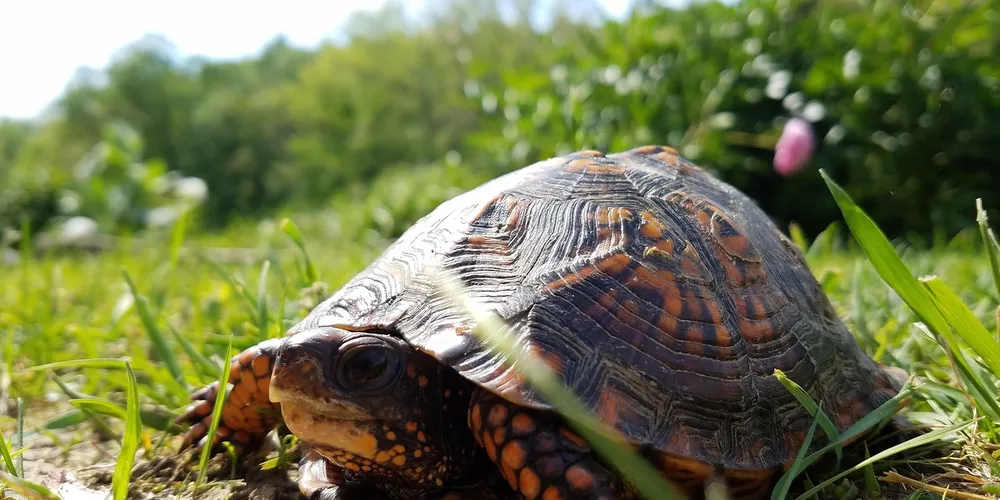
A proper turtle habitat is a complex, miniature ecosystem. Setting up a turtle tank is not like filling a bowl for a goldfish; it’s a significant investment of time, space, and ongoing effort. The initial setup for my three turtles took an entire weekend and required multiple trips to the pet store.
Essential Habitat Components for a Healthy Turtle
Think of the habitat as having distinct zones, each serving a critical purpose for your turtle’s physical and mental health.
- A Spacious Enclosure: A common starter tank is far too small. A single adult aquatic turtle often needs a 40 to 75-gallon tank. For my tortoises, I use custom-built outdoor pens during warm months.
- Clean, Filtered Water: Aquatic turtles are messy. You need a powerful canister filter rated for two to three times the volume of your tank to keep the water healthy.
- A Dedicated Basking Area: This is a dry platform where your turtle can completely leave the water to dry off and regulate its body temperature.
- The Right Substrate: What you put on the bottom matters. Large, smooth river rocks are safe for aquatic turtles, while a mix of topsoil and playsand works for many land species.
Getting the Temperature and Lighting Just Right
This is the most common area where new owners struggle. Reptiles are ectotherms; they rely entirely on their environment to control their body temperature and metabolism. Getting this wrong can make a turtle very sick.
You need to create a temperature gradient, meaning one side of the habitat is warm and the other is cooler.
- Basking Spot Temperature: This area needs a dedicated heat lamp. The spot directly under it should be a toasty 85-95°F, allowing the turtle to warm its core.
- Water/Air Temperature: The cooler side of the habitat should be around 75-80°F. For aquatic turtles, you’ll need a submersible water heater.
- UVB Lighting: This is non-negotiable. Turtles need UVB light to produce Vitamin D3, which allows them to absorb calcium for a strong shell and bones. Without it, they develop metabolic bone disease, a painful and debilitating condition.
That UVB bulb must be replaced every 6 to 12 months, even if it still lights up, because its invisible UV rays diminish over time. I mark the replacement date on my calendar because my tortoise Bronte’s health depends on it.
Daily and Weekly Care: A Realistic Look at the Routine
Caring for a pet turtle blends gentle rhythms into your family’s life, much like the steady pace of the ocean’s tides. Establishing a consistent routine helps your turtle feel secure and teaches children about responsibility in a manageable way. From my years with Austen, Bronte, and Orwell, I’ve seen how simple, repeated actions build a bond that grows over time.
Each morning, I check on my turtles to ensure they’re active and their habitat is clean. Spot cleaning any waste daily prevents odors and keeps their environment healthy, which is crucial for their well-being. This quick task takes only a few minutes but makes a big difference in avoiding health issues. You can learn more about maintaining a clean tank in our guide for keeping your turtle tank clean and odor-free.
Weekly, I set aside time for a deeper clean of their enclosures. Replacing substrate, scrubbing surfaces, and refreshing water dishes reduce the risk of bacteria buildup that can harm your shelled companion. Here’s how often you should clean and replace turtle substrate to keep your pet healthy. With Orwell, my box turtle, I’ve found that a weekly routine keeps his home inviting and safe, much like tidying a cozy room.
Feeding Your Shelled Friend: A Simple Guide
Feeding your turtle is a joyful ritual that even young children can help with under supervision. Offer a varied diet to mimic what they’d find in the wild, ensuring they get all the nutrients they need for a strong shell and vibrant health. This approach fits well with the Feed Your Pet Turtle: Ultimate Beginners Guide, a handy starter resource for new turtle caregivers. If you’re new to this, it offers quick tips on portions and safe foods. I recall how Bronte, my Greek tortoise, perks up when I bring out her favorite leafy greens.
Start with these easy steps for feeding:
- Choose fresh, pesticide-free vegetables like kale, dandelion greens, or carrots.
- Add occasional fruits or proteins, such as berries or worms, depending on the species.
- Serve food in a shallow dish to keep their habitat tidy and make cleanup simple.
- Remove uneaten food within a few hours to prevent spoilage and maintain water quality.
Adjust portions based on your turtle’s age and activity level. Overfeeding can lead to obesity, so observe their habits and tweak amounts as needed for a balanced life. The dangers of overfeeding show up as weight gain and reduced mobility. To tell if your turtle is overweight, look for a noticeably rounded body and slower activity, then adjust portions or consult a vet if needed. With Austen, I learned that a light hand with treats keeps him energetic and his shell in top shape.
Health and Longevity: The Long-Term Promise to a Pet Turtle
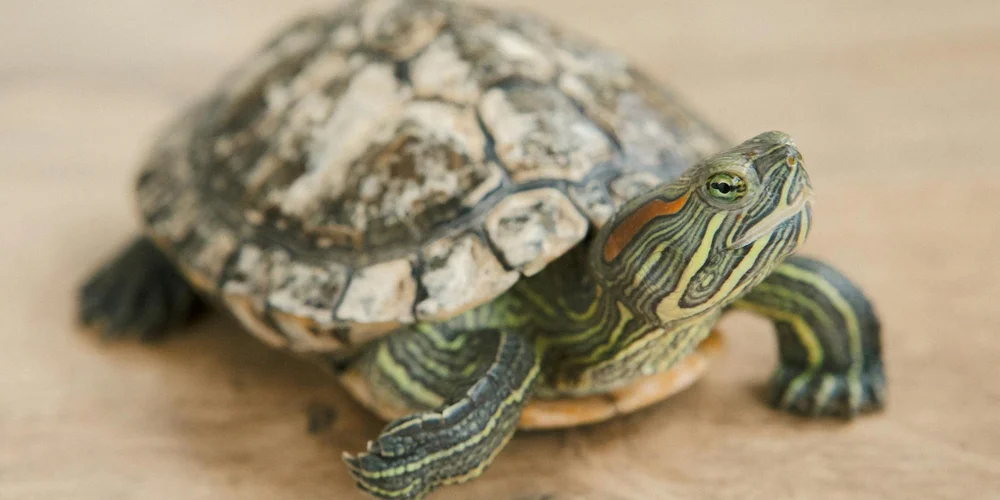
Turtles are remarkable for their long lives, often spanning decades with proper care. Committing to a turtle means planning for their future, much like nurturing a family heirloom that grows more precious over time. My Russian tortoise, Austen, has been with me for 10 years, and I’ve seen how his steady presence enriches our home.
Common health issues to watch for include shell rot or respiratory infections, which can arise from poor habitat conditions. Regular vet check-ups catch problems early, ensuring your turtle stays healthy and happy for years to come. These are among the most critical issues to watch for in a pet turtle. By staying attentive to shell condition, breathing, appetite, and activity, you can catch problems early and seek care before they worsen. When Orwell had a minor shell issue, prompt attention prevented it from worsening.
To support their longevity, focus on these key areas:
- Provide a habitat with proper UVB lighting and temperature gradients to support shell and bone health.
- Monitor their behavior for signs of stress or illness, like lethargy or loss of appetite.
- Keep their environment clean and enriched with hiding spots to reduce anxiety and promote natural behaviors.
Advocating for animal welfare, I urge families to consider the lifelong commitment. Turtles depend on us for everything, and giving them a forever home is a rewarding promise that deepens with each passing year. Bronte’s graceful aging reminds me how this bond flourishes with patience and love.
Weighing the Pros and Cons for Your Family
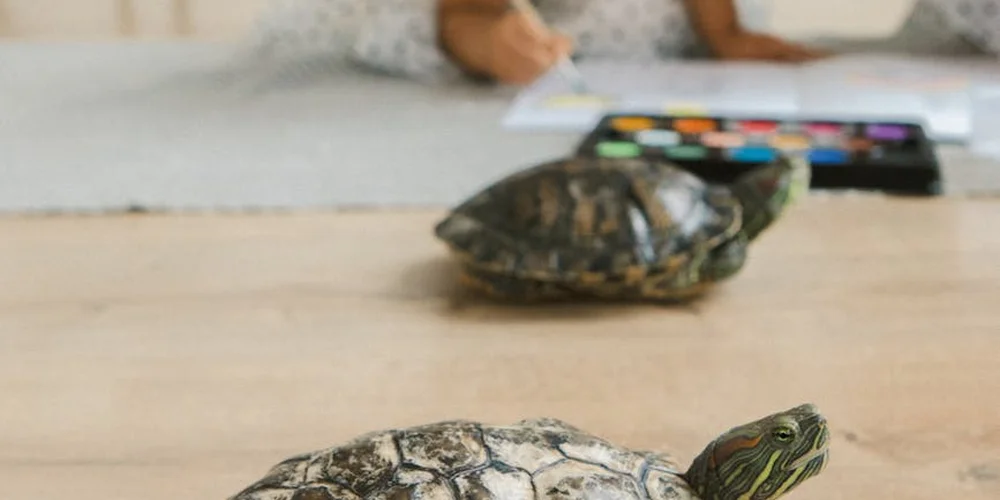
Deciding if a turtle is the right fit involves looking at the whole picture. My tortoises, Austen and Bronte, have taught me that their quiet presence can be wonderfully grounding for a busy household.
The Bright Side: What Turtles Bring to a Home
Pet turtles offer some unique advantages you won’t find with a hamster or a goldfish.
- Living Science Lessons: Watching a turtle eat, bask, and explore provides a real-world lesson in biology, responsibility, and the needs of another living creature.
- A Calming Influence: Their slow, deliberate movements and quiet nature can have a soothing effect on children, offering a peaceful focus in a chaotic world.
- Long-Term Companionship: With proper care, many turtles live for decades. This isn’t a short-term pet; it’s a family member who can grow with your child.
The Other Side of the Shell: Realistic Challenges
It’s only fair to be honest about the hurdles. Caring for a turtle is a significant commitment that requires more than just a child’s enthusiasm.
- Adult Supervision is Non-Negotiable: Young children cannot manage a turtle’s complex habitat, diet, or hygiene needs. This pet’s well-being will always be an adult’s primary responsibility.
- Health and Hygiene Concerns: Turtles can carry Salmonella. Meticulous handwashing for everyone after any interaction is an absolute must. This is a rule, not a suggestion.
- Specialized and Ongoing Costs: The initial setup for a proper tank, heat lamps, and UVB lighting is an investment. Ongoing costs for food, substrate, and bulb replacements add up.
Legal and Ethical Considerations Before You Buy
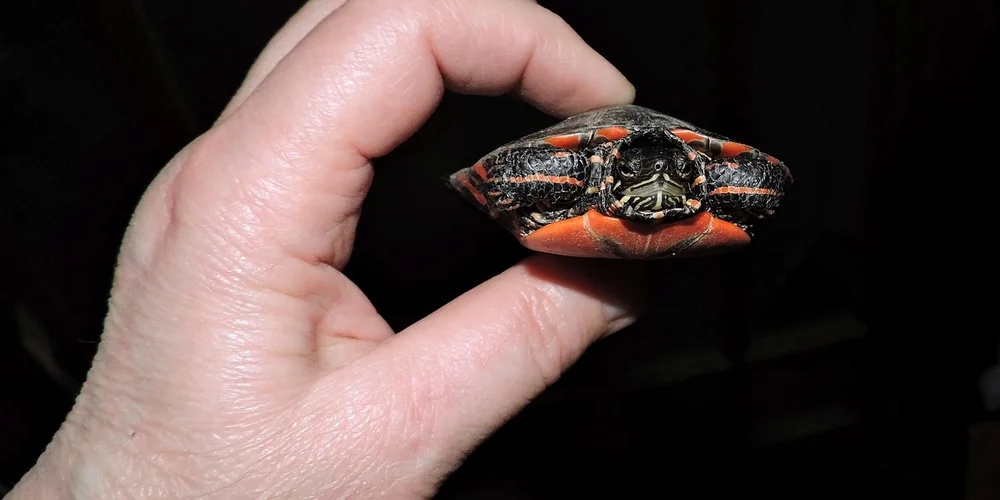
Before you even look at a turtle, you need to navigate the legal and ethical landscape. This step is crucial for the welfare of the animal and for staying on the right side of the law. Some turtle species are protected or restricted, and ownership may require permits or be illegal. Always verify which species you may legally own in your area before proceeding.
Know Your Local Laws
Many people are surprised to learn that turtle ownership is regulated.
- The U.S. FDA bans the sale of turtles with shells smaller than 4 inches, specifically to protect young children from Salmonella risks.
- Some states, counties, or cities have outright bans or require special permits for certain species. A quick call to your local fish and wildlife agency can save you from a costly mistake.
Choose Your Source Wisely
Where you get your turtle matters immensely. Always prioritize reputable breeders or rescue organizations over pet stores or online marketplaces of unknown origin. When choosing between a pet-store turtle and a breeder turtle, the source you select affects health and care history. A transparent breeder or rescue can provide lineage, care guidance, and ongoing support.
- Reputable breeders can provide a health history and ensure the animal was captive-bred, which is better for its well-being and the environment.
- Rescuing a turtle is a wonderful option. Many need new homes due to their long lifespans, and you’re giving an animal a second chance.
Consider the Lifetime Commitment
This is the most significant ethical consideration. A pet turtle is not a disposable accessory; it’s a decades-long promise. Considering the ethical implications of keeping a turtle means recognizing its decades-long care, space, and welfare needs. This reality should guide every housing and care decision. My Russian Tortoise, Austen, could easily be with me for another 30 or 40 years.
- Are you prepared for the possibility of caring for this animal through your child’s entire childhood and into their adult life?
- Do you have a plan for the turtle’s care if your family’s situation changes?
FAQs
Are turtles good pets for young children?
Turtles can be engaging pets that teach kids about nature and responsibility through daily care routines. However, they require strict adult supervision to manage hygiene and safety risks like Salmonella. For families seeking practical, child-friendly tips, see Safe Turtle Handling for Children: A Complete Guide. It offers age-appropriate handling steps and hygiene practices to reduce Salmonella risk.
What are some fun facts about turtles for kids?
Turtles have been on Earth for over 200 million years, outliving the dinosaurs. Some species can retract their heads and limbs fully into their shells for protection, which fascinates many children.
Where can I find educational YouTube videos about turtles for kids?
Channels like SciShow Kids or National Geographic Kids offer entertaining, age-appropriate videos on turtle life cycles and habitats. Always supervise viewing to ensure the content aligns with your family’s learning goals.
The Final Word on Turtles and Tots
Ultimately, a pet turtle can be a wonderful family companion when you commit to active adult supervision during all child-turtle interactions. Success hinges on your willingness to manage the habitat’s complex care, from UVB lighting to a balanced diet, which falls squarely on adult shoulders.
Embrace your role as the primary caretaker and view pet ownership as a lifelong learning journey for the whole family. Staying curious and continuously educating yourself about your turtle’s specific needs is the truest form of love and responsibility you can offer. If you’re new to box turtles, this complete beginners guide to care will walk you through setup, diet, housing, and daily routines. It’s a practical roadmap to help your turtle thrive.
Further Reading & Sources
- The Ultimate Guide To Pet Turtles For Kids: Everything You Need To Know
- 9 Things to Know About Turtles as Pets – Vetstreet | Vetstreet
- Buy Turtles and Tortoises | Baby Turtles | The Turtle Source
- Red Eared Slider
Matthew is a dedicated turtle enthusiast and conservationist with over 15 years of experience in reptile care. Known affectionately as "The Leatherback" among his peers, he combines his passion for turtles with a commitment to educating pet owners on responsible turtle care and environmental stewardship.
Safe Handling Techniques